
?? Safety Warning ? Lebanon (Criminalized)
Same-sex acts are illegal in Lebanon under Article 534 of the Penal Code (up to one year imprisonment). Enforcement is inconsistent but real ? raids on parties and arrests have occurred. The country is in severe economic crisis. Exercise significant discretion in all public spaces. This guide is provided for harm reduction. Read it fully before travelling.
Lebanon: A Complicated LGBTQ+ Story
Lebanon holds a unique, tragic spot in the LGBTQ+ history of the Middle East and North Africa. Between roughly 2009 and 2015, Beirut had, by a long shot, the most visible LGBTQ+ scene in the Arab world. Bars, clubs, Pride events, a functioning LGBTQ+ NGO sector, court rulings challenging anti-gay laws, a small queer press—Beirut was mentioned alongside Tel Aviv as a regional haven. It was fragile and contested, but it was there.
That era is over. Police crackdowns started around 2012, got much worse in 2018-2019, and then came the economic collapse in 2019 and the catastrophic Beirut port explosion in August 2020. Everything changed. Venues closed: some were raided, some couldn't survive financially, some shut because owners and patrons left the country. The organized civil society infrastructure is badly damaged. What's left of the scene operates with far more caution, in smaller spaces, less openly.
Lebanon in 2026 isn't a conventional LGBTQ+ travel destination. But for visitors who are determined to come—and many do, for family reasons, cultural ties, or Beirut's sheer magnetic pull—this guide offers honest information about what still exists and what the risks are.
The Law: Article 534
Article 534 of the Lebanese Penal Code criminalizes "contradicting the laws of nature," with up to a year in prison. This is a colonial-era provision, from the French Mandate Penal Code of 1943. Its language is deliberately vague; it doesn't say "homosexuality" or "same-sex acts," but uses the natural law phrasing common at the time.
This vagueness has been both its weakness and its reason for sticking around. Several Lebanese court rulings—notably by the Court of Appeal in 2009, a Metn court in 2014, and a Jdeideh court in 2018—have found that Article 534 doesn't apply to consensual adult same-sex acts, arguing such acts don't "contradict nature." These rulings got international attention and were seen as potential turning points. They matter, but their impact is limited: they're individual judicial interpretations, not binding on other courts. Other judges have ruled the opposite. The law is still on the books, gets enforced sometimes, and poses a real legal risk.
In practice, enforcement usually focuses on raiding public venues and private parties, rather than targeting individuals in their homes. Police have used evidence from dating apps—Grindr has been specifically named in several Lebanese cases—in prosecutions. The risk is highest where LGBTQ+ people gather in groups, in places visible or known to authorities.
The Economic Crisis
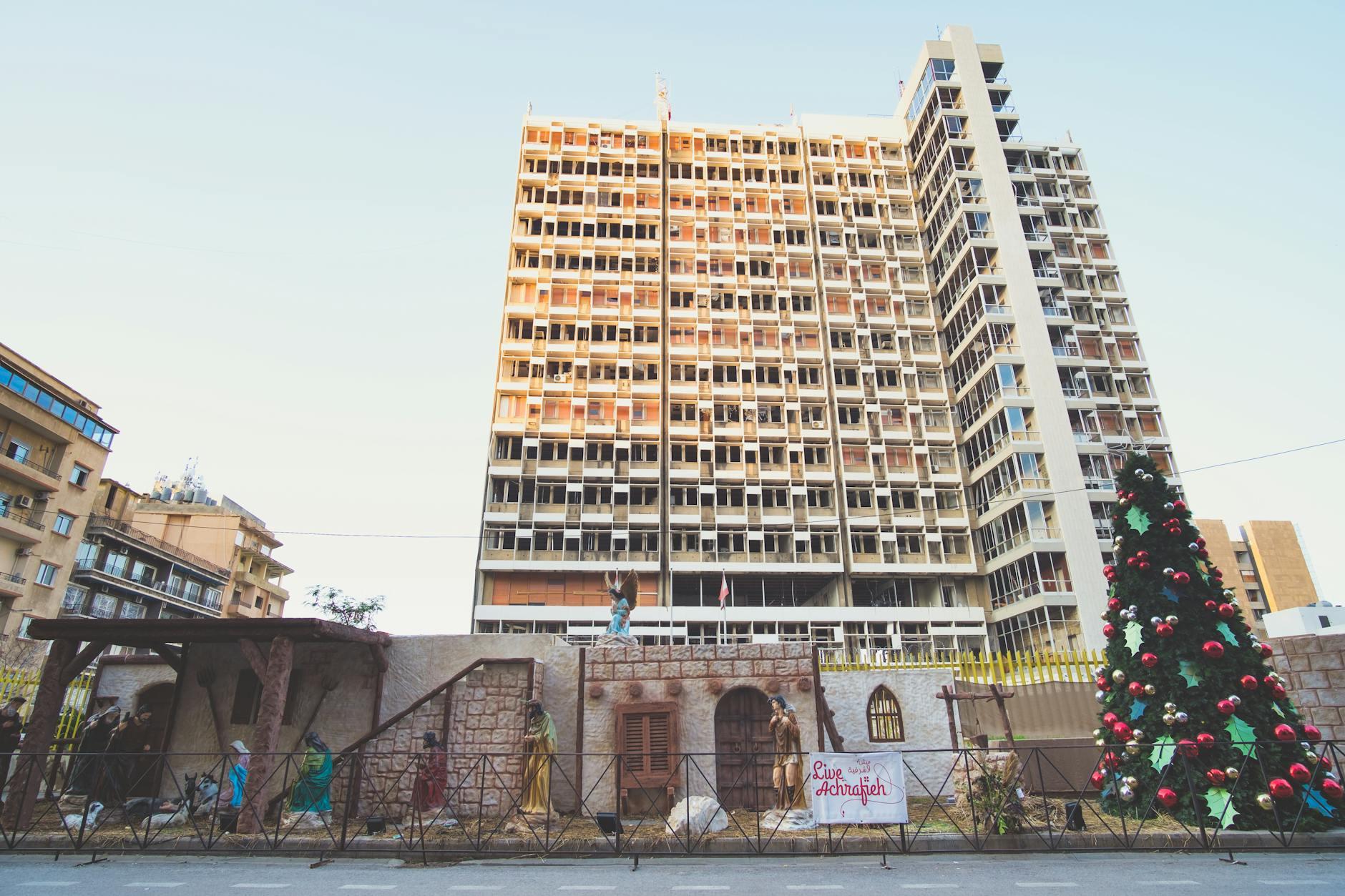
You can't understand Lebanon's LGBTQ+ situation without knowing about the country's catastrophic economic state. Since 2019, Lebanon has gone through one of the worst economic collapses in recent history, by World Bank metrics. The Lebanese pound has lost over 90% of its value. Banks froze deposits. The formal economy shrank dramatically. Then came the Beirut port explosion on August 4, 2020. Caused by improperly stored ammonium nitrate, it killed over 200 people, injured thousands, and destroyed large parts of east Beirut, including Mar Mikhael and Gemmayzeh, which were the center of the LGBTQ+ scene.
Legal risk, economic ruin, and physical destruction have left Beirut's gay scene a shadow of its 2012-2015 peak. Many people who built that scene—bar owners, activists, community organizers, artists—have emigrated to France, Canada, Germany, and elsewhere. Those who remain do so out of deep ties, lack of other options, or commitment to Lebanon, not because it's easy.
Helem and Civil Society
Helem (Arabic: ???, "dream") is Lebanon's—and the Arab world's—oldest officially registered LGBTQ+ organization, founded in Beirut in 2001. It has given legal support, community resources, mental health services, and political advocacy through conditions that would have crushed most civil society organizations. Helem still operates in Beirut, though with less capacity. For visitors wanting to connect with the Lebanese LGBTQ+ community or needing support, Helem (helem.net) is the most reliable contact. Support their work if you can.
What's Left of Beirut's Underground Scene
Beirut's remaining LGBTQ+-friendly social life is in Mar Mikhael and Gemmayzeh—the areas that were the heart of the city's alternative and arts scene before the explosion. Post-2020 reconstruction has been partial and uneven; the areas look different from five years ago. Some venues have reopened, others moved, some are gone for good. The scene is small, discreet, and happens in bars that are gay-friendly or tolerant, without explicit LGBTQ+ identification.
The circuit of international gay events, the Pride march, the high-profile nightlife of 2012-2015—none of that exists now. What's left is a community keeping social connections going under tough conditions, in smaller, more private spaces.
Safety Guidance for Beirut
- Stay at international chain hotels: The Four Seasons Beirut, Gefinor Rotana, Le Gray, and similar international properties operate professionally and don't discriminate against LGBTQ+ guests.
- Be aware of raids: Lebanese police have raided LGBTQ+ venues and parties. If you hear of recent police action in Mar Mikhael, be extra careful.
- Dating apps carry risk: Grindr has been used as evidence in Lebanese prosecutions. Use it with discretion. Don't arrange meetups in public places that could attract attention.
- Discretion in public: Mar Mikhael and Gemmayzeh are more tolerant than most of Beirut, but avoid public same-sex affection anywhere in the city.
- Know the current political situation: Lebanon's political situation is volatile. Check your government's travel advisory before visiting—advisories sometimes recommend against travel entirely.
- Emergency contacts: Know your embassy's location and emergency line. Helem (helem.net) can provide community support and understands the local legal situation.
Lebanon's LGBTQ+ story is one of incredible ambition—Beirut truly was, for a short time, the most LGBTQ+-open city in the Arab world—and then collapse. The legal risk of Article 534 never went away. The crackdowns, economic crisis, and explosion made it worse. What's left of the scene is real but small and precarious. Visit with full awareness of the risks, support local LGBTQ+ organizations, and use the discretion the legal environment demands.