Generally tolerant society but no legal recognition of same-sex relationships. A Sexual Orientation and Gender Identity Expression (SOGIE) bill has been pending in Congress for decades. Catholic Church influence is significant.
Mandaluyong: A Contemporary Urban LGBTQ+ Destination in Metro Manila
Mandaluyong is a city in the eastern portion of Metro Manila, the capital region of the Philippines. With a population of over 400,000, it has transformed from a primarily residential area into a major commercial and entertainment hub. For LGBTQ+ travelers, Mandaluyong offers a modern, progressive environment with excellent infrastructure, though its gay scene is more subtle and integrated than in traditionally defined gayborhoods.
Historical Context and Current Scene
The Philippines has a complex relationship with LGBTQ+ identity. While the country is predominantly Catholic, Filipino culture has historically shown relative tolerance toward gender non-conforming individuals and same-sex relationships in social contexts. However, same-sex marriage and civil unions remain unrecognized, and SOGIE (Sexual Orientation and Gender Identity Expression) Equality Bill has been repeatedly blocked in Congress. Despite these legal limitations, the LGBTQ+ community in Metro Manila has developed vibrant cultural spaces, particularly in entertainment, fashion, and hospitality sectors.
Mandaluyong's LGBTQ+ presence is more integrated into mainstream spaces compared to traditional gayborhoods. The city attracts LGBTQ+ professionals working in its numerous offices, commercial establishments, and service industries. While not a traditional "gay quarter," the city welcomes LGBTQ+ visitors and residents with visible acceptance and inclusion in many establishments.
Neighborhoods and Areas
Mandaluyong is organized into multiple barangays (districts). The commercial core is centered around Edsa (Epifanio de los Santos Avenue), a major north-south thoroughfare connecting Manila to the provincial areas. This stretch contains massive shopping malls, office buildings, and entertainment venues. The area between Edsa and the Pasig River contains residential neighborhoods with increasing commercial development.
SM City Mandaluyong and the surrounding commercial district is the primary hub for visitors, offering shopping, dining, and entertainment. This area draws diverse crowds and has numerous restaurants and cafes with LGBTQ+ staff and clientele.
Accommodations
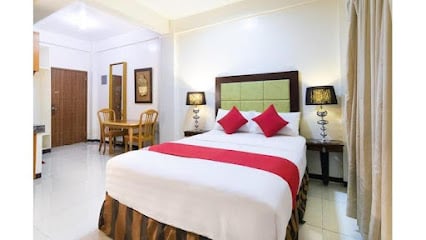
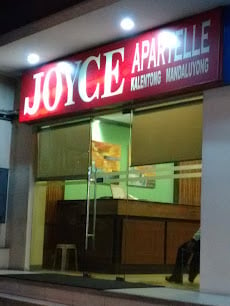
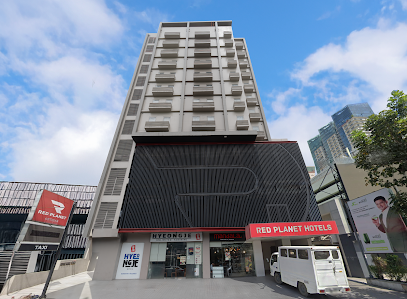
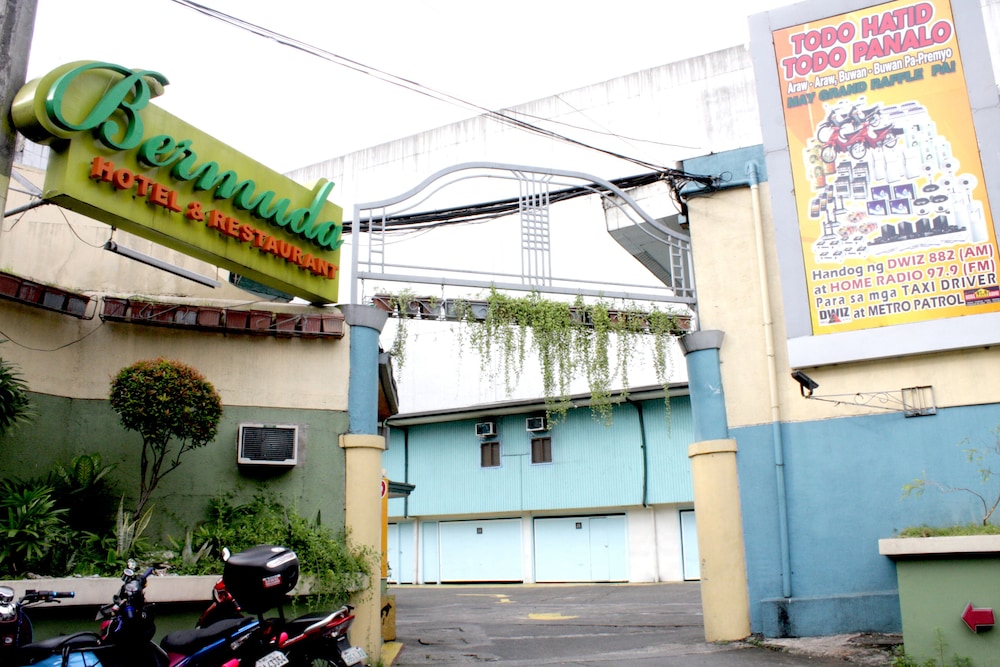
Mandaluyong offers mid-range to luxury hotel options. Several properties cater to business travelers but welcome all guests warmly. Hotels in the commercial district typically offer modern amenities, fitness facilities, and good connectivity. The city's infrastructure is newer and more developed than older Manila neighborhoods, with generally reliable utilities and services.
Mandaluyong has a thriving restaurant and cafe scene reflecting its status as a commercial district. Numerous establishments offer Filipino, Asian, and international cuisine. The city has karaoke bars (a beloved Philippine entertainment), which are generally mixed-gender spaces where LGBTQ+ groups are visibly present. While specific gay bars may be limited compared to traditional gayborhoods in Makati or Quezon City, dining and entertainment venues are welcoming and frequented by LGBTQ+ communities.
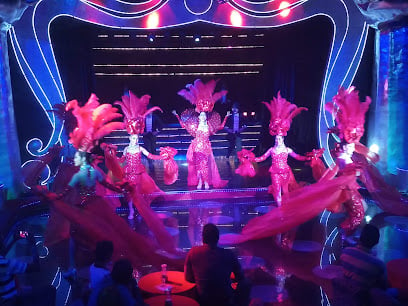
The nightlife extends to hotels with bars and lounges, shopping mall entertainment areas, and various karaoke establishments. Many venues feature live music and performances.
Mandaluyong participates in Metro Manila's Pride celebrations, typically held in June. The broader Manila Pride events occur in Quezon City and other venues throughout Metro Manila, with participation from the Mandaluyong community. Annual celebrations include Metro Manila Pride March and related events throughout the pride month.
The city's LGBTQ+ community is active in corporate and professional settings, with many companies maintaining diversity initiatives and employee resource groups. This creates a more integrated LGBTQ+ presence throughout the business district.
Transportation and Navigation
Mandaluyong is easily accessed via the Metro Manila transit system. The Light Rail Transit (LRT) and Metro Rail Transit (MRT) systems connect to Mandaluyong. Within the city, tricycles, Uber, Grab (Southeast Asian ride-sharing), and taxis are readily available. Walking is practical in commercial areas but the city's design is somewhat car-dependent due to its modern development pattern.
The city is highly accessible and navigation is straightforward with GPS and mobile apps.
Safety and Practical Considerations
Mandaluyong is generally considered safe, particularly in commercial and hotel areas. Standard urban precautions apply, as in any major city. Police presence is visible in commercial districts. LGBTQ+ travelers should exercise normal urban safety practices. The city is more cosmopolitan than many Philippine cities, and LGBTQ+ visitors are unlikely to face overt hostility in mainstream establishments.
While same-sex relationships lack legal recognition, the Philippines does not have laws criminalizing same-sex conduct. Public displays of affection are culturally more conservative than in Western countries, with muted expressions more typical across the population generally.
Day Trips and Wider Manila
Mandaluyong's location provides easy access to all of Metro Manila. Nearby Makati (south) has a more established gay scene with dedicated gay bars and venues in the Poblacion area. Quezon City (north and east) hosts many Pride events and has LGBTQ+ cultural spaces. Intramuros, Manila's historic walled city, offers historical and cultural attractions.
Food and Culture
Filipino cuisine features prominently, with local favorites including adobo, sinigang, and fresh tropical fruits. Mandaluyong's commercial status means diverse international options are available alongside traditional Filipino restaurants. The city reflects modern Filipino urban culture with influences from multiple Asian cuisines.
Conclusion
Mandaluyong offers LGBTQ+ travelers a modern, convenient urban experience within Metro Manila. While not a traditional gayborhood, the city's commercial infrastructure, welcoming atmosphere, and integration into the larger Manila LGBTQ+ community make it an excellent base for exploring the capital region. Travelers seeking contemporary urban amenities, shopping, and professional infrastructure will find Mandaluyong comfortable and accessible, with easy connections to more established LGBTQ+ neighborhoods and venues throughout Metro Manila.
Frequently asked questions
Mandaluyong has relatively progressive attitudes toward LGBTQ+ individuals compared to many Southeast Asian nations. While legal protections remain limited, same-sex relationships are generally tolerated in urban settings like Mandaluyong.
The LGBTQ+ scene is concentrated around the commercial core, particularly the business district and Emerald Avenue area. Gay-friendly establishments are often integrated into broader entertainment zones along Edsa Boulevard.
Mandaluyong's gay bar and club scene primarily consists of venues welcoming to LGBTQ+ clientele rather than exclusively gay venues. These establishments serve mixed crowds and are often integrated into general entertainment areas.
Yes, Mandaluyong is adjacent to Makati City, which has a more established gay scene. They are easily connected by local transportation, allowing visitors to explore both cities.
Filipino society, especially in urban areas like Mandaluyong, exhibits high visibility of LGBTQ+ individuals in media and daily life. This translates to a more open atmosphere compared to rural areas.
The venues in Mandaluyong primarily cater to local Filipino gay communities rather than international gay tourism. Gay-friendly establishments are scattered throughout commercial areas.
Your privacy choices.
We use cookies to run GayOut and, with your consent, measure usage. Learn more
Your privacy choices
We use cookies to keep GayOut running, remember your preferences, and (with your permission) measure how the site is used. You can accept all, reject all, or pick what you allow. Learn more
Essential
Required for sign-in, fraud prevention, CSRF protection and remembering your language. Cannot be disabled.
Always on
Remembers your favourites, dark mode and other interface preferences across visits.
Helps us understand which pages people visit (Google Analytics, server-side stats) so we can improve.
Used by campaign tracking pixels. None are active right now, reserved for future use.
Install GayOut
Add GayOut to your home screen for faster access, offline favourites, and Pride alerts.



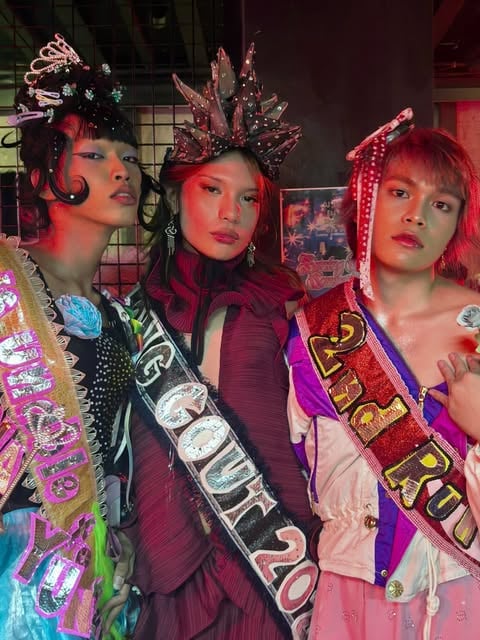
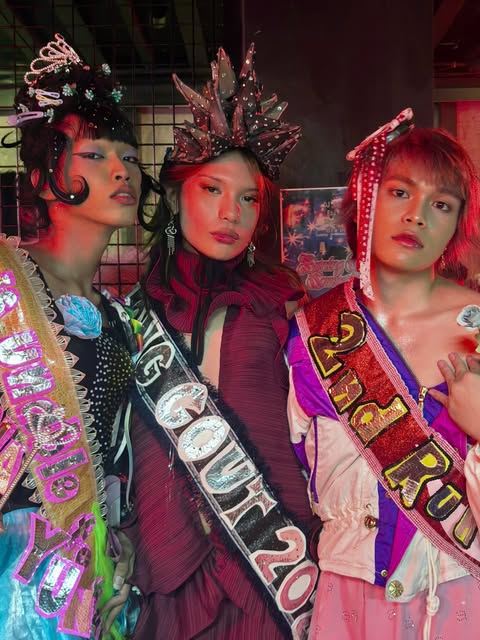
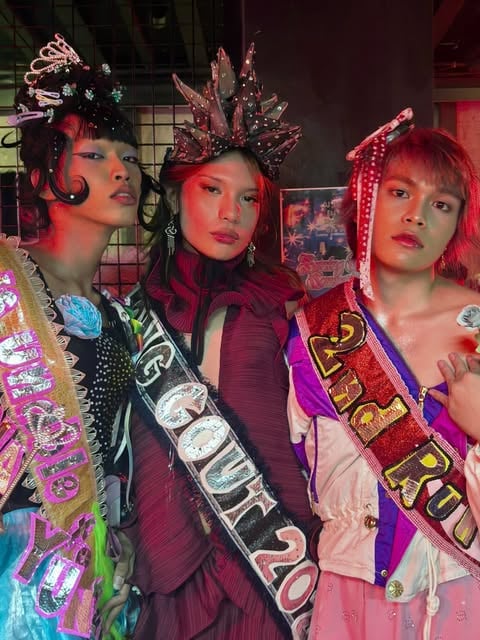
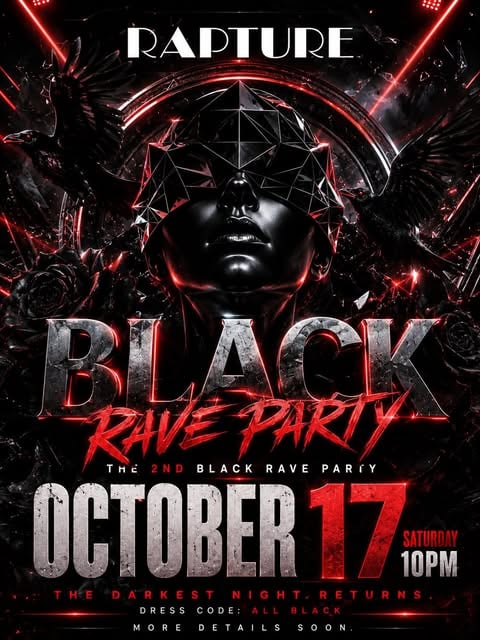
 Gay-Friendly Bars & Clubs
(32)
Gay-Friendly Bars & Clubs
(32)