Second country in the world to legalise same-sex marriage (2003). Comprehensive anti-discrimination law. Legal gender change via self-declaration since 2018.
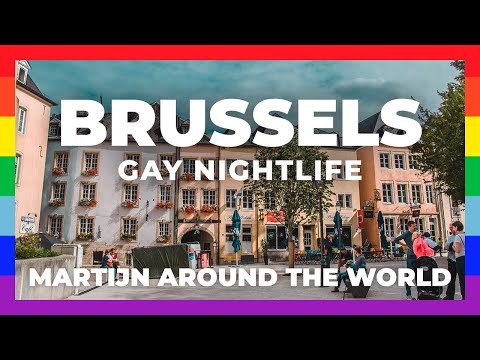
Ixelles has solidified itself as Brussels' primary LGBTQ+ neighborhood over the past two decades. While Brussels as a whole has long been accepting—Belgium was among Europe's earliest countries to legalize same-sex marriage in 2003—Ixelles specifically developed as the cultural and social hub for the community. The neighborhood's gay scene grew organically as bars and cafés opened, attracting residents and visitors seeking community spaces. Today, Ixelles represents a mature, integrated gay quarter rather than a ghettoized area, with LGBTQ+ venues existing comfortably alongside mainstream restaurants, shops, and cultural institutions.
Belgium's legal framework is exceptionally progressive. Beyond marriage equality, Belgium recognizes same-sex adoption, has strong anti-discrimination laws, and allows transgender individuals to change legal gender. This legal security has fostered an open, visible community.
The Ixelles District and Main Streets
Ixelles occupies the southeastern portion of Brussels' inner ring. The primary gay quarter centers on Rue Dieudonné and adjacent streets including Rue de Trèves, Rue Longue, and the surrounding area roughly bounded by Chaussée d'Ixelles and Avenue de la Toison d'Or. This compact neighborhood is easily walkable and well-connected by public transit.
The district has a distinctly European character—narrower streets, older architecture mixed with modern buildings, and a neighborhood feel rather than a concentrated party zone. The Musée de Ixelles (art museum) sits nearby, and the neighborhood transitions into residential areas, meaning visitors experience local Brussels culture alongside gay venues.
Venues and Nightlife
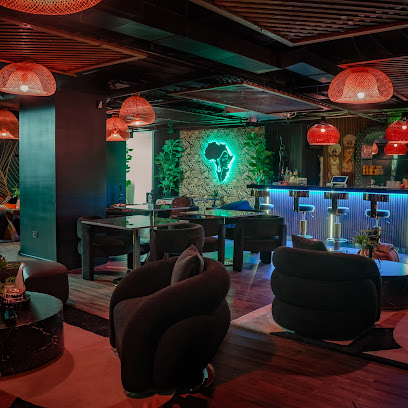
Ixelles' gay scene includes several established bars and clubs. The exact venues operating at any time can change, so visitors should check recent reviews before visiting. Historically, Rue Dieudonné has hosted multiple gay bars catering to different crowds—some more casual and diverse, others more focused on specific communities or age groups. The scene includes both intimate neighborhood bars where locals gather and larger venues hosting DJ nights and themed events.
Clubs in Brussels (not exclusively in Ixelles but easily accessible) occasionally host circuit parties and special events, particularly around Pride season. These venues range from mainstream nightclubs with LGBTQ+ themed nights to dedicated gay establishments.
While Brussels doesn't have the sauna culture of cities like Amsterdam or Berlin, wellness and health facilities exist in the city. Visitors should research current options and ask local contacts for recommendations.
The broader Brussels nightlife scene extends to nearby neighborhoods—the central Rue de Marché aux Herbes and other areas host mainstream clubs and bars with LGBTQ+ clientele on specific nights.
Brussels Pride takes place annually in May, centered on Brussels' main thoroughfares. The celebration includes a parade, stage performances, cultural events, and community gatherings. The event is substantial but less massive than Pride celebrations in larger cities; this creates a more community-oriented atmosphere. Crowds generally number in the tens of thousands rather than hundreds of thousands.
Throughout the year, various LGBTQ+ events occur at venues and community spaces. The Belgian Film Festival sometimes features LGBTQ+ programming, and theatrical performances often include queer content.
Neighborhoods Beyond Ixelles
While Ixelles is the primary gay neighborhood, other Brussels areas have LGBTQ+ relevance. The Marais-like character of parts of Sablon features galleries and upscale dining. The Marolles district south of the city center offers bohemian charm and diverse populations. Saint-Gilles, adjacent to Ixelles, shares similar characteristics and includes queer-friendly spaces. Central Brussels around the Grand Place offers mainstream tourism and dining; many restaurants and bars throughout the city are welcoming to LGBTQ+ visitors.
Where to Stay
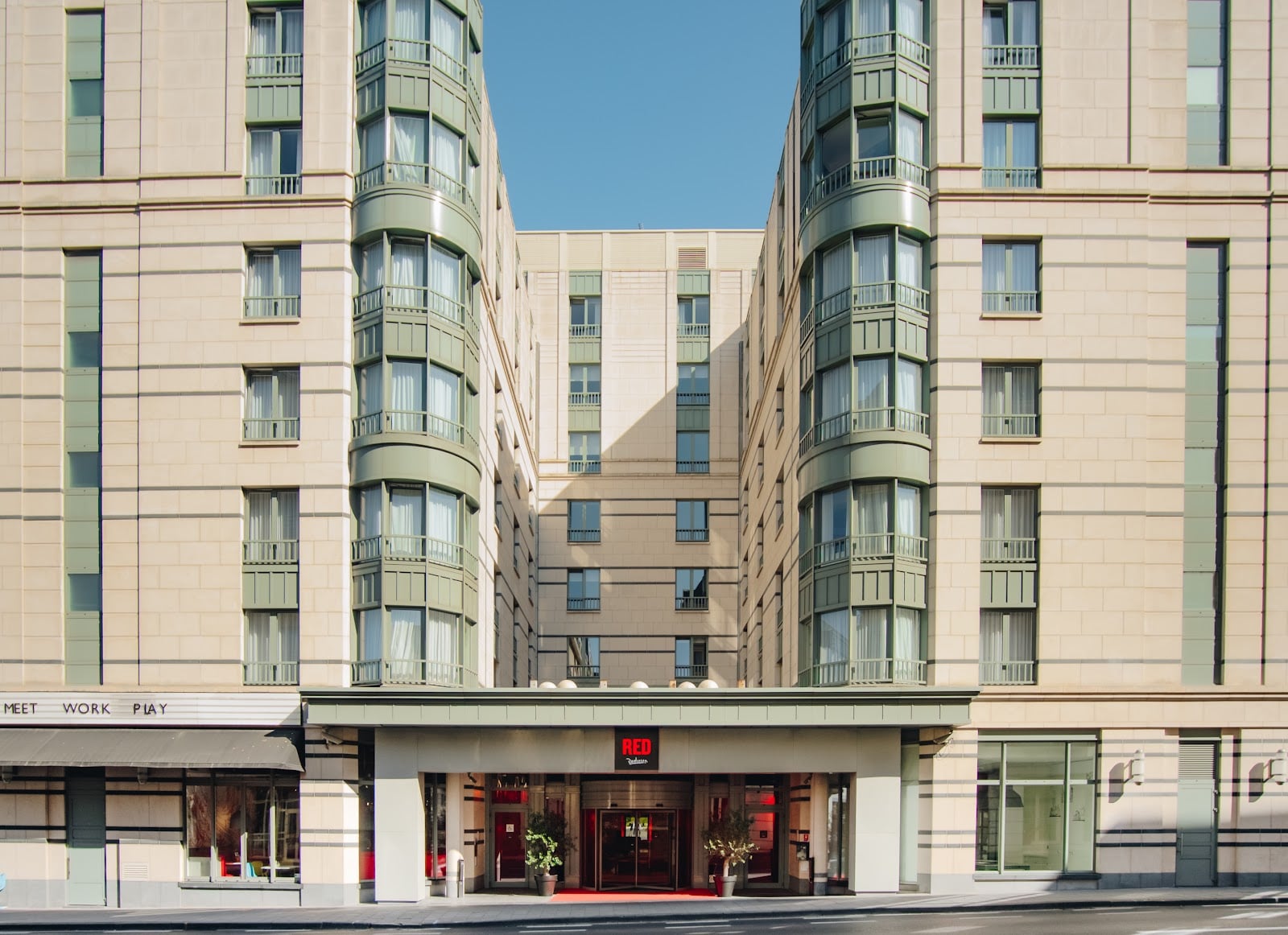
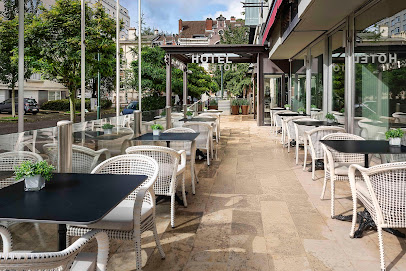
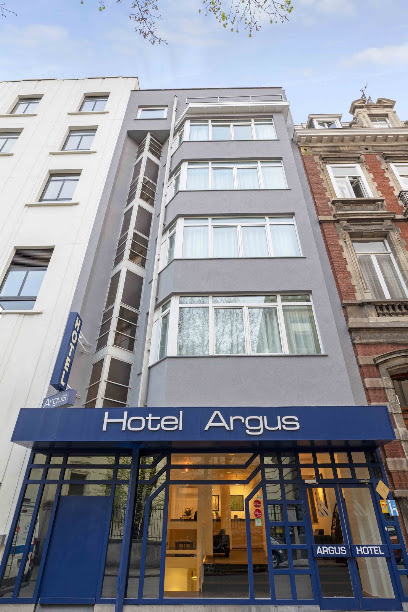
Hotels in Ixelles itself provide convenient access to the gay scene. Mid-range and budget hotels operate throughout the district, ranging from basic hostels to comfortable 3-star properties. Ixelles' location provides easy transit to other Brussels neighborhoods, so staying elsewhere in central Brussels (Sablon, the city center, or Saint-Gilles) remains viable.
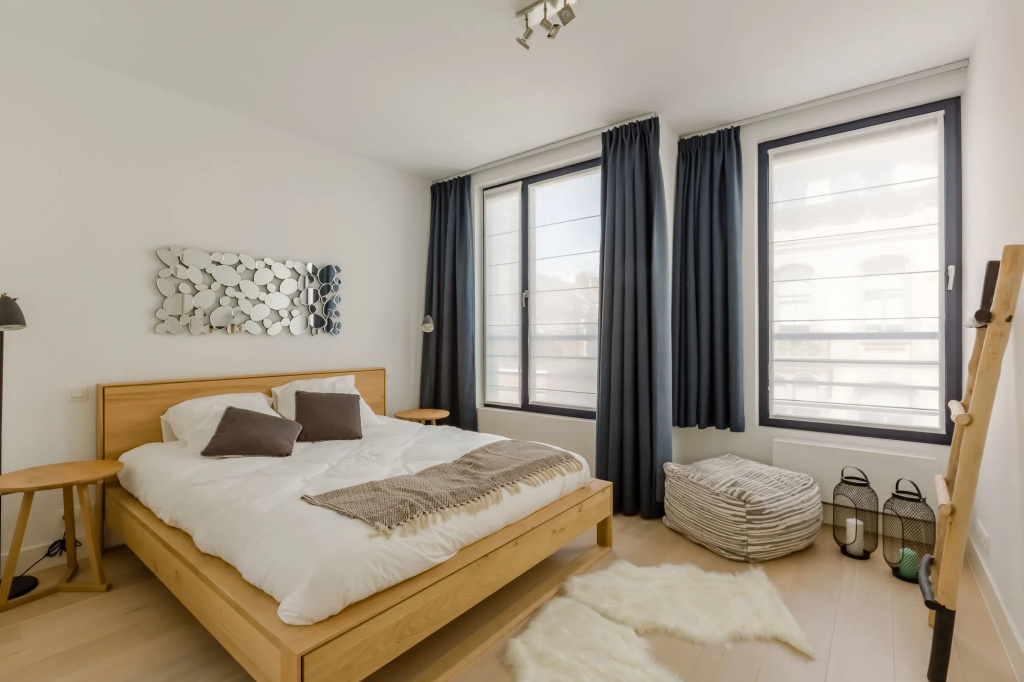
Apartment rentals through platforms like Airbnb are popular in Ixelles. Staying in a residential area offers insight into local daily life, though may be quieter than staying directly on Rue Dieudonné. Most accommodations in Brussels are accessible by public transit within 15 minutes.
Brussels' public transit system (STIB) includes trams, buses, and metro lines. Ixelles is well-served by tram lines, particularly Tram 25 and others that connect to central Brussels and other neighborhoods. A single journey ticket costs around €2.10; day passes and multi-day passes offer savings.
Ixelles is compact and walkable. Most gay venues cluster within a 10-minute walk of each other. The neighborhood has hills in some areas, so comfortable shoes are advisable.
Taxis and ride-sharing services operate throughout the city. Brussels Airport is 12 km away, accessible by train (15-20 minutes to central Brussels) or bus.
Food and Culture
Ixelles offers diverse dining. The neighborhood includes Moroccan, Middle Eastern, Asian, and European restaurants. Rue de Trèves and surrounding areas host casual cafés and bistros. Belgian specialties—frites, waffles, chocolate, and beer—are readily available. The neighborhood's character reflects Brussels' multicultural population, providing authentic options beyond stereotypical tourist fare.
The Musée de Ixelles houses a respected collection of modern and contemporary art. Brussels' other major museums (Musées Royaux des Beaux-Arts, Horta Museum) are accessible by transit from Ixelles. The city center's Grand Place and Atomium represent major tourist attractions.
Beyond formal attractions, Ixelles' street-level character—markets, shops, cafés—offers everyday European city experience.
Safety and Practicalities
Belgium's legal protections and Brussels' cosmopolitan character create a safe environment for LGBTQ+ travelers. Public displays of affection between same-sex couples are not unusual in Ixelles and other central Brussels areas. As in any European capital, standard urban safety precautions apply—being aware of surroundings, securing belongings, avoiding isolated areas late at night—but these are general precautions rather than LGBTQ+-specific concerns.
Visa and travel requirements depend on travelers' nationality; European Union citizens face no restrictions. Citizens of other countries should verify Belgian visa requirements.
Language: Brussels is predominantly French-speaking, though Dutch and English are widely understood, particularly in touristy and gay venues. Learning basic French phrases aids integration.
Currency: Belgium uses the Euro. ATMs are ubiquitous. Most establishments accept cards, though some bars may prefer cash.
Day Trips and Regional Exploration
Brussels' central location makes regional day trips accessible. Bruges (Brugge), 30 minutes by train, offers medieval architecture and is known as Belgium's most picturesque city. Ghent (Gent), also approximately 30 minutes away, provides student-friendly atmosphere and canal scenery. Both cities have smaller but present LGBTQ+ communities and venues.
Antwerp, 45 minutes north, has its own gay scene and serves as a secondary Belgian LGBTQ+ hub. The Flemish countryside, medieval towns, and the Belgian coast (Ostend, De Panne) offer variety for longer stays.
Best Times to Visit
May, during Brussels Pride, attracts the largest LGBTQ+ crowds. Spring and early fall offer pleasant weather. Summer (June-August) brings tourists but also warmer temperatures. Winter is quiet but cold and gray, typical of Northern Europe.
Planning Tips
Research specific venues before visiting, as Brussels' bar scene evolves. Local LGBTQ+ organizations and websites provide current information. Dating and social apps popular in the region help visitors connect with locals and learn current scene information.
Book accommodation in advance during Pride season and summer. Off-season travel offers better availability and prices.
Ixelles works best as part of a broader Brussels visit rather than a solo destination. The gay scene provides community and social entry points, while the city's museums, food, and culture offer substance beyond nightlife. Most visitors spend 3-7 days in Brussels, with Ixelles serving as either a base or a frequent destination within the city.
Frequently asked questions
Belgium has comprehensive anti-discrimination laws and legalized same-sex marriage in 2003. Ixelles is known as a neighborhood where LGBTQ+ individuals and allies can live openly and build community.
Ixelles itself is the primary neighborhood of interest. Key areas include the Rue de l'Aqueduc district, the Rue Haute area, and the neighborhoods around Ixelles Ponds.
Brussels Pride was established in 1997 and has grown into one of Europe's largest celebrations. The parade typically takes place annually.
Ixelles and Brussels do not have a concentrated 'gay district' with dozens of dedicated venues. However, there are established gay-friendly bars, clubs, and social spaces.
Unlike some European cities with defined gay villages, Brussels' LGBTQ+ scene has always been more diffuse and integrated, with gay-friendly venues scattered throughout the city.
Saint-Gilles, which is adjacent to Ixelles, also has gay-friendly venues and a bohemian character. The broader Brussels context includes areas like the Marais district in Ixelles, near the ponds, which is considered charming.
Your privacy choices.
We use cookies to run GayOut and, with your consent, measure usage. Learn more
Your privacy choices
We use cookies to keep GayOut running, remember your preferences, and (with your permission) measure how the site is used. You can accept all, reject all, or pick what you allow. Learn more
Essential
Required for sign-in, fraud prevention, CSRF protection and remembering your language. Cannot be disabled.
Always on
Remembers your favourites, dark mode and other interface preferences across visits.
Helps us understand which pages people visit (Google Analytics, server-side stats) so we can improve.
Used by campaign tracking pixels. None are active right now, reserved for future use.
Install GayOut
Add GayOut to your home screen for faster access, offline favourites, and Pride alerts.



 Gay-Friendly Bars & Clubs