Second country in the world to legalise same-sex marriage (2003). Comprehensive anti-discrimination law. Legal gender change via self-declaration since 2018.
Molenbeek-Saint-Jean and LGBTQ+ Travel: A Comprehensive Guide
Location and Overview
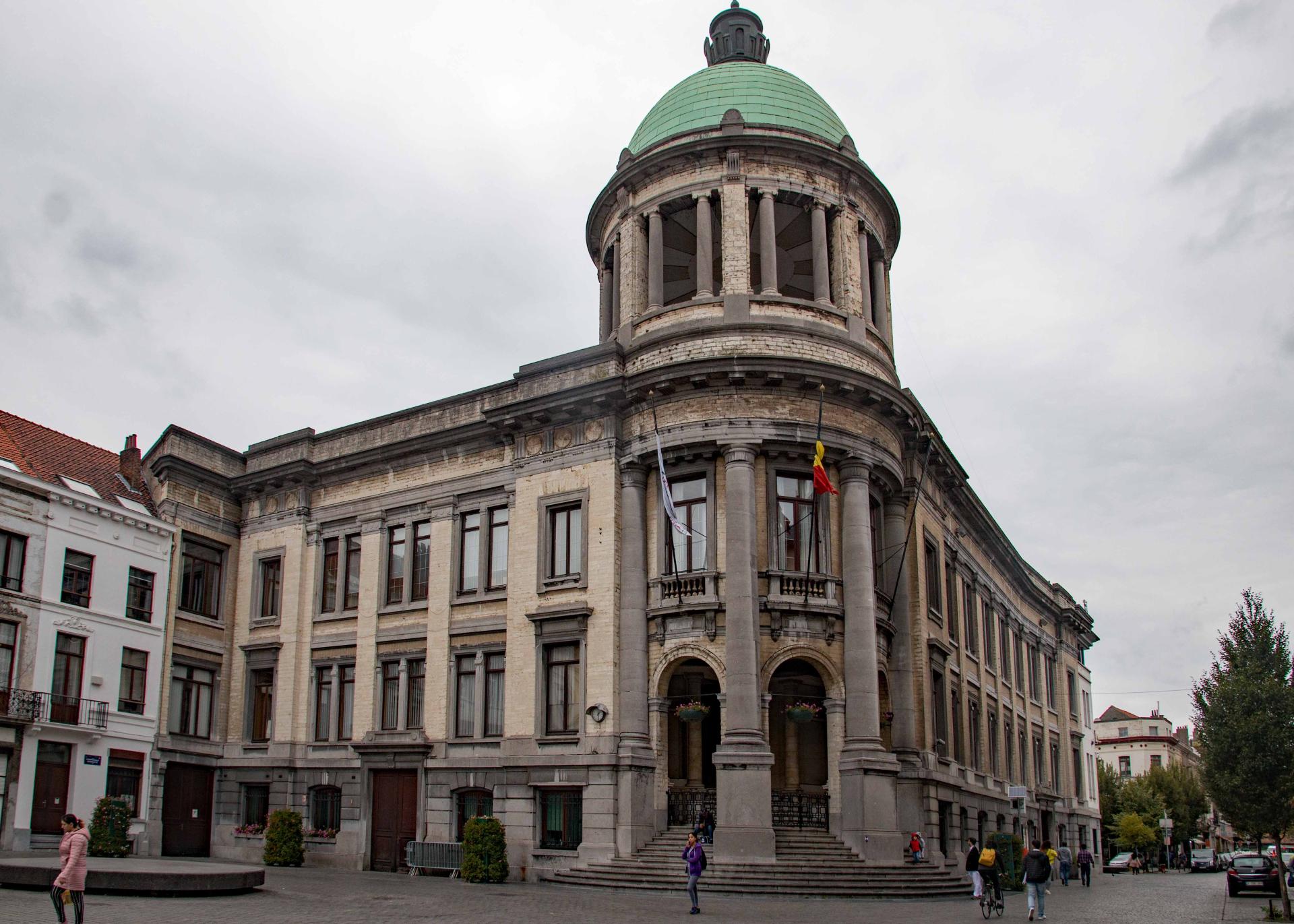
Molenbeek-Saint-Jean (often simply called Molenbeek) is a municipality on the northwest side of Brussels, Belgium's capital. Located on the western bank of the Charleroi Canal, it is distinct from central Brussels yet easily accessible by public transit. The neighborhood has historically been working-class and multicultural, and in recent decades has become a focus of urban regeneration, attracting young professionals, artists, and LGBTQ+ residents seeking more affordable living than Brussels's central districts.
History and LGBTQ+ Scene Development
Belgium has a progressive history regarding LGBTQ+ rights, having legalized same-sex marriage in 2003 and anti-discrimination legislation in place since the 1980s. Brussels as a whole has a visible and established LGBTQ+ community, though historically the gay scene has been concentrated in specific neighborhoods and districts closer to the city center.
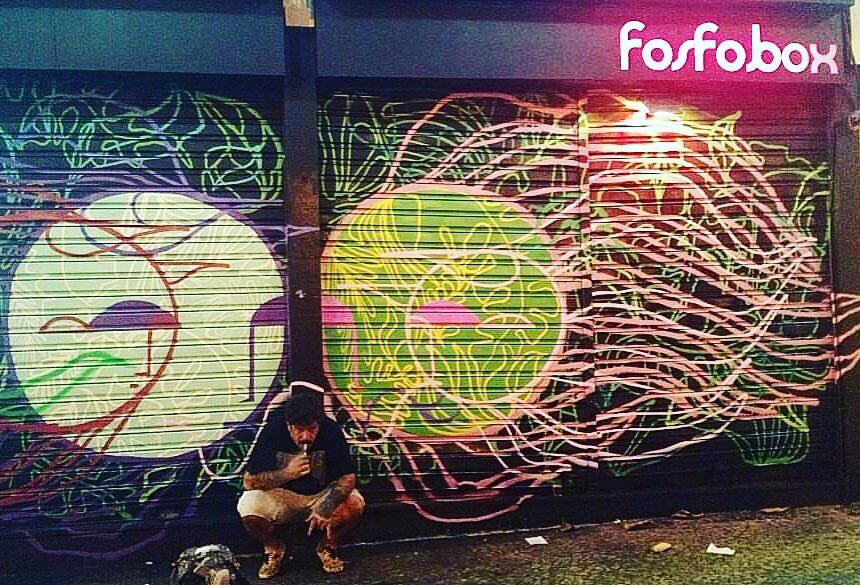
Molenbeek's LGBTQ+ presence has grown substantially over the past decade, driven by younger queer populations moving to the neighborhood for affordable housing, cultural space, and community. Unlike traditional gay neighborhoods defined by concentrated nightlife, Molenbeek's LGBTQ+ scene is more diffuse and integrated into the broader neighborhood culture. The area has attracted LGBTQ+-owned businesses, creative collectives, and progressive-minded residents. This development reflects broader European trends where established gay districts are becoming less geographically defined, with queer culture spreading across cities as younger LGBTQ+ people prioritize affordability, cultural authenticity, and community over concentrated scene infrastructure.
Neighborhoods and Geography
Molenbeek itself is a single municipality but contains several distinct areas worth exploring. The Rue de Flandre is the main commercial and cultural artery, running through the heart of the neighborhood with cafes, galleries, shops, and restaurants. The area around the Charleroi Canal offers waterfront walking paths and has undergone significant development with contemporary art spaces and weekend markets.
The Saint-Jean district, centered around the Saint-Jean-Baptiste Church, represents the neighborhood's more residential core. The Ribaucourt area, named after a major metro station, is another notable zone with good transit connections and emerging cultural venues.
Key Venues and Nightlife
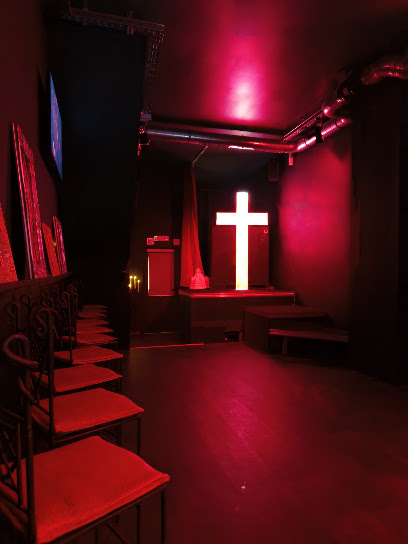
Molenbeek lacks the dedicated gay bars and clubs found in other Brussels neighborhoods, which is important for potential visitors to understand. However, several venues in and near Molenbeek are known for LGBTQ+-friendly atmospheres and programming.
The neighborhood's bar and cafe scene tends toward casual, diverse spaces rather than exclusively gay venues. Several cafes on Rue de Flandre and surrounding streets cater to mixed crowds including LGBTQ+ clientele. Independent bars emphasize craft beverages, art, and music programming that appeals to progressive, diverse audiences.
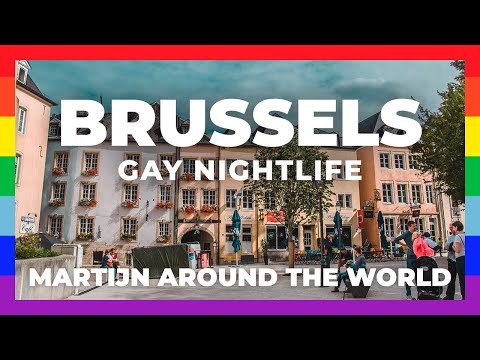
For dedicated gay nightlife, most travelers will venture to central Brussels neighborhoods like the Marais area or streets around Rue de l'Échelle, which host more established gay bars and clubs. However, traveling from Molenbeek to these areas is straightforward via Brussels's efficient public transport system, typically a 10-15 minute metro or tram ride.
Brussels Pride takes place annually in May and is one of Europe's largest Pride celebrations, drawing hundreds of thousands of attendees. The main events occur in central Brussels, but the broader city participates, and Molenbeek-based LGBTQ+ residents and businesses join the festivities. The parade routes, stages, and parties typically concentrate in the European Quarter and central Brussels neighborhoods.
Molenbeek hosts its own cultural events throughout the year, including the Molenbeek Festival (typically summer), art exhibitions, and canal-side weekend markets that welcome LGBTQ+ participation and often feature LGBTQ+-owned vendors and performers. These events tend to be lower-key than Pride but offer authentic neighborhood experiences.
Accommodations
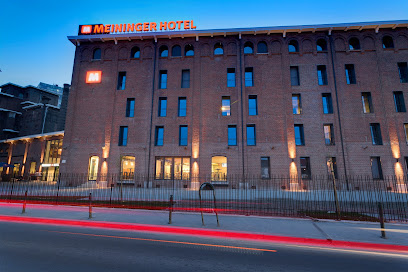
Molenbeek has a growing hotel and short-term rental market. Several mid-range hotels and numerous Airbnb options offer accommodation, generally at lower prices than central Brussels. LGBTQ+-friendly guesthouses and hotels operate in the area, though many travelers also choose to base themselves in Molenbeek while taking short transit trips to explore other Brussels neighborhoods.
Accommodation in Molenbeek appeals particularly to travelers seeking longer stays, those interested in neighborhood immersion, and budget-conscious visitors. Nearby Saint-Gilles and Ixelles, neighboring municipalities also accessible by tram, offer additional lodging options and are also becoming LGBTQ+-friendly neighborhoods.
Molenbeek's restaurant scene reflects its multicultural character and has grown significantly. Rue de Flandre and surrounding streets host Belgian, Mediterranean, Middle Eastern, and Asian cuisine options. Independent, chef-owned restaurants have opened in recent years, many operated by or welcoming to LGBTQ+ owners and clientele.
The neighborhood is known for quality falafel, Turkish kebabs, Italian trattorias, and contemporary Belgian cuisine. Weekend brunch culture is emerging, with several cafes offering LGBTQ+-friendly atmospheres. Markets selling fresh produce, cheese, and prepared foods operate regularly, particularly around the canal area.
Transport and Accessibility
Molenbeek is well-served by Brussels's public transportation network. Metro line 6 (green line) serves the Ribaucourt and Gare de l'Ouest stations in Molenbeek. Multiple tram lines run along and near Rue de Flandre. This makes accessing other Brussels neighborhoods simple and affordable. A single ticket costs around 2.50 EUR, and day passes are available.
Walking is pleasant in much of Molenbeek, particularly along the canal and main commercial streets. Cycling is also popular and well-supported with bike lanes and rental systems.
Safety and Practical Considerations
Belgium is generally safe for LGBTQ+ travelers, with strong anti-discrimination laws and societal acceptance. Brussels is a major European capital with standard urban safety practices recommended. Molenbeek, while undergoing revitalization, retains some characteristics of a working-class neighborhood; standard city awareness and evening caution apply as in any major European city.
Petty theft exists in Brussels as in other major capitals; securing valuables and being aware of pickpockets, particularly on crowded transit, is advisable. LGBTQ+ travelers can move through Molenbeek openly without major concern, though as with all neighborhoods, discretion and awareness of surroundings is reasonable.
Day Trips and Nearby Exploration
From Molenbeek, Brussels's broader attractions are easily accessible. The European Quarter with its museums and architecture is a short metro ride. The Grand Place, historic old town, and royal palace are accessible via public transit. Day trips to other Belgian cities like Bruges (30 minutes by train) or Ghent (40 minutes) are feasible from Brussels, and both offer LGBTQ+-friendly atmospheres and historical interest.
Who Molenbeek Is For
Molenbeek works best for LGBTQ+ travelers seeking authentic, non-touristy Brussels experiences; those interested in contemporary art, independent dining, and neighborhood culture; travelers on moderate budgets; those planning longer Brussels stays; and those seeking an emerging, progressive scene rather than an established gay district. It may be less suitable for visitors prioritizing concentrated gay nightlife and bars, though central Brussels is easily accessible for those experiences.
Frequently asked questions
Belgium has progressive LGBTQ+ rights, and Molenbeek's LGBTQ+ presence has grown. While the scene is integrated, like any urban area, travelers should exercise general city awareness.
Molenbeek's LGBTQ+ scene is diffuse and integrated into the broader neighborhood culture, rather than concentrated in specific nightlife districts. You'll find LGBTQ+-owned businesses and creative collectives spread throughout the municipality.
The Rue de Flandre is the main commercial and cultural artery with various establishments. The area around the Charleroi Canal and the Ribaucourt area are also notable zones with emerging cultural venues.
The source guide does not specify dates for Pride celebrations in Molenbeek-Saint-Jean or Brussels.
Yes, the neighborhood has attracted LGBTQ+-owned businesses and creative collectives as part of its growing LGBTQ+ presence.
Molenbeek's LGBTQ+ scene is more diffuse and integrated into the broader neighborhood culture, often driven by younger queer populations seeking affordability and community. This contrasts with historically concentrated gay scenes closer to Brussels' city center.
Your privacy choices.
We use cookies to run GayOut and, with your consent, measure usage. Learn more
Your privacy choices
We use cookies to keep GayOut running, remember your preferences, and (with your permission) measure how the site is used. You can accept all, reject all, or pick what you allow. Learn more
Essential
Required for sign-in, fraud prevention, CSRF protection and remembering your language. Cannot be disabled.
Always on
Remembers your favourites, dark mode and other interface preferences across visits.
Helps us understand which pages people visit (Google Analytics, server-side stats) so we can improve.
Used by campaign tracking pixels. None are active right now, reserved for future use.
Install GayOut
Add GayOut to your home screen for faster access, offline favourites, and Pride alerts.



 Gay-Friendly Bars & Clubs