

⚠️ Safety Notice — Turkey (LGBTQ+ Score: 66/100)
Same-sex activity isn't criminalized in Turkey, but public morality laws are regularly used against LGBTQ+ people. Istanbul Pride has been banned since 2015. State hostility has intensified under the AKP government. Use significant discretion in public. Grindr works without VPN. Public displays of affection risk police harassment. Read this guide before visiting.
Turkey: LGBTQ+ Rights Are Going Backwards
Turkey presents a paradox every LGBTQ+ visitor needs to grasp before they arrive. On paper, same-sex activity between adults has been legal since 1858—Turkey never had a colonial-era sodomy law to repeal, and modern Turkish law doesn't explicitly criminalize homosexuality.
In practice, the Turkish state under President Erdoğan's AKP government has made systematic hostility to LGBTQ+ people a political priority. The gap between formal legality and lived experience here is wider than in most countries where homosexuality is explicitly illegal.
This is where Istanbul Pride once drew 100,000 people to Taksim Square, making it the largest Pride event in a Muslim-majority country on earth. That was 2014. In 2015, the event was banned. Since then, police have used water cannons, tear gas, rubber bullets, and mass arrests against anyone trying to gather. The message is clear: formal legality means little when the state wants to suppress visibility.
Istanbul's Scene — Still Here
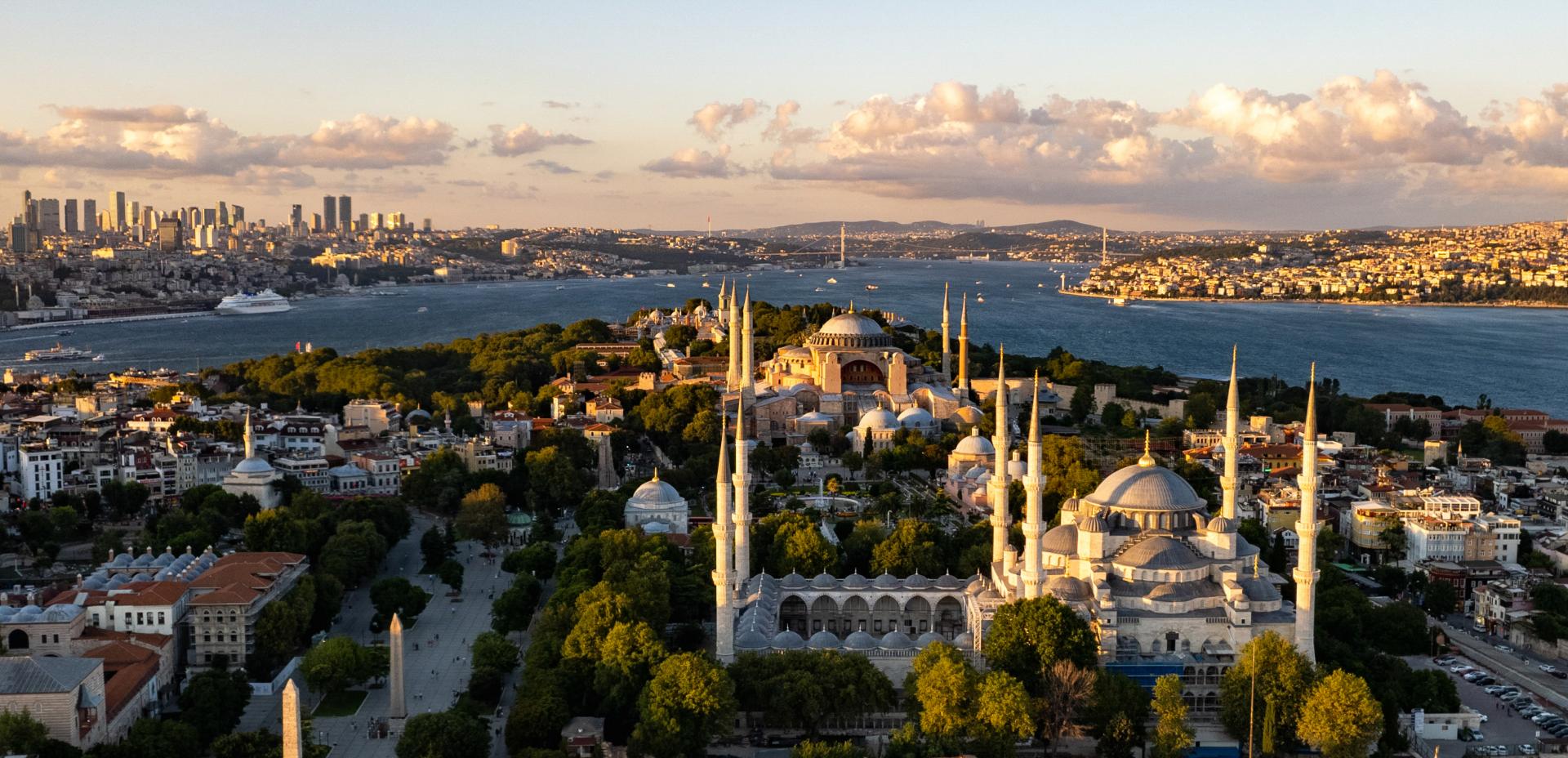
Istanbul's LGBTQ+ scene is Turkey's largest and, historically, the largest in the Islamic world. It's shrunk a lot since its peak in the early 2010s, but it hasn't disappeared. Beyoğlu—Cihangir, Galata, the streets behind İstiklal Caddesi—is still the main area for gay-friendly venues: bars, clubs, and mixed spaces that operate in a legal gray zone police tolerate until they don't.
Cihangir has a long-standing reputation as Istanbul's most LGBTQ+-tolerant neighborhood. It's a hillside district of crumbling Ottoman apartment buildings, independent cafes, artists, and liberals. It's never been a gay ghetto like Berlin or Soho, but it's where two men can walk together without incident and where bar staff are least likely to ask awkward questions.
The scene operates quietly. Venues don't have rainbow flags outside, no LGBTQ+ signs from the street, no advertising in mainstream media. Regulars know where to go. Visitors should check Grindr (it works without VPN), the Spartacus travel guide, or the SPoD organization's community resources before they arrive.
Izmir — Turkey's Most Liberal City
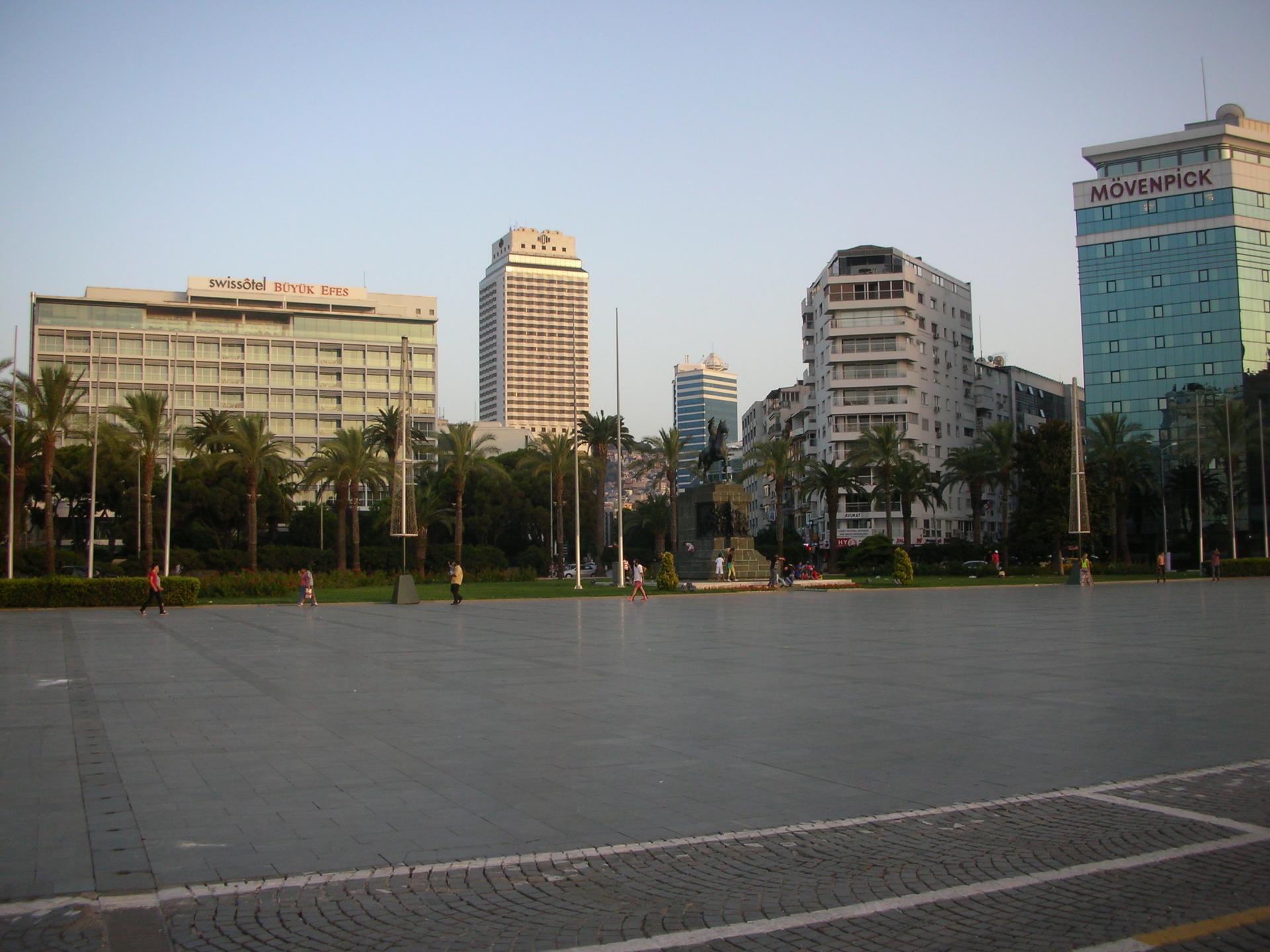
Izmir is Turkey's most consistently secular and liberal big city. This reputation comes from its history as a major Ottoman port with large Greek and Armenian communities, its closeness to the Aegean coast, and its political tradition of voting against the AKP when much of the rest of the country didn't. The Alsancak neighborhood has a small but established LGBTQ+-friendly bar scene. Izmir has held Pride events longer than most Turkish cities, though with increasing restrictions recently.
For international visitors, Izmir is a good alternative to Istanbul for LGBTQ+ travel. It's a smaller scene but, in some ways, a more comfortable social environment. The city also leads to the Aegean coast and archaeological sites (Ephesus is 80km south).
Ankara — Capital, Constraints
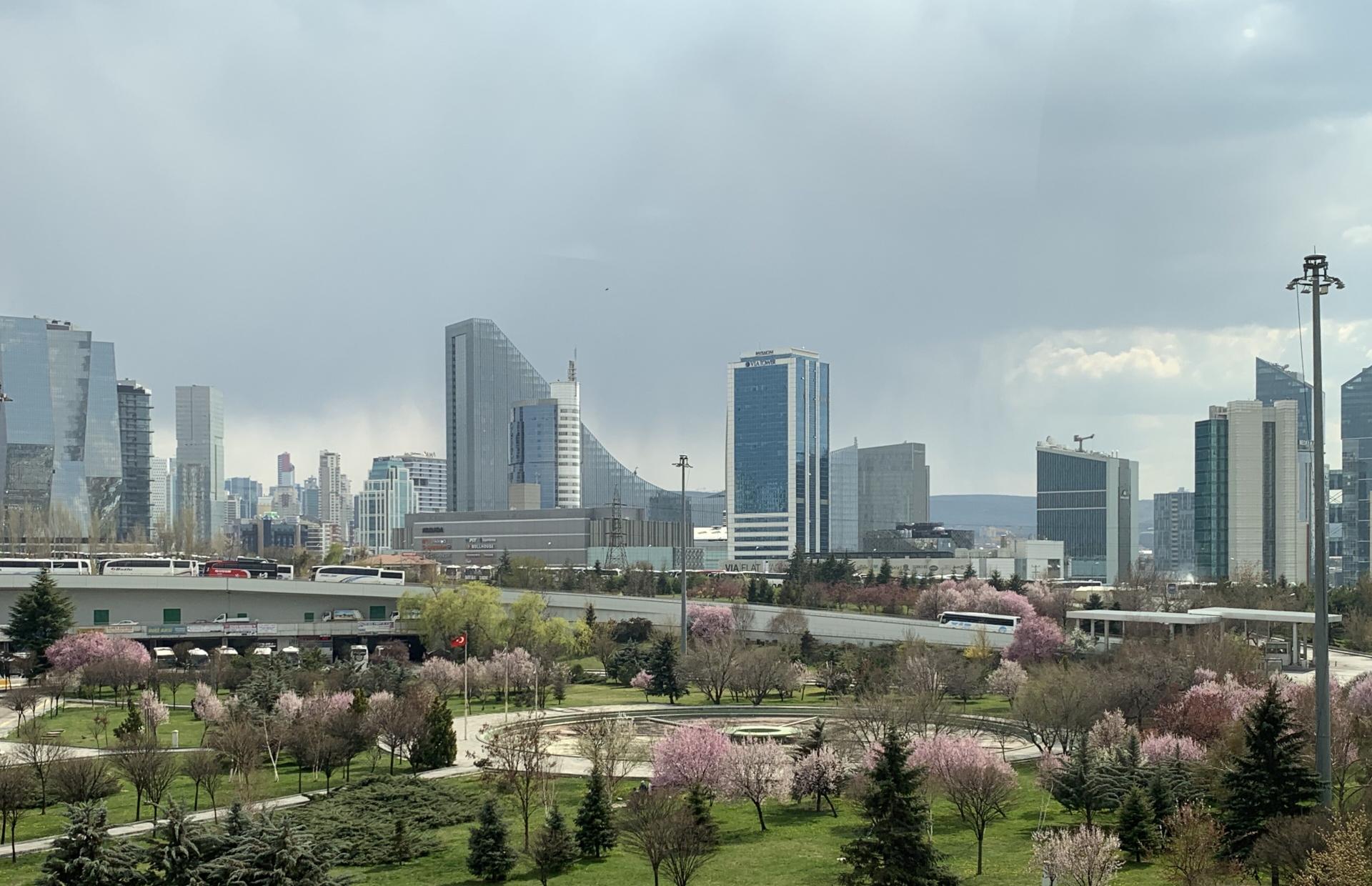
Ankara is Turkey's capital and administrative center, not its cultural capital. The LGBTQ+ scene shows it. The city is home to Kaos GL, one of Turkey's oldest and most important LGBTQ+ organizations (founded 1994). It's kept operating despite government pressure and produced Turkey's most important LGBTQ+ publication, Kaos GL magazine. The social scene itself is thin: a few gay-friendly bars in Kızılay and Çankaya, a discreet environment, and an NGO structure more developed than the visible scene suggests.
Legal Status — The Full Picture
Turkey's LGBTQ+ legal position in 2026:
- Same-sex activity: Technically legal (never criminalized). Age of consent enforcement is de facto unequal.
- Partnership recognition: None. No civil unions, no marriage, no legal framework for same-sex couples.
- Adoption: Prohibited for same-sex couples.
- Anti-discrimination: No protections covering sexual orientation or gender identity in employment, housing, or services.
- Gender recognition: Legally possible in theory; courts increasingly reject applications. Surgical requirements remain.
- Conversion therapy: Not banned.
- Pride events: Banned in Istanbul, Ankara, and most major cities. Police use force against attempts to gather.
- No public displays of affection between same-sex couples, outside venues known to be gay-friendly.
- Don't identify as LGBTQ+ when talking to police or officials.
- Don't participate in or photograph Pride attempts—arrests happen, and things can escalate fast.
- Know that tourist area tolerance doesn't extend everywhere. Smaller cities and inland areas are much more conservative.
- Grindr, Scruff, and other apps work without VPN. There's no Great Firewall in Turkey, though some websites are blocked.
Safety for International Visitors
Turkish authorities don't specifically target international visitors. Tourist areas in Istanbul (Sultanahmet, Beyoğlu, Galata) and beach resorts (Bodrum, Antalya, Marmaris) are generally tolerant in a functional sense. Tourism's economic importance creates a de facto tolerance for foreign visitors that local LGBTQ+ people don't get.
The practical safety rules are:
LGBTQ+ Organizations
SPoD (Sexual Orientation and Gender Identity Association) is Istanbul's main LGBTQ+ organization, founded in 2011. It community resources, legal support, mental health services, and political advocacy. SPoD has online resources for visitors in English. Kaos GL in Ankara is Turkey's oldest LGBTQ+ organization (1994), with a strong publication program and legal support. Both organizations keep operating despite government pressure.
Getting Around Turkey
Istanbul is the hub. Istanbul Airport (IST) and Sabiha Gökçen Airport (SAW, on the Asian side) handle international flights. Istanbul has a great public transport network (metro, tram, ferry). The gay-friendly Beyoğlu district is reachable from Taksim Square (Metro M2) or by tram across the Galata Bridge. High-speed trains connect Istanbul to Ankara (4.5 hours). Izmir has its own international airport (ADB) and is 550km south of Istanbul by road.
Turkey in 2026 isn't a gay-hostile destination in terms of active danger for most international visitors. But it's a country where the gap between formal legality and social reality is very wide. State hostility is explicit and government-sanctioned. The LGBTQ+ community has watched its rights and visibility shrink significantly over the last decade. Visit with open eyes, appropriate discretion, and support for the local organizations fighting for change.