Same-sex activity has never been explicitly criminalised in modern Turkey — the Ottoman Penal Code of 1858 removed the criminal prohibition that existed under earlier Islamic law, and the Turkish Republic inherited this position. In formal legal terms, same-sex activity between adults is not illegal. In practice, police routinely invoke public morality, public order and obscenity statutes against LGBTQ+ people and gatherings. Istanbul Pride, once the largest Pride event in a Muslim-majority…
⚠️ MODERATE RISK — Same-sex acts are legal in Turkey but Pride has been banned since 2015 and political rhetoric has worsened. The Istanbul scene exists but operates discreetly.
⚠️ MODERATE RISK — Same-sex acts are legal in Turkey but Pride has been banned since 2015 and political rhetoric has worsened. The Istanbul scene exists but operates discreetly.
Turkey's legal framework is complex. There is no explicit criminal statute banning same-sex relationships at the national level—a legacy of Ottoman-era decriminalisation that predates most Western nations. However, sexual abuse laws have been selectively applied to prosecute same-sex conduct, and a 2005 court ruling effectively allowed discrimination on sexual orientation grounds. More significantly, Turkey's legal system excludes same-sex couples from marriage, adoption, hospital visitation rights, and survivor benefits. Military service restrictions based on sexual orientation remain in place.
What has changed in recent years is enforcement atmosphere. The government under President Erdoğan has adopted increasingly socially conservative policies. Anti-LGBTQ+ rhetoric from officials has increased. In 2015, authorities banned Pride marches in Istanbul, citing security concerns—a ban that has held and expanded. Police have been documented dispersing LGBTQ+ gatherings. In 2020, a court upheld the right of employers to discriminate based on sexual orientation. Hate crimes against LGBTQ+ individuals occur without consistent prosecution.
Same-sex activity between consenting adults is not itself a crime in Turkey, and there is no statute under which it can be prosecuted—the age of consent is equal at 18. The real-world risk for travellers is therefore not prosecution for who you are, but police harassment, detention for questioning, extortion, or blackmail—sometimes dressed up as vague "public indecency" or "public order" charges. Documented cases of police stopping individuals on dating apps, demanding bribes, or threatening legal action exist, though tourists are generally lower-risk targets than locals.
PRACTICAL SAFETY
Dating apps require careful consideration. Grindr, Scruff, and similar applications are used in Istanbul, but users should be aware that law enforcement has infiltrated these platforms. Profiles with location services enabled can be monitored. Catfishing by police or blackmailers is documented. Using VPNs provides some protection, but no method is entirely secure. Meeting strangers carries elevated risk beyond typical travel safety concerns.
Public displays of affection are unsafe. Holding hands, kissing, or any physical contact that reads as romantic will draw stares, verbal harassment, and possible police intervention in public spaces. This applies to couples of any gender composition if same-sex identity is apparent. Discretion is not optional—it is essential.
Where to Stay
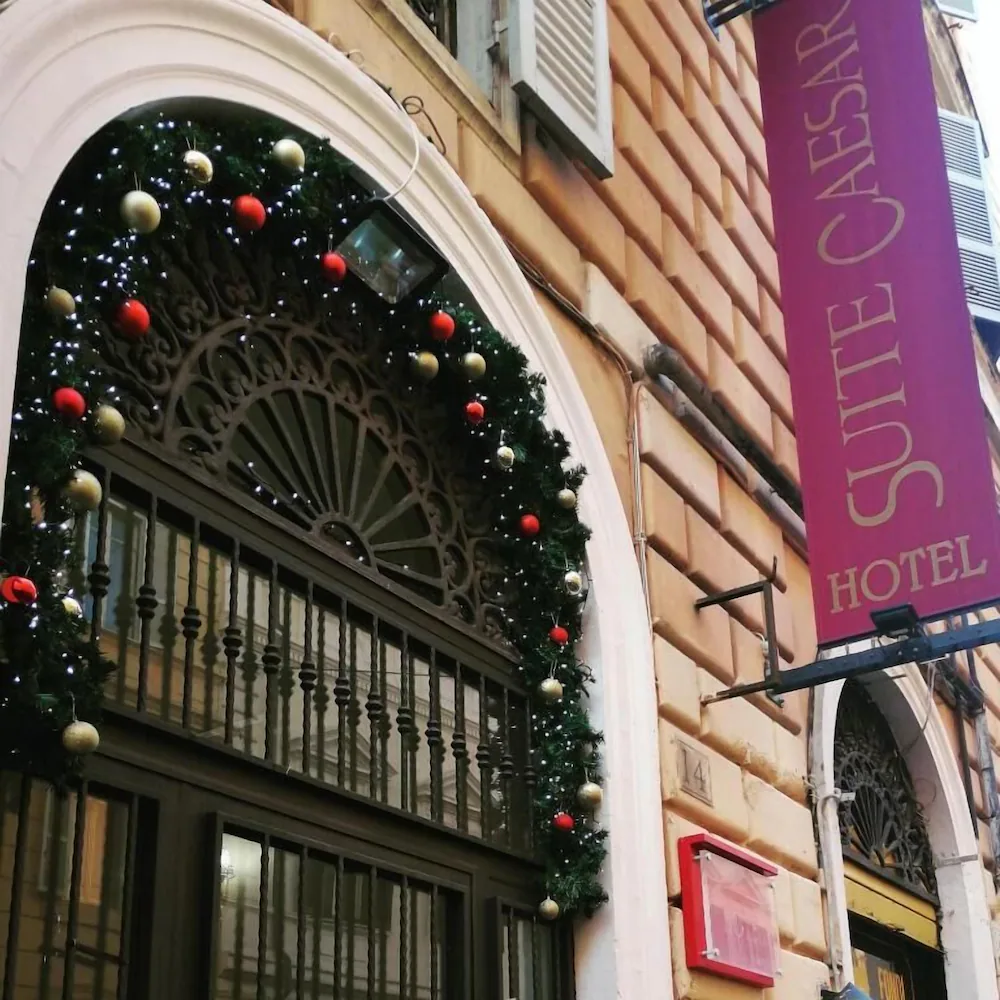
Accommodation matters significantly. International hotel chains (Hilton, Marriott, Four Seasons, etc.) operate under international standards and will not refuse rooms to same-sex couples or question shared-bed bookings. Staff are trained to treat all guests equally. Budget guesthouses, family-run hotels, and Airbnb hosts in conservative neighborhoods may refuse bookings if they suspect same-sex intent, or may accept the booking but express hostility upon arrival. When booking, use the hotel's official website rather than third-party sites, and if uncertain, contact the hotel directly to confirm. Mid-range international hotels are generally safe.
Transport and public spaces: Istanbul's public transport (metro, trams, ferries) is used without issue by LGBTQ+ travellers who are not displaying affection. Avoid isolated areas at night. Police checkpoints do occur; carry your passport and travel documents. Do not engage in confrontation if stopped.
Visa and documentation: Entering Turkey as a tourist is straightforward. There are no immigration questions about sexual orientation or relationship status. A same-sex couple can enter as tourists and book a shared room without legal complication.
Istanbul has the most developed LGBTQ+ nightlife in Turkey, concentrated in the Beyoğlu district around Taksim and İstiklal Caddesi—especially the side streets Sıraselviler Caddesi and Mis Sokak, and the bohemian quarter of Cihangir. These venues are real and long-running, but they keep a low profile: signage is discreet, entrances are often on upper floors, and none advertise openly on the street. Alongside the bars and clubs are a handful of gay saunas and gay-frequented hamams. Here is how the scene actually works:
International expat spaces: Hotels in central areas (Beyoğlu, Taksim, Galata) that cater to international clientele have bars and lounges frequented by mixed groups, including LGBTQ+ expats and travellers. These are not "gay bars"—they are mainstream venues where the clientele is cosmopolitan and mixed-gender groups, including same-sex couples, are unremarkable. Staff at international-standard hotels typically do not monitor or judge guest socialising in hotel bars or lounges. Discretion is still important (no explicit displays), but the environment is more permissive than street-level Istanbul.
Private gatherings: Much socialising happens in private apartments and homes through friend networks. Tourists can access this through friend-of-a-friend introductions, online communities (international Facebook groups, Couchsurfing, Meetup), or through hostels that attract international younger travellers. These gatherings are generally safe and social.
Expat communities: Istanbul has significant expat populations from Europe, North America, and other countries. Expat networking groups, language exchange meetups, and international co-working spaces often include LGBTQ+ individuals. These communities are more openly accepting than Turkish society broadly.
Online communities: Facebook groups for LGBTQ+ travellers, international dating apps with discretion modes, and expat forums exist—but use caution with apps and verify security.
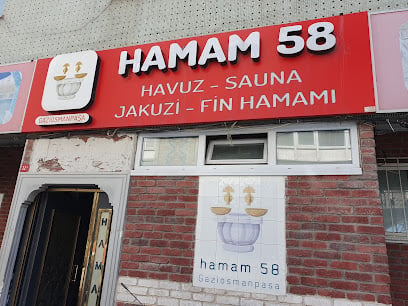
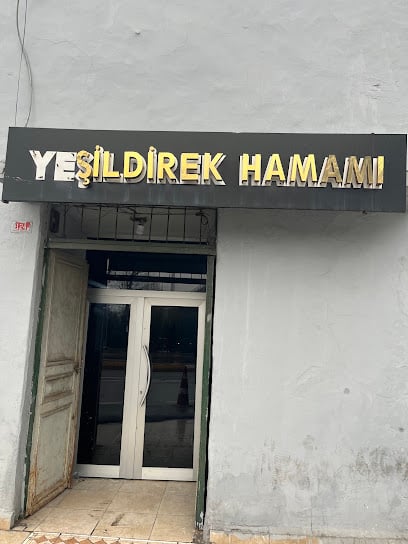
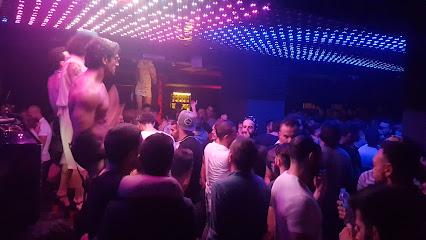
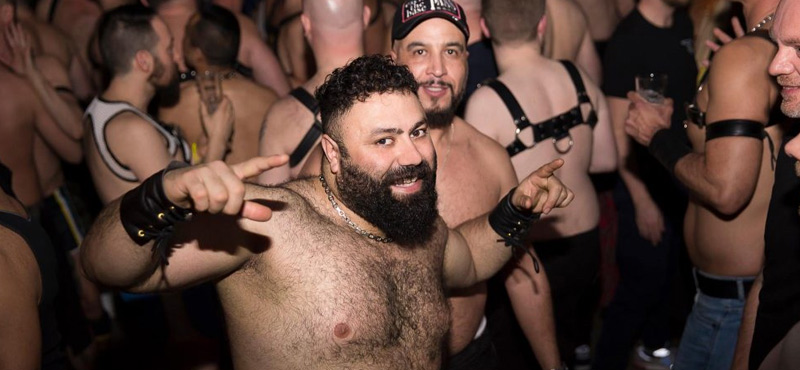
Gay bars and clubs: Istanbul does have dedicated gay venues, almost all in Beyoğlu. The best known is Tek Yön on Sıraselviler Caddesi, the city's largest gay club, alongside Love Dance Point in Harbiye, Super Fabric in Elmadağ and the relocated X-Large. Bigudi is Turkey's first lesbian and women's club. Smaller bars and cafés—EXbar, Cafe Mor Kedi, Pinokyo, Chaplin, Stay Club and the late-night darkroom club Cheeky—cluster around the same streets. For bathhouse culture, Aquarius Sauna and Cihangir Sauna are dedicated gay saunas, while Firuzağa and Yeşildirek are gay-frequented hamams. All keep a low profile, and venues in Istanbul open, move and rebrand frequently under pressure—check current opening nights before heading out.
MAINSTREAM TRAVEL HIGHLIGHTS
Istanbul's appeal is immense and independent of LGBTQ+ concerns. The Hagia Sophia (Ayasofya), originally a Byzantine church and later a mosque, is architecturally extraordinary and worth several hours. The Blue Mosque, Topkapi Palace, and the underground Basilica Cistern are essential historical sites in the Sultanahmet district. The Grand Bazaar is one of the world's oldest covered markets—chaotic, intense, and culturally significant. Galata Tower offers panoramic views and is accessible by foot via the historic Galata Bridge.
Food & Drink
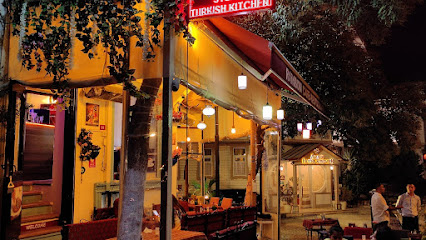
Food is exceptional. Istanbul's restaurant scene ranges from street kebab to high-end Ottoman cuisine. Eating at a local meyhane (tavern) is an authentic experience. Fish restaurants along the Bosporus are popular for dinner. Tea culture is woven into daily life—sitting at a café with Turkish tea and watching the city is a legitimate activity.
Cultural sites: The Chora Church (Kariye Mosque) has stunning Byzantine mosaics. The Dolmabahçe Palace is a 19th-century Ottoman palace with lavish interiors. Museums include the Istanbul Archaeological Museum and the Museum of Turkish and Islamic Arts.
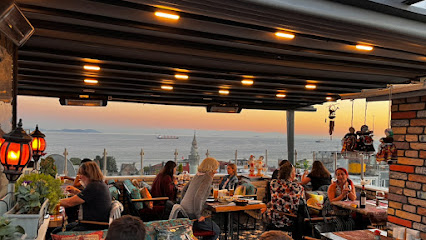
Nightlife: Beyond LGBTQ+ considerations, Istanbul has a dynamic nightlife. Beyoğlu's Istiklal Street is packed with bars and restaurants. Rooftop bars with Bosporus views are popular. Clubs range from Turkish pop venues to international DJ sets. Many draw mixed crowds and are tourist-friendly.
Bosphorus activities: A Bosporus cruise at sunset is iconic. The Asian side (Üsküdar, Kadıköy) is less touristy and worth exploration.
International chains (Four Seasons, Hilton, Marriott, Accor properties): Safe, professional, no discrimination issues. More expensive. Concentrated in central areas (Taksim, Galata, Sultanahmet).
Boutique hotels with international management: Mid-range, generally safe if marketing themselves toward international tourists. Read reviews carefully.
Hostels: Many international hostels in Sultanahmet and Beyoğlu are LGBTQ+-friendly, especially those marketed toward backpackers. Staff tend to be younger and more cosmopolitan. Mixed dorms are standard; private rooms available. These are socially safer spaces for meeting other travellers.
Budget guesthouses and family-run hotels: High risk of refusal or hostility. Avoid if possible, unless specifically recommended by other LGBTQ+ travellers.
Airbnb: Highly variable. Read host reviews carefully. Some hosts are welcoming; others will cancel or express displeasure. Booking entire apartments (not rooms in someone's home) is safer than room rentals, as it provides privacy and avoids cohabitation with potentially hostile hosts.
Neighbourhoods: Beyoğlu and Galata are more cosmopolitan and touristy; accommodation here is generally more LGBTQ+-friendly. Sultanahmet is historic and also well-tourismed. The Asian side (Kadıköy) is trendier and younger, with a more liberal vibe, though fewer international hotels. Avoid very conservative or working-class neighbourhoods.
WHO SHOULD VISIT, WHO SHOULD NOT
Istanbul is manageable for LGBTQ+ travellers who meet specific criteria:
Consider visiting if you:
- Are comfortable with discretion and can avoid public displays of affection
- Are interested in history, culture, food, and architecture primarily
- Are staying at international hotels or vetted accommodations
- Do not require visible LGBTQ+ community spaces or nightlife
- Are resilient and able to navigate a socially conservative environment
- Are not seeking romance or sexual adventure—the risks are real
- Are visiting as part of a short trip and not seeking deep local connections
- Have experience travelling in restrictive countries
Should reconsider if you:
- Are visibly gender non-conforming or are a trans traveller (risks are heightened; research extensively first)
- Require active LGBTQ+ nightlife and community spaces
- Cannot comfortably hide your identity in public
- Are travelling with a same-sex partner and want to behave as a couple openly
- Are seeking to explore your identity in a supportive environment
- Have limited flexibility around discretion
- Are politically motivated to challenge local norms
For trans travellers: Legal recognition and documentation are extremely difficult in Turkey. Discrimination is severe. Medical care may be inaccessible. Visa and security issues could arise if documentation does not match appearance. Trans travellers should carefully consider whether visiting is safe and worthwhile.
FINAL ADVISORY
Istanbul is a magnificent city that LGBTQ+ travellers can visit—but it requires clear eyes about the reality. The city itself is more cosmopolitan than rural Turkey, and international tourist spaces are generally permissive. But the country's legal framework is discriminatory, social attitudes are mixed, and enforcement can be arbitrary. A holiday here is possible, but it is not a place for openly living as your authentic self. Discretion, caution, and realistic expectations are essential. Couples should research their accommodation thoroughly. Travellers should avoid apps and situations that increase risk. The appeal of Istanbul—its history, beauty, and energy—can be fully experienced without needing to explore LGBTQ+ venues or nightlife.
Your privacy choices.
We use cookies to run GayOut and, with your consent, measure usage. Learn more
Your privacy choices
We use cookies to keep GayOut running, remember your preferences, and (with your permission) measure how the site is used. You can accept all, reject all, or pick what you allow. Learn more
Essential
Required for sign-in, fraud prevention, CSRF protection and remembering your language. Cannot be disabled.
Always on
Remembers your favourites, dark mode and other interface preferences across visits.
Helps us understand which pages people visit (Google Analytics, server-side stats) so we can improve.
Used by campaign tracking pixels. None are active right now, reserved for future use.
Install GayOut
Add GayOut to your home screen for faster access, offline favourites, and Pride alerts.





 Gay-Friendly Bars & Clubs
Featured
(812)
Gay-Friendly Bars & Clubs
Featured
(812)