




Trieste: Europe's Most Distinctive Border City
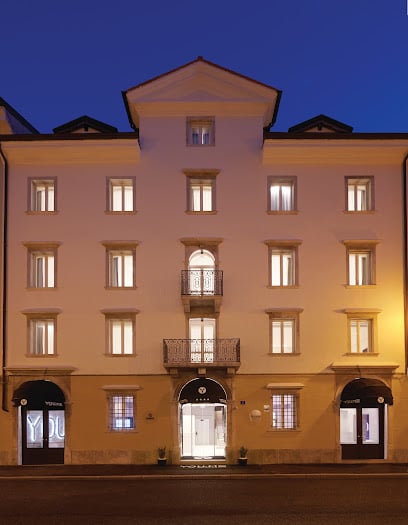
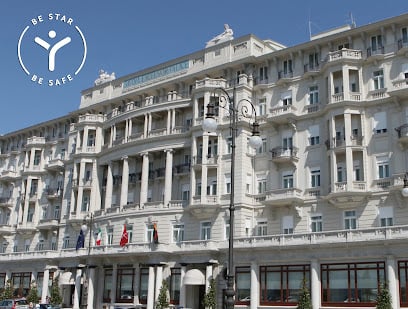
Trieste isn't like other Italian cities. This former Habsburg port sits on the Adriatic, right on the Slovenian border. It feels more like Vienna or Prague than Rome. Its café culture is Central European, its architecture fin-de-siècle Habsburg. And the literary tradition is huge: Joyce wrote most of Ulysses here while teaching English; Svevo, Saba, and Rilke all spent important time in the city. That's an intellectual density you don't often find in a city of 205,000.
The gay scene here is small. Ristoro Antico in the historic center is the main LGBTQ+-welcoming spot; Fuori Orario runs the club nights and community events. Trieste Pride on June 27, 2026, finishes at Piazza Unità d'Italia—that's one of Europe's most dramatic seaside squares. But for LGBTQ+ visitors, Trieste's appeal isn't so much about the scene. It's the city itself: the bora wind off the Adriatic, those Viennese-style cafes, Joyce's ghost on every corner. Plus, centuries of multicultural port life have shaped a social atmosphere here that feels quietly tolerant, maybe more so than the louder, explicitly progressive cities up north.
