Italy is a safe and welcoming destination for LGBTQ+ travellers. Same-sex activity has been legal since 1890 and civil unions were introduced in 2016 (the Cirinna law), though marriage and joint adoption are not yet available. Rome, Milan and Bologna have visible gay scenes, and coastal resorts like Rimini, Gallipoli and Torre del Lago are popular in summer. Public affection is generally fine in cities and resorts; discretion is wise in smaller, more conservative rural areas.
Florence's main gay dance club near Santa Croce. Two dance floors, bar area, darkroom and cruise section. More underground than Tabasco, attracts a more local crowd.
Gay-friendly cocktail bar in the Oltrarno neighbourhood. Relaxed atmosphere, good cocktails, mixed crowd. Popular with creative-class Florentines and international visitors staying south of the Arno.
Gay-friendly cocktail bar in the Oltrarno neighbourhood. Relaxed atmosphere, good cocktails, mixed crowd. Popular with creative-class Florentines and international visitors staying south of the Arno.
Florence's largest park along the Arno and the city's primary outdoor cruising area, particularly active in the eastern section near the Piazzale delle Cascine tram stop.
Gay-friendly cocktail bar in the Oltrarno neighbourhood. Relaxed atmosphere, good cocktails, mixed crowd. Popular with creative-class Florentines and international visitors staying south of the Arno.
Gay-friendly cocktail bar in the Oltrarno neighbourhood. Relaxed atmosphere, good cocktails, mixed crowd. Popular with creative-class Florentines and international visitors staying south of the Arno.
Gay-friendly cocktail bar in the Oltrarno neighbourhood. Relaxed atmosphere, good cocktails, mixed crowd. Popular with creative-class Florentines and international visitors staying south of the Arno.
Florence's queer history is nuanced. While the Renaissance fostered an environment where artistic expression and personal lives often blurred modern definitions of sexuality, a visible, organized LGBTQ+ scene is a more recent development. Italy decriminalized homosexuality in 1890, early for Europe, but social acceptance evolved gradually. Contemporary gay life in Florence took shape from the 1980s onward and remains more intimate than the bigger scenes of Milan or Rome, woven into the city's cultural rather than commercial nightlife.
Gay Neighborhoods and Where to Stay
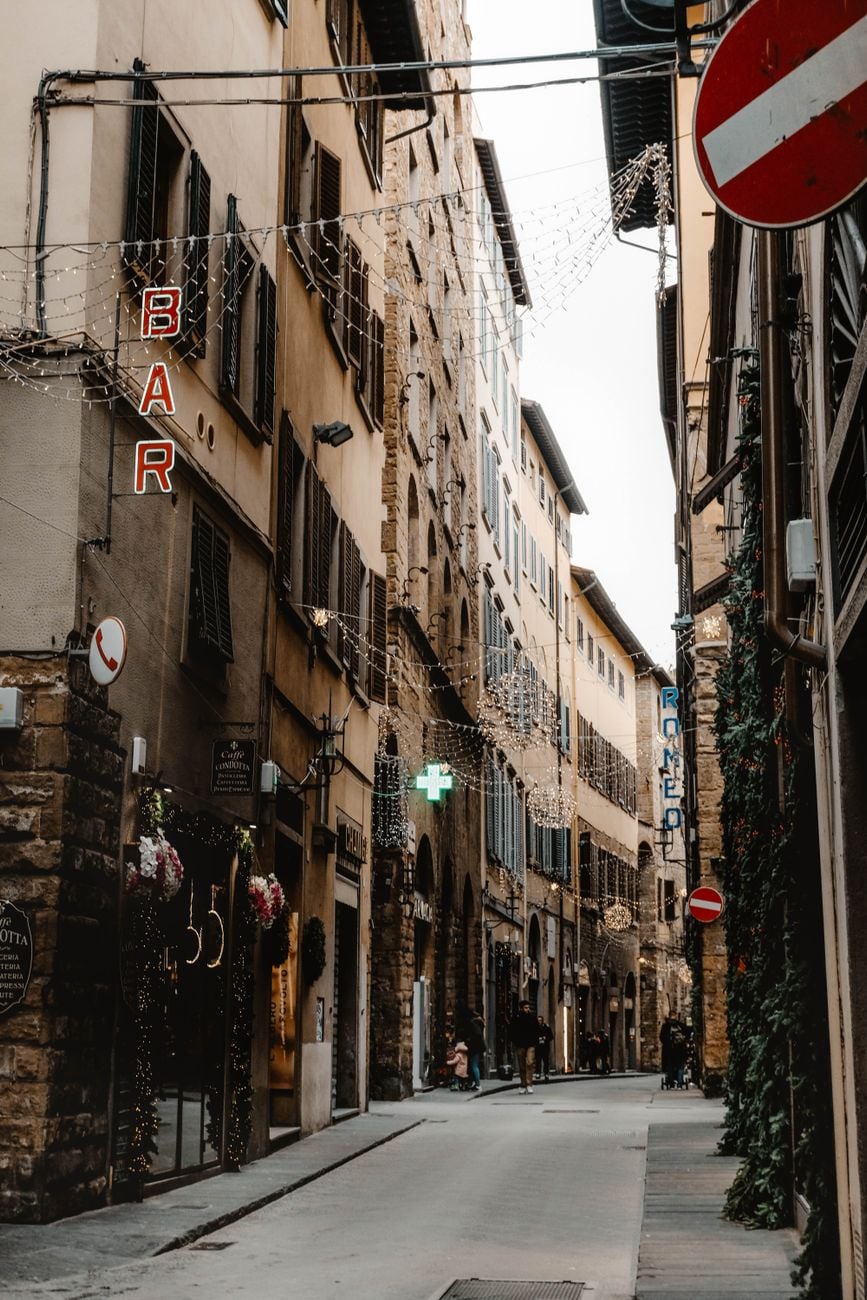
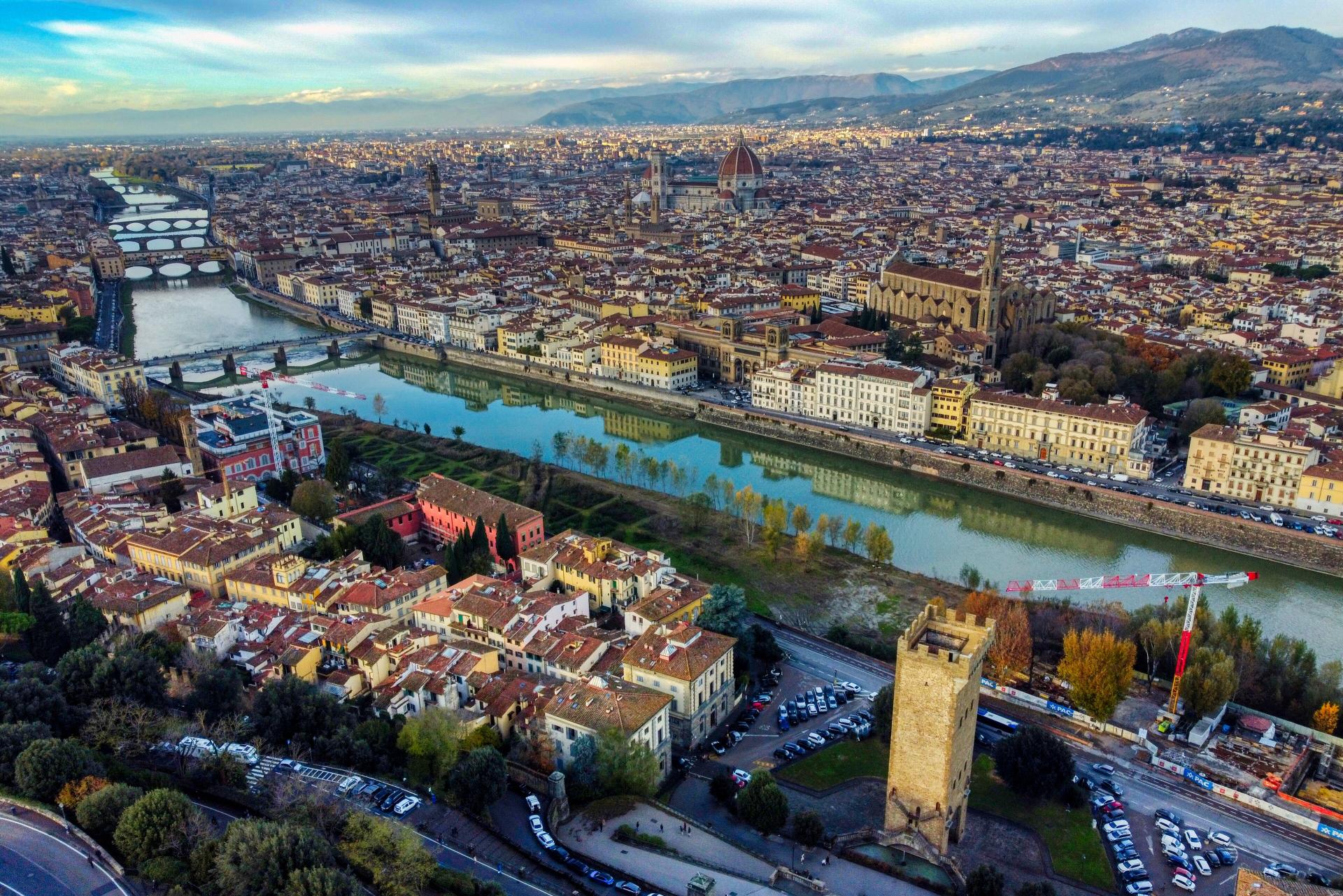
There is no single "gayborhood" in Florence, but two areas matter most. Santa Croce, on the north bank around Borgo Santa Croce and Borgo Allegri, is where the city's dedicated gay bars cluster. Oltrarno, south of the Arno and taking in Santo Spirito and San Frediano, is the bohemian, arts-driven quarter where much of organized queer life is based, including the community centre IREOS on Via de' Serragli. Both are walkable, and many LGBTQ+ travelers choose small independent hotels and guesthouses in these areas for their character.
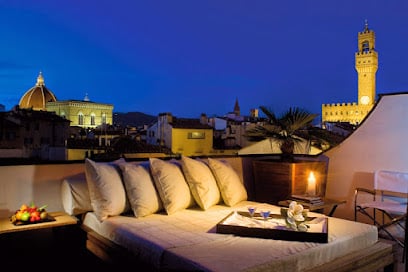
The central north bank around the Duomo, Uffizi and Ponte Vecchio is more touristy but welcoming, with convenient (if pricier) hotels. Santa Maria Novella, west of the centre, offers good transport links and fewer crowds.
Florence's dedicated gay nightlife is small but real. Piccolo Café, open on Borgo Santa Croce since 1994, is the city's historic gay bar and its most reliable community meeting point, hosting occasional drag and art shows. Queer, on Borgo Allegri, is a friendly younger LGBTQ+ bar with karaoke and drag nights. Crisco, just off the Duomo on Via Sant'Egidio, is Florence's long-running men's gay club, credited with one of Italy's first dark rooms; it runs as a men-only cruise bar midweek and opens up to a mixed dance crowd at weekends. For a members' cruise and fetish club, Circolo Fabrik is an ARCI gay circolo in Calenzano, about 15 km north of the centre, with a bar, cabins, darkroom and garden.
Note that Tabasco, long known as Italy's first gay disco on Piazza Santa Cecilia, has effectively left the gay scene and closed as a gay venue. Several stylish central bars such as Pink Street Club, Viktoria Lounge and Twist Bistrot are gay-friendly and popular with LGBTQ+ visitors without being exclusively gay. Piazza Santo Spirito in the Oltrarno is a lively mixed spot for cafe and aperitivo culture in warmer months.
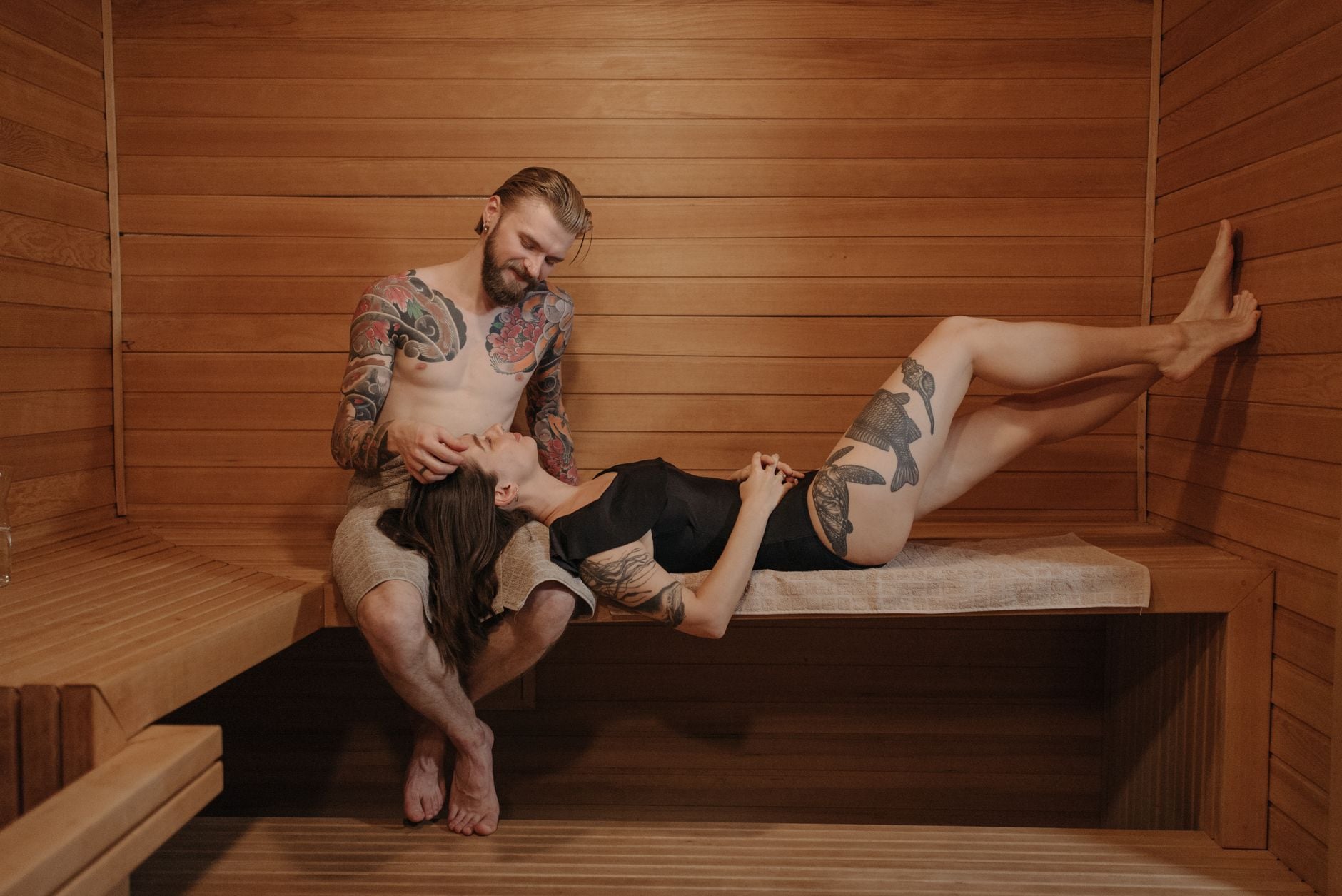
Florence Baths, on Via Guelfa near the station, is the city's only dedicated gay sauna. Operating since the early 1990s, it has a Finnish sauna, Turkish bath, whirlpool, relaxation areas and an outdoor cruising garden. For outdoor cruising, Parco delle Cascine, the large riverside park west of the centre, is the long-established spot, busiest after dark near the "Piramide" and along the wooded paths toward the Arno. As with any public area, discretion and personal safety matter, especially at night.
Florence does not hold a standalone annual Pride. Instead it takes part in Toscana Pride, the regional march that rotates each year among Tuscan cities; Florence hosted the first edition in 2016 and again in July 2023, while the 2026 edition was held in Grosseto. Local associations Arcigay Firenze, Azione Gay e Lesbica and IREOS help organize it. The city's own recurring queer highlight is the Florence Queer Festival, an international LGBTQIA+ film and arts festival run by IREOS each November at Cinema La Compagnia.
LGBTQ+ Organizations
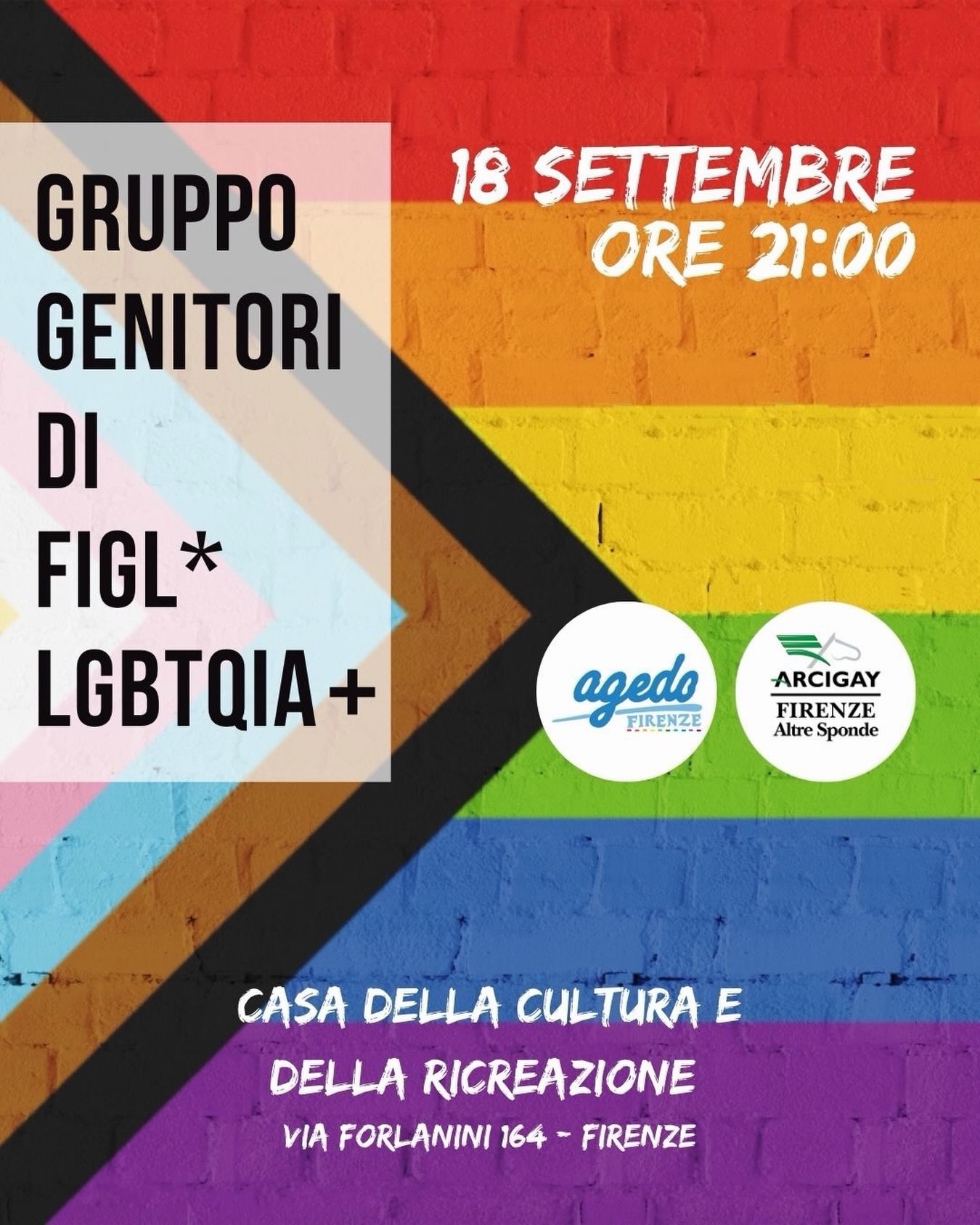
IREOS, the self-managed queer community centre founded in 1997 in the Oltrarno, is the hub of local LGBTQ+ life, offering free anonymous HIV testing, support groups and cultural programming. Arcigay Firenze "Altre Sponde" is the local chapter of Italy's largest national LGBTQ+ association, while Azione Gay e Lesbica, active since 1989, runs a documentation centre and anti-discrimination help desk. All three are good first contacts for information and community events.
Practical Information and Transportation
Florence is compact and highly walkable; most attractions, restaurants and gay venues sit within a 20-30 minute walk, supported by trams and buses. The main station, Firenze Santa Maria Novella, links Florence to Rome and Milan in a few hours by high-speed train, and many travelers include the city as part of a wider Italian trip.
Safety and Social Attitudes
Florence is generally very safe, with petty theft the main concern rather than anti-LGBTQ+ incidents. It is a cosmopolitan city where same-sex couples showing affection in central areas and Oltrarno is unremarkable. Italy recognizes same-sex civil unions (since 2016) though not marriage, and Florence is among the country's more welcoming cities.
Food, Day Trips and When to Visit
Florence is a culinary destination, with excellent trattorias and cafes across Oltrarno and the centre; aperitivo culture is central to local social life. The Tuscan countryside, including Siena, Pisa, Lucca and the Chianti wine region, makes for easy day trips. For gay nightlife beyond the city, the summer clubbing coast around Torre del Lago (about 90 km west, near Viareggio) is home to the famous Mamamia disco. Spring (April-May) and early autumn (September-October) offer the best weather and thinner crowds; summer is hot and busy.
Frequently asked questions
Florence has a genuine LGBTQ+ community integrated into the broader cultural scene. While it doesn't have designated gay quarters, gay-friendly bars and establishments are present, particularly in the historic center.
The historic center, especially around Piazza della Signoria and along the Lungarno, is recommended. Many guesthouses and boutique hotels in these areas are openly welcoming to same-sex couples.
Florence's gay nightlife is small but real and very central. The dedicated venues are Piccolo Cafe (the historic gay bar, open since 1994 in Santa Croce), Queer (a younger LGBTQ+ bar on Borgo Allegri) and Crisco (the men's gay club with a dark room, near the Duomo). For a men's cruise and fetish club there is Circolo Fabrik in Calenzano, about 15 km north. Several central bars such as Pink Street Club, Viktoria Lounge and Twist Bistrot are gay-friendly. Nightlife is low-key compared with Milan or Rome.
There is no single gayborhood. The dedicated gay bars cluster in Santa Croce around Borgo Santa Croce and Borgo Allegri on the north bank, while the Oltrarno south of the Arno (Santo Spirito and San Frediano) is the bohemian, arts-focused quarter and home to the IREOS community centre. Both are central and walkable.
Florence does not hold its own standalone Pride. It takes part in Toscana Pride, the regional march that rotates each year among Tuscan cities; Florence hosted it in 2016 and again in July 2023, and the 2026 edition was in Grosseto. The city's own recurring queer event is the Florence Queer Festival, an LGBTQIA+ film and arts festival held each November at Cinema La Compagnia by the community centre IREOS.
Yes. Piccolo Cafe on Borgo Santa Croce is the historic gay bar (since 1994). Queer on Borgo Allegri is a friendly younger bar. Crisco near the Duomo is the men's gay club with a dark room. Circolo Fabrik in Calenzano is a members' cruise club. Florence Baths on Via Guelfa is the only gay sauna. Note that Tabasco, once Italy's first gay disco, has left the gay scene.
Your privacy choices.
We use cookies to run GayOut and, with your consent, measure usage. Learn more
Your privacy choices
We use cookies to keep GayOut running, remember your preferences, and (with your permission) measure how the site is used. You can accept all, reject all, or pick what you allow. Learn more
Essential
Required for sign-in, fraud prevention, CSRF protection and remembering your language. Cannot be disabled.
Always on
Remembers your favourites, dark mode and other interface preferences across visits.
Helps us understand which pages people visit (Google Analytics, server-side stats) so we can improve.
Used by campaign tracking pixels. None are active right now, reserved for future use.
Install GayOut
Add GayOut to your home screen for faster access, offline favourites, and Pride alerts.








 Gay Bars & Clubs
Featured
(139)
Gay Bars & Clubs
Featured
(139)