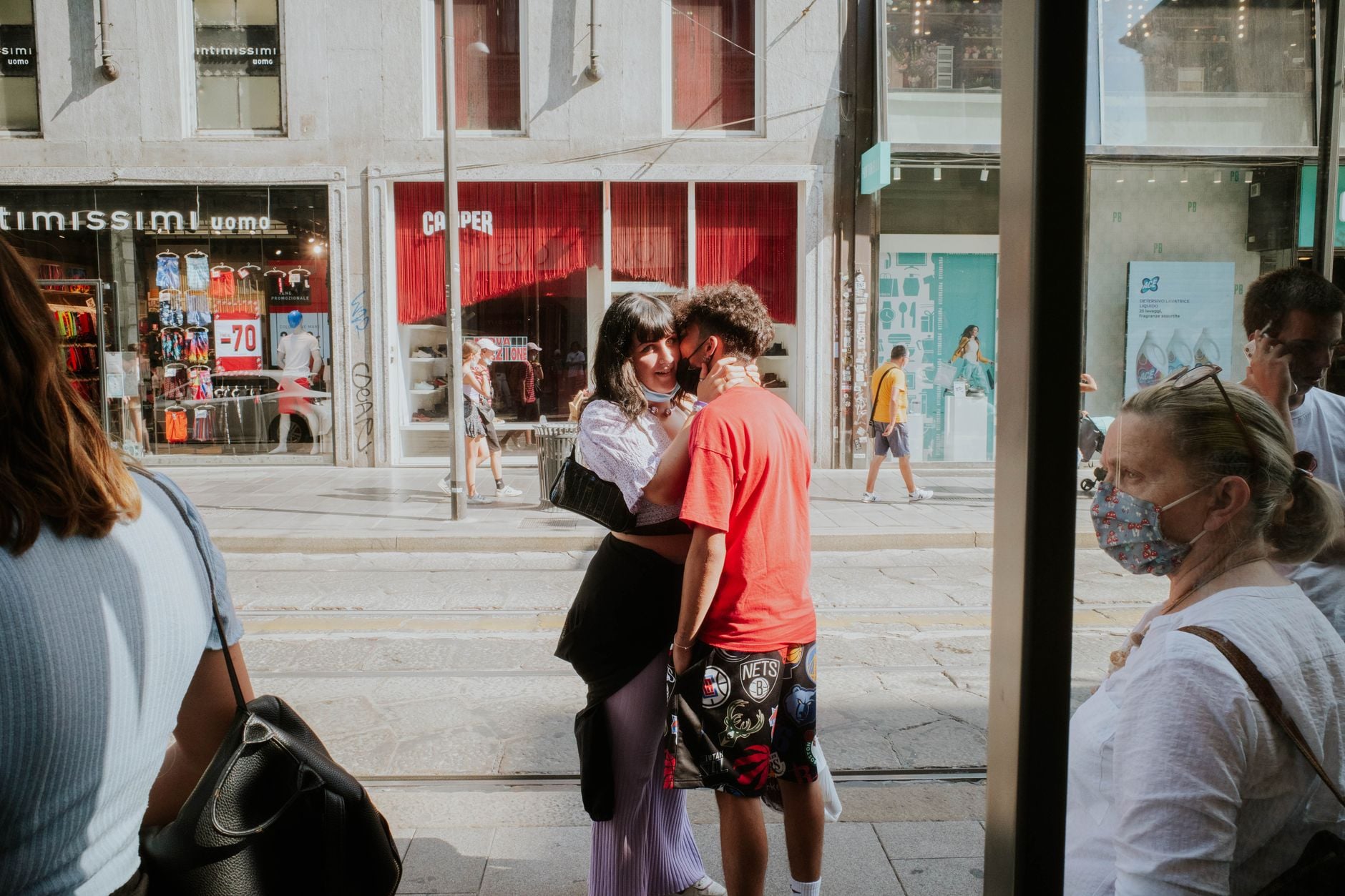
Italy is a safe and welcoming destination for LGBTQ+ travellers. Same-sex activity has been legal since 1890 and civil unions were introduced in 2016 (the Cirinna law), though marriage and joint adoption are not yet available. Rome, Milan and Bologna have visible gay scenes, and coastal resorts like Rimini, Gallipoli and Torre del Lago are popular in summer. Public affection is generally fine in cities and resorts; discretion is wise in smaller, more conservative rural areas.
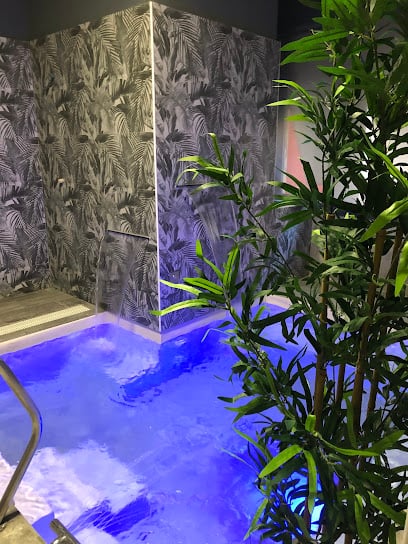
If you're looking for a relaxed sauna experience - this is the place for you! Here you can find a swimming pool, terrace, Turkish bath, dry sauna, jacuzzi, dark room and bar.
Milan has long been one of Italy's most open cities for LGBTQ+ life, its fashion, design and media industries creating spaces of relative freedom earlier than most of the country. Today it offers the most rounded gay scene in Italy: a walkable gay village, the deepest sauna and cruise-club circuit in the country, a large June Pride and a busy cultural calendar. Italy as a whole remains more conservative on legal protections, with civil unions since 2016 but no marriage equality or comprehensive anti-discrimination law, yet Milan itself feels progressive and cosmopolitan.
Porta Venezia, the Gay Village
The heart of gay Milan is Porta Venezia, specifically Via Lecco and the streets around it, Via Alessandro Tadino and Via Panfilo Castaldi, just off the shopping strip of Corso Buenos Aires. This is Milan's gay village: a dense, walkable cluster of bars and cafes that spill onto the pavement, run late and form the centre of Pride Week. It is not a segregated enclave but a mixed, lively neighbourhood popular with young Milanese, students and LGBTQ+ visitors alike.
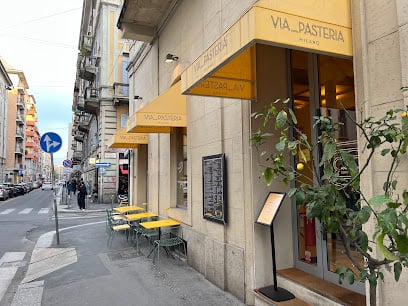
The night here starts over drinks, not on a dance floor. Between roughly 7 and 9:30pm the bars run the classic Milanese aperitivo: order a Negroni or Spritz and it comes with a buffet or a generous plate of snacks included in the price. It is an unhurried, highly social street scene, and the natural place to meet before the night moves on to the clubs and saunas.
Bars and Nightlife
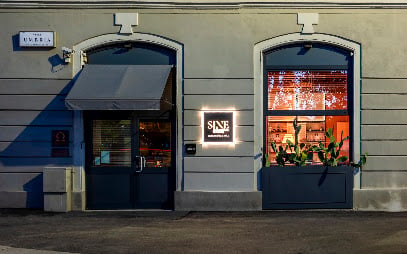
Leccomilano and Mono are among the longest-running bars on Via Lecco, joined by Red Cafe on the same corner and, a few steps away, Pop (a queer, feminist-leaning cocktail bar on Via Tadino), Sui Generis and Mema Cafe. Lola on Via Tadino is known for drag, and Don't Tell Mama brought Milan its first dedicated drag bar. Euforia, just off the village at Piazzale Lavater, mixes dinner and aperitivo with go-go and cabaret nights.
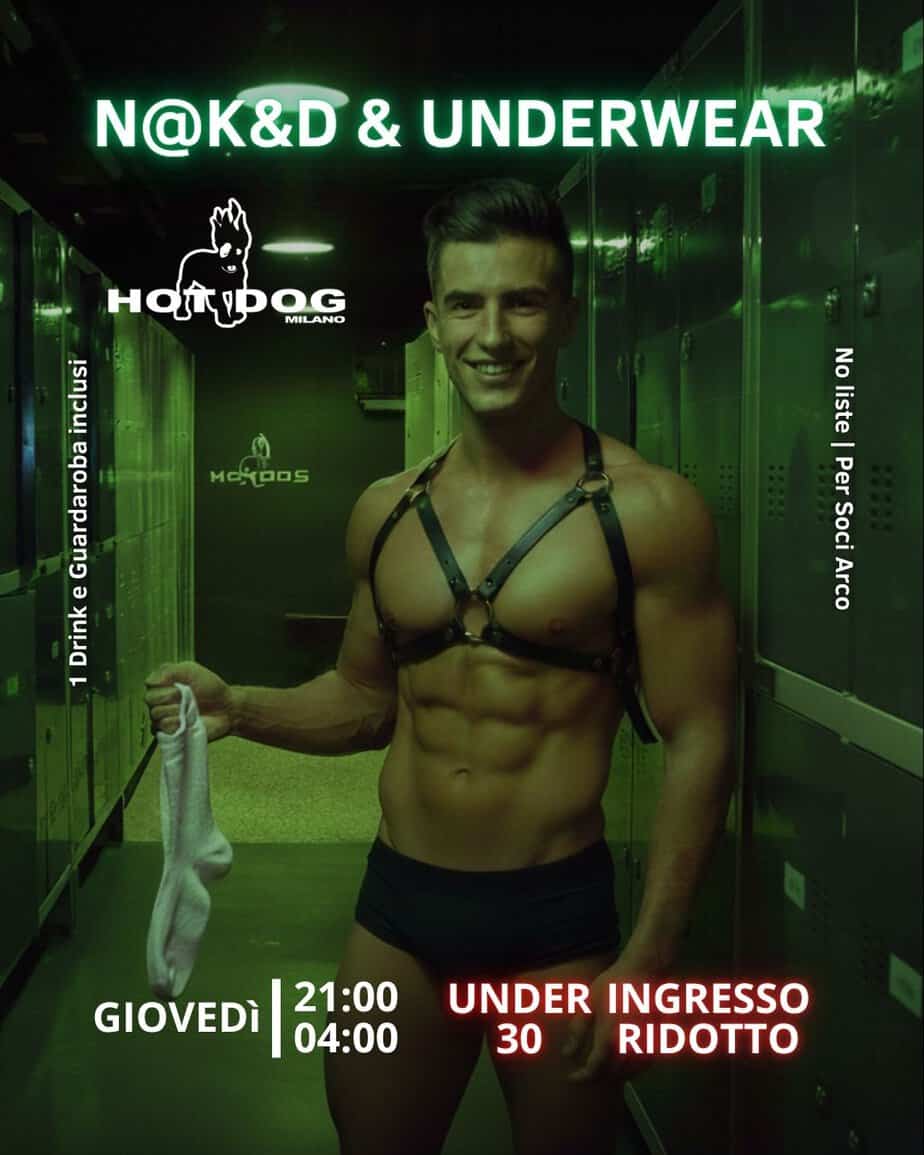
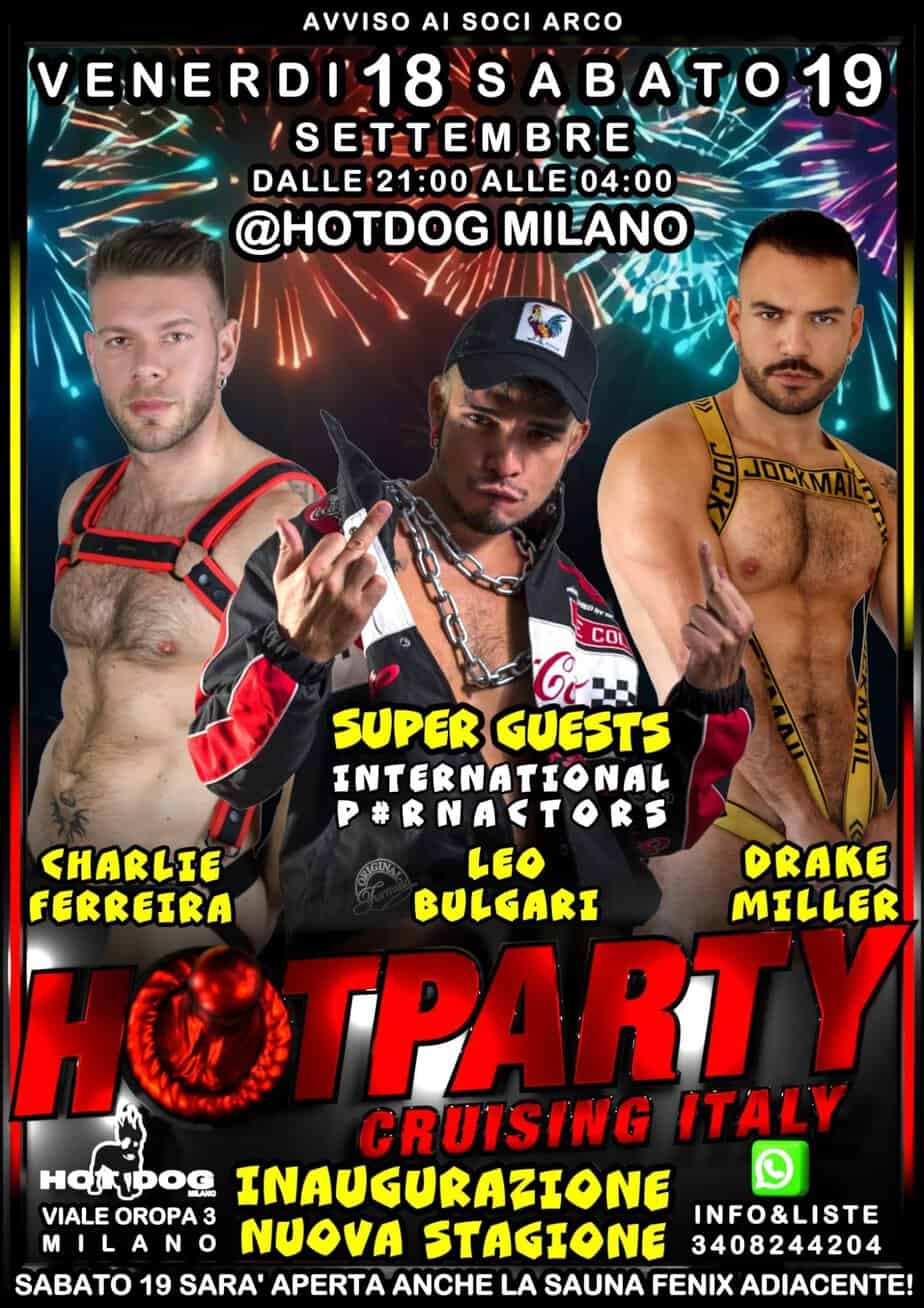
For late nights and a harder edge, Company Club is a long-standing bear and leather cruise bar, while Circolo Botulino runs erotic, techno-leaning parties. The roving Toilet Club party, currently landing at Amnesia, and La Boum at Magazzini Generali are the big pop and dance nights, and Afterline near Stazione Centrale remains one of the few dedicated late gay discos outside the village. Beyond Porta Venezia, a handful of queer-friendly spots dot Isola and the up-and-coming NoLo district (around NoLoSo).
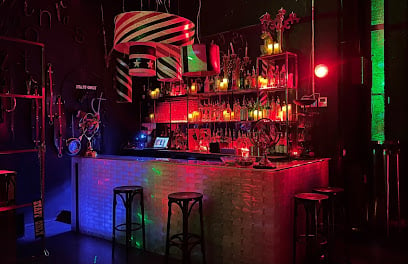
Milan has the strongest indoor scene in Italy. Sauna Metro Centrale, behind Stazione Centrale on Via Schiaparelli, is a historic multi-floor bathhouse; Royal Hammam near Lambrate is the upscale, resort-style pick with an outdoor pool, jacuzzi and Turkish bath; Thermas and Fenix (a bear-friendly sauna sharing a building with the Hot Dog Club cruise bar) round out the choice. Cruise and fetish clubs include Depot in the Valtorta area and Associazione Bangalov. The Italian quirk to know: nearly every sauna and cruise club runs as a private association, so you buy a membership card (tessera, usually ARCI/ARCO, around 10 to 15 euros) at the door of your first venue, with photo ID. Bring your passport every night.
Milano Pride takes place each June, with a Pride Week of parties and cultural events building to a parade that draws hundreds of thousands through the city centre and ends at the Arco della Pace. It is one of Italy's largest Prides, co-organised by CIG Arcigay Milano and the city's Coordinamento Arcobaleno. In September, the MiX Festival, Italy's international festival of LGBTQ+ cinema and queer culture, screens at venues including the Piccolo Teatro. Summer also brings circuit parties, often in warehouse spaces such as Magazzini Generali.
Where to Stay
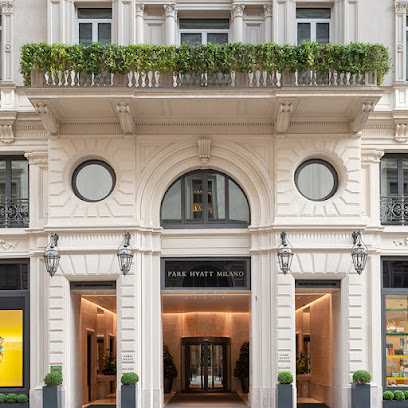
Staying in or near Porta Venezia puts you within walking distance of the bars, and the district and adjacent Stazione Centrale area have plenty of hotels across all budgets. The Duomo and Brera districts offer proximity to the main sights with gay-friendly hotels nearby, though less concentrated nightlife. Milan is compact and superbly connected by metro, tram and bus, so almost anywhere central works.
Milan's food is exceptional, from traditional risotto alla milanese and ossobuco to the citywide aperitivo ritual of early-evening drinks with complimentary snacks. The city is generally safe and tolerant for LGBTQ+ visitors, and same-sex couples can be openly affectionate in the centre; standard big-city care against pickpocketing on crowded transport applies. Two airports serve the city, Malpensa (the main international hub) and Linate (closer, mostly European), both linked to the centre within 30 to 50 minutes. Day trips to Lake Como (30 to 45 minutes by train) and the Lombard lakes are easy and rewarding.
Milan's LGBTQ+ community is integrated into mainstream city life, and queer people are visible in various professional sectors. The city is generally considered progressive and international.
Porta Venezia is Milan's gay village: the streets around Via Lecco, Via Tadino and Via Panfilo Castaldi, just off Corso Buenos Aires, hold the highest concentration of gay bars and cafes. Isola and the up-and-coming NoLo district have a few additional queer-friendly spots.
Leccomilano and Mono on Via Lecco are among the longest-running gay bars, alongside Red Cafe, Pop and Sui Generis in the Porta Venezia village. For a harder, later scene, Company Club is the long-standing bear and leather cruise bar.
June is peak season, with Milano Pride and its Pride Week of parties and events. The MiX Festival of LGBTQ+ cinema runs in September, and summer brings circuit parties often held in warehouse spaces like Magazzini Generali.
Milan's queer nightlife includes the roving Toilet Club party (currently at Amnesia), La Boum at Magazzini Generali and Afterline near Stazione Centrale, plus cruise-leaning clubs like Depot. The Porta Venezia bars anchor the earlier, aperitivo part of the night.
Milan's gay venues range from stylish aperitivo bars and drag cabaret in the Porta Venezia village to late-night dance floors and fetish or cruise clubs. The mood is cosmopolitan, fashion-conscious and welcoming.
Your privacy choices.
We use cookies to run GayOut and, with your consent, measure usage. Learn more
Your privacy choices
We use cookies to keep GayOut running, remember your preferences, and (with your permission) measure how the site is used. You can accept all, reject all, or pick what you allow. Learn more
Essential
Required for sign-in, fraud prevention, CSRF protection and remembering your language. Cannot be disabled.
Always on
Remembers your favourites, dark mode and other interface preferences across visits.
Helps us understand which pages people visit (Google Analytics, server-side stats) so we can improve.
Used by campaign tracking pixels. None are active right now, reserved for future use.
Install GayOut
Add GayOut to your home screen for faster access, offline favourites, and Pride alerts.









 Gay Bars & Clubs
Featured
(250)
Gay Bars & Clubs
Featured
(250)