






In this guide · 5 sections
Palermo: Sicily's LGBTQ+ Capital
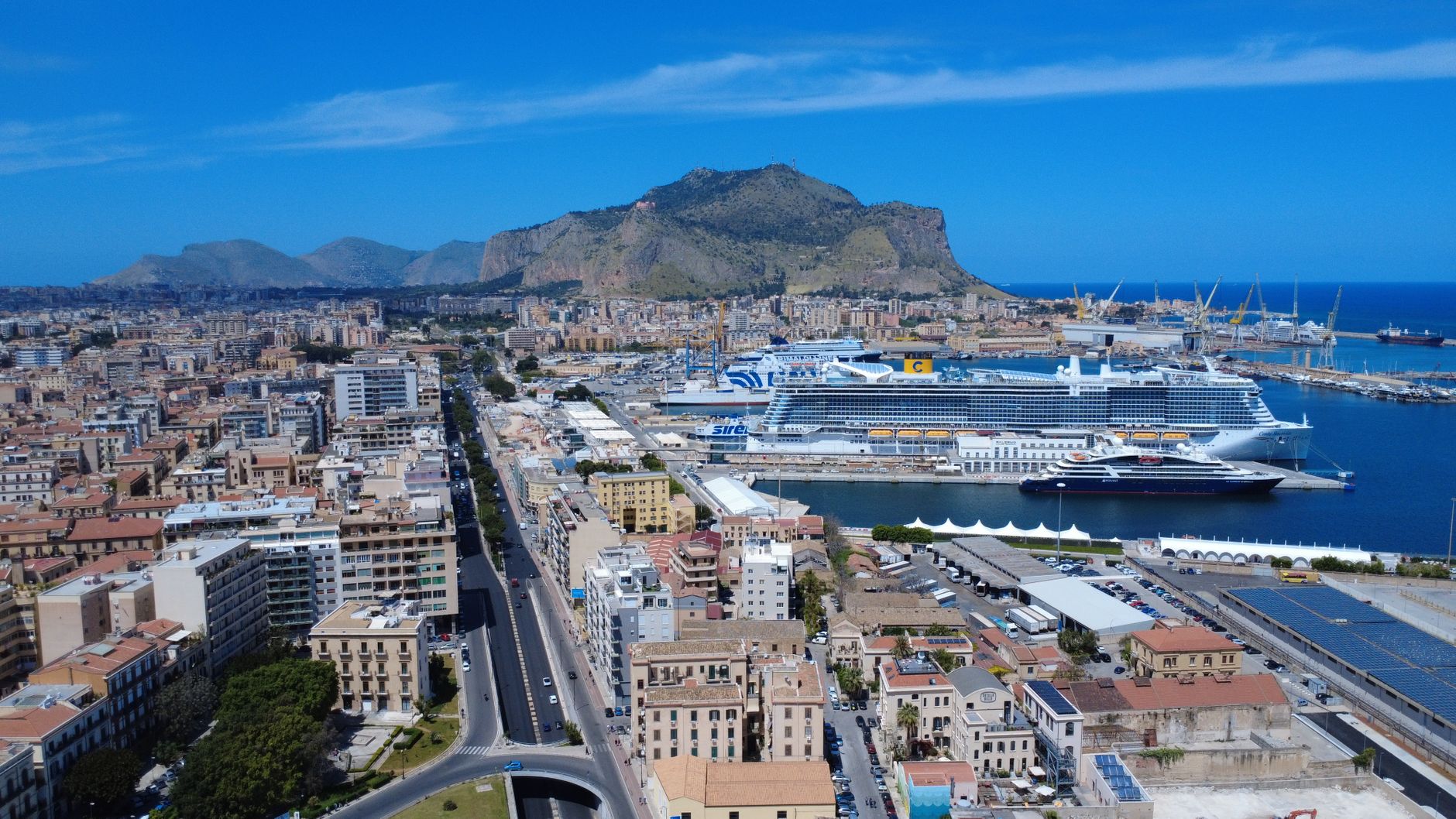
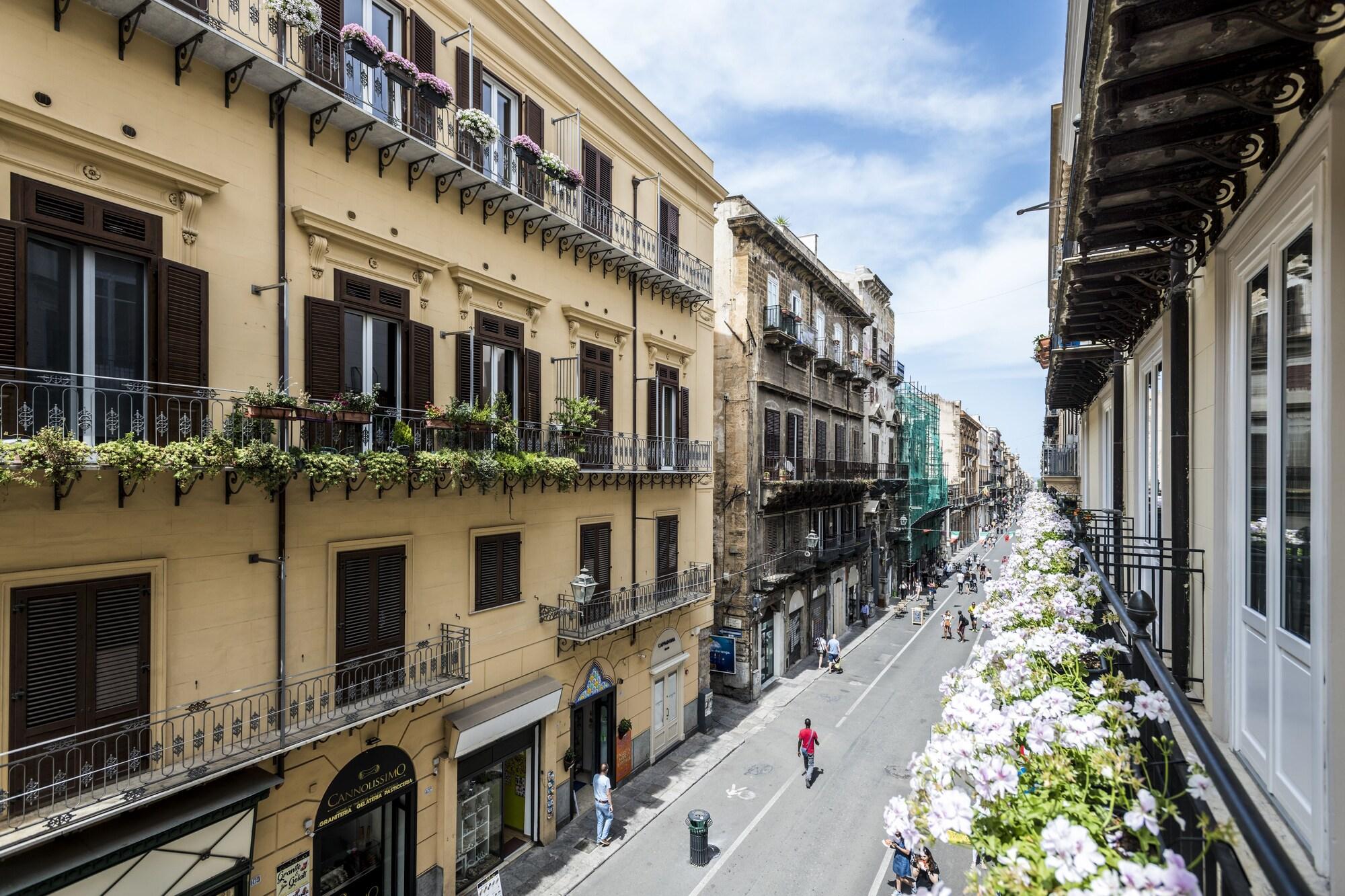
Palermo doesn't feel like other Italian cities. Its extraordinary layering of Arab, Norman, Byzantine and Baroque architecture, packed into a dense and theatrical centre, makes it one of the Mediterranean's most distinctive capitals. The gay scene mirrors that character: small, discreet and woven into the city rather than concentrated in a single rainbow district. It is real and, in the last few years, quietly growing — but it asks for a little more awareness than Milan or Florence.
Bars, Clubs & Sauna
Exit is the anchor. Open since 1996 and now on Piazza San Francesco di Paola in the Politeama district, it is Palermo's longest-running gay bar — an aperitivo-to-late spot with resident DJs, occasional drag and a warm, mixed local crowd. In the Vucciria, Bunker – Disco & Men's Club opened in late 2025 as Sicily's first men-only gay disco and cruise club, with a video bar, dance floor, cruise zone and private cabins. Its street, Via Argenteria, is the heart of Palermo's new "Gay Street", a rainbow-street initiative launched in 2026 with shops, services and an anti-violence centre. For big-club nights, the Exit team programmes a Saturday gay party at Fabric Rise Up, a large mainstream club on the northern edge of town. The city's one dedicated gay sauna is Maxximum Time, near the Teatro Massimo, with a Finnish sauna, steam bath, jacuzzi, cabins and a cruising area.

Beaches & Cruising
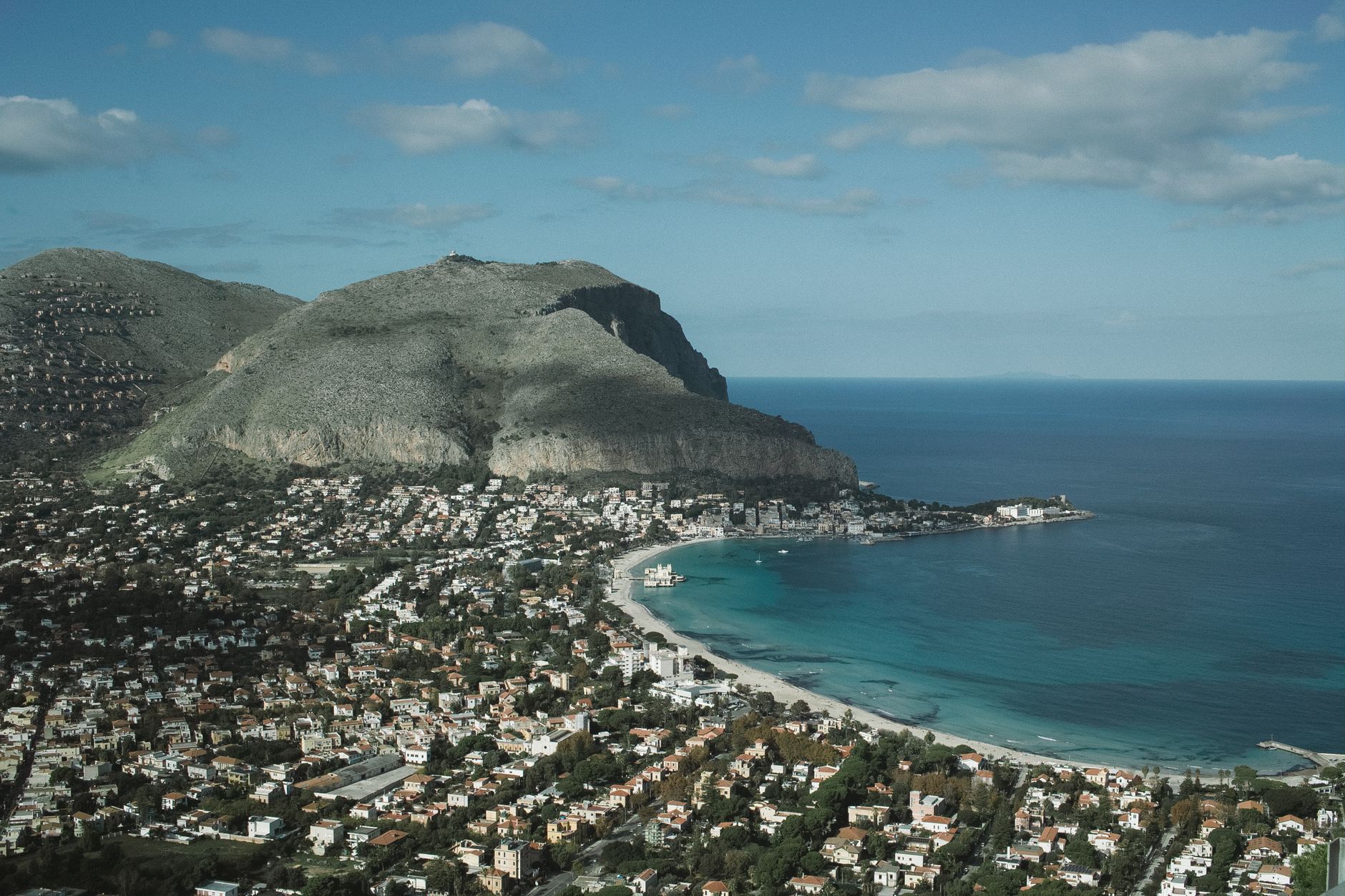
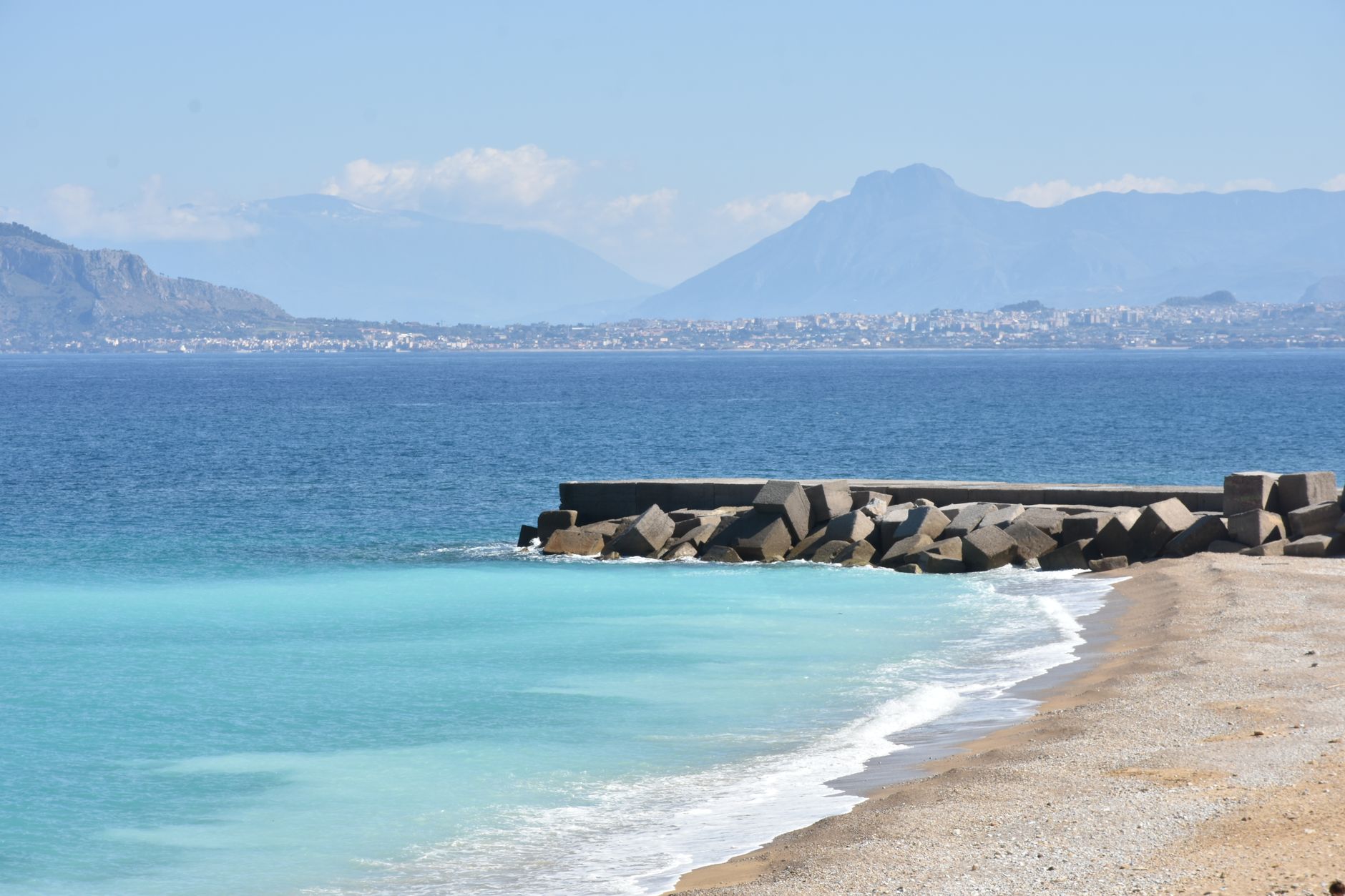
Palermo's coast is part of the appeal. The rocky shore at Barcarello Beach (Sferracavallo) in Sferracavallo is the best-known gay and naturist bathing spot, with the quieter stretches running toward the protected Capo Gallo Nature Reserve reserve, where naturism is quietly tolerated past the lighthouse. Closer to the centre, Punta Priola on the Addaura coast is a long-standing seaside meeting spot. The famous Mondello lido itself is broadly gay-friendly rather than a dedicated gay beach. As with any outdoor cruising area, stick to public, well-used stretches and stay aware of your surroundings at night.
Community & Pride
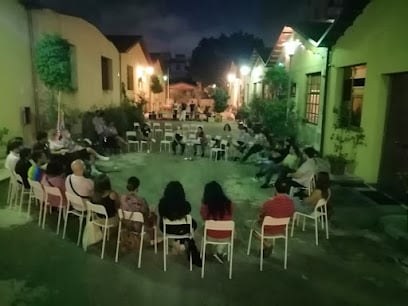
Arcigay Palermo, based at the Officine Arcobaleno, is the community hub: counselling, free STI and HIV screening, an anti-discrimination help desk and a migrants' office. Together with other groups it forms the Coordinamento Palermo Pride, which stages Palermo Pride each June — the third Saturday is the usual march day — winding through the historic centre and ending near the Cantieri Culturali alla Zisa. It is Sicily's largest Pride and a genuinely political, joyful day out.

Visiting as an LGBTQ+ Traveller
Palermo is more conservative than Rome or Milan, and public displays of affection draw more attention in residential districts and the centro storico than they would up north. The venues are discreet by design — no rainbow flags outside, an intercom at the sauna — but the welcome is real, and Palermitan warmth extends to visitors. Read the room, and then enjoy a city whose Cappella Palatina, Ballarò market, street food and midnight Vucciria have nothing to do with the gay scene and everything to do with why you should go.
