









Trieste: Europe's Most Distinctive Border City
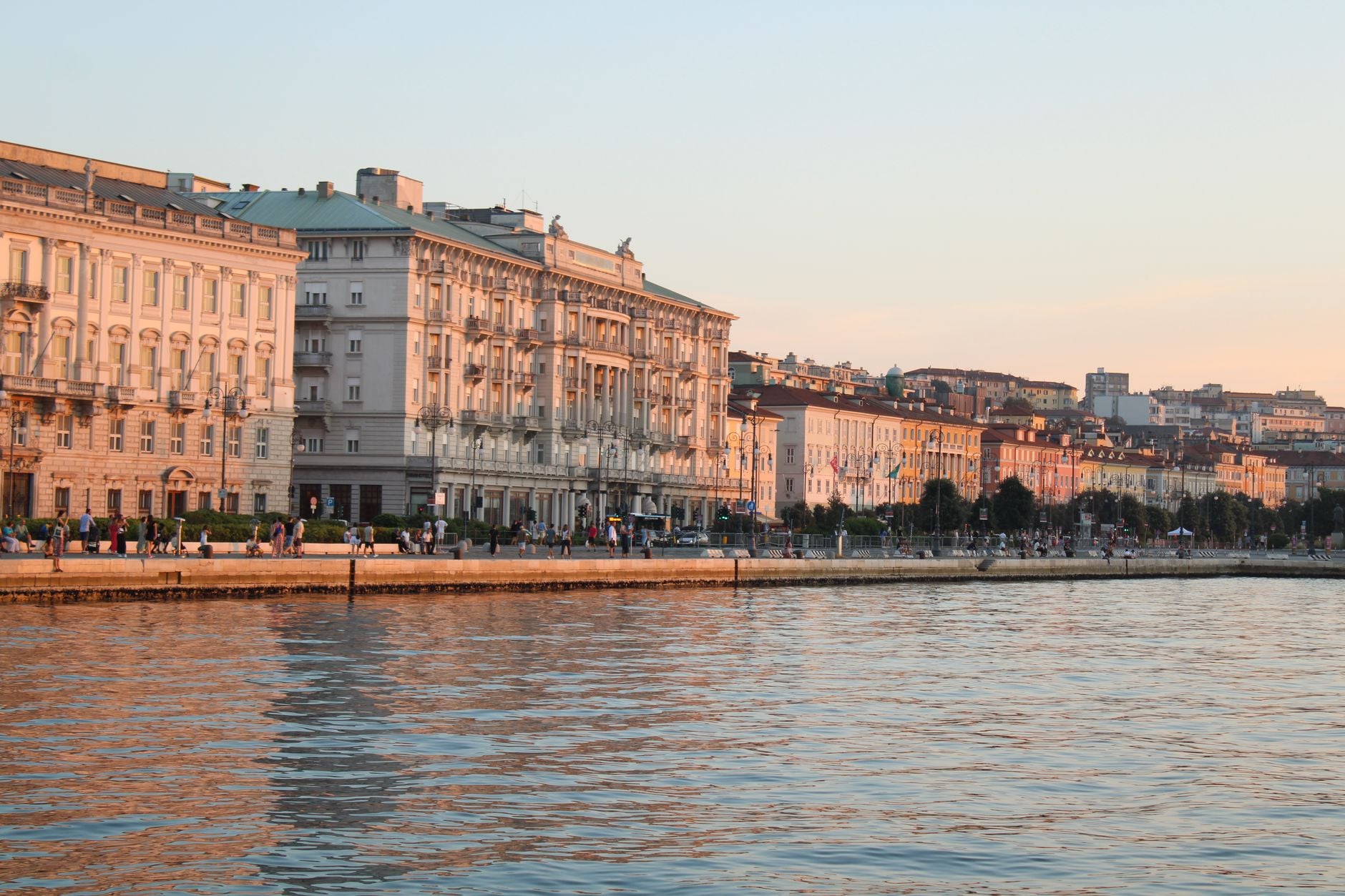
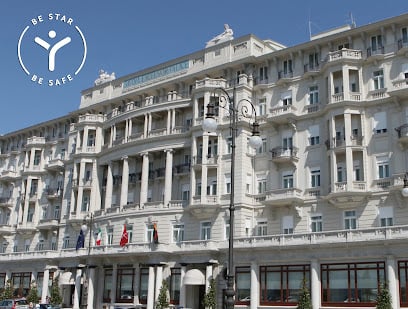
Trieste isn't like other Italian cities. This former Habsburg port sits on the Adriatic, right on the Slovenian border. It feels closer to Vienna or Ljubljana than to Rome. Its café culture is Central European, its architecture fin-de-siècle Habsburg. And its literary tradition is huge: James Joyce wrote much of Ulysses here while teaching English. Italo Svevo, Umberto Saba, and Rilke all spent important years in the city. That's an intellectual density you rarely find in a city of 205,000.
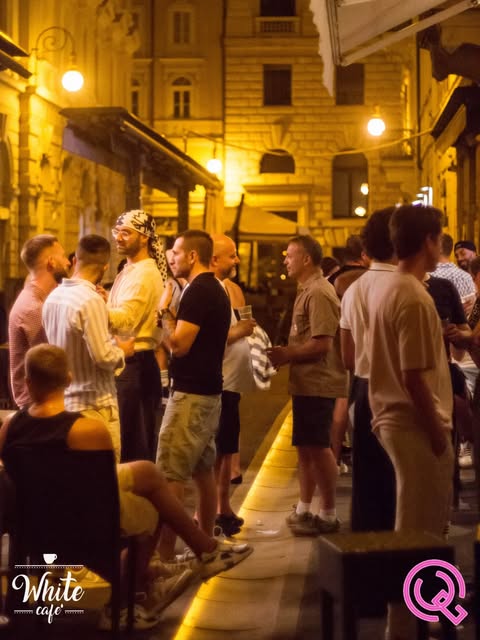
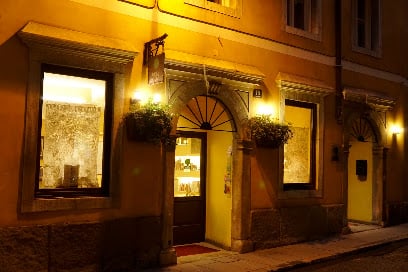
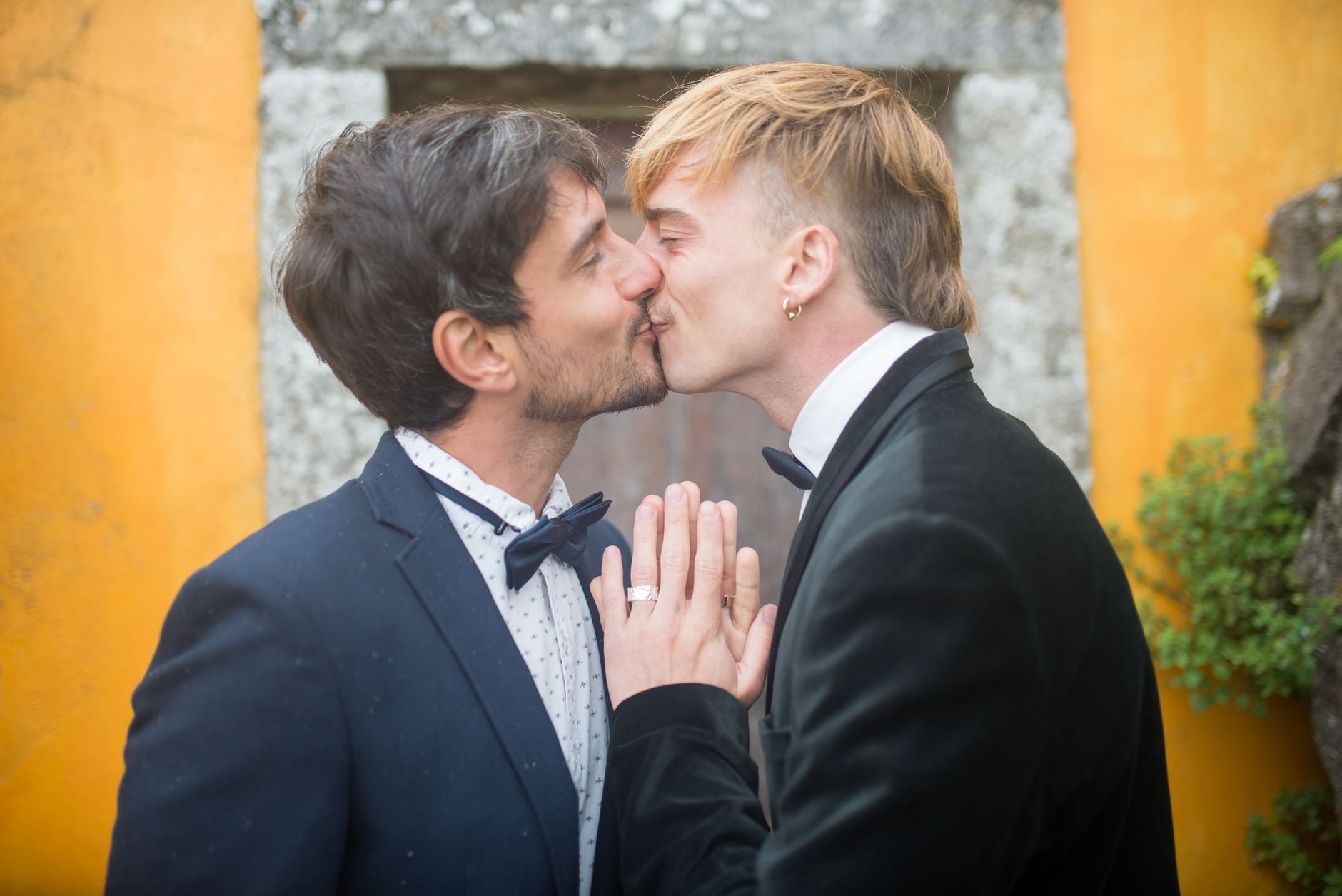
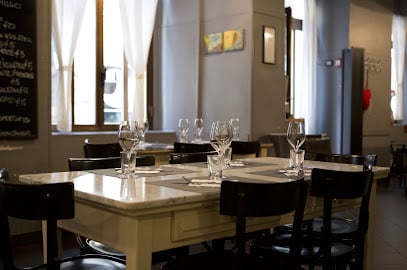
Be clear about the scene, though: Trieste has no dedicated gay bar, gay club, or sauna, and there's no "gay quarter." Queer life here runs through community and events rather than fixed venues. The anchor is Arcigay Arcobaleno Trieste-Gorizia, active since 1994, which hosts the monthly Queerida social. It also provides support, testing, and advocacy for Trieste and Gorizia. Roving party nights such as Jotassassina add the occasional club night. For a relaxed drink, Ristoro Antico in the old town is the spot local LGBTQ+ people most often point visitors toward — welcoming, not officially gay.
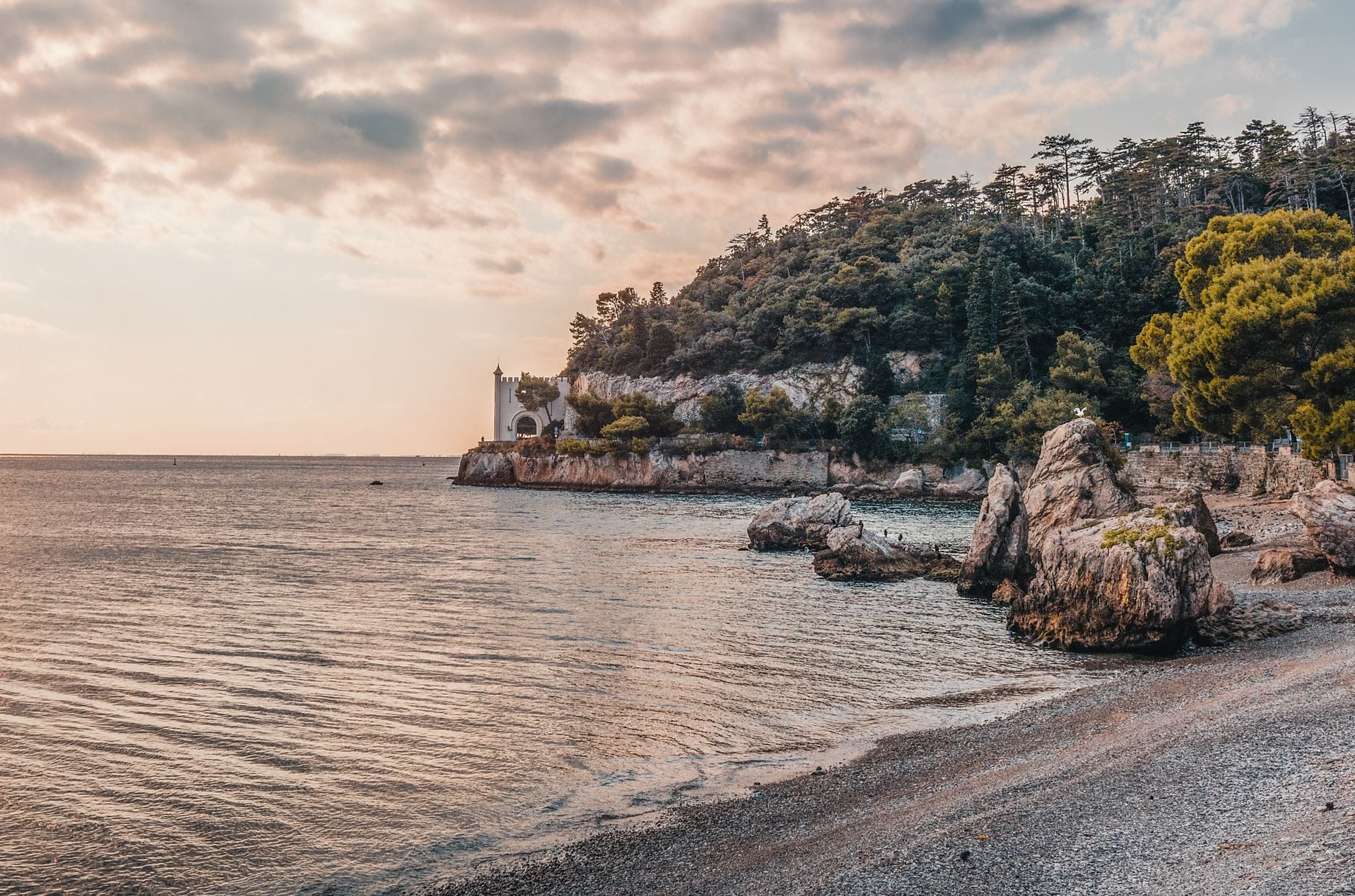
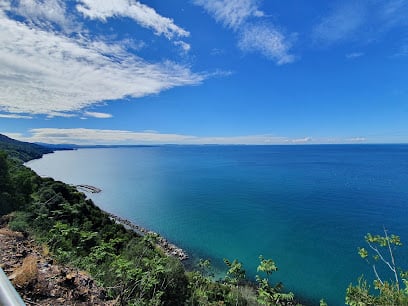
The outdoors is where Trieste's queer map really lives. Along the Karst coast northwest of the city, Costa dei Barbari is the best-known gay-popular, clothing-optional cove in Friuli-Venezia Giulia. Nearby Filtri beach is a quieter naturist alternative. In the center, the Molo Audace (Cruising) pier — a beloved sunset promenade by day — is the city's long-standing evening cruising spot. Discretion is expected there.
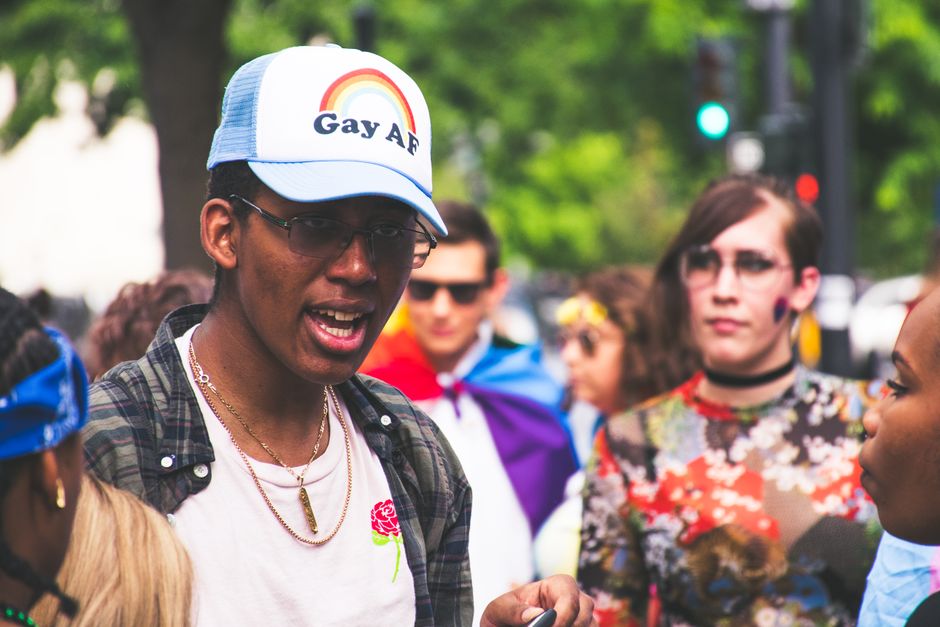
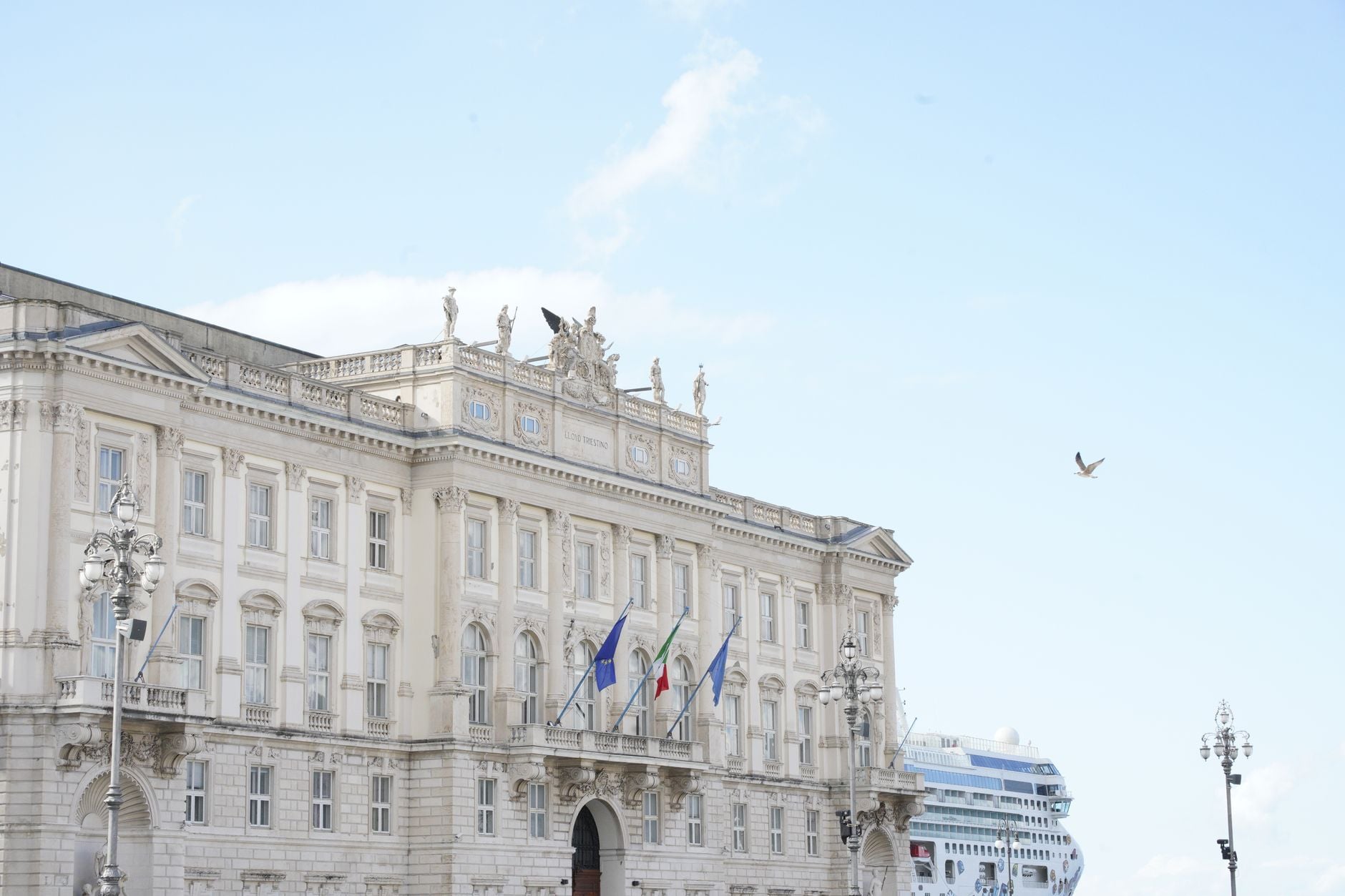
Pride here is regional, not local. There's no annual "Trieste Pride." The city takes part in FVG Pride ODV, the Friuli-Venezia Giulia Pride that rotates each year among Udine, Trieste, Gorizia, Pordenone, and Lignano. Trieste hosted it in 2019, when the march gathered at Piazza Unità d'Italia, one of Europe's most dramatic seaside squares. The 2026 edition is in Udine. The Trieste Film Festival's Queer Visions strand adds a cultural highlight each winter.
For LGBTQ+ visitors, Trieste's appeal isn't the nightlife. It's the city itself: the bora wind off the Adriatic, the Viennese-style coffee houses, Joyce's ghost on every corner, and a quietly tolerant port atmosphere. For a bigger club scene, Ljubljana is about an hour away and Venice roughly two hours by train.
