Małżeństwa osób tej samej płci (Ehe für alle) zalegalizowane 1 października 2017 r. Partnerstwa cywilne (Lebenspartnerschaft) były dostępne od 2001 r. Wspólne prawa adopcyjne dla par tej samej płci od 2017 r. Silne federalne przepisy antydyskryminacyjne (AGG, General Equal Treatment Act 2006) obejmujące zatrudnienie, towary i usługi. Terapia konwersyjna zakazana dla nieletnich w 2020 r.; pełny zakaz dla dorosłych zaproponowany, ale jeszcze nie wprowadzony w życie od 2026 r. Prawna zmiana płci dla osób transpłciowych wymaga oceny psychologicznej i nakazu sądowego…
Bilety bez kolejki, spacery z przewodnikiem, jednodniowe wycieczki i unikalne doświadczenia przyjazne LGBTQ+ — rezerwacja od ręki z bezpłatnym anulowaniem.
Gelsenkirchen może nie jest najsłynniejszym niemieckim kierunkiem dla osób LGBTQ+, ale oferuje coś równie cennego: autentyczny wycinek niemieckiego życia queer w mieście, które naprawdę wita wszystkich gości. Położone w Zagłębiu Ruhry (Ruhrgebiet), największym regionie przemysłowym Europy, Gelsenkirchen przekształciło się z centrum węgla i stali w tętniące życiem, zróżnicowane kulturowo miasto z rozwijającą się społecznością.
HISTORIA SCENY LGBTQ+
Podobnie jak wiele regionów Niemiec, Gelsenkirchen skorzystało z postępowego niemieckiego ustawodawstwa dotyczącego praw osób LGBTQ+ i liberalizmu kulturowego, szczególnie w zachodnich Niemczech przed zjednoczeniem. Tradycje klasy robotniczej miasta oznaczały silne wsparcie związków zawodowych dla równości, ponieważ prawa osób LGBTQ+ historycznie zbiegały się z szerszymi ruchami na rzecz praw pracowniczych. Od zjednoczenia w 1990 roku Gelsenkirchen kontynuuje rozwój swojej infrastruktury obywatelskiej z uwzględnieniem inkluzywności.
Lokalna społeczność queer jest tu mniejsza i mniej skomercjalizowana niż w dużych metropoliach, co przemawia do podróżnych szukających autentycznych kontaktów, a nie turystyki imprezowej. Organizacje społeczne, a nie wyłącznie nastawione na zysk miejsca, historycznie stanowiły ostoję tej sceny.
DZIELNICE
Centrum Gelsenkirchen (Innenstadt) skupia większość przyjaznych osobom queer miejsc i jest łatwo dostępne pieszo. Główna dzielnica handlowa i biznesowa koncentruje się wokół Bahnhofstrasse i Königstrasse. W pobliżu, w dzielnicy Altstadt (stare miasto), znajdziemy historyczny urok i atrakcje kulturalne.
Dzielnica Schalke, siedziba słynnego stadionu FC Schalke 04, jest częścią szerszej tkanki miejskiej, ale mniej skoncentrowana na życiu nocnym. Dzielnice Buer i Horst to obszary mieszkalne z kilkoma lokalnymi lokalami.
W przeciwieństwie do Kolonii czy Berlina, Gelsenkirchen nie ma skoncentrowanej dzielnicy gejowskiej; zamiast tego, miejsca przyjazne osobom LGBTQ+ są zintegrowane w całym mieście, odzwierciedlając szerszy charakter miasta.
MIEJSCA I ŻYCIE NOCNE
Scena życia nocnego Gelsenkirchen jest skromna, ale autentyczna. Chociaż konkretne nazwy lokali i ich aktualny status mogą się zmieniać, miasto tradycyjnie oferowało mieszankę barów i przestrzeni kulturalnych przyjaznych osobom LGBTQ+. Najlepszym podejściem jest sprawdzenie lokalnie w informacji turystycznej lub organizacjach społeczności LGBTQ+ po przyjeździe, ponieważ sceny w mniejszych miastach są bardziej płynne niż w metropoliach.
Centrum miasta zazwyczaj gości najbardziej dostępne lokale, a wiele zwykłych barów i restauracji jest przyjaznych LGBTQ+, nawet jeśli nie są one tak reklamowane – jest to standard w postępowych niemieckich miastach. Szerszy region Zagłębia Ruhry, zwłaszcza pobliskie miasta, takie jak Essen i Dortmund, oferuje dodatkowe opcje w zasięgu 20-30 minut jazdy pociągiem.
DUMA I WYDARZENIA
Gelsenkirchen coraz częściej zaznacza swoją obecność podczas wydarzeń związanych z dumą i widocznością LGBTQ+, chociaż scena jest mniejsza niż w dużych miastach. Obchody Christopher Street Day zazwyczaj odbywają się pod koniec lipca, często jako spotkania społeczności, a nie masowe imprezy uliczne. Niektóre wydarzenia są organizowane przez lokalne organizacje LGBTQ+ i instytucje kulturalne.
Szerszy region Zagłębia Ruhry gości większe wydarzenia związane z dumą w Kolonii (sierpień) i innych miastach, do których można dotrzeć krótką podróżą pociągiem. Cologne Pride to jedna z największych i najbardziej żywiołowych imprez w Niemczech, przyciągająca co roku setki tysięcy ludzi.
GDZIE SIĘ ZATRZYMAĆ
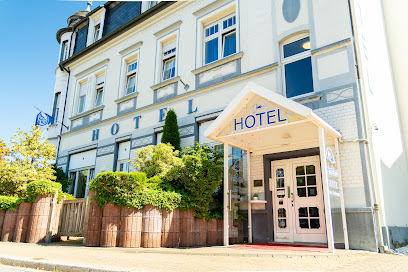
Gelsenkirchen oferuje doskonałe hotele średniej klasy w niższych cenach niż Kolonia czy Düsseldorf. Centrum miasta jest najwygodniejsze do zwiedzania pieszo i korzystania z transportu publicznego. Hotele biznesowe i niektóre butikowe opcje są dostępne dla podróżnych, a ogólna infrastruktura miasta jest doskonała, mimo że jest mniej turystyczne niż główne destynacje.
W regionie dostępne są hostele oferujące niedrogie opcje i możliwość poznania innych podróżnych. Airbnb i wynajem wakacyjny zapewniają dodatkową elastyczność.
BEZPIECZEŃSTWO I PRAKTYCZNE ASPEKTY
Niemcy to jeden z najbezpieczniejszych krajów na świecie dla podróżujących osób LGBTQ+. Gelsenkirchen, podobnie jak większość niemieckich miast, posiada silne przepisy antydyskryminacyjne i politykę włączającą. Publiczne okazywanie uczuć przez pary tej samej płci jest normalne i bezpieczne w całym mieście i regionie. Policja jest przeszkolona w zakresie protokołów antydyskryminacyjnych, a przestępstwa z nienawiści są rzadkie i traktowane poważnie.
Miasto ma zróżnicowaną populację, w tym społeczności imigranckie; choć Niemcy jako całość są bardzo progresywne, indywidualne incydenty mogą zdarzyć się wszędzie. Robotniczy charakter Gelsenkirchen oznacza zróżnicowaną demografię, choć miasto pozostaje przyjazne.
TRANSPORT PUBLICZNY
Gelsenkirchen jest doskonale skomunikowane transportem publicznym. Miasto jest częścią VRR (Verkehrsverbund Rhein-Ruhr), regionalnego zarządu transportu obejmującego cały Zagłębie Ruhry. Pociągi łączą Gelsenkirchen z Kolonią (45 minut), Düsseldorfem (75 minut) i wszystkimi innymi miastami regionu. Lokalny system S-Bahn, U-Bahn i autobusów jest wydajny, czysty i łatwy w nawigacji.
Miasto jest również dostępne z lotniska Kolonia/Bonn (około 90 minut pociągiem) i lotniska w Düsseldorfie. Większość podróżujących międzynarodowo będzie korzystać z tych głównych węzłów komunikacyjnych.
Spacer po centrum miasta jest przyjemny i bezpieczny o każdej porze, choć jak w każdym mieście, obowiązują standardowe zasady ostrożności podróżnego.
JEDZENIE I GASTRONOMIA
Gelsenkirchen oferuje doskonałą kuchnię niemiecką i międzynarodową w rozsądnych cenach. Zróżnicowana populacja miasta oznacza dobry dostęp do kuchni tureckiej, włoskiej, azjatyckiej i innych, obok tradycyjnej kuchni niemieckiej. Region Ruhry słynie z sycącej, robotniczej kuchni, w tym dań takich jak Currywurst i lokalnych specjałów.
Wiele restauracji i kawiarni w centrum miasta jest swobodnych i przyjaznych dla odwiedzających LGBTQ+. Scena kulinarna jest zauważalnie pozbawiona pretensji w porównaniu do dużych miast turystycznych, oferując jakość przy niższych cenach.
KULTURA I ATRAKCJE
Gelsenkirchen, mimo swoich niewielkich rozmiarów, oferuje bogate atrakcje kulturalne. Kunstmuseum (Muzeum Sztuki) prezentuje dzieła sztuki współczesnej i klasycznej. Musiktheater (Teatr Muzyczny) przez cały rok gości różnorodne spektakle. Te instytucje odzwierciedlają inwestycje miasta w kulturę jako część jego postindustrialnej transformacji.
Szerszy region Zagłębia Ruhry jest wpisany na Listę Światowego Dziedzictwa UNESCO ze względu na swoją architekturę przemysłową i historię. Dawne kopalnie węgla i huty stali zostały przekształcone w muzea, parki i przestrzenie kulturalne – Route der Industriekultur (Szlak Kultury Przemysłowej) prezentuje tę transformację.
JEDNODNIOWE WYCIECZKI I ODKRYWANIE REGIONU
Położenie Gelsenkirchen czyni je idealną bazą wypadową do zwiedzania szerszego Zagłębia Ruhry. Kolonia (45 minut pociągiem) to jedno z najsłynniejszych niemieckich miast z prężną sceną LGBTQ+, piękną architekturą historyczną i ikoniczną katedrą. Düsseldorf (75 minut) oferuje ekskluzywne sklepy, galerie i zauważalną scenę queer skupioną wokół Altstadt.
Essen (20 minut) znajduje się w pobliżu i oferuje muzea, parki oraz atrakcje kulturalne. Dortmund ma podobny charakter. Wszystkie te miasta są połączone częstymi i niedrogimi połączeniami kolejowymi.
Dla tych, którzy chcą zapuścić się dalej, Dolina Renu jest malownicza i łatwo dostępna, podobnie jak inne duże niemieckie miasta w zasięgu 2-3 godzin podróży.
PODSUMOWANIE
Gelsenkirchen to autentyczne Niemcy, z dala od typowych szlaków turystycznych. Scena LGBTQ+ jest mniejsza niż w dużych miastach, ale autentyczna i przyjazna. Osoby szukające imprez i wielkiej kultury gejowskiej znajdą więcej w Kolonii lub Berlinie; ci, którzy pragną autentycznych więzi społecznych, niższych kosztów i prawdziwego niemieckiego doświadczenia miejskiego, docenią charakter Gelsenkirchen. Doskonałe połączenia komunikacyjne miasta ułatwiają odkrywanie szerszego regionu, jednocześnie zapewniając mniej turystyczną bazę wypadową.
Najczęściej zadawane pytania
Życie nocne LGBTQ+ w Gelsenkirchen jest skromne i kameralne, skupiające się na przytulnych barach osiedlowych, a nie na dużych klubach. Scena jest mniejsza i głębiej zakorzeniona w lokalnych sieciach społecznościowych.
Nie, Gelsenkirchen nie posiada wyraźnie "dzielnic gejowskich" jak większe miasta. Lokale przyjazne gejom są rozproszone po całym centrum miasta, szczególnie w Innenstadt i w pobliżu dzielnicy handlowej Altstadt i Crescent.
Dostarczony przewodnik nie wspomina o konkretnych datach ani szczegółach obchodów Pride w Gelsenkirchen. Zauważa, że miasto nie ma masowych obchodów Pride, jakie można zobaczyć w większych metropoliach.
Centrum miasta (Innenstadt) jest głównym obszarem lokali LGBTQ+, w tym kilku barów gejowskich, które służą jako punkty spotkań. Miejsca te zazwyczaj oferują swobodną atmosferę i mogą organizować okazjonalne wieczory tematyczne lub wydarzenia towarzyskie.
Przewodnik wskazuje, że społeczność LGBTQ+ stopniowo zbudowała sieć przyjaznych barów i grup społecznych i jest stosunkowo zintegrowana z życiem obywatelskim. Nie zawiera jednak szczegółowych informacji na temat środków bezpieczeństwa ani statystyk dla podróżujących LGBTQ+.
Spodziewaj się mniejszych, nieformalnych spotkań i wydarzeń towarzyskich organizowanych przez lokalne bary. Społeczność LGBTQ+ utrzymuje również aktywne sieci społecznościowe i strony z wydarzeniami online, na których mogą być publikowane informacje o nadchodzących zgromadzeniach.
Twoje wybory dotyczące prywatności.
Używamy plików cookie, aby uruchomić GayOut i, za Twoją zgodą, mierzyć jego użytkowanie. Dowiedz się więcej
Twoje wybory dotyczące prywatności
Używamy plików cookie, aby GayOut działał sprawnie, zapamiętywał Twoje preferencje i (za Twoją zgodą) mierzył, jak korzystasz ze strony. Możesz zaakceptować wszystkie, odrzucić wszystkie albo wybrać, na co się zgadzasz. Dowiedz się więcej
Niezbędne
Wymagane do logowania, ochrony przed oszustwami, zabezpieczeń CSRF i zapamiętania języka. Nie można ich wyłączyć.
Zawsze aktywne
Zapamiętują ulubione, tryb ciemny i inne preferencje interfejsu między wizytami.
Pomagają nam zrozumieć, które strony są odwiedzane (Google Analytics, statystyki serwera), żebyśmy mogli się rozwijać.
Wykorzystywane przez piksele kampanii marketingowych. Obecnie żaden nie jest aktywny, zarezerwowane na przyszłość.
Zainstaluj GayOut
Dodaj GayOut do ekranu głównego — szybszy dostęp, ulubione offline i powiadomienia Pride.


 Strefy cruisingu
(18)
Strefy cruisingu
(18)