Mariage pour tous (Ehe für alle) légalisé le 1er octobre 2017. Les unions civiles (Lebenspartnerschaft) existaient depuis 2001. Droits d'adoption conjoints pour les couples de même sexe depuis 2017. Solides protections fédérales anti-discrimination (AGG, General Equal Treatment Act 2006) couvrant l'emploi, les biens et les services. Thérapie de conversion interdite pour les mineurs en 2020 ; interdiction totale pour les adultes proposée mais pas encore adoptée en 2026. Changement d'état civil légal transgenre nécessite une évaluation psychologique et une ordonnance du tribunal…
Billets coupe-file, visites guidées à pied, excursions à la journée et expériences uniques LGBTQ+ friendly — réservation instantanée avec annulation gratuite.
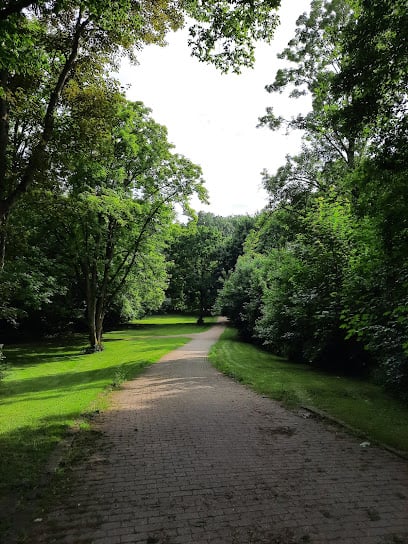
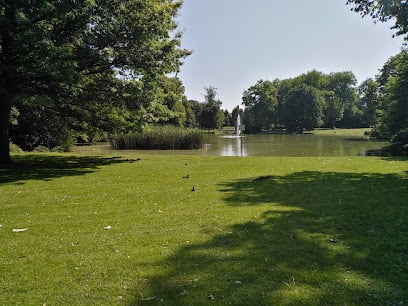
Gelsenkirchen n'est peut-être pas la destination LGBTQ+ la plus célèbre d'Allemagne, mais elle offre quelque chose d'aussi précieux : un aperçu authentique de la vie queer allemande dans une ville véritablement accueillante pour tous les visiteurs. Située dans la Ruhr (Ruhrgebiet), la plus grande région industrielle d'Europe, Gelsenkirchen s'est transformée d'un centre charbonnier et sidérurgique en une ville dynamique et culturellement diverse, dotée d'une communauté florissante.
HISTOIRE DE LA SCÈNE LGBTQ+
Comme une grande partie de l'Allemagne, Gelsenkirchen a bénéficié d'une législation progressiste sur les droits LGBTQ+ et d'un libéralisme culturel, particulièrement en Allemagne de l'Ouest avant la réunification. Les traditions ouvrières de la ville ont signifié un fort soutien des syndicats à l'égalité, les droits LGBTQ+ s'étant historiquement alignés sur les mouvements plus larges des droits des travailleurs. Depuis la réunification en 1990, Gelsenkirchen a continué à développer son infrastructure civique en mettant l'accent sur l'inclusivité.
La communauté queer locale y est plus petite et moins commercialisée que dans les grands centres métropolitains, ce qui plaît aux voyageurs en quête de connexions authentiques plutôt que de tourisme festif. Les organisations communautaires, plutôt que des lieux exclusivement axés sur le profit, ont historiquement ancré la scène.
QUARTIERS
Le centre-ville de Gelsenkirchen (Innenstadt) abrite la plupart des lieux accueillant la communauté queer et est facilement accessible à pied. Le principal quartier commerçant et d'affaires s'articule autour de la Bahnhofstrasse et de la Königstrasse. À proximité, le quartier de l'Altstadt (vieille ville) offre un charme historique et des attractions culturelles.
Le district de Schalke, qui abrite le célèbre stade du FC Schalke 04, fait partie du tissu urbain plus large mais est moins axé sur la vie nocturne. Les quartiers de Buer et Horst abritent des zones résidentielles et quelques établissements locaux.
Contrairement à Cologne ou Berlin, Gelsenkirchen n'a pas de quartier gay concentré ; les espaces accueillant la communauté LGBTQ+ y sont intégrés dans toute la ville, reflétant le caractère plus général de la cité.
LIEUX ET VIE NOCTURNE
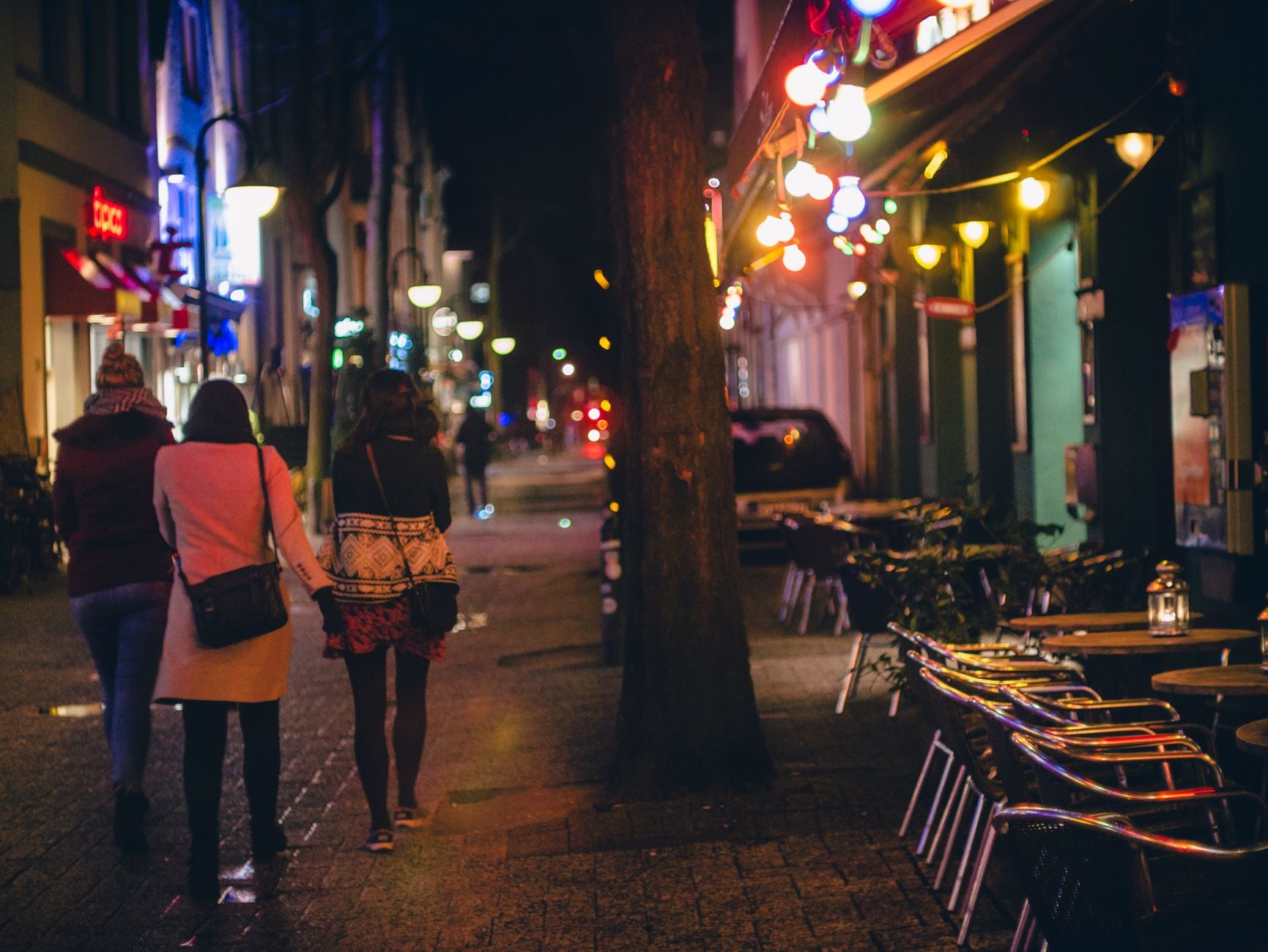
La vie nocturne de Gelsenkirchen est modeste mais authentique. Bien que les noms des établissements spécifiques et leur statut d'exploitation actuel puissent changer, la ville a traditionnellement accueilli un mélange de bars et d'espaces culturels ouverts aux visiteurs LGBTQ+. La meilleure approche est de se renseigner localement auprès des offices de tourisme ou des organisations communautaires LGBTQ+ à votre arrivée, car les scènes des petites villes sont plus fluides que celles des grandes métropoles.
Le centre-ville accueille généralement les établissements les plus accessibles, et de nombreux bars et restaurants classiques sont accueillants pour la communauté LGBTQ+ même s'ils ne sont pas exclusivement commercialisés comme tels – c'est la norme dans les villes allemandes progressistes. La région plus large de la Ruhr, en particulier les villes voisines comme Essen et Dortmund, offre des options supplémentaires à 20-30 minutes en train.
FIERTÉ ET ÉVÉNEMENTS
Gelsenkirchen a de plus en plus marqué des événements de Fierté et de visibilité LGBTQ+, bien que la scène soit plus petite que dans les grandes villes. Les célébrations de Christopher Street Day ont généralement lieu vers fin juillet, souvent sous forme de rassemblements communautaires plutôt que de grandes fêtes de rue. Certains événements sont organisés par des organisations LGBTQ+ locales et des institutions culturelles.
La région de la Ruhr accueille des événements de Fierté plus importants à Cologne (août) et dans d'autres villes, accessibles en de courts trajets en train. Cologne Pride est l'une des plus grandes et des plus vibrantes d'Allemagne, attirant des centaines de milliers de personnes chaque année.
OÙ SÉJOURNER
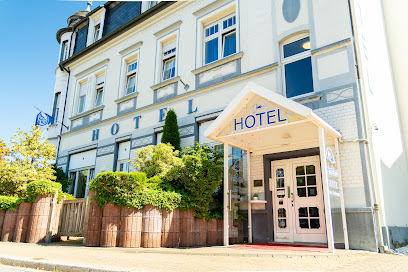
Gelsenkirchen offre d'excellentes options d'hôtels de milieu de gamme à des prix inférieurs à ceux de Cologne ou de Düsseldorf. Le centre-ville est le plus pratique pour explorer à pied et accéder aux transports en commun. Des hôtels d'affaires et quelques options de charme accueillent les voyageurs, et l'infrastructure générale de la ville est excellente malgré une fréquentation touristique moindre que dans les destinations majeures.
Des auberges de jeunesse existent dans la région et proposent des options économiques avec des chances de rencontrer d'autres voyageurs. Airbnb et les locations de vacances offrent une flexibilité supplémentaire.
SÉCURITÉ ET CONSIDÉRATIONS PRATIQUES
L'Allemagne est l'un des pays les plus sûrs au monde pour les voyageurs LGBTQ+. Gelsenkirchen, comme la plupart des villes allemandes, bénéficie de lois anti-discrimination solides et de politiques inclusives. Les démonstrations publiques d'affection entre couples de même sexe sont normales et sans danger dans toute la ville et la région environnante. La police est formée aux protocoles anti-discrimination, et les crimes haineux sont rares et poursuivis avec sérieux.
La ville possède une population diversifiée, y compris des communautés immigrées ; bien que l'Allemagne dans son ensemble soit très progressiste, des incidents individuels peuvent survenir n'importe où. Le caractère ouvrier de Gelsenkirchen se traduit par une démographie mixte, bien que la ville reste accueillante.
TRANSPORTS PUBLICS
Gelsenkirchen est extrêmement bien desservie par les transports en commun. La ville fait partie du VRR (Verkehrsverbund Rhein-Ruhr), une autorité régionale de transport couvrant l'ensemble de la Ruhr. Les trains relient Gelsenkirchen à Cologne (45 minutes), Düsseldorf (75 minutes) et toutes les autres villes de la région. Les réseaux locaux de S-Bahn, U-Bahn et de bus sont efficaces, propres et faciles à utiliser.
La ville est également accessible depuis les aéroports de Cologne/Bonn (environ 90 minutes en train) et de Düsseldorf. La plupart des voyageurs arrivant de l'étranger transiteront par ces grands hubs.
Se promener dans le centre-ville est agréable et sûr à toute heure, bien que, comme dans toute ville, une vigilance de base soit de mise.
GASTRONOMIE
Gelsenkirchen propose une excellente cuisine allemande et internationale à des prix raisonnables. La population diversifiée de la ville offre un bon accès aux cuisines turque, italienne, asiatique et autres, aux côtés de la cuisine allemande traditionnelle. La région de la Ruhr est réputée pour sa cuisine copieuse et populaire, incluant des plats comme la Currywurst et des spécialités locales.
De nombreux restaurants et cafés dans le centre-ville sont décontractés et accueillants pour les visiteurs LGBTQ+. La scène culinaire est particulièrement sans prétention par rapport aux grandes villes touristiques, avec une qualité à des prix plus abordables.
CULTURE ET ATTRAITS
Gelsenkirchen, malgré sa taille modeste, propose de solides attraits culturels. Le Kunstmuseum (Musée d'Art) expose des œuvres contemporaines et classiques. Le Musiktheater (Théâtre Musical) accueille des spectacles tout au long de l'année. Ces institutions témoignent de l'investissement de la ville dans la culture, dans le cadre de sa transformation post-industrielle.
La région plus vaste de la Ruhr est classée au patrimoine mondial de l'UNESCO pour son architecture et son histoire industrielles. D'anciennes mines de charbon et usines sidérurgiques ont été reconverties en musées, parcs et espaces culturels – la Route der Industriekultur (Route de la Culture Industrielle) illustre cette métamorphose.
EXCURSIONS ET EXPLORATION RÉGIONALE
La situation de Gelsenkirchen en fait une base idéale pour explorer la région de la Ruhr. Cologne (45 minutes en train) est l'une des villes les plus célèbres d'Allemagne, avec une scène LGBTQ+ importante, une magnifique architecture historique et sa cathédrale emblématique. Düsseldorf (75 minutes) propose du shopping haut de gamme, des galeries et une scène queer notable centrée autour de l'Altstadt.
Essen (20 minutes) est à proximité et offre des musées, des parcs et des attractions culturelles. Dortmund présente un attrait similaire. Toutes ces villes sont reliées par des trains fréquents et abordables.
Pour ceux qui souhaitent s'aventurer plus loin, la vallée du Rhin est pittoresque et accessible, tout comme d'autres grandes villes allemandes situées à 2-3 heures de trajet.
CONCLUSION
Gelsenkirchen représente une Allemagne authentique, loin des circuits touristiques habituels. La scène LGBTQ+ y est plus petite que dans les grandes villes, mais elle est sincère et accueillante. Les voyageurs en quête de fêtes et d'une culture gay majeure trouveront davantage leur bonheur à Cologne ou à Berlin ; ceux qui recherchent une connexion communautaire authentique, des coûts plus bas et une véritable expérience de ville allemande apprécieront le caractère de Gelsenkirchen. Les excellentes connexions de transport de la ville permettent d'explorer facilement la région environnante tout en conservant une base moins touristique.
Questions fréquentes
La vie nocturne LGBTQ+ de Gelsenkirchen est modeste et intime, axée sur des bars de quartier décontractés plutôt que sur de grandes discothèques. La scène est plus petite et plus profondément enracinée dans les réseaux sociaux locaux.
Non, Gelsenkirchen n'a pas de "quartiers gays" distincts comme les grandes villes. Les établissements accueillant les gays sont dispersés dans le centre-ville, en particulier dans l'Innenstadt et près des quartiers commerçants Altstadt et Crescent.
Le guide fourni ne mentionne pas de dates ou de détails spécifiques pour les célébrations de la Fierté à Gelsenkirchen. Il note que la ville n'a pas les célébrations de la Fierté massives que l'on trouve dans les grandes métropoles.
Le centre-ville (Innenstadt) est le principal quartier des lieux LGBTQ+, y compris une poignée de bars gays qui servent de points de rencontre. Ces lieux offrent généralement une atmosphère détendue et peuvent accueillir des soirées à thème ou des événements sociaux occasionnels.
Le guide indique que la communauté LGBTQ+ a progressivement bâti un réseau de bars accueillants et de groupes sociaux et est relativement intégrée à la vie civique. Cependant, il ne détaille pas explicitement les mesures de sécurité ou les statistiques pour les voyageurs LGBTQ+.
Attendez-vous à des rassemblements plus petits et informels ainsi qu'à des événements sociaux organisés par les bars locaux. La communauté LGBTQ+ maintient également des réseaux sociaux actifs et des pages d'événements en ligne, qui peuvent lister les prochains rassemblements.
Vos choix en matière de confidentialité.
Nous utilisons des cookies pour faire fonctionner GayOut et, avec votre consentement, mesurer son utilisation. En savoir plus ↗
Vos choix en matière de confidentialité
Nous utilisons des cookies pour faire fonctionner GayOut, mémoriser vos préférences et (avec votre accord) mesurer l\'utilisation du site. Vous pouvez tout accepter, tout refuser ou choisir précisément ce que vous autorisez. En savoir plus ↗
Essentiels
Nécessaires à la connexion, à la prévention de la fraude, à la protection CSRF et à la mémorisation de votre langue. Ne peuvent pas être désactivés.
Toujours actif
Mémorisent vos favoris, le mode sombre et autres préférences d\'interface entre vos visites.
Nous aident à comprendre quelles pages sont consultées (Google Analytics, statistiques côté serveur) pour améliorer le site.
Utilisés par les pixels de suivi publicitaire. Aucun n\'est actif actuellement, réservé à un usage futur.
Installer GayOut
Ajoutez GayOut à votre écran d\'accueil pour un accès rapide, des favoris hors ligne et les alertes Pride.




 Lieux de cruising
(18)
Lieux de cruising
(18)