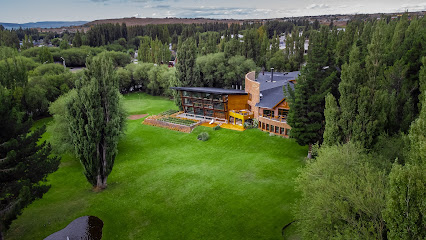
Santa Cruz Province and its capital Rio Gallegos represent a different Argentina than the cosmopolitan east coast. This is frontier Patagonia, where the LGBTQ+ community exists within a broader context of regional identity and natural landscape. Understanding Santa Cruz means recognizing it as an emerging destination rather than an established gay hub.
HISTORY OF THE LGBTQ+ SCENE
Santa Cruz's LGBTQ+ history parallels Argentina's broader journey toward equality. Argentina legalized same-sex marriage in 2010—one of the first countries in the Americas to do so—and this legal framework extended to the provinces. However, Rio Gallegos, as a smaller city in remote Patagonia, developed its visible LGBTQ+ community more slowly than Buenos Aires or Mendoza. The scene that exists today has grown primarily in the last 15 years, driven by younger residents, tourism, and broader cultural shifts. Community organizations and informal networks gradually became more visible, culminating in Pride celebrations that now occur annually in November.
NEIGHBORHOODS
Rio Gallegos, with approximately 80,000 residents, is compact and walkable. There is no established "gay neighborhood" in the traditional sense. Instead, the city center (Microcentro) contains most commercial establishments, including restaurants, bars, and shops frequented by LGBTQ+ people. The downtown area around Avenida Roca and Plaza San Martin serves as the social and commercial heart. Residential neighborhoods like Barrio Presidente Peron and Barrio Evita house most residents but lack specific LGBTQ+ infrastructure. The city's layout makes everything relatively accessible without needing to identify specific gay areas.
VENUES AND NIGHTLIFE
Rio Gallegos has limited dedicated LGBTQ+ venues compared to larger Argentine cities. The bar and club scene is modest. Venues that cater to or welcome LGBTQ+ clientele tend to shift, as smaller cities experience more fluidity in their establishments. Rather than recommending specific clubs that may have changed names or closed, travelers should seek current recommendations through social media groups, tourism offices, or hotel concierges upon arrival. Several restaurants and cafes in the city center are known as LGBTQ+-friendly gathering spots, and these remain relatively consistent.
The lack of multiple dedicated gay bars means LGBTQ+ locals and visitors often integrate into general nightlife venues. Weekend evenings in the downtown area typically feature mixed crowds at various restaurants and bars. Some establishments host special events or themed nights that attract LGBTQ+ patrons.
PRIDE AND COMMUNITY EVENTS
Rio Gallegos Pride (Orgullo) takes place annually in November, coinciding with spring in the Southern Hemisphere. The celebration has grown significantly in recent years, typically featuring a parade through downtown streets, cultural performances, workshops, and community gatherings. Attendance has increased as the city's LGBTQ+ community has become more visible and as tourism to Patagonia has expanded. The event remains smaller and more intimate than Buenos Aires Pride but carries genuine local significance.
Beyond Pride, community organizations occasionally host film screenings, lectures, and social gatherings. The LGBTQ+ community center or similar organizations can provide information about current events during a visit.
WHERE TO STAY
Rio Gallegos offers accommodations ranging from budget hostels to mid-range hotels. Several hostels welcome LGBTQ+ travelers and provide social atmospheres where travelers meet. Hotel choices are spread throughout the city rather than concentrated in a specific area. Since Rio Gallegos serves as a transit hub for travelers heading to El Calafate, Los Glaciares National Park, or Ushuaia, many accommodations cater to international visitors. Online reviews typically indicate which establishments are particularly welcoming to LGBTQ+ guests.
Argentina is generally safe and legally progressive regarding LGBTQ+ rights. Same-sex marriage, adoption, and gender identity recognition are legal nationwide. Rio Gallegos, as a provincial capital and modern city, has standard urban safety precautions. Violent crimes targeting LGBTQ+ people are rare. Most travelers move around freely, particularly in downtown areas and during daylight hours. As with any travel, standard precautions apply—avoiding isolated areas late at night and securing valuables.
TRANSPORTATION
Rio Gallegos has an international airport (Gobernador Gregores International Airport) with connections primarily through Buenos Aires and occasionally Santiago, Chile. The city is accessible by long-distance buses from other Patagonian destinations. Within Rio Gallegos, walking and taxis are the primary transportation methods. The city's compact size makes most areas reachable on foot. Rental cars are available for exploring the surrounding region.
FOOD AND DINING
Santa Cruz is known for Patagonian lamb and beef. Local restaurants emphasize regional cuisine, with high-quality meat being a staple. Several restaurants and cafes in the city center offer diverse dining options. LGBTQ+-owned or particularly welcoming establishments exist but change over time—local tourism offices can provide current recommendations. Asado (traditional Argentine barbecue) is a cultural experience worth seeking out. Coffee culture is strong, with cafes serving as social gathering spaces.
DAY TRIPS AND NEARBY ATTRACTIONS
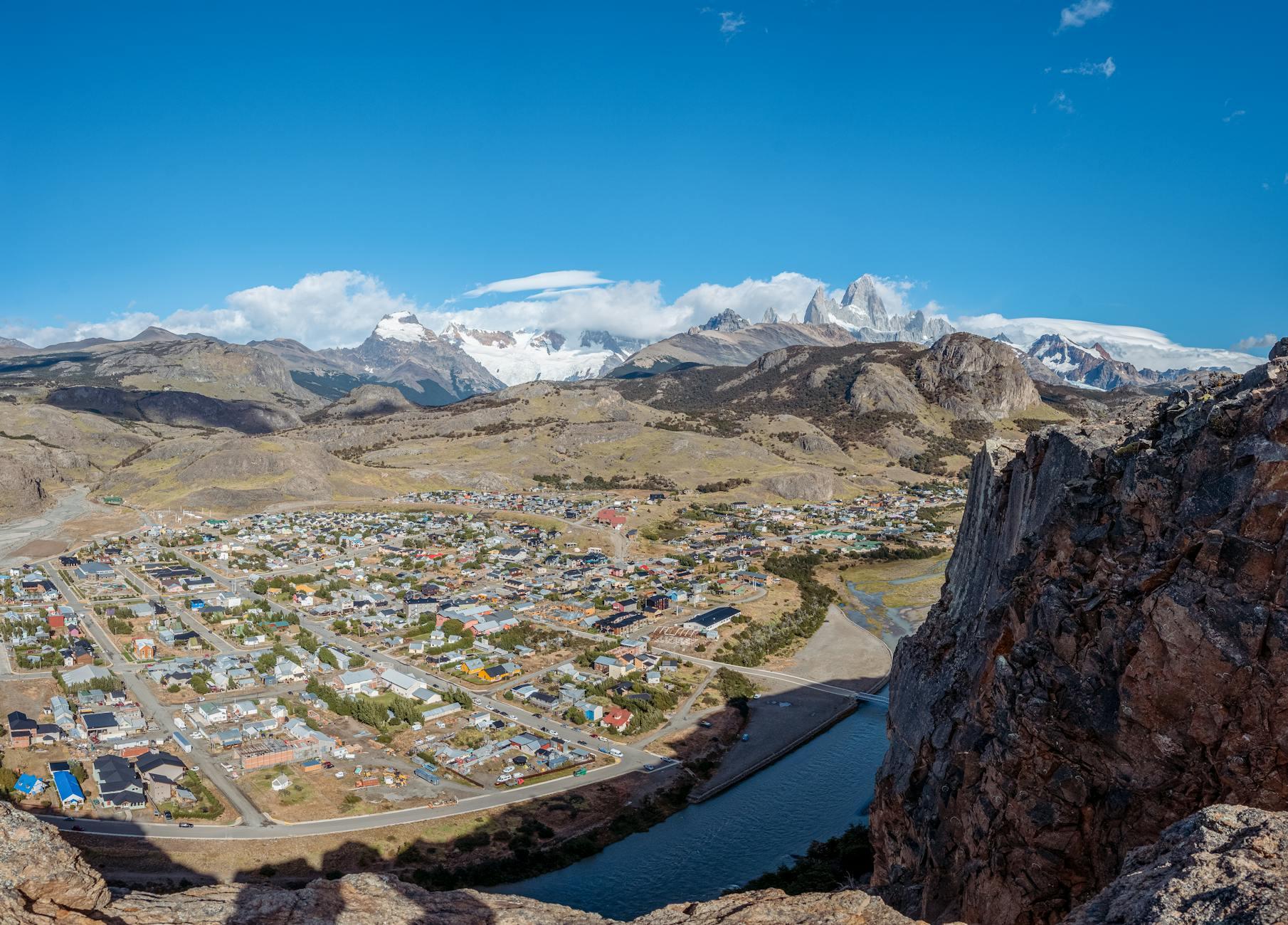
Rio Gallegos serves as a base for exploring Patagonia's natural wonders. El Calafate, approximately 320 kilometers north, is home to Perito Moreno Glacier and is easily accessed by a 4-5 hour drive or short flight. Los Glaciares National Park encompasses multiple glaciers and hiking trails. Ushuaia, further south, offers access to Tierra del Fuego National Park and represents one of the world's southernmost cities. These destinations are primary draws for most visitors to the region. Day trips from Rio Gallegos typically focus on regional attractions rather than LGBTQ+-specific activities.
CULTURAL CONTEXT
Visitors should approach Santa Cruz with realistic expectations. This is not a party destination or a concentrated LGBTQ+ tourism hub. Instead, it offers the experience of being part of a genuine, growing community in a remote and beautiful region. The reward lies in authentic connection, outdoor adventure, and experiencing Argentina beyond major urban centers. LGBTQ+ travelers often find the welcoming attitude of locals and the stunning landscape more memorable than commercial nightlife venues.
Frequently asked questions
Argentina has legalized same-sex marriage, and this legal framework extends to Santa Cruz Province. While there isn't a specific "gay neighborhood," the city center of Rio Gallegos is generally accessible and frequented by LGBTQ+ individuals.
There is no established "gay neighborhood" in Rio Gallegos. Instead, the city center (Microcentro), particularly around Avenida Roca and Plaza San Martin, contains commercial establishments frequented by LGBTQ+ people.
Rio Gallegos has limited dedicated LGBTQ+ venues. LGBTQ+ locals and visitors often integrate into general nightlife venues in the downtown area, which typically feature mixed crowds on weekend evenings.
Pride celebrations in Santa Cruz Province now occur annually in November.
The source guide does not mention specific LGBTQ+ hotels in Santa Cruz Province. Travelers may wish to seek recommendations from local tourism offices or hotel concierges upon arrival.
Santa Cruz Province is described as an emerging destination rather than an established gay hub. The visible LGBTQ+ community has developed more slowly than in larger cities like Buenos Aires or Mendoza, with the scene growing primarily in the last 15 years.
Your privacy choices.
We use cookies to run GayOut and, with your consent, measure usage. Learn more
Your privacy choices
We use cookies to keep GayOut running, remember your preferences, and (with your permission) measure how the site is used. You can accept all, reject all, or pick what you allow. Learn more
Essential
Required for sign-in, fraud prevention, CSRF protection and remembering your language. Cannot be disabled.
Always on
Remembers your favourites, dark mode and other interface preferences across visits.
Helps us understand which pages people visit (Google Analytics, server-side stats) so we can improve.
Used by campaign tracking pixels. None are active right now, reserved for future use.
Install GayOut
Add GayOut to your home screen for faster access, offline favourites, and Pride alerts.


 Gay-Friendly Hotel