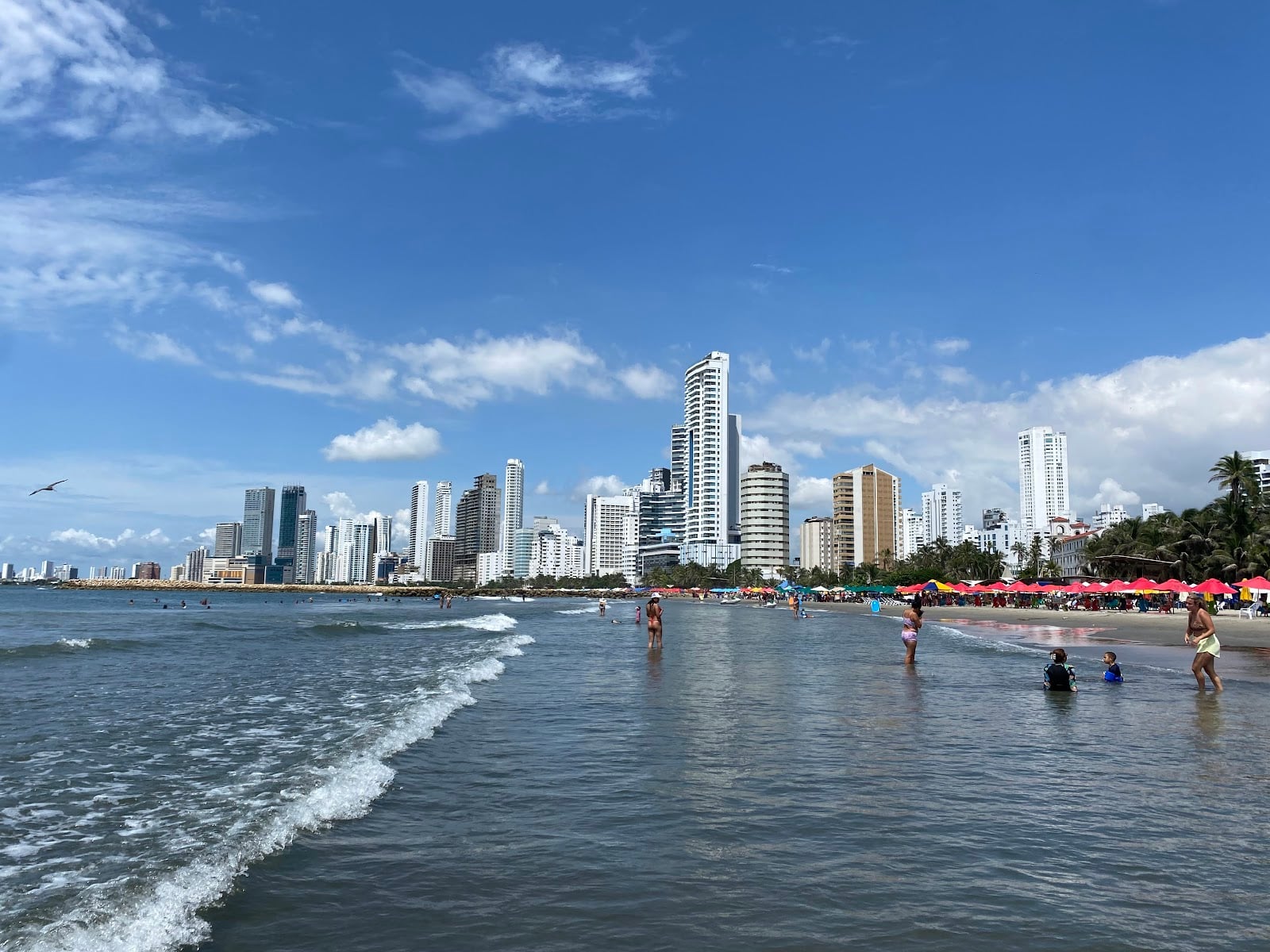
Cartagena has become a premier Caribbean destination for LGBTQ+ travelers, offering a unique combination of colonial history, natural beauty, and an increasingly visible queer scene. Located on Colombia's Caribbean coast, this UNESCO World Heritage city attracts visitors from around the globe who are drawn to its colorful architecture, nearby islands, and growing reputation as an LGBTQ+-friendly destination.
History of the LGBTQ+ Scene
Colombia has made significant legal progress regarding LGBTQ+ rights over the past two decades. Same-sex civil unions were recognized in 2009, and same-sex marriage has been legal since 2013. Colombia was also one of the first Latin American countries to recognize same-sex adoption rights. Cartagena, as the country's primary tourist destination and a cosmopolitan port city, has naturally become a hub for LGBTQ+ visibility and community activity.
The city's gay scene has grown substantially since the early 2000s, with Pride celebrations becoming increasingly prominent. Local LGBTQ+ organizations have worked to build community infrastructure and advocacy, though the scene remains less developed than in major cities like Bogotá or Medellín. The combination of tourism development and progressive local attitudes has created an environment where LGBTQ+ travelers feel relatively welcome, particularly in the historic center.
Neighborhoods
The historic walled city (Ciudad Amurallada) is the heart of Cartagena's tourism and nightlife, with most LGBTQ+-oriented venues concentrated here. The neighborhood of Getsemaní, adjacent to the walled city, has undergone significant gentrification and is known for its street art, boutique hotels, restaurants, and bars. This area has become increasingly popular with both LGBTQ+ tourists and young Colombians, offering a more bohemian atmosphere than the more touristy parts of the old city.
San Diego, within the walled city, is a charming residential neighborhood with colonial architecture, galleries, and smaller establishments. Many LGBTQ+ travelers stay in or near this area due to its character and proximity to nightlife.
Bocagrande is the modern beach district south of the walled city, where high-rise hotels, restaurants, and beachfront establishments cater primarily to mainstream tourists. While less specifically LGBTQ+-oriented, it offers beach access and is generally welcoming.
Venues and Nightlife
Cartagena's gay nightlife is concentrated in the walled city and centers on a handful of established venues. Popular spots have included clubs and bars in Getsemaní and the old city where LGBTQ+ locals and tourists gather. The scene tends to be smaller and more intimate than in major Latin American capitals, with an emphasis on dancing, drinks, and socializing rather than elaborate production.
Specific venues change with some frequency, and visitors are advised to check current guidebooks or ask hotel staff for up-to-date recommendations upon arrival. The concierge at LGBTQ+-friendly hotels can provide reliable current information about active nightlife spots.
During high tourism season, several venues host themed nights or events catering to LGBTQ+ crowds, particularly on weekends. The scene is generally mixed (both men and women) and tends toward a younger to middle-aged demographic.
Cartagena Pride typically occurs in June and has grown significantly in size and visibility over the past decade. The celebration includes a Pride parade, parties at multiple venues, and various community events. For travelers planning to visit during Pride season, accommodation should be booked well in advance as the city fills quickly. While Pride in Cartagena is significantly smaller than major European or North American Pride events, it has become an important celebration for Colombia's Caribbean coast.
The city also sees increased LGBTQ+ tourism during the Northern Hemisphere winter months (November through March) when many international travelers escape cold climates. Christmas and New Year's are particularly busy periods.
Where to Stay
Cartagena offers accommodation across all price ranges. The walled city contains numerous boutique hotels and guesthouses, many of which are LGBTQ+-owned or actively market to LGBTQ+ travelers. Staying in the walled city provides walkable access to most attractions and nightlife, though accommodation here tends to be pricier. Getsemaní offers slightly more budget-friendly options with bohemian character and proximity to the nightlife scene.
Bocagrande offers larger resort-style hotels with beach access, though it's further from the old city's character and nightlife. Most hotels throughout the city are welcoming to LGBTQ+ couples, though confirming this when booking is advisable.
Cartagena is generally safe for LGBTQ+ tourists who exercise standard urban precautions. Crime exists primarily in outlying neighborhoods not frequented by tourists; visitors should remain in the walled city, Getsemaní, and established tourist areas. Public displays of affection by same-sex couples may attract attention in some areas, though overt hostility toward tourists is uncommon. It's wise to exercise discretion, particularly in less touristic neighborhoods or outside the city proper.
Violent crime against LGBTQ+ individuals is not particularly prevalent in Cartagena compared to other major Latin American cities, though discrimination and verbal harassment can occur. Solo travelers should use standard safety practices, avoid isolated areas at night, and keep valuables secure. Most hotels and tour operators are accustomed to LGBTQ+ guests and provide safe environments.
Transit
Cartagena is easily navigable. The walled city is entirely walkable, and most LGBTQ+ travelers spend the majority of their time on foot. Taxis are inexpensive and readily available; Uber operates in the city. For day trips to nearby islands or the Caribbean coast, organized tours depart from the city center. The airport is approximately 10 kilometers from the city center and is accessible by taxi, pre-arranged shuttle, or rental car.
Food and Dining
Cartagena offers excellent Caribbean and Colombian cuisine. The walled city contains numerous restaurants ranging from casual to upscale, many with courtyards and romantic ambiance. Fresh seafood is a specialty. The city has developed a strong food scene in recent years, with young chefs creating innovative takes on traditional Colombian and Caribbean dishes.
Getsemaní has emerged as a dining destination with trendy restaurants and casual eateries popular with young professionals and tourists. Many restaurant owners and staff are LGBTQ+-identified, and the dining scene is notably welcoming.
Day Trips and Attractions
The Rosario Islands (Islas del Rosario), a national park comprising about 30 islands, are accessible by boat from Cartagena and offer beaches, snorkeling, and diving. Multiple tour operators offer day trips and overnight stays. These islands are a major draw for visitors and provide a Caribbean island experience without lengthy travel.
The San Felipe fortress (Castillo San Felipe de Barajas) is a historic military fortress with panoramic city views. Playa Blanca, a beach on a nearby island, is a popular day-trip destination.
The walled city itself contains numerous galleries, museums, churches, and colonial architecture worth exploring. Walking tours of the historic center are widely available.
Practical Information
Colombia's currency is the Colombian peso. While Cartagena is a tourist destination where US dollars are sometimes accepted, pesos are necessary for most transactions. ATMs are widely available in the walled city and Getsemaní.
The primary language is Spanish. While tourism workers and hotel staff often speak English, learning basic Spanish phrases is helpful and appreciated.
Visitors from most countries can enter Colombia visa-free for up to 90 days. Visitors should confirm current requirements with Colombian immigration.
The best time to visit is during the dry season (December through March), though Cartagena is a year-round destination. September and October are the wettest months but also see fewer tourists and lower prices.
Cartagena represents an increasingly accessible LGBTQ+ destination in South America, combining cultural richness, natural beauty, and a welcoming tourism infrastructure. While the dedicated LGBTQ+ scene is smaller than in major cosmopolitan centers, the city's overall character and the warmth of both the local LGBTQ+ community and tourism sector make it an excellent choice for travelers seeking a Caribbean experience with queer-friendly hospitality.
Frequently asked questions
Cartagena has become a notable LGBTQ+ destination, reflecting broader progressive attitudes in Colombia. While homosexuality was decriminalized in 1980, social acceptance has evolved gradually. The tourism industry has encouraged LGBTQ+-friendly businesses.
The Old City (Ciudad Amurallada) is the primary tourist and entertainment district with LGBTQ+-friendly establishments. Getsemaní, within the Old City walls, is considered the de facto gay quarter with a significant LGBTQ+ clientele.
Cartagena Pride (Orgullo LGBT Cartagena) typically occurs in June. Pride events have become regular fixtures on the city calendar.
Wine bars and cocktail lounges in Getsemaní attract mixed crowds including significant gay patronage. Some venues host drag shows and themed nights, particularly around Pride season. Many LGBTQ+ travelers socialize in hotel bars and restaurants.
Cartagena's gay scene is present but smaller and more seasonal than in Bogotá or Medellín. The scene tends to be sophisticated, with many travelers socializing in hotel bars, restaurants, and boutique venues.
While specific hotel recommendations change frequently, the Old City and Getsemaní neighborhoods have a concentration of LGBTQ+-friendly establishments. Bocagrande also has some beach clubs and restaurants that are LGBTQ+-friendly.
Your privacy choices.
We use cookies to run GayOut and, with your consent, measure usage. Learn more
Your privacy choices
We use cookies to keep GayOut running, remember your preferences, and (with your permission) measure how the site is used. You can accept all, reject all, or pick what you allow. Learn more
Essential
Required for sign-in, fraud prevention, CSRF protection and remembering your language. Cannot be disabled.
Always on
Remembers your favourites, dark mode and other interface preferences across visits.
Helps us understand which pages people visit (Google Analytics, server-side stats) so we can improve.
Used by campaign tracking pixels. None are active right now, reserved for future use.
Install GayOut
Add GayOut to your home screen for faster access, offline favourites, and Pride alerts.


 Gay-Friendly Bars & Clubs