



У цьому посібнику · 22 розділів
- The law in 2026
- The scene: one queer pub and friendly Blloku
- DOT the bar · Rruga Reshit Çollaku, Blloku
- Gay-friendly bars
- By day
- Community groups
- Aleanca LGBT (Alliance Against LGBT Discrimination)
- Pro LGBT
- PINK Embassy
- Streha
- Tirana Pride
- Where to stay
- Local colour
- Practical tips
- A few words of Albanian
- At a glance
- Frequently asked questions
- Is being gay legal in Albania?
- Are there gay bars in Tirana?
- When is Tirana Pride?
- Is Tirana safe for gay travellers?
- Are there gay saunas or cruising spots in Tirana?
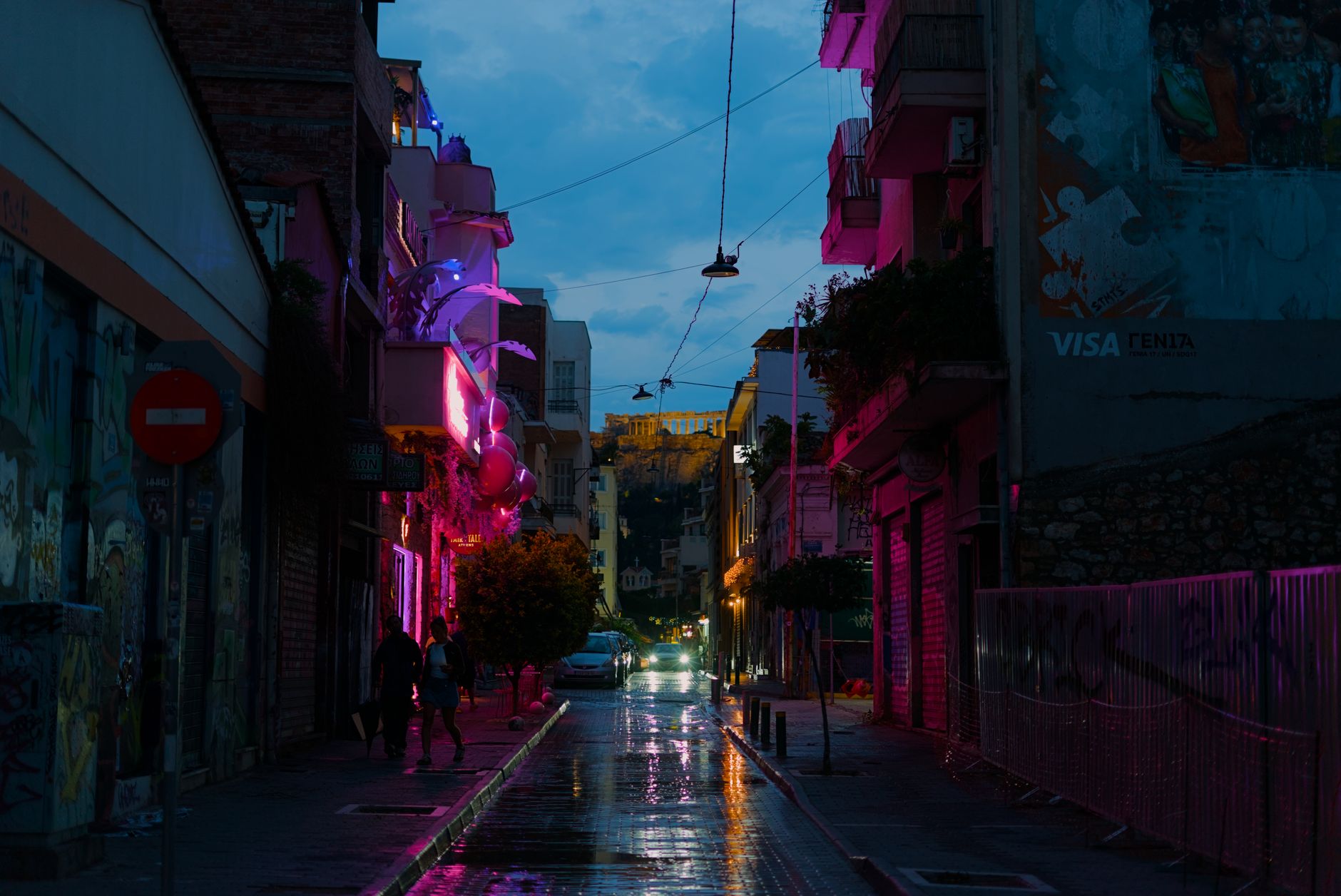
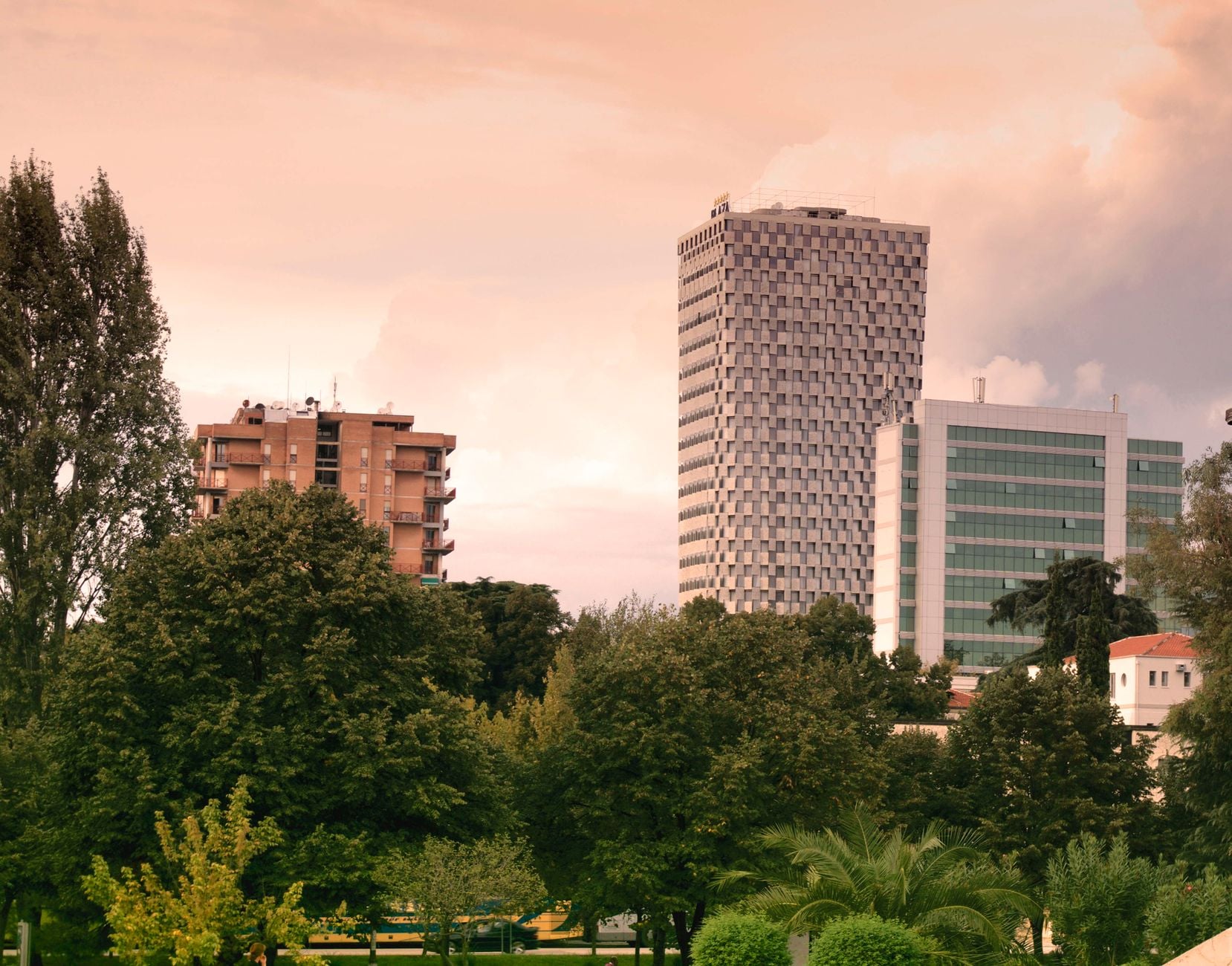
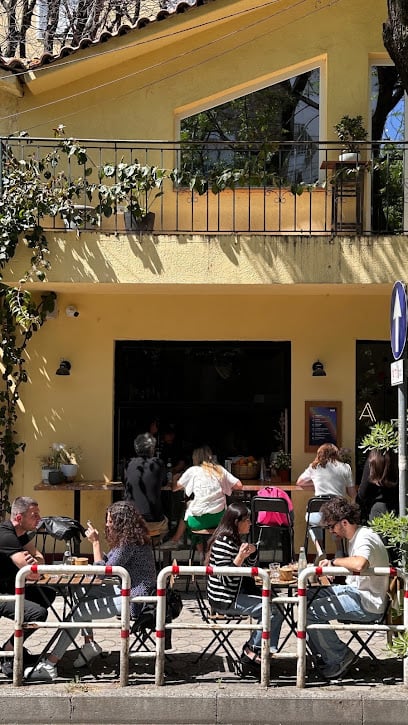
Tirana smells of espresso and warm pastry in the morning: a slab of byrek from a corner bakery, a tiny coffee on a terrace, and traffic swirling around a Skanderbeg Square that was paved over and given back to pedestrians. The city's buildings are painted in loud stripes and blocks of colour, its old bunkers have become museums, and at dusk half the population walks the xhiro along the main boulevard. Thirty-five years ago, the leafy streets of Blloku were sealed off for the communist elite under a regime that jailed men for loving men; today they are full of cocktail bars and the most liberal crowd in the country. The gay scene is small: one openly queer pub, a handful of bars where nobody cares who you came with, a busy activist community and a Pride march every May. Society is still conservative and much of gay life happens on the apps and behind closed doors. Come with the right expectations and Tirana is warm, cheap and full of surprises.
Legal in one line: sex between men has been legal in Albania since 1995, anti-discrimination law has covered sexual orientation and gender identity since 2010, and a gender equality law passed in November 2025 extends protection to gender expression, but same-sex couples have no marriage or civil union and there is no legal gender recognition.
The law in 2026
- Legal since 1995. Parliament decriminalised same-sex relations in January 1995.
- Anti-discrimination: the 2010 Law on Protection from Discrimination, adopted unanimously, covers sexual orientation and gender identity in work, services, education, health and housing, and set up a Commissioner for Protection from Discrimination. Since 2013 the Criminal Code has treated crimes motivated by sexual orientation or gender identity like other hate-motivated offences.
- Gender equality law: in November 2025 Parliament adopted the law "On Gender Equality", which, according to ILGA-Europe, also protects sexual orientation, gender identity and gender expression. The debate before the vote brought a wave of disinformation claiming it would introduce same-sex marriage. It does not.
- No partnership recognition: same-sex couples cannot marry or register a partnership. A strategic court case seeking recognition of same-sex marriage was pending before the Administrative Court of Appeal, according to ILGA-Europe's 2026 review.
- Trans people: there is no gender identity law and no way to change a gender marker on the basis of self-identification; a national protocol for hormone treatment had been drafted but was still not adopted at Pride in May 2026.
- Conversion therapy: in 2020 the Order of Psychologists barred its members from practising it.
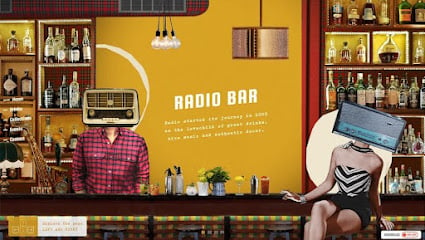
- Radio Bar, Rruga Ismail Qemali, Blloku: a retro bar behind a small red awning, full of old radios and TVs, with a covered courtyard and soul, funk and Balkan tracks. It's the bar most often recommended to gay visitors. Cocktails cost roughly 650–900 lek; over-20s only.
- Nouvelle Vague, Rruga Pjetër Bogdani, Blloku: a colourful cocktail bar with a covered patio and drinks built on local spirits such as raki, ranked No. 43 on The World's 50 Best Bars 2026. It gets busy, so go early.
- Kino, Rruga Pjetër Bogdani, Blloku: a cinema-themed bar that turns into a packed late-night party at weekends. Mixed rather than queer, but it's where many nights end.
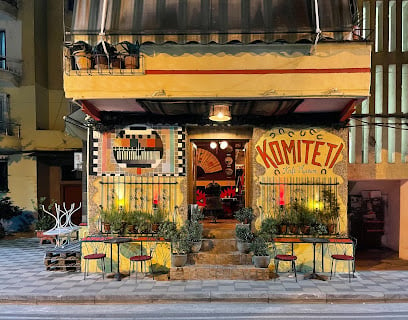
- Komiteti, Rruga Papa Gjon Pali II: café, bar and museum in one, crammed with communist-era objects, with a long raki list. Good for a first drink.
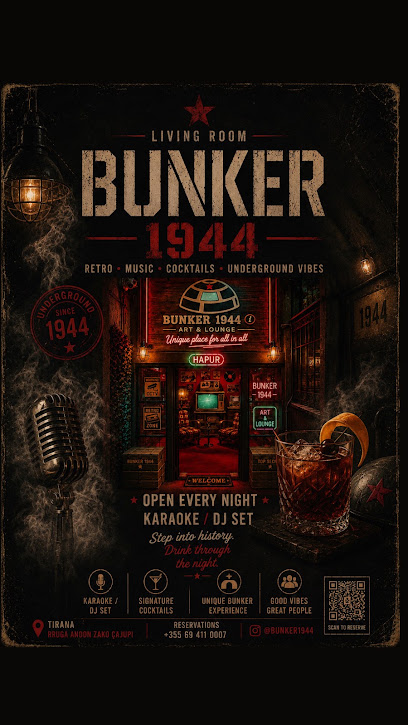
- Bunker 1944, Blloku: a small bunker-themed bar with vintage décor and karaoke, popular with the alternative crowd. Visitors report a picky door when it's busy.
- Tunel Dance Club, Rruga Ludovik Shllaku: techno and electronic music with a terrace and a young, mixed crowd, on Friday and Saturday nights after midnight. Visitors in 2026 mentioned about €5 entry and a selective door.
- Destil Creative Hub, Blvd. Zogu I: a café, bar and arts space named after the Dutch De Stijl movement, with exhibitions, music and talks, open roughly 08:00–24:00. In Your Pocket calls it "one of the few true LGBTQ+ venues in town". The best daytime place to meet Tirana's creative queer crowd.
- Hana Corner Café, Rruga Gjin Bue Shpata 4: a mainstream café for coffee, breakfast and brunch, handy for a first meeting with someone from the apps.
- Pop-up parties happen a few times a year, especially around Pride, and are announced on the community groups' Instagram accounts and by word of mouth.
- Two men walking together is normal here, even arm in arm. Kissing or holding hands in public is not, and may draw stares or comments. Keep it for DOT and the friendlier Blloku bars.
- On the apps, chat for a while, meet in a busy café or bar first, and tell a friend where you're going. Be wary of anyone who pushes to meet somewhere remote or asks for money.
- Many men here are not out to their families. Don't photograph, tag or name people without asking.
- Keep your phone and wallet close in crowded places; petty theft happens.
- If something goes wrong, contact Aleanca LGBT's SOS line. The police number is 129.
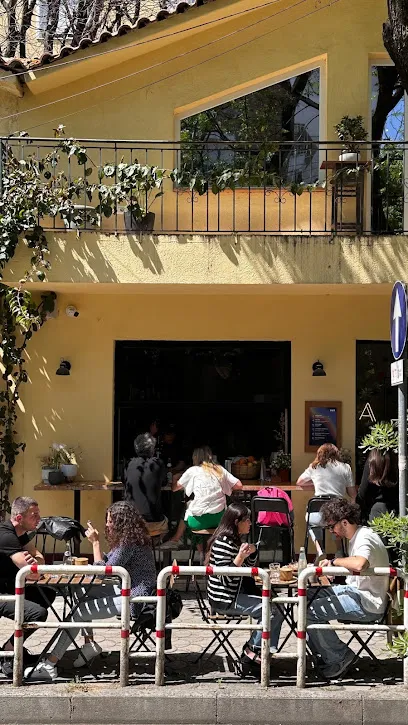
- Byrek. Flaky filo pie filled with cheese, spinach, meat or tomato and onion, sold hot from bakeries from early morning. Breakfast, lunch and the snack after a night out.
- Tavë kosi. The national dish: lamb baked with rice under a thick, tangy layer of yoghurt and eggs, from Elbasan. Order it in a traditional restaurant, along with fërgesë, a rich bake of peppers, tomatoes and cottage cheese that Tirana claims as its own.
- Raki and coffee. Raki, usually grape, is poured for guests and celebrations; coffee is the city's social glue, and a "coffee" with friends can last all afternoon.
- The xhiro. At sunset, join the slow evening stroll along Dëshmorët e Kombit, then move on to Blloku for a drink.
- Blloku and the dictator's house. Enver Hoxha's villa in Blloku, Vila 31, opened in 2024 as an artists' residency and exhibition space. For a gay visitor, standing in the dictator's house among free-thinking artists is a quietly powerful moment. Check what's on before you go.
- Nod for no. Older Albanians traditionally nod to mean no and shake their head to mean yes. Use the words po (yes) and jo (no) to be sure.
- Getting there: Tirana International Airport (Rinas) is about 17 km from the centre. An airport bus runs hourly around the clock to a stop behind the National Theatre of Opera and Ballet, near Skanderbeg Square, for about 400 lek at the time of writing; an airport taxi costs roughly 2,500–3,000 lek.
- Getting around: the centre and Blloku are walkable. City buses cost about 40 lek, paid in cash to the conductor, and stop around 23:00, so take a taxi home at night. Uber and Bolt don't operate in Albania; use a metered taxi, a local taxi app, or ask the bar to call a cab.
- Money: the currency is the lek (ALL). Bigger venues take cards, but most small bars, bakeries and taxis want cash, so carry small notes.
- Apps: Grindr is the main app and works without restrictions. Many local profiles are faceless or discreet; be patient and respectful.
- Health: if a condom breaks, PEP must start within 72 hours: go to the emergency department at QSUT (Mother Teresa University Hospital Centre) and ask for the infectious diseases service. The community groups can point you to confidential HIV testing.
- Tung – hi. Përshëndetje – hello (more formal). Mirupafshim – goodbye.
- Faleminderit – thank you. Ju lutem – please.
- Po / Jo – yes / no.
- Një byrek me djathë, ju lutem – a cheese byrek, please.
- Sa kushton? – how much is it?
- Gëzuar! – cheers!
- Ndihmë! – help! Policia – police.
- Parada e Krenarisë – the Pride parade. Bashkë për familjen – together for the family, the 2026 Pride slogan.
The scene: one queer pub and friendly Blloku
Tirana has no gay street, no sauna and no cruise bar. Queer nightlife centres on one pub and on a few mainstream bars in Blloku where a same-sex couple or a group of queer friends won't stand out. Evenings start late: terraces fill from around 21:00 and bars peak after 23:00 on Fridays and Saturdays. For more detail, prices and hours, see our gay Tirana bars guide.

DOT the bar · Rruga Reshit Çollaku, Blloku
The only venue in Tirana that openly calls itself queer, billing itself as Albania's first queer pub. It's small and relaxed, with cocktails, music, events and a crowd of queer locals, friends and curious visitors. Start here, have a drink and ask the bartender what's on that weekend. Hours change often, so check its Instagram or Google listing before you go.
Gay-friendly bars

By day
Saunas and cruising: there's no gay sauna, cruise bar or darkroom in Tirana, and we don't list outdoor spots. In a conservative city where people talk, the risks of being outed, robbed or reported are real. Meet people through the apps or at events, and go somewhere private.
Community groups
These are activist organisations, not walk-in venues. Contact them online first; they are the best source for events and the first call if something goes wrong.

Aleanca LGBT (Alliance Against LGBT Discrimination)
Founded in March 2009 by a group of volunteers, Aleanca is one of Albania's main LGBTI rights groups and a co-organiser of Pride. It is led by activist Xheni Karaj, runs the SOS LGBT help line (soslgbt.al) and works with Streha. Public contacts: aleancalgbt.org, aleanca.al@gmail.com, +355 69 305 3764.
Pro LGBT
Founded in March 2012 by journalist and activist Kristi Pinderi, Pro LGBT focuses on awareness and storytelling and runs the news portal Historia Ime ("My Story"). It is one of the Pride organisers; contact it through its social media.

PINK Embassy
A separate, long-running LGBTI rights organisation (also known as PINK Embassy / LGBT Pro Shqipëri) working on anti-discrimination, health and legal advocacy, with campaigns around 17 May. Website: pinkembassy.al.
Streha
Opened in December 2014 and co-founded by Kristi Pinderi, Streha (Albanian for "shelter") was the first residential shelter for homeless LGBTQ young people in South East Europe. Its address is confidential; it isn't a place to visit, but it is a cause many visitors choose to support.
Stay safe: Tirana is generally safe to walk at night and violent crime against tourists is rare. The pressure on LGBTI people is social and, increasingly, online. In 2025 activists' names and workplaces were circulated online with accusations of being "foreign agents", and prosecutors declined to open a case, according to ILGA-Europe. In an Aleanca LGBT survey, about 61% of respondents said they had experienced or witnessed discrimination or violence in the past year, mostly in public spaces and online. After the 2026 march, a pastor and a Tirana city councillor published photos of two girls who had taken part, which 28 civil society groups condemned.

Tirana Pride
Albania's first Pride action took place in May 2012, when Kristi Pinderi and eight other activists rode bicycles down Dëshmorët e Kombit boulevard. Pride has been held every May since, around the International Day Against Homophobia, Biphobia and Transphobia (17 May). In 2025 the march, under the slogan "Side by side", drew hundreds of people, including the Minister of Health and Social Protection and diplomats from Sweden, Canada and the EU.
Tirana Pride 2026 took place on Saturday 23 May under the slogan Bashkë për familjen ("Together for the Family"), a reply to a year of disinformation portraying LGBTI people as enemies of the family. The march started and ended at Reja (The Cloud), the pavilion near the National Gallery of Arts, and passed along Dëshmorët e Kombit. Reporter.al counted hundreds of activists, residents and diplomats. Deputy Prime Minister Albana Koçiu and EU Ambassador Silvio Gonzato spoke ("equality is not optional"), Aleanca's Livia Zotrija paid tribute to parents who had spoken out for their LGBT children, and speakers noted that a health protocol for trans people, promised more than a year earlier, was still not adopted. No incidents were reported at the march itself.
The 2027 date had not been announced in October 2026; expect May, and follow Aleanca LGBT and Pro LGBT on social media. Walk to and from the march in a group. See the Tirana Pride page.
Where to stay
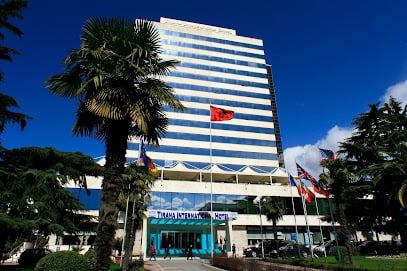
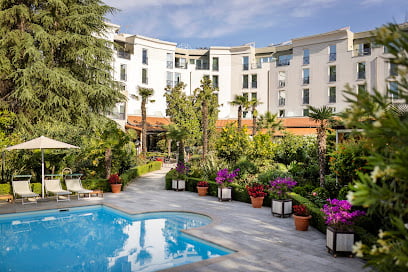
There are no gay hotels in Albania; GayOut lists 14 gay-friendly hotels in Tirana. For nightlife, stay in or near Blloku or around Skanderbeg Square: options include Theranda Boutique Hotel on Rruga Andon Zako Çajupi, close to Blloku, the Rogner Hotel on the main boulevard, and Hotel Tirana International on the square itself. If you're meeting people from the apps, expect to be the one hosting: most young Albanians live with their parents until they marry, so choose a place that allows guests.
Local colour
Practical tips

A few words of Albanian
At a glance
| Place | Type | Where | When | Note |
|---|---|---|---|---|
| DOT the bar | Queer pub | Rruga Reshit Çollaku, Blloku | Evenings; check Instagram | Start here |
| Radio Bar | Retro bar, gay-friendly | Rruga Ismail Qemali, Blloku | Day to late | Cocktails ~650–900 lek; over-20s |
| Nouvelle Vague | Cocktail bar, LGBTQ+-friendly | Rruga Pjetër Bogdani, Blloku | Evenings | World's 50 Best Bars 2026; go early |
| Kino | Party bar | Rruga Pjetër Bogdani, Blloku | Late, weekends | Mixed crowd, dancing |
| Komiteti | Museum café-bar | Rruga Papa Gjon Pali II | Day to late | Raki list |
| Bunker 1944 | Themed bar, karaoke | Blloku | Evenings | Picky door when busy |
| Tunel | Techno club | Rruga Ludovik Shllaku | Fri–Sat after midnight | ~€5 entry; selective door |
| Destil Creative Hub | Arts café-bar | Blvd. Zogu I | ~08:00–24:00 | Creative queer crowd |
| Hana Corner Café | Café | Rruga Gjin Bue Shpata 4 | Daytime | App meetups |
| Aleanca LGBT | LGBTI rights group | No walk-in office | +355 69 305 3764 | SOS help line; Pride |
| Pro LGBT | LGBTI rights group | No walk-in office | Social media | Historia Ime; Pride |
| PINK Embassy | LGBTI rights group | No walk-in office | pinkembassy.al | Advocacy, health |
| Tirana Pride | Pride march | Central Tirana | May; 2026 edition 23 May | 2027 date TBA |
Frequently asked questions
Is being gay legal in Albania?
Yes. Sex between men has been legal since 1995, and anti-discrimination law has covered sexual orientation and gender identity since 2010. Same-sex couples cannot marry or register a partnership, and there is no legal gender recognition.
Are there gay bars in Tirana?
One, more or less. DOT the bar in Blloku bills itself as Albania's first queer pub. Everything else is gay-friendly rather than gay: Radio Bar, Nouvelle Vague and Kino in Blloku, plus Destil Creative Hub by day and the techno club Tunel at weekends.
When is Tirana Pride?
In May. The 2026 march took place on Saturday 23 May under the slogan Together for the Family, starting and ending at The Cloud pavilion and passing along the main boulevard. The 2027 date had not been announced in October 2026.
Is Tirana safe for gay travellers?
Most visitors have no problems and the city is generally safe at night. Society is conservative, though, and online hate against LGBTI people rose in 2025 and 2026. Keep public affection for Blloku's friendlier bars, meet app contacts somewhere busy first, and take a taxi home late.
Are there gay saunas or cruising spots in Tirana?
No. Tirana has no gay sauna, cruise bar or darkroom, and we don't list outdoor spots. Men meet through Grindr and other apps, and because most locals live with family, visitors usually host.
Part of the GayOut city guides. See our gay Tirana bars guide and the Albania country guide, or cross the border with our gay Pristina guide.
