



In this guide · 5 sections
Staying in Tirana: A Practical Guide for LGBTQ+ Travelers
Tirana isn't hiding its past, but it's certainly moving on. The city has shed much of its communist-era austerity to become a modern, if sometimes chaotic, European capital. There are no "gay hotels" here in the traditional sense. What you will find, however, is a growing number of accommodations that explicitly welcome LGBTQ+ guests. These aren't just places to sleep; they’re bases for exploring a city that is rapidly becoming more open and tolerant. Whether you want a boutique stay in a historic building or a self-catering apartment near the action, the options are improving. The focus is on safety, comfort, and getting you close to the city’s social center.
Where to Stay: The Neighborhoods That Matter
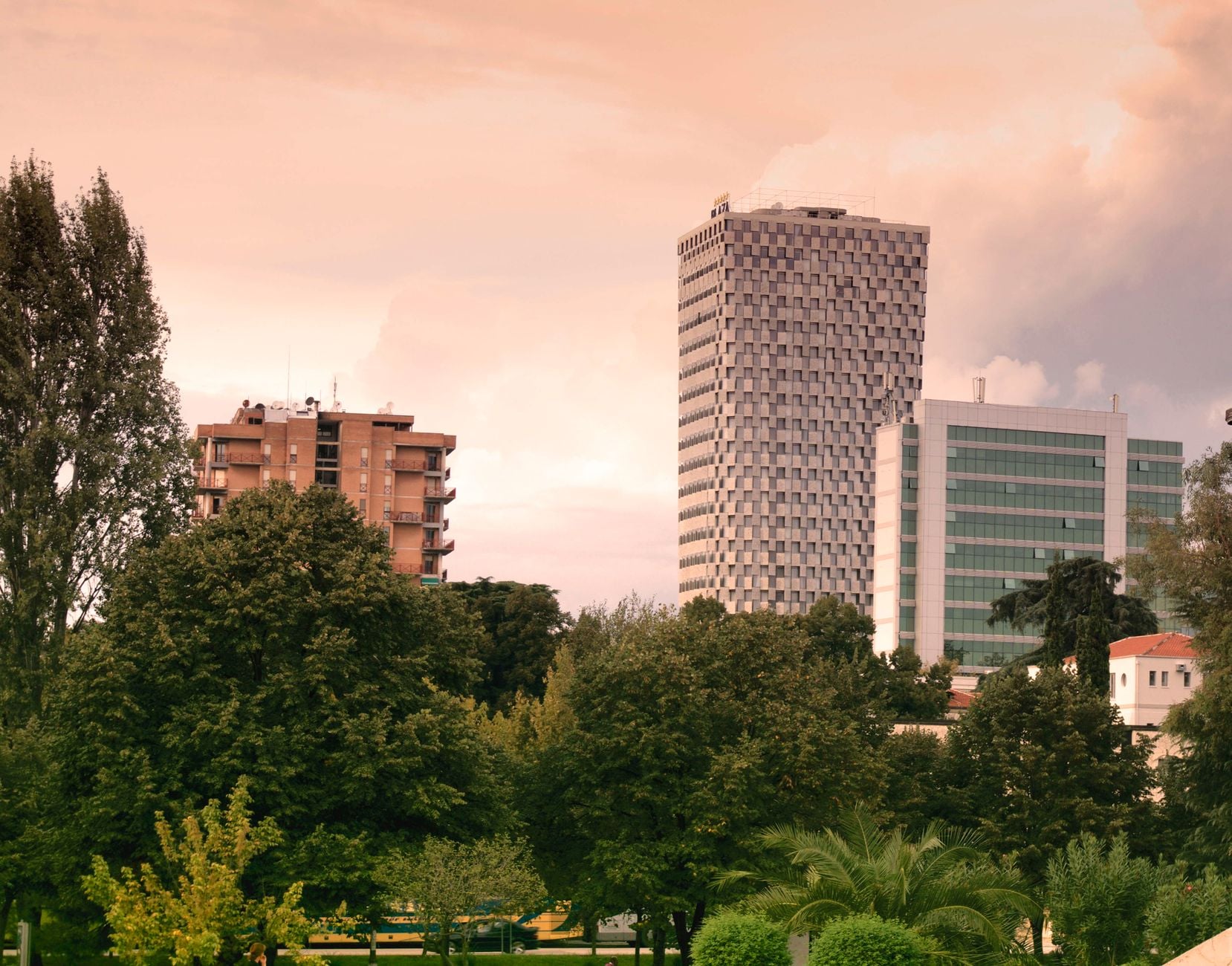
Life in Tirana is concentrated in the center. If you want to be where the bars, cafes, and people are, you need to be in Blloku. Once the exclusive residential zone for the communist elite, it is now the city’s beating heart. It’s packed with trendy bars, restaurants, and clubs. Most of the most welcoming hotels are either in Blloku or a short walk away. Staying here means you can walk to dinner, nightlife, and the main attractions without a car.
Just outside Blloku, the area around Skanderbeg Square and the main boulevards offers a different vibe. This is where the museums, government buildings, and independent shops are. It’s quieter than Blloku but still central. You’re close to the cultural landmarks and have excellent access to public transport. If you prefer a broader view of the city’s urban layout over the immediate buzz of the club district, this is the spot.

Stays That Welcome Everyone
Choosing the right hotel comes down to what you value: service, location, or independence. Here are the properties that stand out for their inclusive policies and practical amenities.
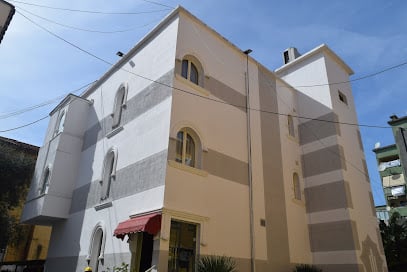
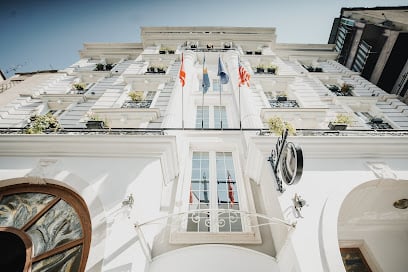
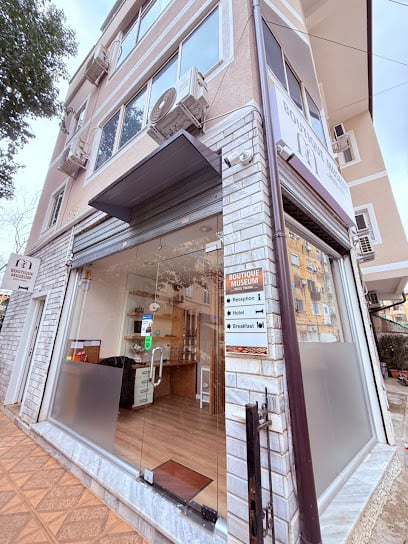
Museum Boutique Hotel Tirana is the top pick for those who want style and explicit inclusivity. It’s located in a prime spot for exploring the city’s cultural side. The design leans into local art and history, giving you a taste of Albanian culture without the lecture. The service is personalized, and the atmosphere is warm. If you want to feel looked after, this is it.
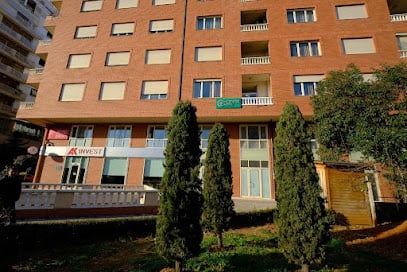
Heart Of Tirana Apartments is for the independent traveler. It’s central, inclusive, and gives you the freedom of an apartment. You get a private space that feels like home, with easy access to the cafes and nightlife nearby. It’s a solid choice for couples or solo travelers who don’t want to rely on hotel dining or housekeeping. You’re in the middle of it all, but on your own schedule.
Stay By Ilvesta Central Tirana positions itself as a modern, inclusive option in the capital. Its main draw is the location. You’re close to the main attractions and the social scene. The rooms are modern, and the amenities are designed for a hassle-free stay. It’s a safe bet for travelers who want a reliable, centrally located base that welcomes all guests.
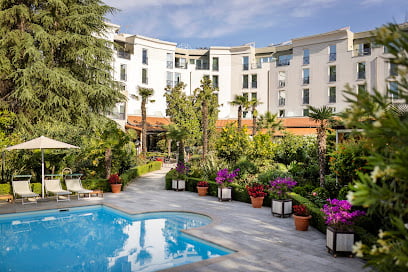
Hotel Oresti Center, Tirana offers a more relaxed, unpretentious vibe. It has modern rooms, complimentary breakfast, and a garden terrace. It doesn’t market itself specifically to the LGBTQ+ community, but the atmosphere is welcoming and the location is convenient. If you want a quiet place to unwind after a day of exploring, the terrace is a nice touch. It’s about comfort and simplicity.
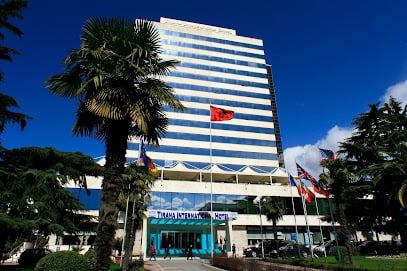
Mercure Tirana brings the reliability of an international brand to Albania. If you value consistency and a known standard of service, this is your choice. It’s modern, well-located, and maintains a high level of quality. For many travelers, the global reputation of the Mercure brand for inclusivity provides a layer of assurance. It’s a dependable option for those who prefer a structured, professional hotel experience.
Nights Out: What to Expect
Tirana’s nightlife is integrated into the general social scene rather than segregated into a specific "gay district." Blloku is the hub. You’ll find a mix of cocktail bars, cafes that turn into evening spots, and clubs playing various genres of music. The vibe is friendly and open. There’s a sense of freedom in the air, a reaction to the city’s recent history.
Expect a mix of local and international music. Some spots feature DJs, others have live performances. The atmosphere ranges from chic in the upscale Blloku bars to casual in other central areas. Dedicated LGBTQ+ events aren’t nightly, but most venues have inclusive policies. It’s a social scene where locals and international visitors mingle. The best nights to go out are Thursday, Friday, and Saturday. The crowd in popular bars tends to be in their 20s and 30s, but it’s mixed. You’ll likely find yourself enjoying a drink alongside locals and other travelers.

Practical Tips
Getting There: Tirana International Airport Nënë Tereza (TIA) is about 17 kilometers northwest of the center. You can take a taxi (agree on the fare before you get in or use an app) or the Rinas Express bus, which runs regularly to Skanderbeg Square. Most hotels mentioned here are within walking distance or a short taxi ride from the square.
Dress Code: Tirana is modern and secular. During the day, dress casually. For evenings out, smart casual is appropriate. While Albania is a predominantly Muslim country, Tirana is liberal. You’ll see a wide range of styles. Dress comfortably and stylishly, and you’ll fit right in. There’s no strict dress code, but looking put-together is appreciated in the nicer bars.
Ages: The legal drinking age is 18. The nightlife attracts a range of ages, but the main bars in Blloku tend to be crowded with people in their 20s and 30s. Most hotels welcome all adults. If you have specific concerns about age policies at a venue, check ahead. Generally, the city is welcoming to mature travelers.
Safety: Tirana is considered safe for tourists, including LGBTQ+ travelers. Overt discrimination is not common in the city center. However, use common sense. Be aware of your surroundings, especially at night. Keep valuables secure. If you feel uncomfortable, be discreet. The general atmosphere is one of growing tolerance. If you encounter any issues, contact your hotel for assistance or reach out to local authorities. Most visitors report feeling safe and welcome.