Tirana Pride, Albania's biggest LGBTQ+ event, happens every May. It's put on by Aleanca LGBT. This is one of the fastest-growing…
Travel Guide
Gay Tirana — Your Complete Guide
Everything worth knowing before you go.
Gay venues
18
LGBTQ+ status
Welcoming
Tirana, Albania's capital, blends Balkan tradition with evolving social attitudes. While same-sex relationships have been legal since 2010, the reality for LGBTQ+ individuals is still developing. Tirana, as the country's largest city, hosts the most visible LGBTQ+ community in Albania, though it is smaller and less established than in major Western European cities.
Albania's post-communist transition in the 1990s shaped a complex social landscape. However, younger generations and urban populations are increasingly open to LGBTQ+ identities. Tirana's LGBTQ+ community has gained visibility, with Pride events emerging in the 2010s. The scene is less overt than in other European capitals, which may appeal to travelers seeking a more local experience, while also reflecting ongoing social considerations.
Tirana's city center, centered around Skanderbeg Square, contains most amenities and social spaces. The areas near Rruga Barrikadave and the Lana River encompass downtown venues. Blloku, once a restricted zone, is now a trendy district with upscale bars, restaurants, and cafes frequented by younger residents, including LGBTQ+ patrons. This area is known for its tree-lined streets and pedestrian-friendly atmosphere. Cafes in the Vake neighborhood and around the National Museum also serve as informal gathering spots for queer communities. Most LGBTQ+ venues and activities are concentrated in these central areas, easily accessible by foot or short taxi rides.
The landscape of LGBTQ+ venues in Tirana can change. Historically, several bars and clubs have attracted queer crowds, but specific establishments may shift ownership or focus. Downtown areas generally offer the most consistent social spaces. For the most current information on venues, checking local resources, LGBTQ+ travel forums, and social media groups is advisable, as recommendations can quickly become outdated in an emerging scene. Cafes throughout downtown and Blloku function as informal meeting places. The broader bar and club scene in Tirana, while not exclusively gay, welcomes queer patrons, particularly in central and Blloku locations.
Tirana Pride typically takes place in May, organized by LGBTQ+ advocacy groups. The event has grown in visibility and attendance over the past decade, with marches through central Tirana and associated cultural programming. Exact dates and the scale of the event can vary annually, so advance research is recommended. While the event generally proceeds safely with police presence, some years have seen counter-protests, reflecting ongoing social conservatism in parts of Albanian society. Throughout the year, LGBTQ+ film festivals and cultural events may occur, typically announced through local media and LGBTQ+ organizations.
Where to Stay
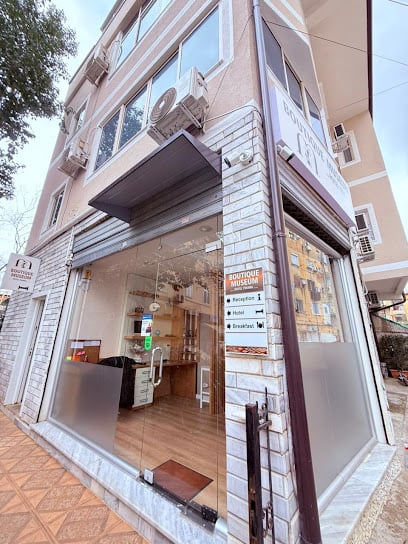
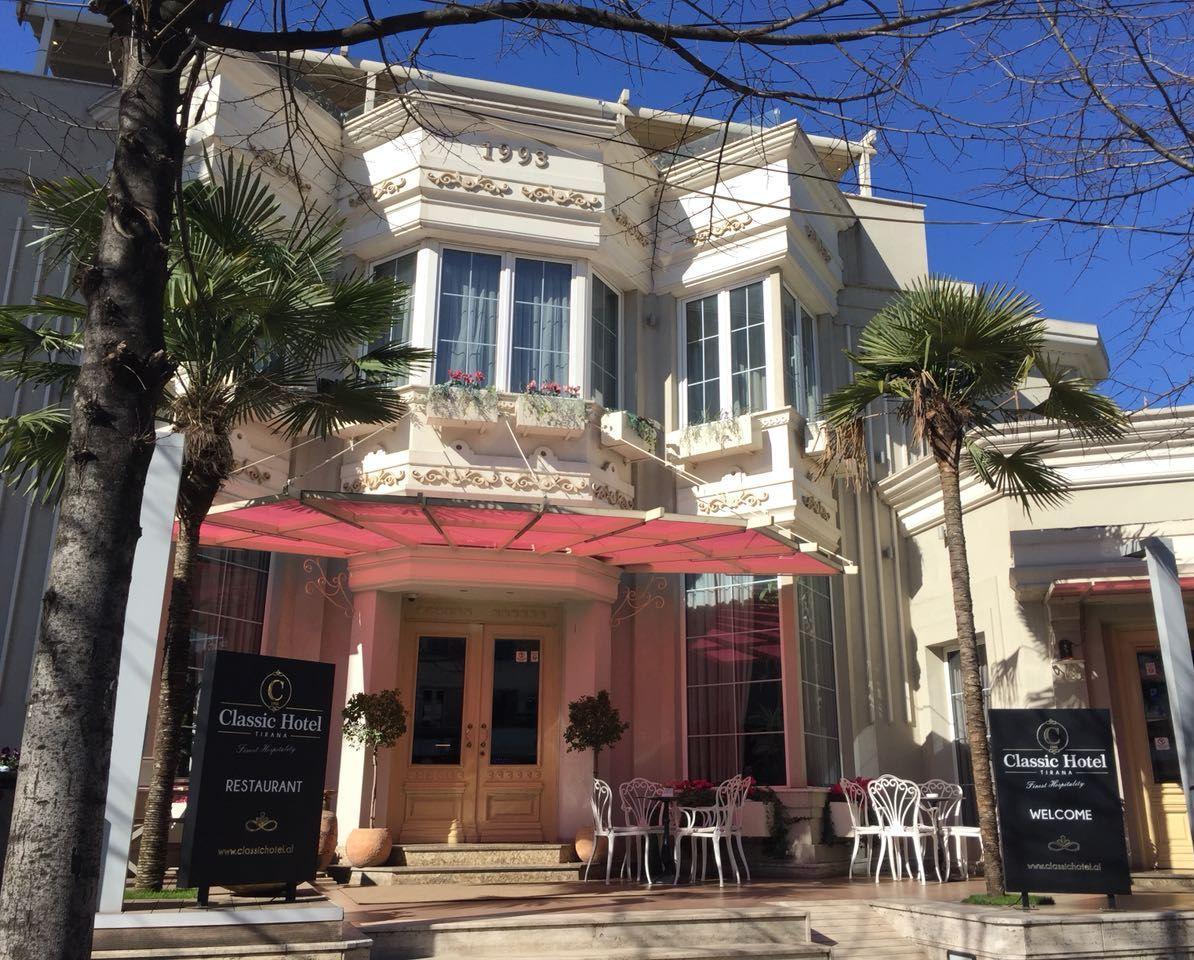
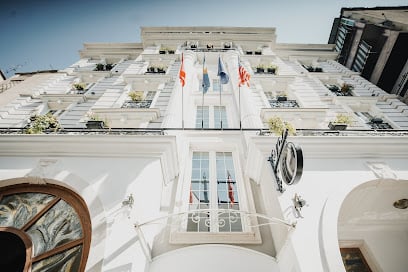
Accommodation options in Tirana range from budget hostels to upscale hotels, with many located in downtown and Blloku. While there are no exclusively LGBTQ+ hotels, most modern accommodations in central Tirana are welcoming. Boutique hotels in Blloku offer contemporary comfort. Airbnb and local guesthouses are also available. Staying centrally is convenient for accessing venues and services.
Tirana is generally safe for LGBTQ+ travelers, especially in central and tourist areas. However, public displays of affection may be best approached with discretion outside of downtown, as social attitudes can be more conservative in some parts of the city. While violent crime targeting LGBTQ+ individuals is not widespread, microaggressions or social tension may occur. Most queer travelers report positive experiences in Tirana when exercising awareness of their surroundings and the social context.
Tirana is walkable, particularly downtown and in Blloku. Local buses are very affordable but can be crowded and run on irregular schedules. Taxis are inexpensive, readily available, and generally reliable; using official services or apps is recommended. Ride-sharing apps like Bolt operate in Tirana. Nënë Tereza International Airport is approximately 25 kilometers from downtown, with taxis, shuttles, and ride-shares providing transport. Within the city, walking and occasional taxi rides are sufficient for exploration.
Albanian cuisine features fresh, local ingredients with Mediterranean and Balkan influences. Popular dishes include burek, fried cheese, fresh seafood, and meat preparations. Restaurants in downtown and Blloku range from casual eateries to upscale dining. The city's culinary scene has modernized, with international cuisine increasingly available. Street food offers affordable local experiences, especially in the evenings. Beyond food, Tirana offers cultural attractions such as Skanderbeg Square, the National Museum of History, Et'hem Bey Mosque, and a growing street art scene. The Dajti Ekspres cable car provides city views.
Tirana's location allows for day trips. Dajti National Park, accessible by cable car or vehicle, offers hiking and nature experiences about 15 kilometers away. Lake Ohrid, approximately 150 kilometers south, provides scenic beauty and beach activities, though it is a longer excursion. Durrës, a coastal city 30 kilometers from Tirana, offers beaches and ancient Roman ruins and is accessible by inexpensive bus or train. The Accursed Mountains to the north provide dramatic landscapes for hiking enthusiasts.
The Albanian currency is the lek (ALL). ATMs are widely available. Tirana uses the standard European plug for electricity. Internet and mobile connectivity are generally reliable in central areas. Albanian is the official language; English is increasingly spoken by younger people, particularly in tourism and service sectors, though learning basic greetings is appreciated. Visa and entry requirements vary by nationality; EU and US citizens typically have visa-free or visa-on-arrival entry for short stays. Healthcare facilities in Tirana meet reasonable standards for routine care and emergencies.
Tirana offers a developing destination for LGBTQ+ travelers seeking Balkan experiences. The scene is present but smaller and less established than in Western European capitals. Travelers should approach Tirana with realistic expectations and an awareness of the social context, appreciating the genuine community that exists.
Albania has made legal reforms, with same-sex relationships legal since 2010. While Tirana is the most visible and organized LGBTQ+ scene in Albania, the lived experience remains nuanced and the scene is less established than in Western European capitals.
Most LGBTQ+ venues and social activities concentrate in the central areas, including downtown venues around Skanderbeg Square, Rruga Barrikadave, and toward the Lana River. The Blloku district also hosts popular bars and cafes frequented by younger residents, including LGBTQ+ patrons.
Tirana's LGBTQ+ venue landscape can fluctuate. Historically, several bars and clubs have attracted queer crowds in downtown areas. It is recommended to check current local resources, LGBTQ+ travel forums, and local social media groups for up-to-date venue information.
Pride events have begun to gain traction in Tirana since the 2010s. Specific dates for current Pride events are not detailed in the provided guide, so checking local resources closer to your travel dates is advised.
Tirana's LGBTQ+ scene is smaller and less established than major Western European gay capitals. The scene remains relatively underground, which can appeal to travelers seeking authentic experiences.
The city center, particularly around Skanderbeg Square and the Blloku district, hosts many social spaces frequented by LGBTQ+ patrons. These central areas offer easy navigation and are where most LGBTQ+ venues and activities concentrate.
Your privacy choices.
We use cookies to run GayOut and, with your consent, measure usage. Learn more
Your privacy choices
We use cookies to keep GayOut running, remember your preferences, and (with your permission) measure how the site is used. You can accept all, reject all, or pick what you allow. Learn more
Essential
Required for sign-in, fraud prevention, CSRF protection and remembering your language. Cannot be disabled.
Always on
Remembers your favourites, dark mode and other interface preferences across visits.
Helps us understand which pages people visit (Google Analytics, server-side stats) so we can improve.
Used by campaign tracking pixels. None are active right now, reserved for future use.
Install GayOut
Add GayOut to your home screen for faster access, offline favourites, and Pride alerts.