Everything worth knowing before you go.
Puerto Plata is a port city of about 160,000 people on the Dominican Republic's north coast. The city has a Victorian old town, a long Malecón, and the Playa Dorada resort strip just east of the centre. Don't expect to find any gay bars, clubs, or saunas here - we've searched and couldn't confirm any. If you're looking for a gay night out, you'll need to head to Santiago, about an hour inland, or Santo Domingo, around three hours south.
Sex between people of the same sex is legal in the Dominican Republic, but don't expect any same-sex marriage or civil union rights. The 2010 Constitution defines marriage as between a man and a woman, and there's no national law against discrimination on sexual orientation or gender identity.
Puerto Plata is the capital of Puerto Plata Province, with a population of 162,093 people, according to the 2022 census. Gregorio Luperón International Airport is about 18 km east of the city, past Playa Dorada. If you're planning to explore the surrounding area, Sosúa is about 25 km east, Cabarete about 39 km east, and Santiago de los Caballeros about 72 km south.
We've scoured the internet, travel guides, and local newspapers, and couldn't find any dedicated LGBTQ+ bar, club, or sauna in Puerto Plata, Sosúa, or Cabarete. You'll find plenty of websites claiming otherwise, but most are just recycling outdated information. One website even listed Fogoo, a nightclub in Santo Domingo, as the "biggest gay bar in Puerto Plata". Don't believe everything you read online.
CEPROSH, a long-running HIV and sexual-health organisation, is based on Calle Profesor Juan Bosch, a few blocks from Parque Central. They work with gay and bisexual men, trans women, and sex workers, and have offices in Dajabón and Montecristi too. Google lists their weekday hours as 08:30 to 12:30 and 14:30 to 16:30. It's not a social venue, but it's the closest thing the city has to an LGBTQ+ community resource.
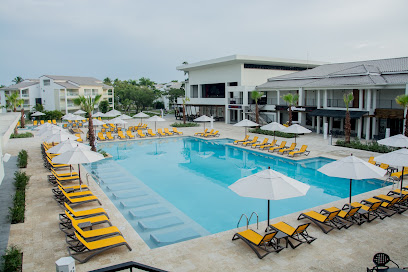
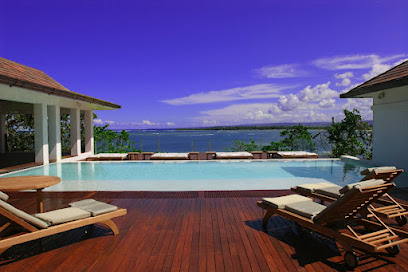
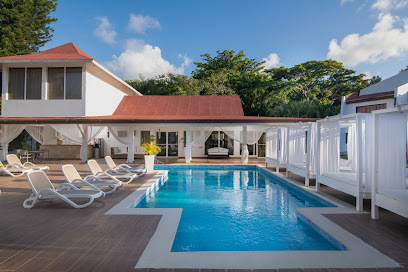
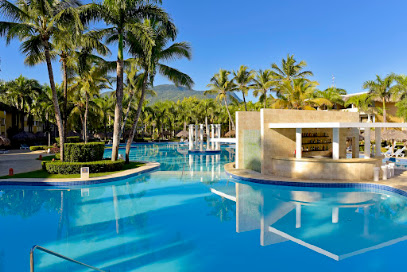
Most visitors stay in the Playa Dorada and Costa Dorada resort zone, a few kilometres east of the centre. The hotels here are mainstream, and none of them market themselves specifically to LGBTQ+ guests. If you're looking for a place to stay, consider the Iberostar Waves Costa Dorada, a large all-inclusive with five restaurants and a busy show programme. The Hodelpa Emotions Puerto Plata is another option, with eight restaurants and bars and three pools. For something more low-key, the BlueBay Villas Doradas is an adults-only all-inclusive inside the Playa Dorada complex.
If you're looking for things to do, visit the Fortaleza San Felipe, the Spanish fort at the western end of the Malecón, built from 1577. The Victorian old town around Parque Central is also worth exploring, with its gingerbread wooden houses, the gazebo, and the cathedral. The Amber Museum, in a Victorian mansion on Calle Duarte, has been open since 1982. For outdoor activities, head to the 27 Waterfalls of Damajagua, inland near Imbert, or take a road trip to the top of Pico Isabel de Torres, the 793 m mountain behind the city.
Sosúa, about 25 km east, has a reputation for sex tourism, and in 2025, the Attorney General's office carried out raids there against human trafficking. Be very careful if you're visiting Sosúa, and never assume someone's age. Cabarete, about 39 km east, is a kitesurfing town with beach bars and a young, international crowd. It's relaxed and mixed, but we couldn't find any current gay venue or gay night there.
If you're looking for a real gay scene, head to Santiago de los Caballeros, about an hour inland, which has Mónaco Bar & Discoteca, a gay bar and club. Santo Domingo, around three hours away, has the country's main scene in the Zona Colonial, with Calife Bar & Lounge, Esedeku Bar & Terraza, and Fogoo Nightclub. Puerto Plata itself has no Pride march, but local groups send delegations to the national Caravana del Orgullo LGBTIQ+ in Santo Domingo.
To get around, taxis are the easy option, and are best agreed or booked through your hotel. Motoconchos and guaguas are cheap but basic. Grindr and similar apps work, but be wary of anyone who asks for money or a gift up front. The currency is the Dominican peso, but US dollars are accepted in tourist areas. CEPROSH can point you to HIV testing and sexual-health services, so be sure to bring any PrEP or medication you need. A few basic Spanish phrases can go a long way: "¿Hay algún bar gay por aquí?" (Is there a gay bar around here?), "Mi pareja y yo" (My partner and I), "Una habitación con cama doble" (A room with a double bed), and "¿Cuánto cuesta?" (How much is it?).


 Gay-Friendly Hotel
(21247)