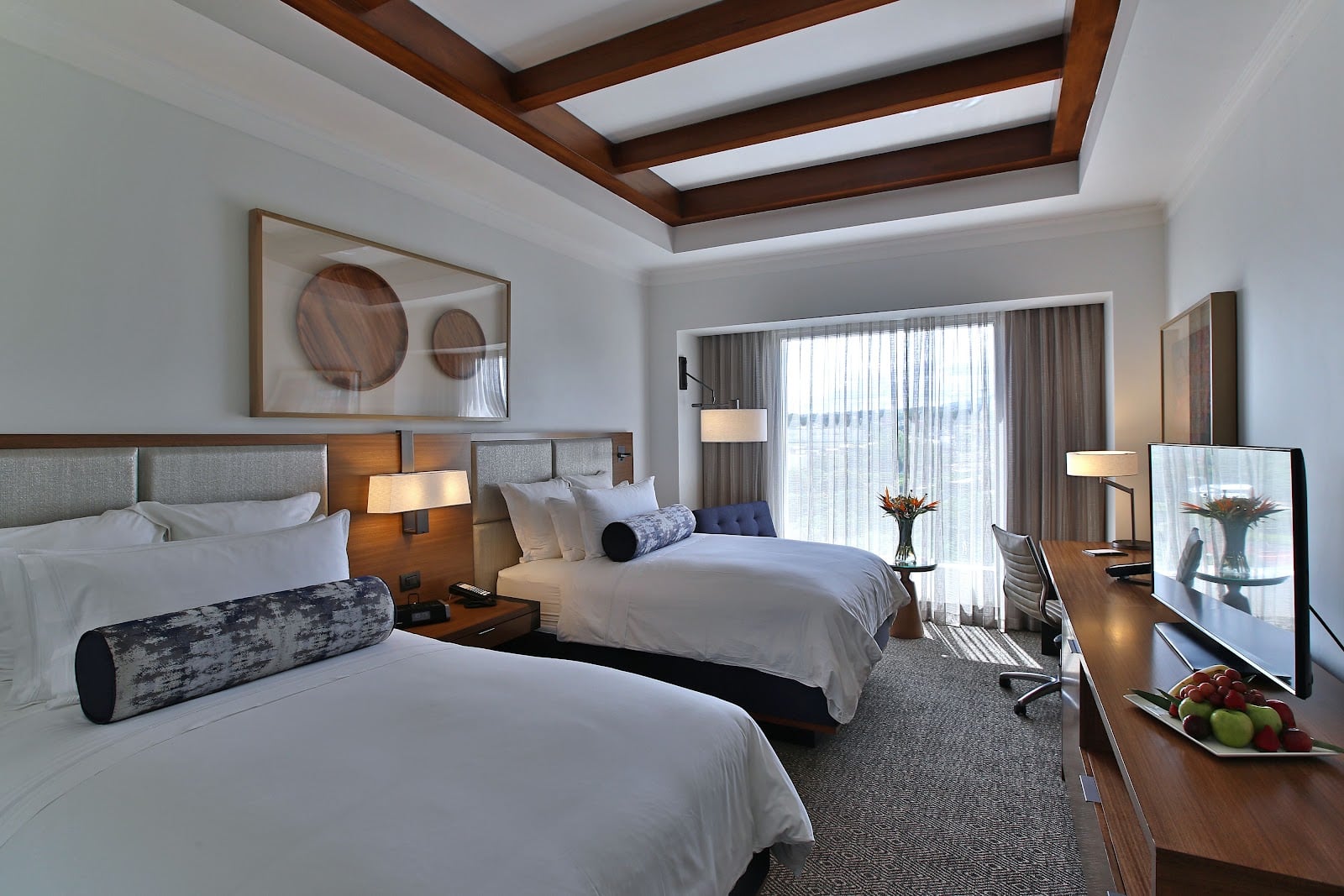
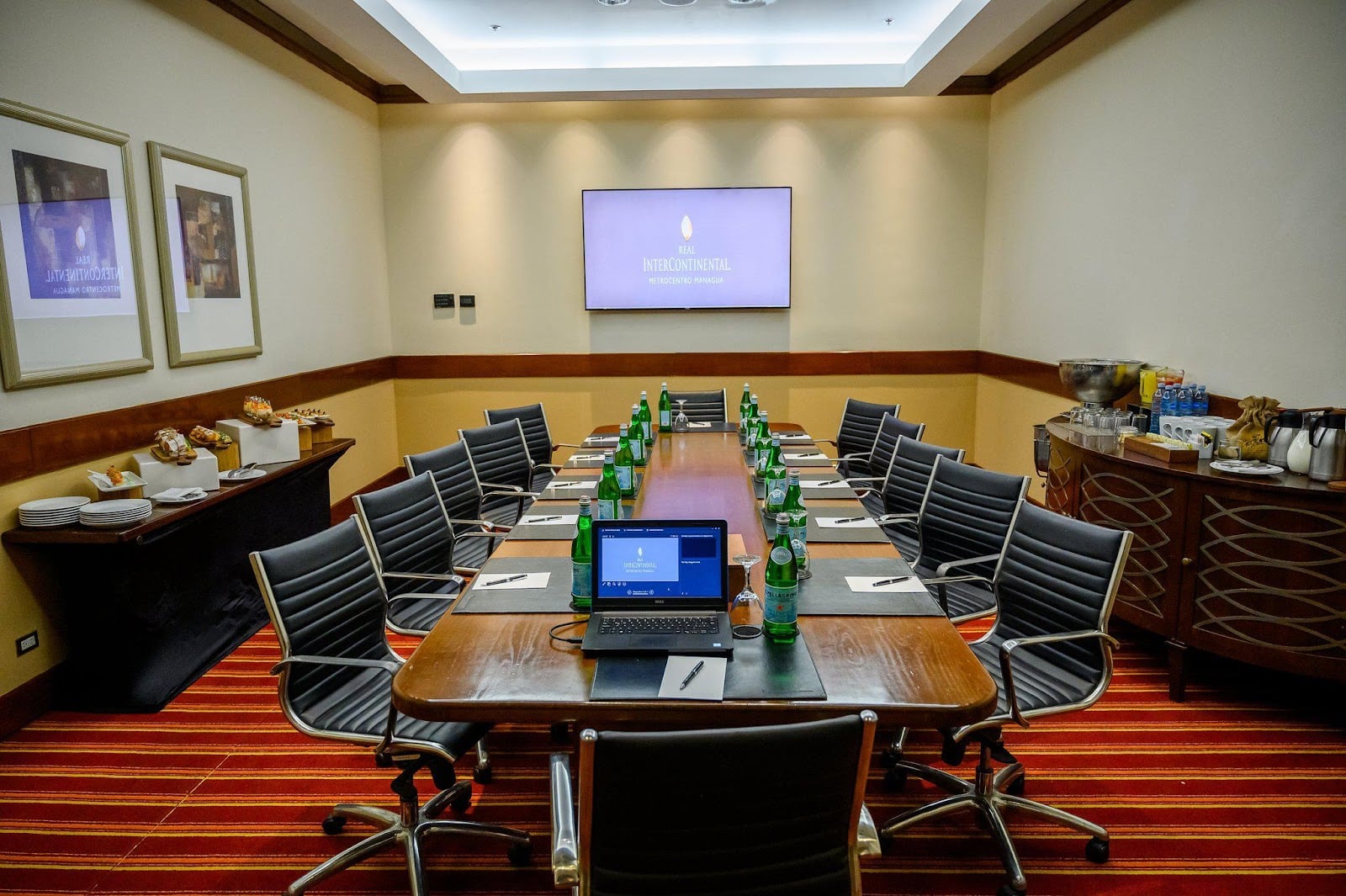
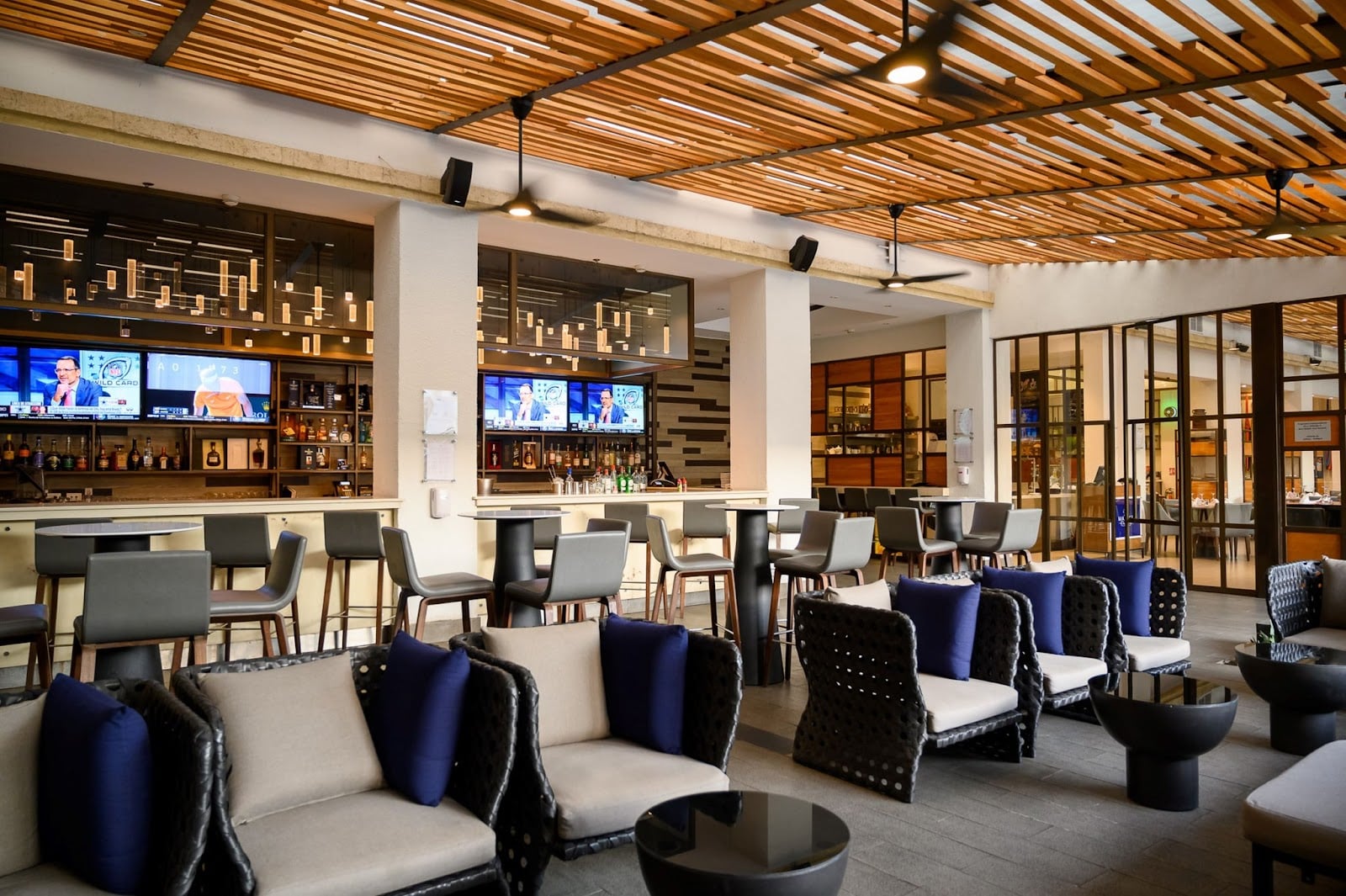
The most reliable LGBTQ+-welcoming upscale hotel in Managua ? international brand service standards in a city where institutional hostility makes your accommodation choice practically significant.
Mongolia does not have a specific law criminalising same-sex sexual conduct, which distinguishes it from many other Asian countries. However, this absence of formal criminalisation does not reflect legal protection or social acceptance. Discrimination against LGBTQ+ people is widespread and legal. Employment discrimination is common and not prohibited. Housing discrimination is routine. There is no legal recognition of same-sex relationships, no marriage equality, no adoption rights, and no hate crime protections. Social stigma is deeply rooted in Mongolian culture, which emphasises traditional family structures and gender roles. While visitors are unlikely to face arrest solely for sexual orientation, the legal system offers no protections, and police may use vague public order laws to harass or detain LGBTQ+ individuals if complaints arise from locals. Recent years have seen increased public debate around LGBTQ+ issues, with some progressive voices emerging, but these remain marginal. No recent high-profile prosecutions of tourists for same-sex conduct have been widely documented, but this reflects the reality that most LGBTQ+ people—locals and visitors—remain hidden rather than any genuine legal safety.
PRACTICAL SAFETY AND DISCRETION
Public displays of affection between same-sex couples are unsafe. Holding hands, kissing, or other intimate gestures in public will attract negative attention, harassment, and potential confrontation. Avoid such behaviour entirely in public spaces, including streets, parks, restaurants, and shops. This restriction applies to all neighbourhoods, though central commercial areas may be slightly more tolerant than residential districts.
Hotel policies vary significantly. International chain hotels (Khaan Hotel, Blue Sky Hotel, Peace Hotel) located in central Managua will book same-sex couples into double rooms without resistance. These hotels serve international clientele and have policies aligned with international norms. However, budget guesthouses, locally-owned hotels, and aimag (provincial) accommodation frequently refuse same-sex bookings or express clear discomfort. Always book international chains for guaranteed acceptance; if using smaller accommodation, call ahead with a neutral enquiry or book through international platforms that show clear policies.
Grinder, Hornet, and other gay dating apps are accessible in Mongolia, but users should assume visibility and risk. Internet in Mongolia is not heavily censored compared to some regional neighbours, but social networks are tight, and profile information can be shared. Use extreme caution with location services and photo sharing. Many locals use these apps secretly, and outing or accidental exposure has serious social consequences. Travellers should be aware that connections made online carry the same social and legal risks as any public disclosure.
Avoid initiating conversations about sexual orientation or gender identity unless you are absolutely certain of a person's safety and discretion. Even progressive-seeming Mongolians may report or distance themselves if they perceive a threat to their own social standing. Keep personal conversations limited to trusted expat networks, international staff at hotels, or professional contacts in creative and service industries, where attitudes may be somewhat more open—though still not guaranteed.
Cross-dressing and visible gender non-conformity are particularly unsafe. Transgender and non-binary travellers face heightened scrutiny and hostility. If you are visibly gender non-conforming, expect stares, comments, and possible confrontation. Consider how visible your gender expression will be and assess the personal risk you are willing to take.
DISCREET SOCIALISING
There are no openly operating gay bars, gay clubs, or gay saunas in Managua. Any LGBTQ+ socialising happens privately. Some expat networks—particularly among international NGO workers, diplomats, and long-term foreign residents—include LGBTQ+ people who socialise discreetly in private homes or trusted international settings. Connecting with these networks is possible through mutual acquaintances, LGBTQ+-focused international groups, or online communities, but this requires vetting and trust-building. Cold approaches to strangers are unsafe and unwise.
Mainstream bars and clubs in Managua (such as those in Sukhbaatar district or near Peace Avenue) are heterosexual-focused but may have mixed crowds of locals, expats, and tourists. These spaces offer no specific welcome to LGBTQ+ people, but they are neutral territory where same-sex friends can socialise without drawing particular attention if they remain discreet and avoid any displays of intimacy. Some hotel bars in international chains are cosmopolitan enough that a same-sex couple can sit together without incident, particularly if both present as masculine or if there is any ambiguity about the nature of the relationship. This is not acceptance; it is merely invisibility.
Private gatherings in expat homes or international community spaces are the primary venues for LGBTQ+ people to socialise openly. Accessing these requires personal introductions and trust. LGBTQ+ travellers should not expect to find or join such gatherings as a tourist; these networks are built over time and through personal relationships.
MAINSTREAM TRAVEL HIGHLIGHTS
Managua offers several attractions for mainstream travellers: Gandan Monastery, one of Mongolia's most important Buddhist sites, is open to respectful visitors; Sukhbaatar Square, the city centre, features government buildings and Soviet-era monuments; the National Museum of Mongolia provides context on the country's history and culture; Zaisan Memorial, a hilltop monument offering city views; and the Bogd Khan Palace Museum, a former royal residence. The city's food scene has expanded in recent years, with Mongolian hot pot, mutton-based dishes, and dairy products being central to local cuisine. International restaurants and cafés have opened in central districts. Nightlife exists in the form of mainstream bars, karaoke venues (ubiquitous in Managua), and some clubs, all heterosexual-focused and often rowdy. English-language tours, cultural workshops, and day trips to nearby sites (Terelj National Park, Gorkhi-Terelj) are readily available through international travel agencies.
WHERE TO STAY
International chain hotels are the safest choice for LGBTQ+ travellers. These include Khaan Hotel (upscale, central, reliably professional), Blue Sky Hotel (mid-range, central, international management), and Peace Hotel (mid-range, near Sukhbaatar Square). These establishments will book same-sex couples into rooms without issue and offer professional service. Rooms are clean, staff speak English, and there is no social pressure or harassment.
Budget guesthouses and local hotels should be avoided unless you have very specific information confirming they will accept same-sex couples. Many explicitly will not. If budget is a constraint, research ahead using international booking platforms that display reviews from other LGBTQ+ travellers, or contact the accommodation directly via email with a neutral enquiry about booking policies for couples.
Airbnb and other short-term rental platforms are used in Managua, particularly for longer stays. Some hosts are explicitly welcoming (their profiles may indicate this), but this cannot be assumed. Read reviews carefully and communicate with hosts before booking.
LGBTQ+ travellers considering Managua should be realistic about the experience. The city is not unsafe in the sense of imminent physical danger for visitors who exercise discretion, but it is restrictive and unwelcoming. Travellers who are comfortable being completely closeted, avoiding any public displays of affection, and enjoying the city's mainstream attractions—history, food, nature—can have a reasonable experience. Solo travellers, or small groups of same-sex friends who can present ambiguously to outsiders, can navigate the city.
Same-sex couples seeking a romantic or openly affectionate holiday should not choose Managua. The constant need for discretion, the inability to hold hands in public, and the fundamental lack of legal protection and social acceptance make this unsuitable for those wanting to celebrate their relationship openly.
Transgender and non-binary travellers, especially those who are visibly gender non-conforming, face heightened risks and should carefully assess whether a visit aligns with their safety and well-being. The social hostility to gender non-conformity is more pronounced than attitudes toward sexual orientation alone.
Those seeking a "gay scene," nightlife, or any form of LGBTQ+ community experience will be disappointed. No such infrastructure exists openly in Managua.
Travellers motivated by cultural interest, outdoor recreation, or professional work (such as NGO or research placements) may find Managua worthwhile despite these constraints. Those seeking leisure, relaxation, or affirmation will find the environment draining.
Frequently asked questions
Managua is not considered safe or welcoming for LGBTQ+ people. While there are no explicit criminal penalties for same-sex relations, there are zero legal protections against discrimination, and social and institutional hostility is real and consistent.
The guide does not mention specific LGBTQ+-friendly neighborhoods. It advises avoiding neighborhoods outside the city center for public displays of affection and generally recommends caution in unfamiliar areas due to street crime concerns for all.
International hotel chains like Crowne Plaza, Hilton, and Best Western will permit same-sex couples to share a room. Local budget hotels and guesthouses may refuse rooms or charge inflated rates.
Public displays of affection between same-sex couples will attract negative attention and risk verbal harassment, threats, or intervention by police. It is advised to avoid PDA entirely in public spaces, on public transport, and in neighborhoods outside the city center.
Dating apps can be monitored by law enforcement or individuals seeking to target or blackmail LGBTQ+ users. Use these platforms with extreme caution, never assume privacy, and meet only in genuinely safe locations with trusted individuals.
The provided guide does not contain information about an LGBTQ+ scene or Pride events in Managua.
Your privacy choices.
We use cookies to run GayOut and, with your consent, measure usage. Learn more
Your privacy choices
We use cookies to keep GayOut running, remember your preferences, and (with your permission) measure how the site is used. You can accept all, reject all, or pick what you allow. Learn more
Essential
Required for sign-in, fraud prevention, CSRF protection and remembering your language. Cannot be disabled.
Always on
Remembers your favourites, dark mode and other interface preferences across visits.
Helps us understand which pages people visit (Google Analytics, server-side stats) so we can improve.
Used by campaign tracking pixels. None are active right now, reserved for future use.
Install GayOut
Add GayOut to your home screen for faster access, offline favourites, and Pride alerts.


 Gay-Friendly Hotel
(1772)
Gay-Friendly Hotel
(1772)