Lille: A Guide to Northern France's Progressive Gem
Lille has quietly emerged as one of northern France's most welcoming cities for LGBTQ+ travelers. While smaller than Paris or Lyon, Lille offers authentic French charm combined with genuine progressivism and a welcoming local culture. The city's LGBTQ+ scene, though more modest than major metropolitan areas, has grown considerably and continues to develop.
History and Context
France has long been at the forefront of LGBTQ+ rights in Europe. Same-sex partnerships have been recognized since 1999 with PACS (civil unions), and same-sex marriage became legal in 2013. Lille, as a major regional center in progressive northern France, has embraced these developments. The city's LGBTQ+ community is integrated throughout society rather than confined to one specific area, which reflects broader French attitudes toward sexuality and privacy.
The local scene has grown since the early 2000s, with increasing visibility in cultural institutions, local government support for Pride events, and a general atmosphere of acceptance. Lille's younger population and university presence contribute to a more liberal atmosphere compared to some smaller French towns.
Neighborhoods
Vieux Lille (Old Town) is the city's most charming district and serves as the main social hub. Characterized by 17th-century Flemish architecture, narrow cobblestone streets, and a pedestrian-friendly layout, Vieux Lille has numerous cafes, restaurants, and bars. While not exclusively gay, many establishments are welcoming to LGBTQ+ patrons, and the neighborhood has a generally progressive vibe. The little cluster of streets around Rue Royale, Rue Basse and Rue des Bouchers, in the heart of Vieux Lille, is the closest thing the city has to a gay quarter, holding most of its gay bars within a couple of minutes' walk of one another. The nearby Rue de la Monnaie and Rue Massena are lively in the evenings and at weekends.
The city center around Place du General de Gaulle and Place Rihour is also accessible and gay-friendly, serving as Lille's main commercial and cultural area. This district hosts museums, galleries, and is well-connected by public transport.
Venues and Social Spaces
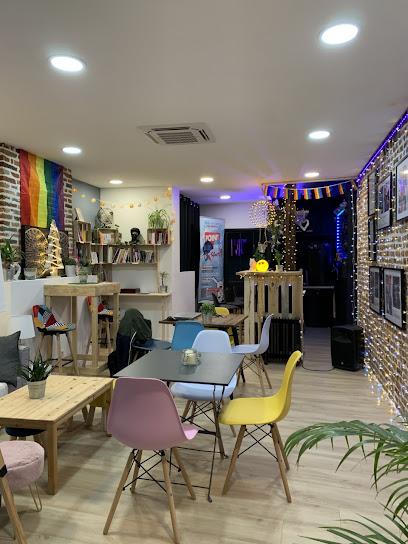
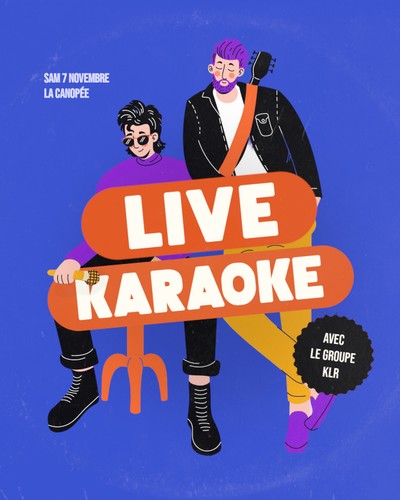
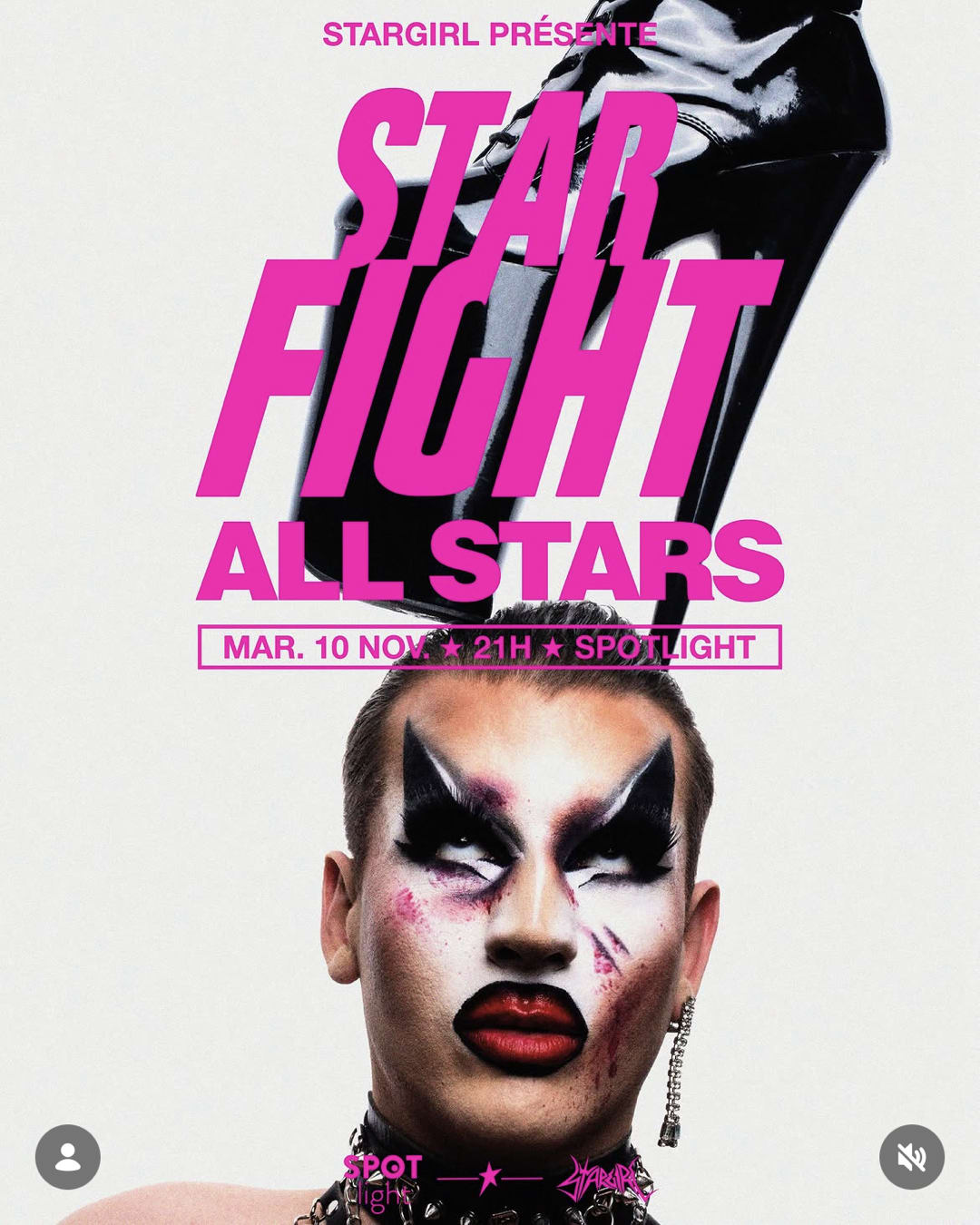
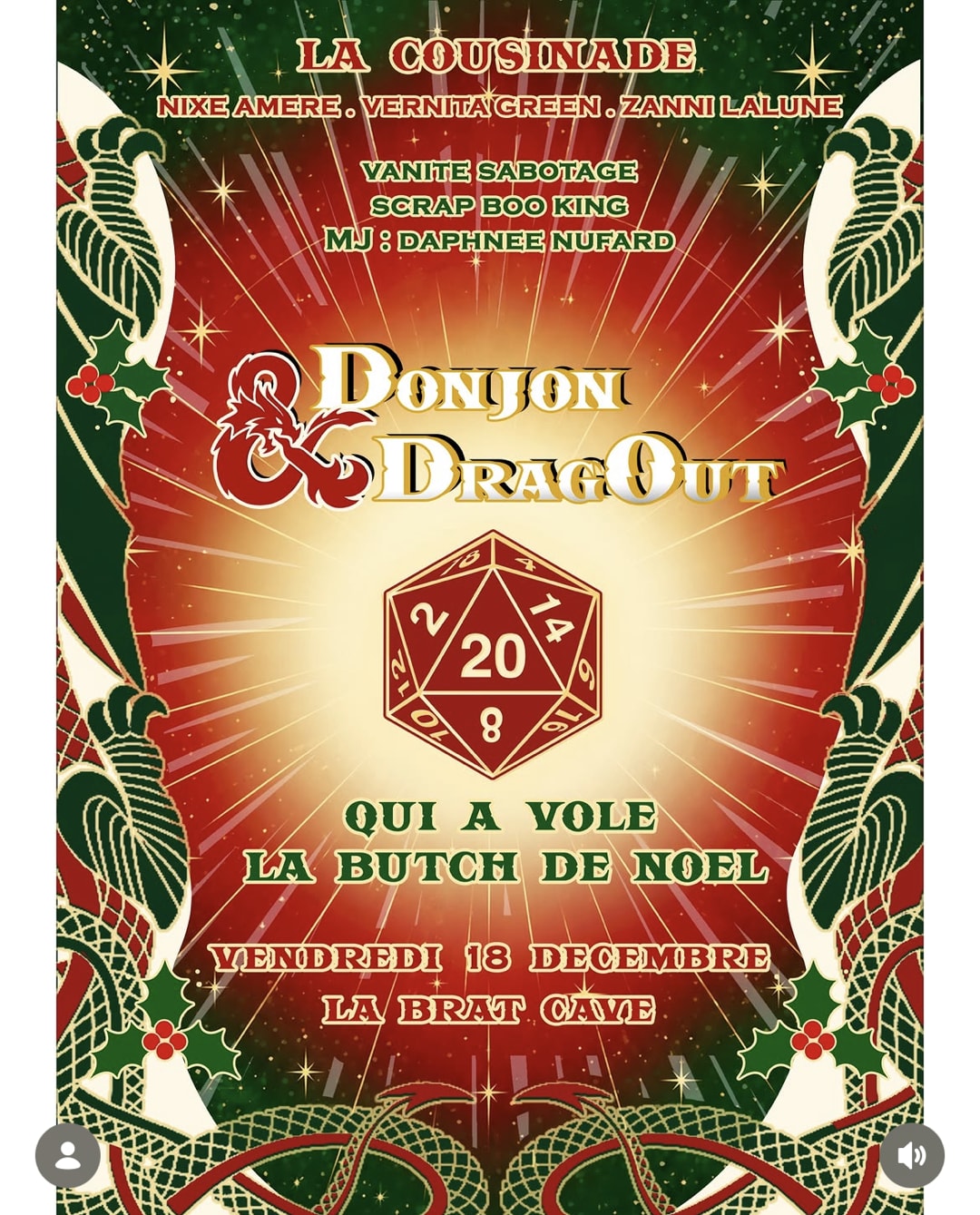
Lille's gay scene is smaller than Paris or Lyon, but it is genuine, walkable and friendly. Its anchor is Le Privilege on Rue Royale, the city's biggest and longest-running gay club, spread over several floors with drag shows, karaoke and DJs at the weekend. A short walk away on Rue Nationale, Silom Bar is a lively LGBTQ+ cocktail bar (named after Bangkok's gay quarter) with its adjoining late-night dance floor Slay Club. In Vieux Lille, the retro, flea-market-styled Chez Ma Tine (formerly Chez Paulette) on Rue des Bouchers is a cosy early-evening favourite. For something more alternative, Lokarria in the Wazemmes district is an inclusive queer cultural bar hosting drag, concerts and women's and lesbian nights. Men looking for a cruise venue head to Le Sling, a men-only club with darkrooms. For a sauna, Sauna Soho on Rue de la Madeleine is Lille's dedicated gay men's bathhouse and one of the largest in northern France.
Cafe culture is huge in Lille, and many establishments in Vieux Lille and the city centre are relaxed and welcoming to LGBTQ+ patrons and allies. Bars are quieter on weeknights and busiest from Thursday through Sunday. The whole scene is compact enough to explore on foot in a single evening.
Pride and Events
Lille Pride, the Marche des Fiertes de Lille, is held in late May and is the main LGBTQ+ event in northern France, drawing marchers from across the Hauts-de-France region and from just over the Belgian border. Organised by the Collectif Lille Pride, its associative village gathers on Place Francois Mitterrand, between the Gare Lille-Flandres and Lille-Europe stations, with the cortege setting off in the early afternoon and winding through the city centre. Recent editions have drawn on the order of 6,000 to 7,000 marchers, followed by street parties, cultural programming and special nights at the city's gay bars. The atmosphere is festive and family-friendly, reflecting French Pride culture which tends to emphasize celebration and visibility.
The exact dates vary year to year, so travelers should check the official Lille Pride website or local tourism sites for current information. During Pride week, accommodation books up quickly, so advance reservations are strongly recommended.
Beyond Pride, Lille hosts various cultural events and festivals throughout the year that attract diverse crowds and are generally LGBTQ+-inclusive. The city's arts scene is vibrant, with multiple theaters, galleries, and cultural venues.
Where to Stay
Vieux Lille is the most atmospheric choice for accommodation. The district has numerous hotels, guesthouses, and vacation rentals ranging from budget to luxury options. Staying here places visitors within walking distance of restaurants, cafes, and social spaces. Hotels in this area tend to be LGBTQ+-friendly, though as in all of France, sexual orientation is not typically a major marketing factor—it's simply accepted.
The city center near Place du General de Gaulle is another good choice, offering easy access to public transport, museums, and restaurants. This area is more commercial than Vieux Lille but still charming and walkable.
Chain hotels are available throughout the city, and numerous online platforms offer vacation rentals. During Pride season, booking well in advance is essential.
Lille is generally very safe for LGBTQ+ travelers. France has strong legal protections against discrimination based on sexual orientation and gender identity. Public displays of affection between same-sex couples are normal and unremarkable in Lille and northern France.
As with any travel, standard safety practices apply—avoid isolated areas late at night, keep valuables secure, and be aware of surroundings. Lille's city center and Vieux Lille are well-lit and regularly patrolled.
Transport and Getting Around
Lille has excellent public transportation including a metro system, trams, and buses operated by Transpole. A single journey ticket costs around 2 euros, and various day passes are available. The system is modern, clean, and efficient. Most tourist areas and gay-friendly venues are easily accessible by public transport.
The city is very walkable, particularly Vieux Lille and the city center. Biking is also popular, with bike rental programs available.
Lille's train station (Gare de Lille-Flandres) connects to Paris (about 1 hour), Brussels (about 1 hour), and other French and Belgian cities. This makes Lille an excellent base for exploring the broader region.
Food and Dining
Lille has an excellent and underrated culinary scene. The city is known for hearty Flemish cuisine influenced by its proximity to Belgium. Local specialties include carbonnade flamande (beef stew), waterzooi (vegetable or meat stew), and fresh seafood.
Vieux Lille has numerous restaurants ranging from casual bistros to fine dining. Many cafes serve excellent coffee, wine, and simple meals throughout the day. The city center also has diverse dining options from traditional French to international cuisine.
Lille's food markets, particularly the daily market in Vieux Lille, are worth exploring for local products, fresh flowers, and produce.
Day Trips
From Lille, several interesting destinations are easily reachable:
Brussels, Belgium is just 1 hour away by train and has a vibrant LGBTQ+ scene and excellent museums and architecture.
Ghent, Belgium (45 minutes by train) is a charming medieval city with canals, strong university culture, and a welcoming LGBTQ+ community.
The Opal Coast (Côte d'Opale) offers beaches and seaside towns within 1-2 hours. Places like Boulogne-sur-Mer provide a different experience while remaining accessible.
Paris is 1 hour away by high-speed train, making a day trip or overnight excursion feasible for those wanting to experience France's largest city.
Summing Up
Lille offers LGBTQ+ travelers an authentic French experience in a progressive, welcoming city. While the gay scene is smaller than in major metropolitan areas, this often creates a more integrated, less commodified atmosphere. The city's charm, culture, food, and genuine acceptance make it an excellent destination for those seeking an alternative to more touristy European cities. Combine it with nearby Brussels or Belgian cities for a richer trip through the region.
里爾的 LGBTQ+ 夜生活集中在 Vieux-Lille(老城區),主要分布在 rue Royale、rue Basse 和 rue des Bouchers 一帶,當地的同志酒吧彼此距離很近,步行即可抵達。另一個更具另類風格的酷兒聚落則位於 Wazemmes,以包容性酒吧 Lokarria 為中心。
旗艦店是位於 rue Royale 的 Le Privilege——里爾最大且營運最久的同志俱樂部,樓層眾多,並定期舉辦變裝秀與卡拉OK之夜。其他真正屬於 LGBTQ+ 的地點包括 Silom Bar 及其相鄰的 Slay Club、位於 rue des Bouchers 的復古風 Chez Ma Tine、僅限男性的 cruising 俱樂部 Le Sling,以及位於 Wazemmes 區包容多元性別的酷兒酒吧 Lokarria。
里爾的同志圈規模比巴黎小,也更親切,但非常真實。Le Privilege 和 Slay Club 提供舞池空間,而大多數其他場所則是輕鬆的酒吧。這是一個適合步行、充滿社區感的圈子,而非大型夜店連鎖 — 而且布魯塞爾擁有更豐富的夜生活,搭火車只需約一小時即可抵達。
Lille 的 Marche des Fiertes(同志驕傲遊行)於五月底舉行——2026 年屆為第 29 屆,於 5 月 30 日星期六進行遊行。該活動由 Collectif Lille Pride(lille-pride.fr)主辦,協會村設在 place Francois Mitterrand,位於 Gare Lille-Flandres 與 Lille-Europe 車站之間,遊行隊伍則於午後出發。
是的——里爾有一家專為男同志設計的三溫暖,Sauna Soho(6-10 rue de la Madeleine),自 2007 年營業至今,是法國北部最大的三溫暖之一,設有土耳其浴、按摩浴缸和個人包廂。該場所僅限男性進入。












 同志酒吧與俱樂部
精選
(847)