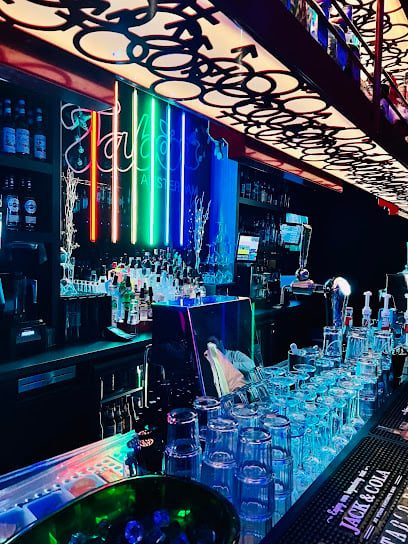
Pride Amsterdam in late July/early August is unmissable. Summer months have the best canal weather and longest nightlife hours.
Jan
Feb
Mar
Apr
May
Jun
Jul
Aug
Sep
Oct
Nov
Dec
Best Good Off-peak
Travel Guide
Gay Amsterdam — Your Complete Guide
Everything worth knowing before you go.
Gay venues
67
LGBTQ+ status
Welcoming
The Netherlands decriminalized homosexuality in 1811, an early step in a long history of LGBTQ+ progress. The modern gay rights movement gained momentum in Amsterdam in the 1970s. The age of consent was equalized in 1971, and same-sex marriage became legal in 2001, making the Netherlands the first country to do so.
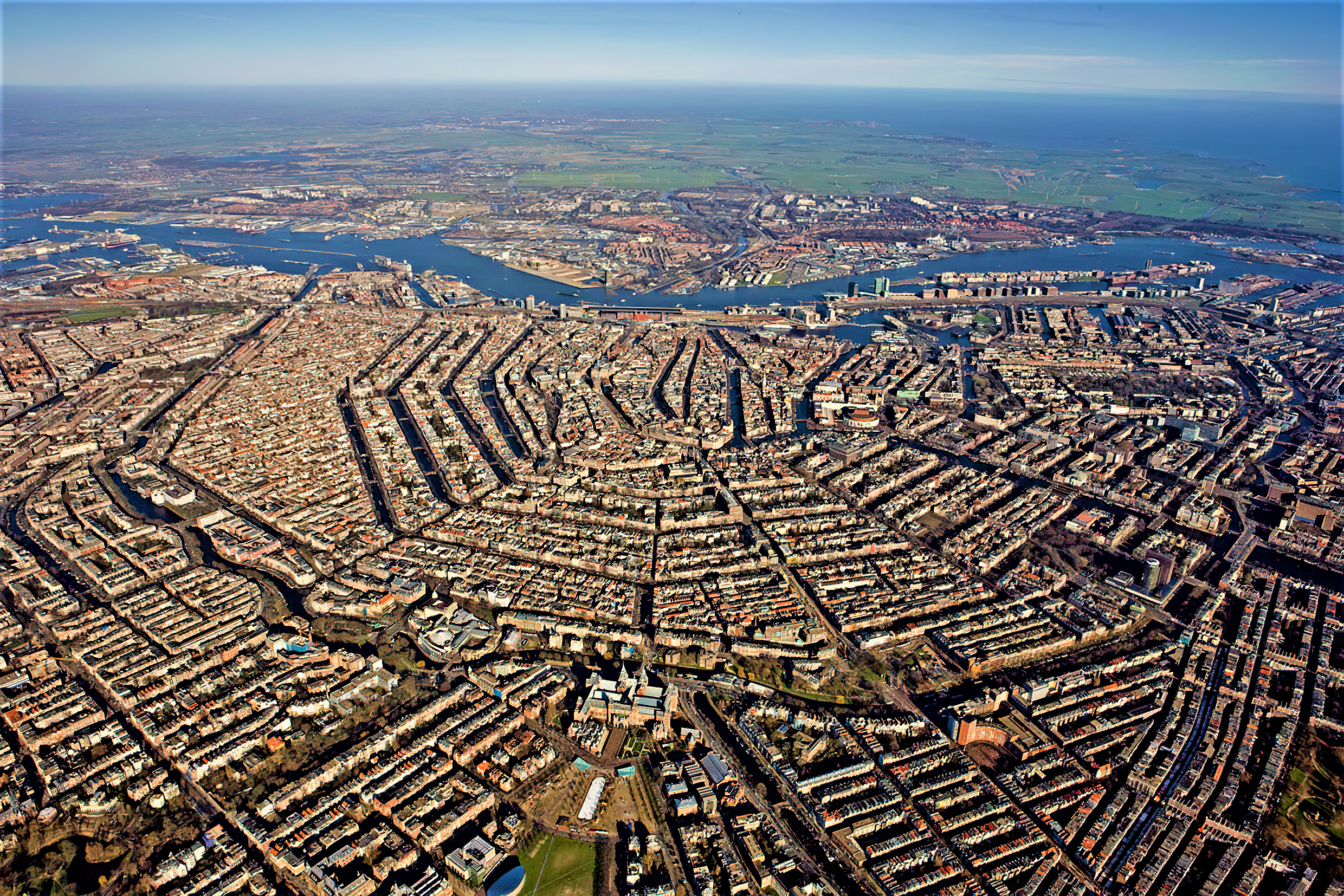
Amsterdam's historical tolerance for diverse groups extended to sexual minorities. Today, Dutch society is liberal, and acceptance is integrated into daily life. Amsterdam is not a concentrated "gayborhood" but a city where LGBTQ+ individuals live and socialize openly throughout.
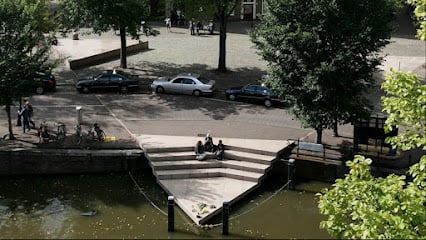
Canal Ring (Grachtengordel): These 17th-century canal neighborhoods are central and contain cafes and bars that welcome LGBTQ+ patrons. The area is suitable for walking, offering a mix of intimate and social spaces.
Jordaan: West of the Canal Ring, this neighborhood has narrow streets, independent shops, restaurants, and some LGBTQ+-welcoming venues. It has a residential character popular with locals and visitors.
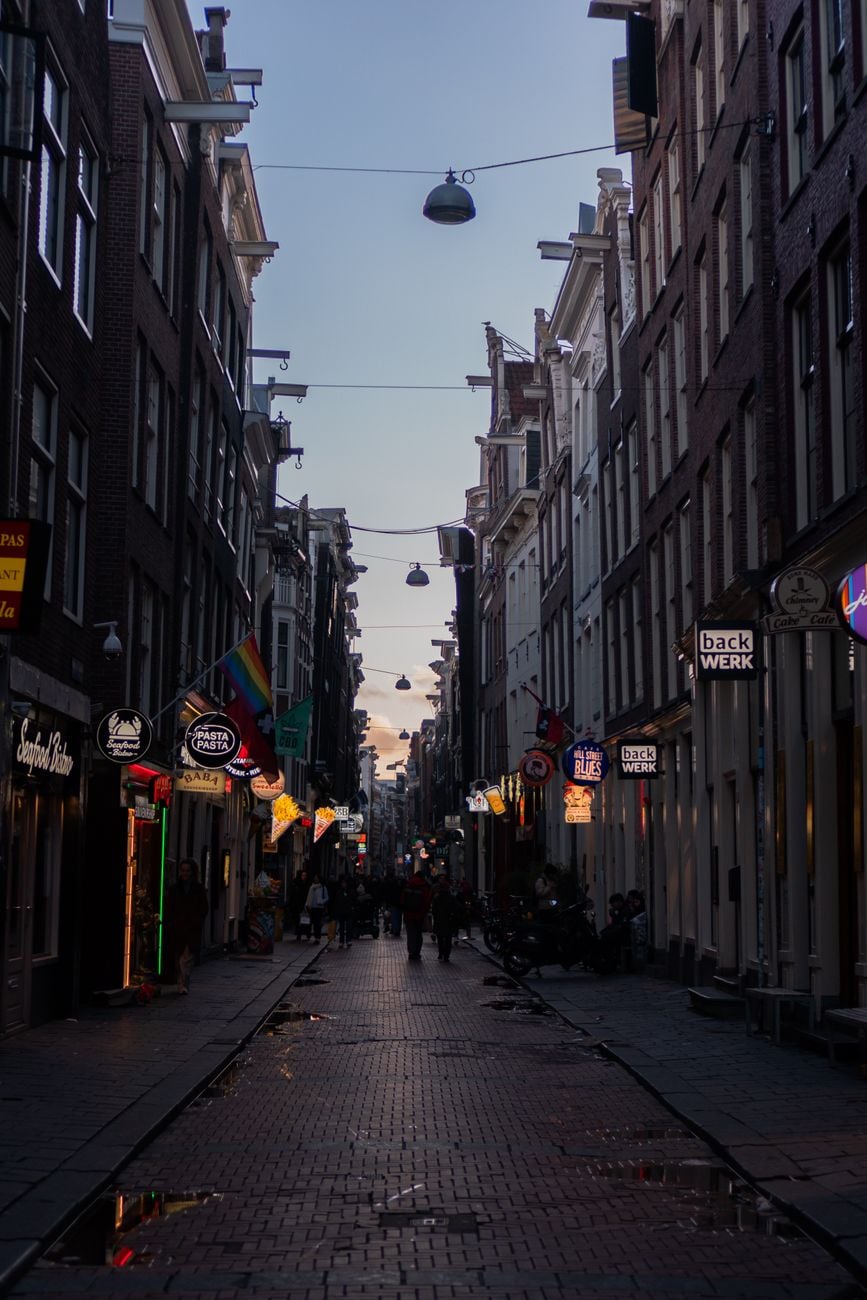
Red Light District (De Wallen): Amsterdam's oldest district, known for sex work, also has queer history and a few gay venues. It is a tourist area with cultural significance.
Leidseplein and Rembrandtplein: These central squares are hubs for nightlife, restaurants, and some gay bars, lively after dark and convenient for meeting others.
De Pijp: A residential area south of the Canal Ring, home to Albert Cuyp Market, local cafes, and a relaxed atmosphere. It is increasingly popular and livable.
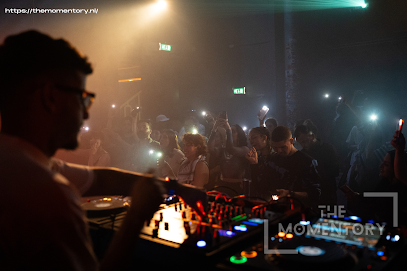
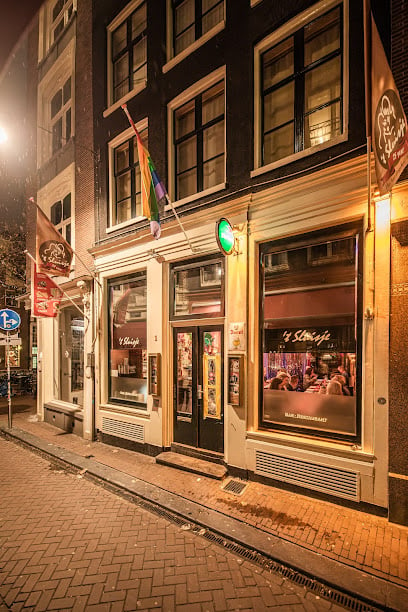
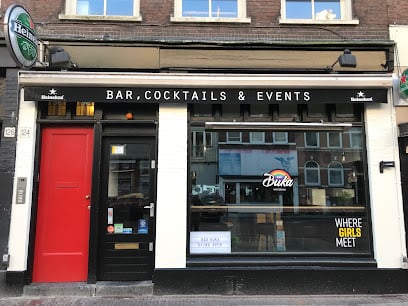
Amsterdam's gay scene features established and evolving venues. Café de Dokter in the Canal Ring is noted for its small size. Brouwers is a historic brown café frequented by locals. Many venues are located in the Canal Ring, Rembrandtplein, and Leidseplein areas. Nightlife ranges from intimate dance spaces to larger clubs. The scene is integrated across the city rather than concentrated in one district. Saunas and bathhouses are present but not a central feature of the social scene. Café culture is significant, with many gender-mixed and integrated venues.
Amsterdam Pride takes place in early August, culminating in the Canal Parade along the city's waterways, attracting large crowds. The week includes parties, performances, and exhibitions. Accommodation should be booked well in advance. The atmosphere is celebratory and generally family-friendly. Other dance events, such as circuit parties, occur throughout the year, often drawing international visitors.
Where to Stay
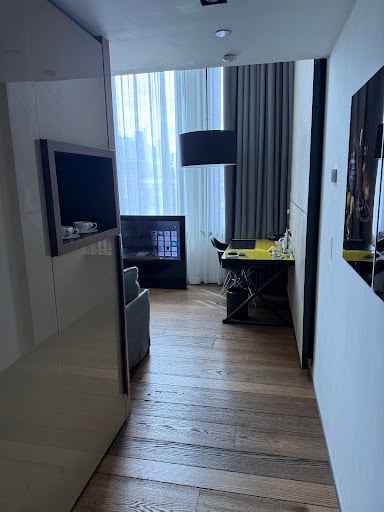
Accommodation options range from luxury hotels to guesthouses and Airbnbs. The Canal Ring is scenic but can be touristy and expensive. The Jordaan and De Pijp offer a more local feel. Hotels near Rembrandtplein and Leidseplein are convenient for nightlife. Hostels are available throughout the city. LGBTQ+-friendly accommodation is readily available.
Amsterdam is renowned for its cycling culture. Renting a bike is a common way to get around, with extensive bike paths. Trams, buses, and metros offer alternative transport. The city center is walkable. Trains connect to other Dutch cities and Europe. Schiphol Airport (AMS) is linked to the city by train.
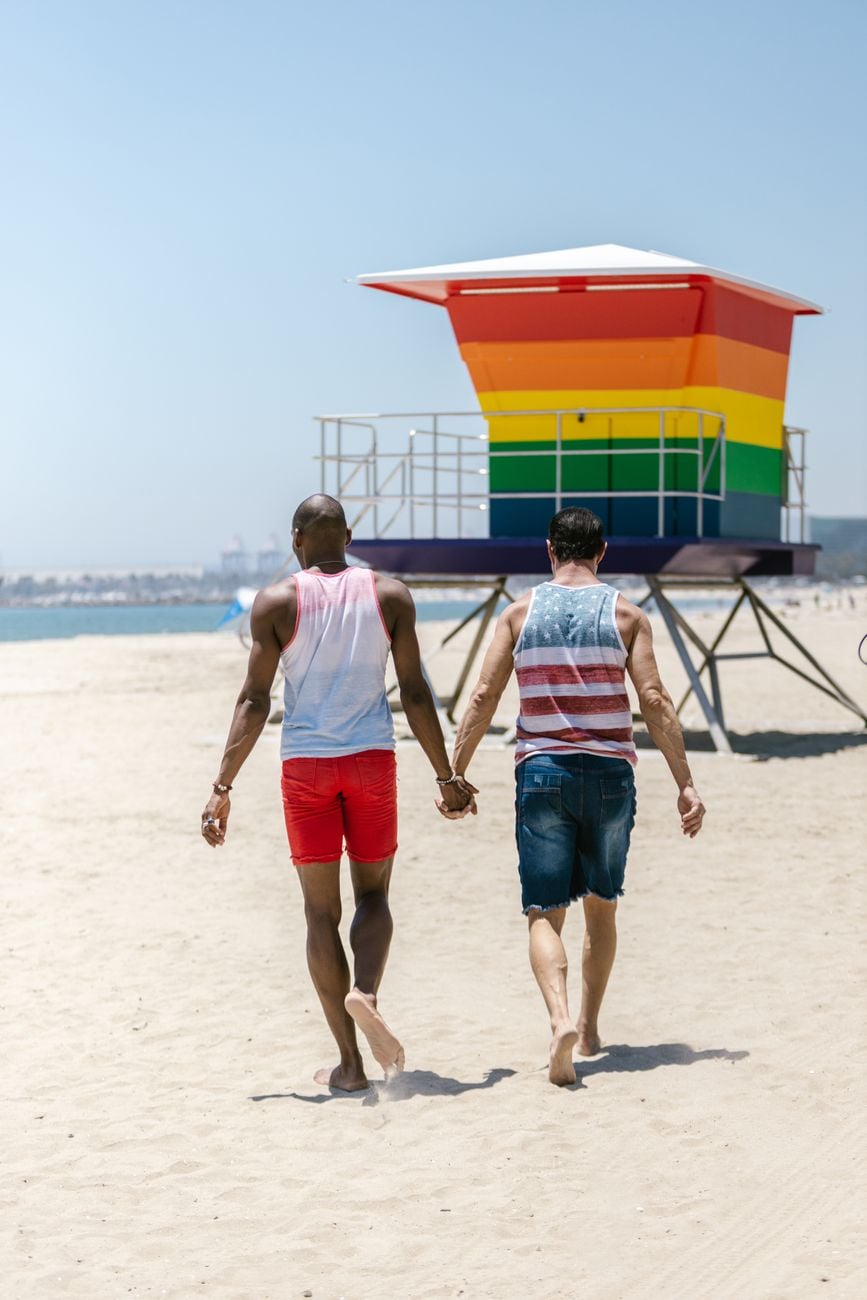
Amsterdam and the Netherlands are very safe for LGBTQ+ travelers, with strong legal protections and high social acceptance. Standard precautions for any city apply, but LGBTQ+ travelers face no specific risks. Public displays of affection between same-sex couples are common and unremarkable. English is widely spoken, particularly among younger people and those in the tourism industry.
Dining in Amsterdam ranges from casual brown cafes serving traditional Dutch food to fine dining. Local specialties include stroopwafels, cheese, and herring. The city offers many vegetarian and vegan options. Albert Cuyp Market in De Pijp is known for street food. Indonesian cuisine, such as rijsttafel, reflects Dutch colonial history. Most restaurants are LGBTQ+-welcoming or neutral.
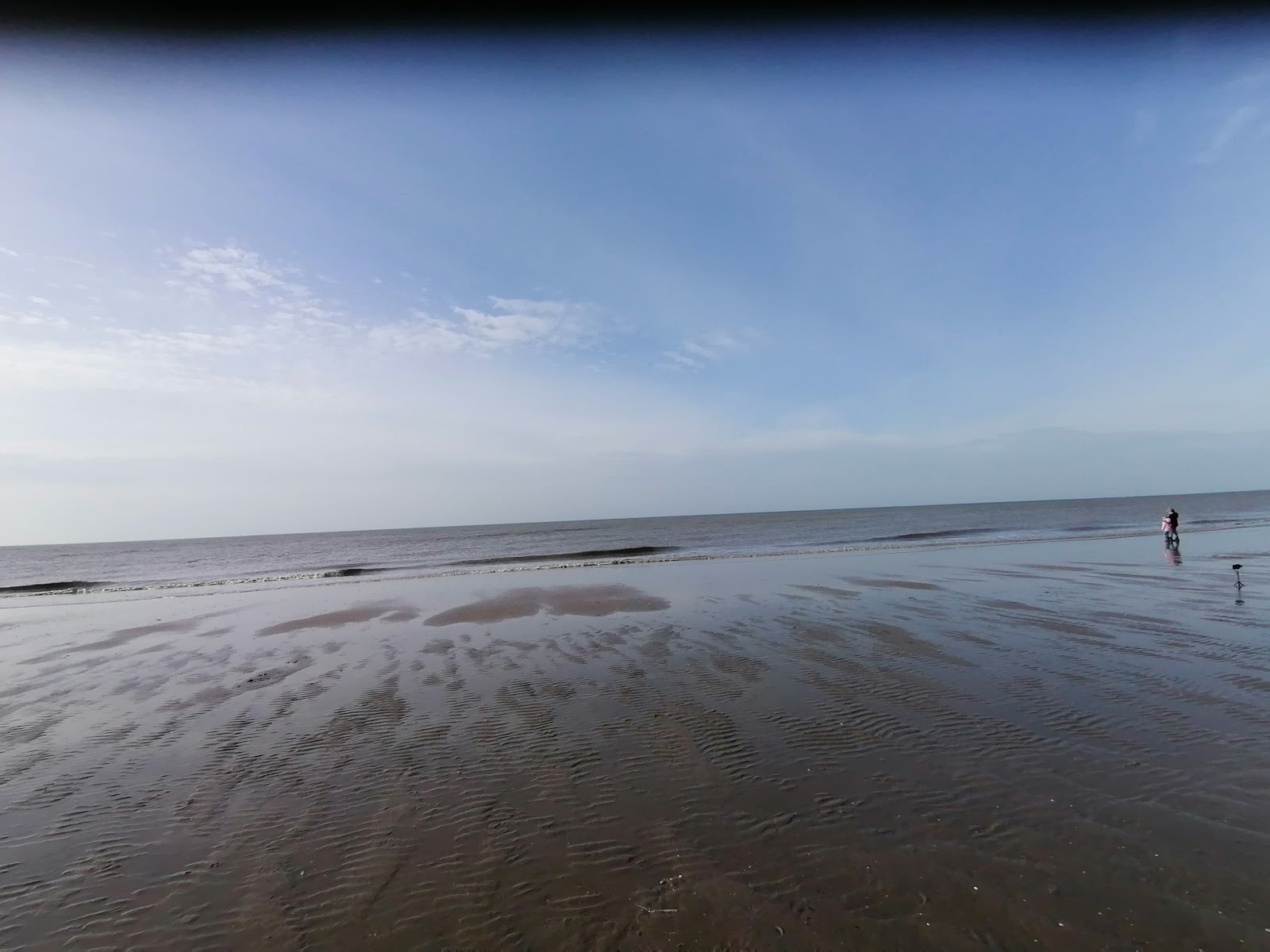
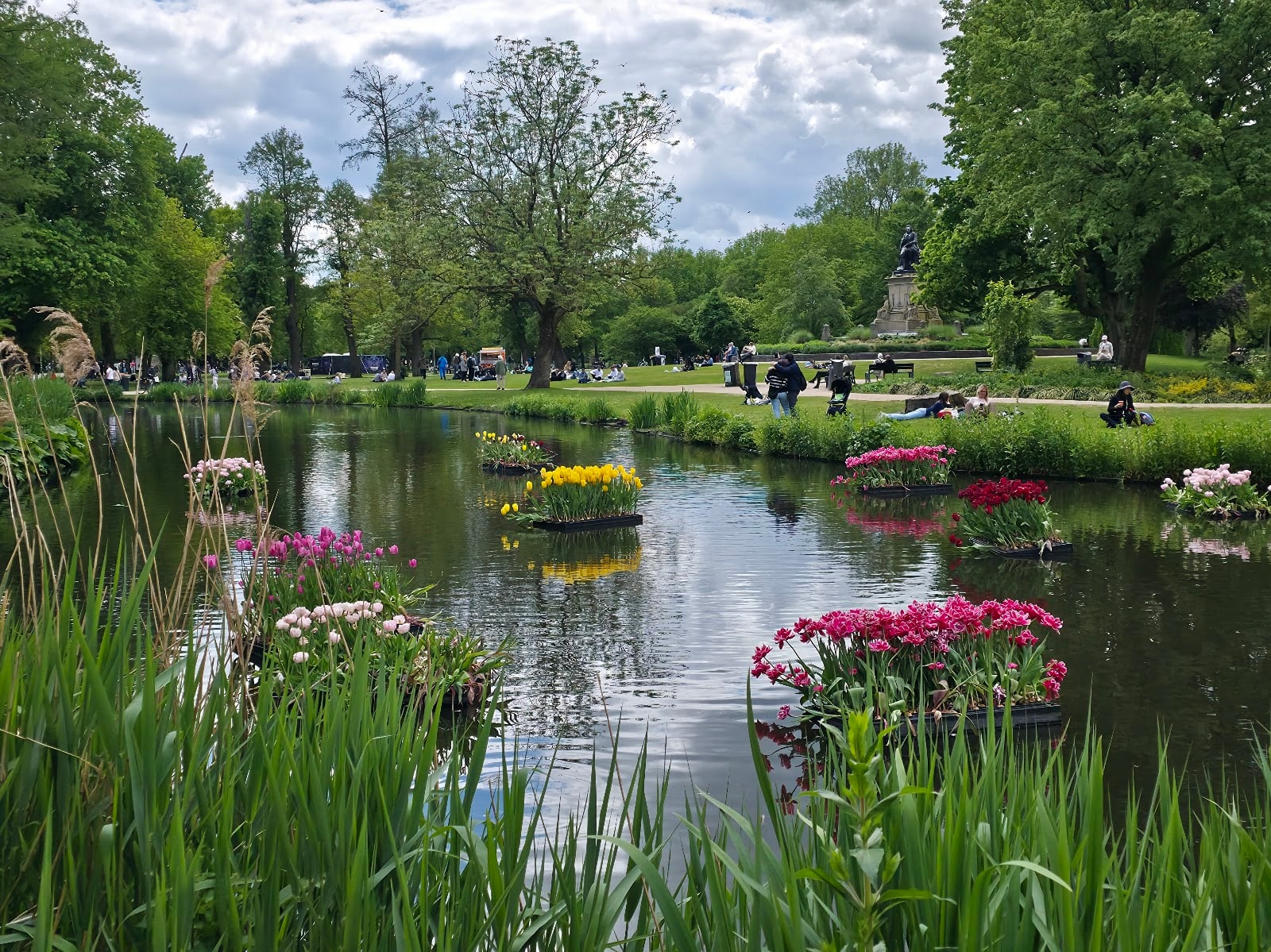
The Netherlands' rail system facilitates day trips. Utrecht, about 30 minutes by train, has its own gay scene and canals. The UNESCO-listed windmills at Kinderdijk are a popular destination. The tulip season (April-May) draws visitors to the bulb regions. Beach towns like Zandvoort are accessible by train. Traditional fishing villages such as Marken and Volendam offer a glimpse into the past. The countryside provides pastoral scenery and cycling routes.
Book accommodations and travel for Pride well in advance, as the city can be crowded. Many attractions require admission fees. A GVB card offers access to trams and buses. Ensure bikes are securely locked. Tipping is not mandatory, but small tips are appreciated. The currency is the Euro.
Amsterdam was the first city in the world where same-sex couples married (April 2001) and remains a global LGBTQ+ icon. The Netherlands is consistently ranked among the most LGBTQ+-friendly countries. Public displays of affection are no issue anywhere in central Amsterdam.
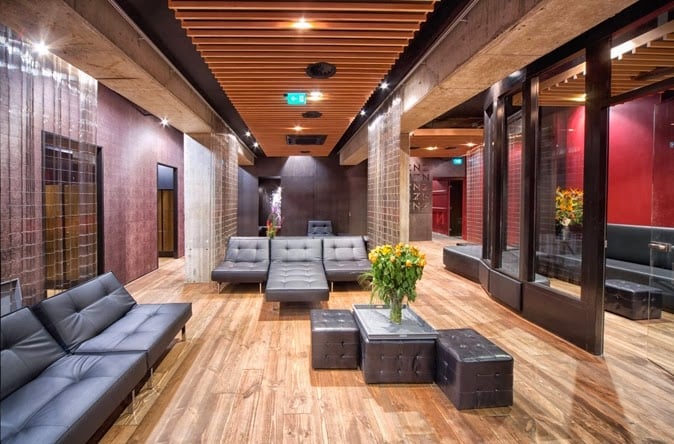
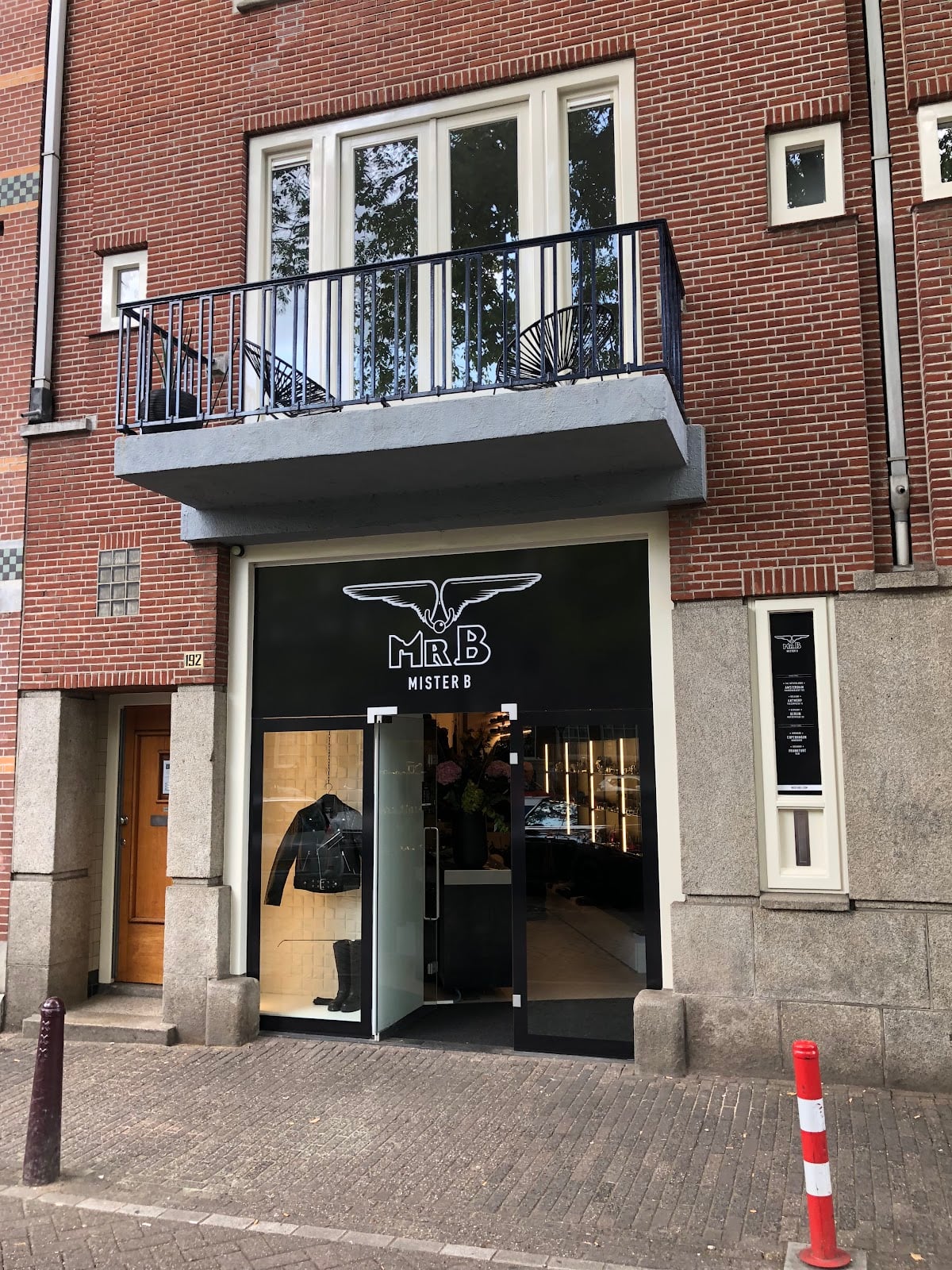
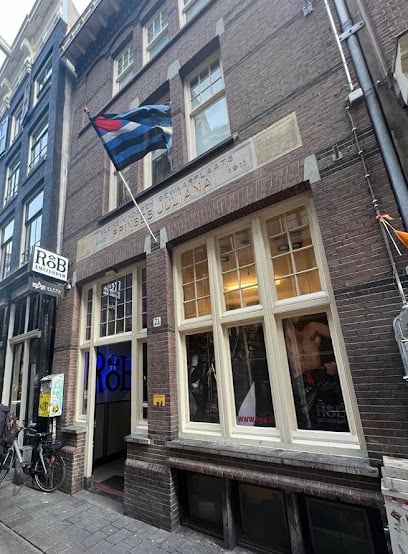
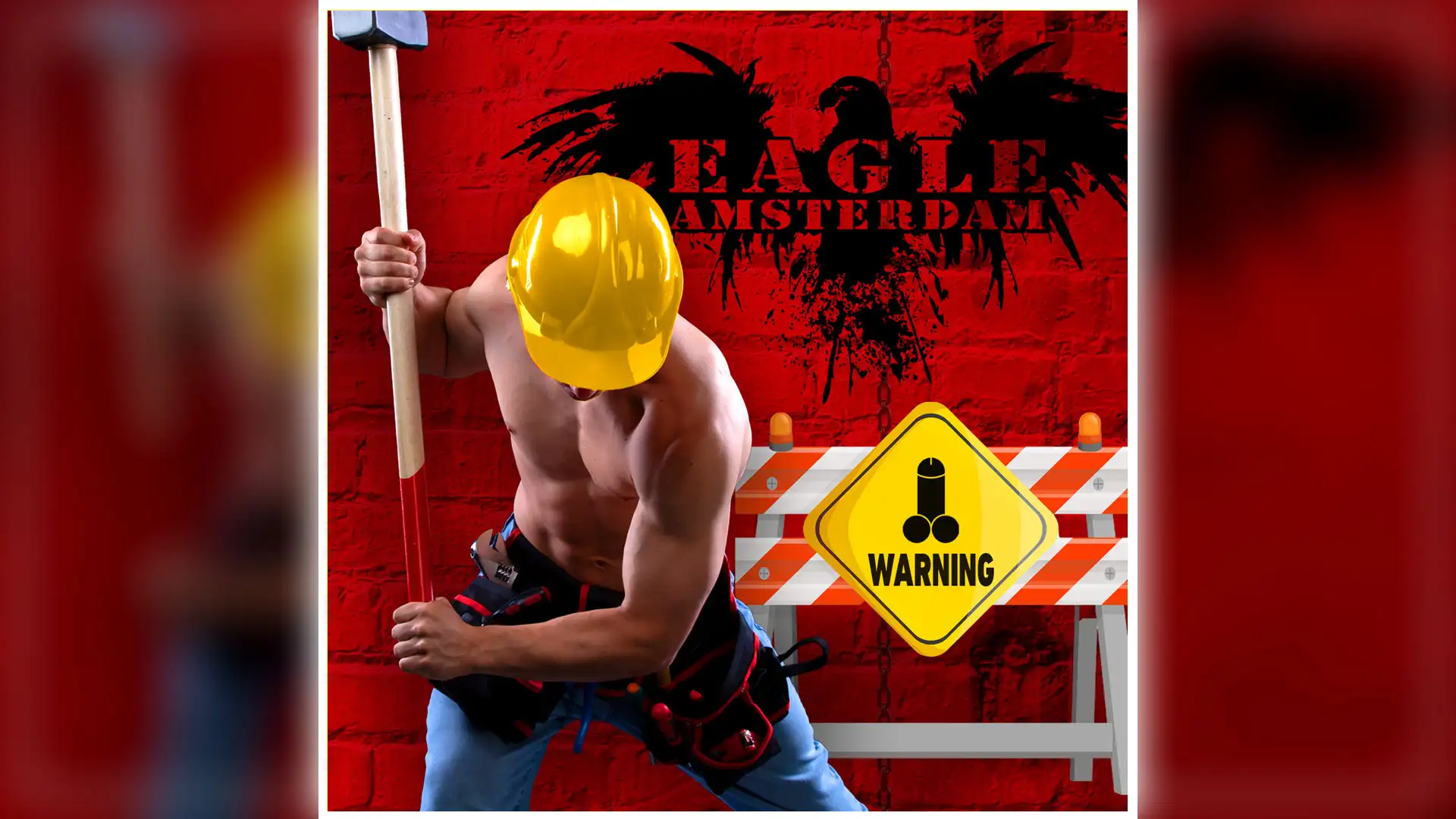
Amsterdam has multiple gay clusters rather than one single neighborhood. Reguliersdwarsstraat is the main gay street (BLEND, SoHo, Taboo, Exit and Club NYX). Warmoesstraat near the red light district keeps the leather and cruise scene (Eagle, Dirty Dick's, the RoB and Mister B heritage). The Amstel and Zeedijk have the classic gay cafes, and Kerkstraat is home to Club Church and the Spijker. The city's only gay sauna, Nieuwezijds, sits near Centraal Station.
On Reguliersdwarsstraat: BLEND, SoHo, Taboo and Exit Café. On Warmoesstraat: The Eagle and Dirty Dick's; bears head to Bears Amsterdam in the former Web on Sint Jacobsstraat. For clubs: Club NYX, Club Church (cruise and fetish nights) and De Trut, the volunteer-run Sunday disco. Café 't Mandje on the Zeedijk — open since 1927 — is the heritage stop.
Pride Amsterdam runs at the end of July into early August, with the famous Canal Parade on boats — in 2026 the city hosts WorldPride (25 July – 8 August), its biggest edition ever. King's Day (April 27) is also a huge gay-popular street party. Spring tulips (April) and autumn (September) are best for sightseeing.
Many hotels in the centre are gay-friendly, and a few are explicitly gay: the Amistad and the leather-friendly Anco near the Warmoesstraat scene, plus long-running gay-popular stays like the ITC on the Amstel. See the map above.
Your privacy choices.
We use cookies to run GayOut and, with your consent, measure usage. Learn more
Your privacy choices
We use cookies to keep GayOut running, remember your preferences, and (with your permission) measure how the site is used. You can accept all, reject all, or pick what you allow. Learn more
Essential
Required for sign-in, fraud prevention, CSRF protection and remembering your language. Cannot be disabled.
Always on
Remembers your favourites, dark mode and other interface preferences across visits.
Helps us understand which pages people visit (Google Analytics, server-side stats) so we can improve.
Used by campaign tracking pixels. None are active right now, reserved for future use.
Install GayOut
Add GayOut to your home screen for faster access, offline favourites, and Pride alerts.





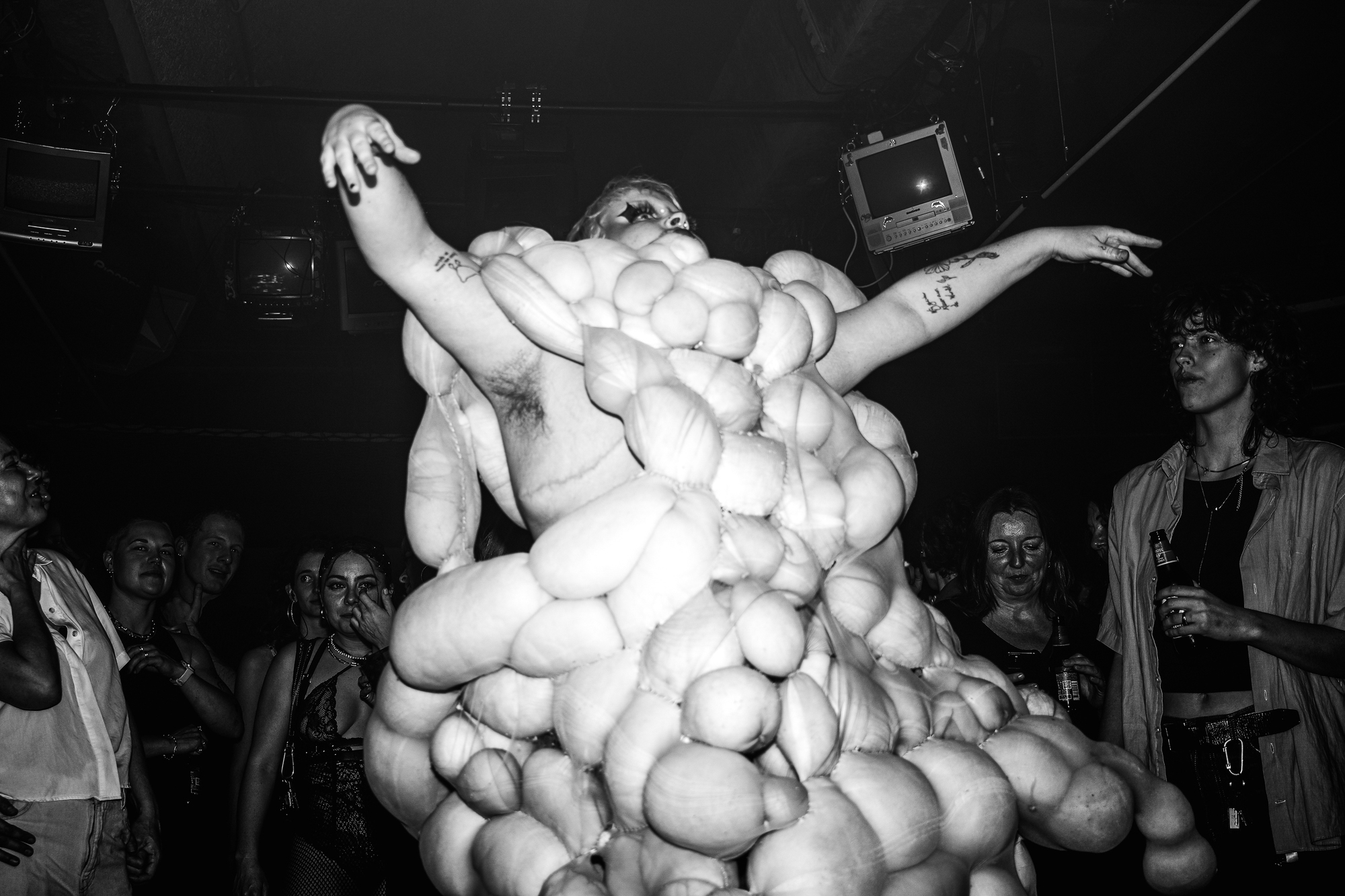








 Gay Bars & Clubs
Featured
(560)
Gay Bars & Clubs
Featured
(560)