If detained: do not sign any document you do not understand. Request your embassy and a lawyer immediately. Do not consent to phone searches without legal advice.
Lusaka, the capital of Zambia, is a sprawling city of over 2.5 million people located in the country's south-central region. While it serves as Zambia's economic and cultural hub, it is not traditionally known as an LGBTQ+ destination. Understanding the landscape requires acknowledging both the legal framework and the lived realities of LGBTQ+ people in this context.
Legal Context and Safety Considerations
Sambia's penal code criminalizes same-sex conduct, with Chapter 144 of the Zambian Criminal Code specifically prohibiting homosexual acts. This legal framework creates a challenging environment for open LGBTQ+ expression. While enforcement varies and Lusaka as an urban center tends to be more liberal than rural areas, travelers should understand that same-sex relationships are not legally recognized or protected. Public displays of affection between same-sex partners carry real risks and should be avoided.
The Zambian government and much of the public maintain conservative attitudes toward LGBTQ+ issues, influenced by religious beliefs and traditional cultural values. However, there are local LGBTQ+ activists and human rights organizations working toward greater acceptance and legal reform. International diplomatic pressure and grassroots advocacy continue slowly.
The LGBTQ+ Community in Lusaka
Lusaka's LGBTQ+ community exists largely underground, with most social networks private and invitation-based. There are no openly gay bars, clubs, or dedicated LGBTQ+ venues operating publicly in Lusaka. Instead, community members connect through private networks, online platforms, and social media groups. International hotels and the expat community tend to be more welcoming and less judgmental than the general public.
Local LGBTQ+ organizations and NGOs do exist in Lusaka, though they often frame their work around broader human rights, health, and social issues rather than explicitly as LGBTQ+ advocacy. These organizations have provided support to community members and have engaged in discreet outreach and education.
Neighborhoods and Accommodation
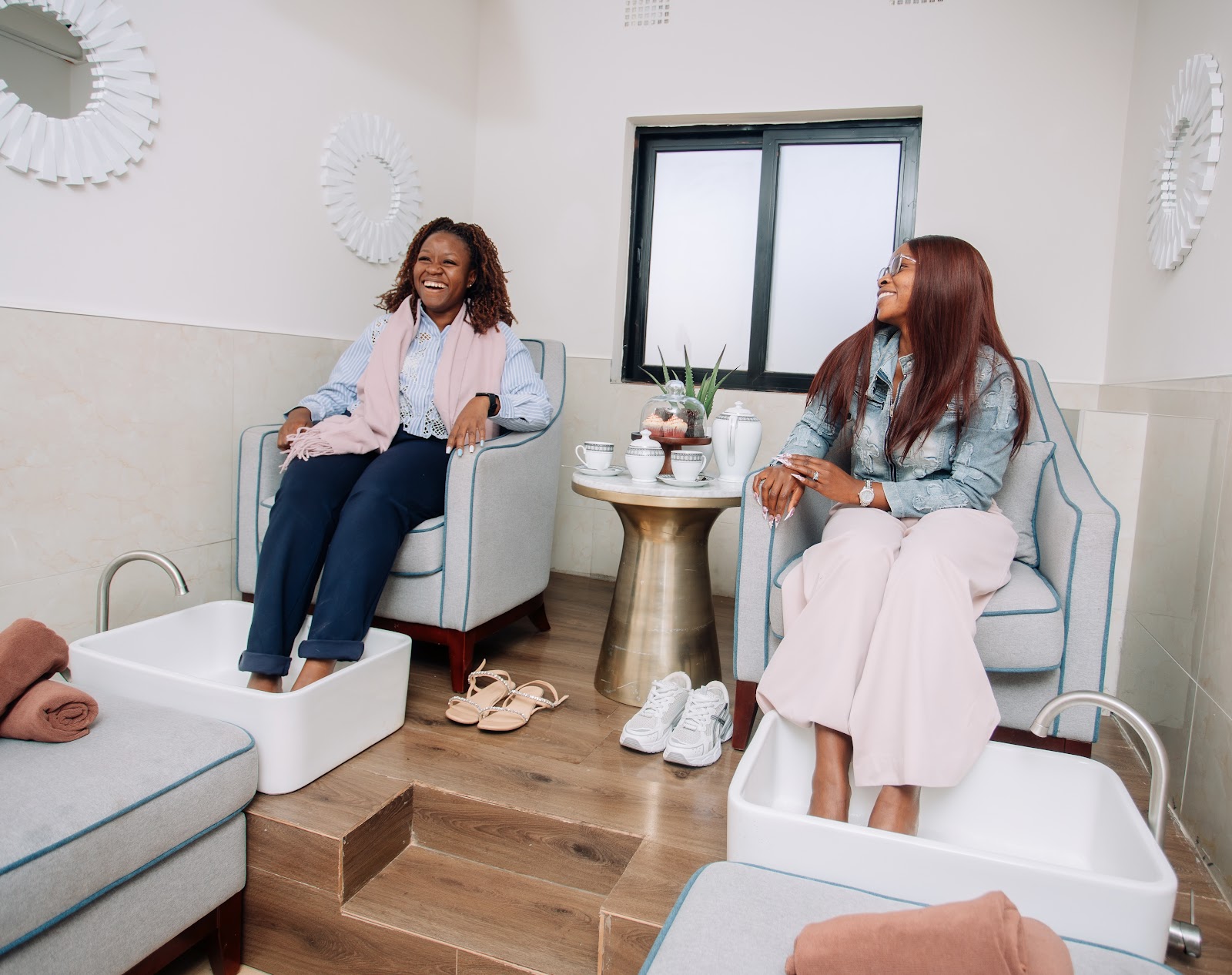
Lusaka's main residential and commercial areas include Woodlands, Rhodes Park, and the Central Business District. For travelers, the safer and more comfortable areas tend to be Woodlands and Rhodes Park, which have better amenities, more expat presence, and generally more cosmopolitan atmospheres. Hotels in these areas are accustomed to international guests and tend to be professional regardless of guest composition.
Recommended accommodation includes established international chains such as the Taj Pamodzi Hotel, located in the Central Business District, which is professional and discreet. The InterContinental Lusaka in Woodlands is another reliable option. Airbnb and guesthouses vary widely in quality and attitude; research thoroughly before booking and read reviews carefully.
When booking, there is generally no need to hide one's identity, but discretion is advisable. Using first names only when appropriate and avoiding public displays of affection are practical precautions.
There are no exclusively LGBTQ+ bars or clubs in Lusaka that operate openly. However, some hotels, clubs, and restaurants in upscale areas are known to be more gay-friendly and welcoming to LGBTQ+ clientele, particularly those catering to the international and expat community. The Taj Pamodzi Hotel's bar and restaurant areas draw a mixed crowd and are generally professional and non-judgmental.
Social connection for LGBTQ+ travelers often happens through online platforms, dating apps, and private networks rather than physical venues. Apps like Grindr have some presence in Lusaka, though users should exercise caution with privacy and safety. Meeting local LGBTQ+ people typically requires building trust and connections through these digital channels.
Transportation and Getting Around
Lusaka is spread out and public transportation is limited to minibuses and taxis. Most visitors rely on ride-hailing apps such as Uber or Bolt, which operate in Lusaka and are generally safe and reliable. Traditional taxis can be hailed but prices should be negotiated beforehand. Walking after dark is not recommended in many areas.
The city's infrastructure is developing, with roads improving and traffic congestion common during rush hours. Travel between neighborhoods typically takes 20-45 minutes depending on traffic.
Food and Dining
Lusaka has a growing food scene, particularly in central and upscale areas like Woodlands. International cuisine is available at hotels and restaurants catering to expats and tourists. Local Zambian cuisine centers on nshima (maize meal), relishes with vegetables and protein, and fresh produce. Popular restaurants include those in the Taj Pamodzi Hotel and various establishments in Woodlands shopping centers.
There are no specifically LGBTQ+-owned or operated restaurants, but dining at international chains and established restaurants is generally safe and comfortable. Discretion in public remains appropriate.
Day Trips and Attractions
While Lusaka itself has limited LGBTQ+-specific attractions, the surrounding region offers natural sites. The Lusaka National Park is a good option for outdoor activities. The Kafue National Park, about 60 kilometers away, is one of Africa's largest national parks and offers safari experiences.
The Livingstone area, home to Victoria Falls, is approximately 450 kilometers south of Lusaka (about 1.5 hours by air or 12 hours by road). This is a more developed tourist destination with better amenities, though the same legal constraints on LGBTQ+ expression apply throughout Zambia.
Connecting with Local LGBTQ+ Community
For LGBTQ+ visitors interested in understanding local advocacy and community work, organizations focused on human rights and health may be open to discreet connection. Researching before arrival through international LGBTQ+ travel websites and forums can provide updated information about community contacts.
Online communities and social media groups dedicated to LGBTQ+ people in Zambia may offer informal ways to connect, though caution and careful vetting are essential for privacy and safety.
Practical Considerations
Visa requirements for Zambia can be checked on the official Zambia Immigration website. Most visitors receive 90-day tourist visas on arrival. No visa explicitly asks about sexual orientation or relationship status.
Healthcare in Lusaka is available, though quality varies. International travelers often use private clinics and hospitals. Travel insurance is strongly recommended.
Internet access is available in hotels and urban areas, allowing for communication and connection with home and communities online.
Currency is the Zambian Kwacha. ATMs are available in the central business district and shopping areas. Credit cards are accepted at larger establishments.
Conclusion
Lusaka is not a developed LGBTQ+ travel destination and is not recommended as a leisure trip specifically for LGBTQ+ tourism. However, LGBTQ+ professionals visiting for work, those with specific research or advocacy interests, or experienced travelers comfortable navigating conservative environments may find ways to connect and spend time safely. Advance research, discretion, and connection with trusted contacts are essential. The broader context of Zambia's legal framework and social conservatism should be clearly understood before visiting.
Frequently asked questions
Same-sex relationships are illegal in Zambia, and while enforcement varies, LGBTQ+ individuals face real risks. Public displays of affection between same-sex couples are inadvisable and could attract unwanted attention from authorities or the public.
There are no openly operating gay bars, nightclubs, saunas, or other dedicated LGBTQ+ venues in Lusaka. The LGBTQ+ community largely exists underground and in private spaces.
The social climate is heavily influenced by conservative religious values and traditional attitudes. While urban Lusaka is more cosmopolitan than rural areas, homophobic sentiment remains common.
There are no Pride events or public LGBTQ+ celebrations in Lusaka or elsewhere in Zambia. Local activist work operates under significant constraints due to the legal environment.
Connection happens primarily through personal networks, trusted friends, and dating/social apps. International hotels may provide safer, more discreet spaces, but these are not explicitly LGBTQ+-oriented.
Same-sex relationships are illegal in Zambia under Chapter 144 of the Penal Code, with penalties including imprisonment. Tourists are generally less targeted than locals, but discretion is advised.
Your privacy choices.
We use cookies to run GayOut and, with your consent, measure usage. Learn more
Your privacy choices
We use cookies to keep GayOut running, remember your preferences, and (with your permission) measure how the site is used. You can accept all, reject all, or pick what you allow. Learn more
Essential
Required for sign-in, fraud prevention, CSRF protection and remembering your language. Cannot be disabled.
Always on
Remembers your favourites, dark mode and other interface preferences across visits.
Helps us understand which pages people visit (Google Analytics, server-side stats) so we can improve.
Used by campaign tracking pixels. None are active right now, reserved for future use.
Install GayOut
Add GayOut to your home screen for faster access, offline favourites, and Pride alerts.


 Gay-Friendly Hotel



