تم إلغاء تجريم المادة 377 من قبل المحكمة العليا في عام 2018. يسمح قانون الأشخاص المتحولين (2019) بتغيير الجنس القانوني. رفضت المحكمة العليا تقنين زواج المثليين في عام 2023.
لا تفوّت أي فعالية للمثليين في كولكاتا
بريد إلكتروني واحد في الأسبوع — جدول نهاية الأسبوع، الحفلات والعروض. لا رسائل مزعجة، يمكنك إلغاء الاشتراك في أي وقت.
Section 377 of the Indian Penal Code criminalises consensual same-sex conduct between adults. While the theoretical maximum penalty is life imprisonment, such severe sentences are rarely imposed. Convictions are more often linked to public indecency charges or related offences rather than consensual activity prosecuted in isolation. However, the law's existence facilitates harassment, blackmail, police extortion, and social persecution. Police may register cases based on complaints from individuals or spurned partners, and bail procedures can be protracted and humiliating. Judicial reform efforts continue, but progress is gradual.
Enforcement is not uniform. Tourist areas and international hotels generally experience less scrutiny than residential neighbourhoods. Private consensual activity between adults in secure spaces carries a lower risk than public displays or solicitation. Nonetheless, the law remains a tool for control and harassment, and travellers should be aware that legal protections available in their home countries may not apply here.
PRACTICAL SAFETY
Public displays of affection such as hand-holding, kissing, or embracing between same-sex couples are inadvisable. Male-male PDA carries a higher risk than female-female PDA due to societal stigma and the historical criminalisation of male homosexuality.
Dating apps are known to be monitored by authorities in Indian cities. Profiles may be screenshotted and used for identification and blackmail. Users should assume conversations may not be private. While a VPN may reduce surveillance risk, it does not eliminate it. Safer socialising typically occurs through trusted referrals, existing social networks, and private gatherings rather than app-based meetings.
Hotel policies vary. International chains generally have corporate anti-discrimination policies and will assign same-sex couples to double rooms without issue. Mid-range Indian hotels are increasingly accommodating. Budget guesthouses, particularly family-run establishments, may refuse bookings or create uncomfortable situations. Booking through international platforms and checking reviews for LGBTQ+ mentions can mitigate risk.
Avoid discussing sexual orientation or relationship status with strangers, service workers, or in public spaces, as police may act on complaints alleging immoral conduct. Avoid cruising areas, known meeting spots, or any situation that could be perceived as solicitation. Exercise caution when sharing personal identity or relationship details with new acquaintances.
Transgender and gender-nonconforming travellers may face heightened vulnerability to discrimination, harassment, and police profiling. Presenting as gender-conforming is generally safer, though this requires personal compromise.
DISCREET SOCIALISING
Open LGBTQ+ venues such as bars, clubs, or saunas do not exist in Kolkata. Discreet socialising happens through private channels: trusted friend networks, expatriate social groups, and international hotel bars where mixed crowds gather without explicit LGBTQ+ branding.
International hotels in South Kolkata, such as The Park and The Oberoi Grand, have bar scenes frequented by travellers, expatriates, and cosmopolitan locals. While not marketed as LGBTQ+-friendly, mixed-gender groups and couples socialising without PDA are not uncommon, and staff are professional.
Expatriate circles, particularly among diplomats and NGO workers, often hold more liberal attitudes. Connecting with these communities typically requires prior association through work, university networks, or introductions. Visitors may connect with these circles through international traveller networks or alumni groups, but this requires discretion and trust-building.
Private house parties and dinners among friends are the primary social outlet for local LGBTQ+ individuals. Visitors may be invited through personal connections, but these opportunities are not guaranteed and cannot be sought openly.
MAINSTREAM TRAVEL HIGHLIGHTS
Kolkata's appeal to general travellers centres on its culture, history, and food. The Victoria Memorial is a notable colonial landmark and museum. The Indian Museum houses significant archaeological and art collections. The Dakshineswar Kali Temple is a major pilgrimage site. The Marble Palace is a 19th-century mansion with art collections.
The city is recognised for its literary and artistic heritage. Independent cinemas, galleries, and cultural centres host exhibitions and screenings. The Kolkata Book Fair, held annually in January-February, is a large event.
Food & Drink
Food is central to Kolkata's identity. Street food is available throughout the city. Restaurant culture ranges from traditional Bengali cuisine to international options in South Kolkata. Nightlife for general travellers includes bars and restaurants in South Kolkata neighbourhoods, which are cosmopolitan and mixed.
Day Trips
Day trips include visits to Darjeeling, the Sundarbans (requiring guided tours), and colonial hill stations.
WHERE TO STAY
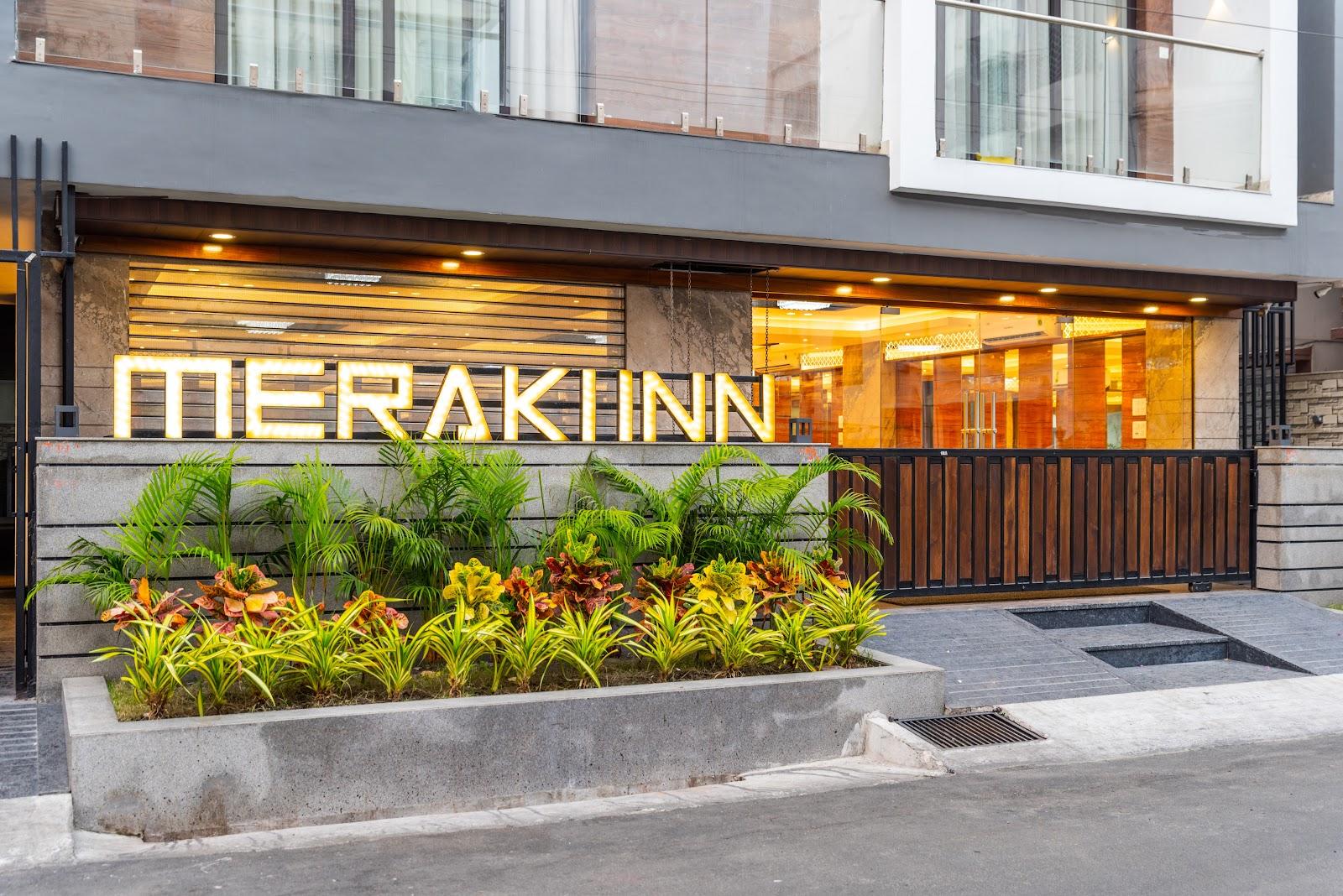
International hotel chains in South Kolkata are generally the safest choice for LGBTQ+ travellers. Hotels such as The Park, Oberoi Grand, ITC Sonar Bangla, and Taj Bengal offer professional service, reliable policies on same-sex room bookings, secure environments, and discreet bar and dining spaces. Booking a double room through an international website can ensure clarity.
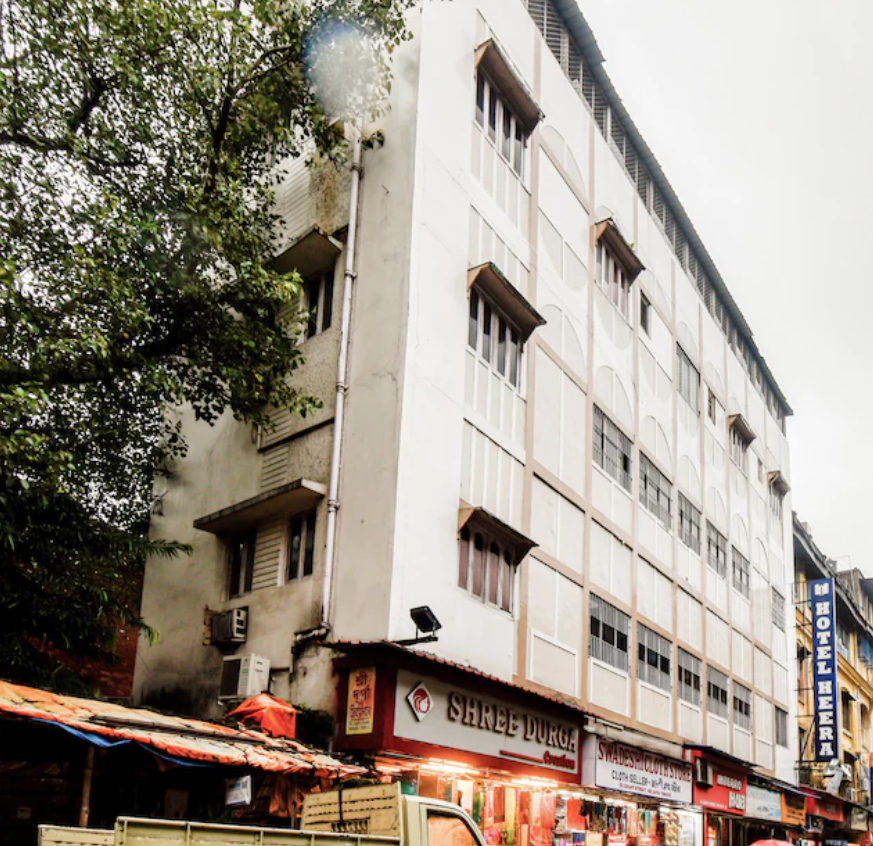
Mid-range hotels in South Kolkata, in areas like Salt Lake and Ballygunge, are increasingly mainstream and often accommodate same-sex couples without issue, though policies may vary. Reading recent reviews for LGBTQ+ mentions is advisable. Avoid cheap guesthouses in residential areas or North Kolkata unless specific local guidance is available.
Airbnb and similar platforms can offer privacy, but landlord acceptance varies. Reading reviews carefully and communicating clearly about shared bookings is essential.
Kolkata is worth visiting for LGBTQ+ travellers who are comfortable maintaining discretion in public spaces, do not require or expect open LGBTQ+ social scenes or events, have experience navigating restrictive legal environments, can compartmentalise their identity during their visit, are staying in international hotels or trusted accommodations, and are interested in the city's culture, food, history, and art.
LGBTQ+ travellers should reconsider visiting if they require visible LGBTQ+ spaces or communities to feel safe or affirmed, are unable or unwilling to refrain from PDA, are transitioning or in early identity exploration and need supportive environments, are seeking romantic or sexual encounters where the risks may outweigh the rewards, or have high anxiety around legal vulnerability.
Visiting as part of a mainstream tourist group is manageable and common. Extended stays, particularly those involving dating or seeking romantic connections, may present significant challenges.
خيارات الخصوصية.
نستخدم ملفات تعريف الارتباط لتشغيل GayOut، وبموافقتك، نقيس الاستخدام. اعرف المزيد ↗
خيارات الخصوصية
نستخدم ملفات تعريف الارتباط لتشغيل GayOut وتذكّر تفضيلاتك وقياس استخدام الموقع (بإذنك). يمكنك قبول الكل أو رفض الكل أو اختيار ما تسمح به. اعرف المزيد ↗
أساسية
مطلوبة لتسجيل الدخول وحماية الاحتيال وحفظ تفضيل اللغة. لا يمكن تعطيلها.
دائماً مفعّل
تحفظ المفضلة والوضع الداكن وتفضيلات الواجهة عبر الزيارات.
تساعدنا على فهم الصفحات التي يزورها الناس (Google Analytics، إحصاءات الخادم) حتى نستطيع التحسين.
تستخدمها وحدات تتبّع الحملات. لا توجد أي نشطة حالياً، محجوزة للاستخدام المستقبلي.
ثبّت GayOut
أضف GayOut إلى شاشتك الرئيسية للوصول الأسرع والمفضلة دون اتصال وتنبيهات الفخر.


 ودود حانات ونوادٍ مثلية