If detained: do not sign any document you do not understand. Request your embassy and a lawyer immediately. Do not consent to phone searches without legal advice.
Bali's gay scene developed organically from the broader tourism boom beginning in the 1970s and accelerating through the 1990s and 2000s. Unlike many Muslim-majority areas of Indonesia, Bali is predominantly Hindu, and its syncretic spiritual culture has historically been more accepting of sexual and gender diversity. The island became a popular destination for gay travelers from Australia, Europe, and beyond, drawn by affordability, beauty, and perceived tolerance. Over the past two decades, the scene has become increasingly visible, with dedicated gay venues, gay-owned businesses, and openly LGBTQ+ hospitality staff becoming normal in tourist areas like Seminyak. However, this visibility exists in a legal gray zone—Indonesia's penal code and Islamic law in other provinces contain provisions criminalizing same-sex conduct, and national sentiment can shift. Bali remains relatively insulated from these pressures due to its Hindu majority and tourism dependence, but travelers should remain cautious and aware.
Neighborhoods and Areas
Seminyak is the primary gay hub of Bali. This beachfront neighborhood south of Kuta features upscale shopping, dining, and nightlife concentrated along Jalan Oberoi, Jalan Laksmana (Double Six), and surrounding streets. The beach itself is a popular gathering spot, particularly in the afternoons and early evenings. Seminyak attracts a mix of gay men, couples, and affluent travelers; the vibe is sophisticated and hedonistic rather than bohemian.
Canggu, located north of Seminyak, has rapidly developed a gay-friendly reputation alongside its broader appeal to digital nomads and young professionals. The neighborhood centers around Batu Bolong Street and the beachfront, with numerous cafes, co-working spaces, and bars employing openly LGBTQ+ staff. Canggu attracts a younger, more alternative crowd than Seminyak and offers better value for money.
Ubud, Bali's cultural heart in the island's interior, attracts LGBTQ+ visitors interested in arts, spirituality, and wellness rather than nightlife. The town has yoga studios, meditation centers, and wellness retreats popular with queer travelers. While Ubud lacks a dedicated gay scene, it is generally progressive and welcoming.
Kuta, south of Seminyak, is more budget-oriented and less explicitly gay-focused, though still welcoming to LGBTQ+ tourists. It appeals to backpackers and those seeking cheaper accommodations.
Venues and Nightlife
Seminyak's gay venues include several well-known bars and clubs. Ku De Ta is an iconic beach club with a substantial gay clientele, particularly popular on weekends and featuring DJs and ocean views. Double Six is another beachfront favorite with a gay-friendly atmosphere and club dancing. Potato Head Beach Club attracts a mixed crowd and is known for quality music and striking design. These venues are not exclusively gay but openly welcome LGBTQ+ guests and draw significant gay crowds.
For exclusively or predominantly gay venues, the scene is smaller. Several gay bars operate in Seminyak's backstreets; however, names and locations change frequently due to the informal nature of the scene and local regulations. Most are more accurately described as bars with a gay-friendly focus rather than purpose-built gay clubs.
The scene also includes private parties, house parties, and events organized through social media and apps like Grindr and Hornet—these are often worth inquiring about through local connections or tourism services.
Ubud has fewer explicit gay venues but hosts occasional parties and events, typically organized through social media.
Pride and Events
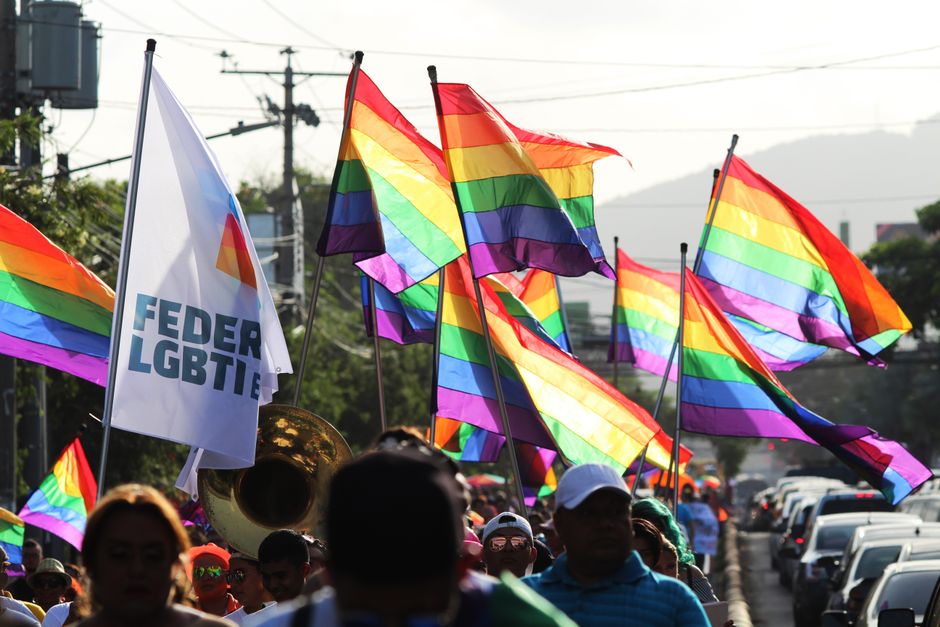
Bali does not have an official Pride parade, and large-scale public LGBTQ+ events are limited. However, the island hosts various parties and circuit events, particularly during peak tourist seasons (July-August and December-January). International circuit parties and themed weekends are sometimes organized; information is typically shared through gay tourism channels, apps, and local contacts rather than mainstream advertising. Some bars and clubs host themed nights for LGBTQ+ clientele, though dates vary.
Where to Stay
Seminyak offers numerous gay-friendly and gay-owned hotels, villas, and resorts. The area ranges from luxury beachfront properties to mid-range boutique hotels to budget options. Many accommodations actively market to LGBTQ+ travelers and employ LGBTQ+ staff. The neighborhood is pricier than other Bali areas but offers proximity to the main gay scene, beaches, and dining.
Canggu offers better value with hip, gay-friendly boutique hotels, hostels, and villa rentals. The neighborhood appeals to younger travelers and those seeking a less upscale atmosphere.
Ubud provides wellness-focused accommodations, including yoga retreats and spiritual resorts; many cater to LGBTQ+ guests and offer healing, meditation, and alternative lifestyle focuses.
Kuta and Sanur offer the cheapest options and are suitable for budget travelers, though less specifically gay-oriented.
Safety and Legal Considerations
While Bali's practical tolerance far exceeds many Indonesian regions, travelers should understand the legal and social context. Same-sex relationships are not explicitly illegal in Bali or most of Indonesia under the national penal code, but consensual same-sex conduct can be prosecuted under vague morality laws in certain circumstances, and Islamic law in Aceh province criminalizes homosexuality severely. However, enforcement in Bali is virtually non-existent for tourists and residents engaged in consensual behavior in private or tourist spaces.
Practical safety tips: Avoid public displays of affection (kissing, hand-holding) that would draw attention. Dress respectfully when outside tourist areas. Don't assume locals are accepting of LGBTQ+ identity; tourism workers are typically professional, but reactions from the general public can be unpredictable. Keep ID and copies of documents on hand. Register with your embassy before travel. Purchase comprehensive travel insurance. Avoid areas away from main tourist zones after dark. Be cautious meeting people from apps in unfamiliar locations; meet in public venues first.
Despite these cautions, thousands of LGBTQ+ travelers visit Bali annually without incident. The key is exercising common sense and cultural sensitivity rather than total self-censorship in tourist areas.
Transportation
Bali's main airport (Ngurah Rai International Airport) is near Seminyak. Taxis and ride-sharing apps like Gojek and Grab operate throughout the island and are affordable and reliable. Hiring a driver for the day is common and costs roughly 400,000-600,000 IDR. Walking is viable in Seminyak and Canggu's central areas. Scooter rental is popular but carries safety risks, particularly for unfamiliar travelers. Public buses exist but are not recommended for most tourists due to infrastructure and safety concerns.
Food and Dining
Bali offers world-class dining options appealing to diverse preferences and budgets. Seminyak and Canggu host restaurants ranging from upscale international fine dining to casual cafes. Many restaurants and cafes are owned or staffed by LGBTQ+ people and are implicitly welcoming. Indonesian cuisine (nasi goreng, satay, fresh seafood) is widely available and affordable. Vegetarian and vegan options are abundant due to yoga and wellness culture. Warung (small local restaurants) offer authentic, cheap dining but may have less English spoken. Bali's coffee culture is notable, with excellent specialty cafes throughout Seminyak and Canggu.
Day Trips and Activities
Beyond the gay scene, Bali offers numerous attractions. Ubud's arts scene, rice terraces, and temples appeal to many visitors. Seminyak and Canggu provide world-class beaches and water sports (surfing, diving). Mount Batur sunrise hikes are popular. Temple visits (Tanah Lot, Besakih) offer cultural experiences—dress respectfully with covered shoulders and knees. Spa and massage services are ubiquitous and affordable. Yoga and meditation retreats attract many LGBTQ+ travelers seeking wellness. Cooking classes, art workshops, and cultural tours are widely available. Islands like Nusa Penida and Gili Islands offer day-trip opportunities.
Best Times to Visit
The dry season (April-October) offers the best weather, with July-August being peak tourist season and most expensive. December-January is wet but also busy (holiday season). May-June and September-October offer good weather with fewer crowds and lower prices. Avoid September and October if traveling on a tight budget, as some areas become very crowded.
Conclusion
Bali offers LGBTQ+ travelers an appealing combination of natural beauty, affordable luxury, thriving nightlife and social scene, and practical tolerance despite legal ambiguities. The scene is concentrated in Seminyak and Canggu but available throughout the island. Visitors should balance confidence and discretion, enjoying the beaches, culture, and social opportunities while remaining aware of local context and exercising basic precautions. For many, Bali represents an ideal gay destination combining hedonism, spirituality, affordability, and natural beauty.
Frequently asked questions
Same-sex relationships are technically illegal under Indonesian law, though enforcement in Bali's tourist areas is minimal and police generally do not target tourist establishments or visitors. Public displays of affection should be discreet, and visitors should be aware of social conservatism outside tourist bubbles.
Seminyak is where nearly all of Bali's gay-oriented businesses operate. The gay scene is concentrated along and near Jalan Dhyana Pura (Dhyana Pura Street).
The gay scene in Bali centers on smaller bars, beach hangouts, and hotel pool parties, rather than large dance clubs. Mixwell is a recognizable gay bar with a mixed crowd, and several beach clubs attract gay and mixed crowds.
The provided guide does not mention specific LGBTQ+ events or Pride celebrations in Bali.
The guide mentions that many hotels and beach clubs attract mixed crowds including gay tourists, but does not list specific gay-only or explicitly gay-friendly hotels.
The modern gay scene in Bali developed primarily to serve international visitors and remains primarily tourist-oriented rather than centered on local LGBTQ+ communities.
Your privacy choices.
We use cookies to run GayOut and, with your consent, measure usage. Learn more
Your privacy choices
We use cookies to keep GayOut running, remember your preferences, and (with your permission) measure how the site is used. You can accept all, reject all, or pick what you allow. Learn more
Essential
Required for sign-in, fraud prevention, CSRF protection and remembering your language. Cannot be disabled.
Always on
Remembers your favourites, dark mode and other interface preferences across visits.
Helps us understand which pages people visit (Google Analytics, server-side stats) so we can improve.
Used by campaign tracking pixels. None are active right now, reserved for future use.
Install GayOut
Add GayOut to your home screen for faster access, offline favourites, and Pride alerts.