

Gay Kuantan
LGBTQ+ Travel Guide & City Directory
LGBTQ+ Legal Status in Malaysia
Based on national laws as of 2025
Compare all 208 countries →
Legal rights details
Same-sex activity between men is illegal under both civil law (Section 377A?C of the Penal Code, up to 20 years imprisonment and/or caning) and Sharia law (applicable to Muslims; penalties include fines, imprisonment and caning). Prosecutions occur under both systems. The Federal Court ruled in 2019 that Sharia-based laws criminalising same-sex conduct were constitutional. No legal recognition of same-sex relationships. No anti-discrimination protections. Legal gender change is not available.…
Be the first to list a venue in Kuantan
Know a gay bar, sauna, or hotel here? Add it free — reviewed within 48 hours.
+ Add a VenueTravel Guide
Gay Kuantan — Your Complete Guide
Everything worth knowing before you go.
In this guide · 9 sections
LEGAL STATUS
Malaysia criminalises same-sex sexual conduct under Section 377A of the Penal Code, which carries maximum sentences of 20 years imprisonment and fines. This law applies to both men and women. Additionally, Islamic Sharia law in several Malaysian states, including Pahang (which encompasses Kuantan), creates parallel criminal liability for Muslims under state-level legislation; penalties can include imprisonment, caning, and fines.
In practice, prosecutions of consenting adults in private settings are uncommon, but they do occur. High-profile arrests and convictions have happened in recent years, often involving entrapment through dating apps or public behaviour. The law creates a climate of legal jeopardy rather than consistent enforcement, which means risk levels depend heavily on visibility and circumstance. Visitors should assume the law is real and enforceable, even if application is inconsistent.
Recent years have seen increased scrutiny from authorities, particularly through surveillance of online platforms. In 2021 and 2022, there were notable arrests tied to dating apps and private gatherings. This suggests that digital communication should not be assumed private.
PANCTICAL SAFETY
Online Safety: Dating apps like Grindr, Hornet, and similar platforms are known to be monitored by Malaysian authorities. Profiles and conversations can and have been used in investigations. Many users employ VPNs, though the use of VPNs itself is not illegal. Exercise extreme caution; assume nothing on these platforms is confidential.
Hotel and Accommodation: International hotel chains (Hilton, Hyatt, Marriott properties) in Kuantan will rent rooms to same-sex couples without issue—they follow global corporate policies and regularly accommodate LGBTQ+ guests. Budget guesthouses, family-run hotels, and smaller establishments sometimes refuse bookings for same-sex couples or may flag such bookings to authorities. Always book direct with major chains or through international booking platforms; local booking methods carry higher risk.
Public Behaviour: Same-sex hand-holding, kissing, or intimate touching in public is socially unacceptable and can provoke harassment or police intervention. Even hugging between same-sex friends may attract unwanted attention in conservative areas. Maintain physical distance in public spaces. This applies especially in areas with significant religious signage or conservative dress norms.
Neighborhoods
Neighbourhoods: Kuantan's central business district and waterfront areas are more cosmopolitan. The Teluk Chempedak beach area, Jalan Merdeka, and the central market district host a mix of locals, tourists, and expats. More residential or religiously observant areas (inland districts, some suburbs) are less welcoming. Stick to established commercial and tourist zones.
Transport: Ride-sharing apps (Grab) are safe for solo travel. Do not discuss personal matters with drivers. Avoid isolated areas at night, as with any unfamiliar city.
Documents and Risk: Keep copies of passport and documents separate from originals. Understand that if arrested, consular assistance from your home country may be limited if the charge is a criminal offense; many countries cannot intervene in prosecutions for "moral" offences.
DISCREET SOCIALISING
Kuantan has no openly LGBTQ+ venues, bars, or clubs. Socialising for LGBTQ+ visitors typically occurs through:
Hotel Bars and Lobbies: International hotel bars (in chains like Hilton Kuantan) are relatively mixed and cosmopolitan. These spaces attract expats, business travellers, and locals of various backgrounds. They are not specifically LGBTQ+ spaces, but they are more accepting of diverse groups than standalone local bars. Staff are professional and discreet.
Expat Networks: Longer-term visitors and expats sometimes meet through workplace networks, shared accommodations, or mutual friends. These gatherings are strictly private and organised through trusted channels only, never openly advertised. This is not a formalised "scene" but rather individuals maintaining connections.
Online Communities: Facebook groups, some messaging apps, and encrypted communication (Signal, WhatsApp with discretion) are used by local and visiting LGBTQ+ people to stay connected. However, assume any online communication could be monitored.
Tourist Gatherings: In some cases, tour groups and hostels attract international travellers of all sexual orientations. These are not marketed as LGBTQ+ spaces but may be de facto more accepting due to international clientele.
The safest approach is to enjoy Kuantan's mainstream attractions and company with caution. Avoid seeking out or broadcasting LGBTQ+ socialising. If you meet other travellers or locals in mainstream settings, interactions should remain discreet.
MAINSTREAM ATTRACTIONS
Kuantan's attractions include:
Teluk Chempedak Beach: A popular sandy beach near the city centre, lined with seafood restaurants and casual cafés. Good for swimming and sunset viewing. The beachfront promenade is busy during weekends and evenings.
Kuantan Waterfront: A modern waterfront development with shops, restaurants, and recreational spaces. It's a social hub for locals and offers food courts, cafés, and evening strolls.
China Town (Jalan Merdeka): The historic commercial district with shophouses, local restaurants, and wet markets. It's a vibrant area for experiencing local life and sampling traditional Malaysian food.
Food & Drink
Food Culture: Kuantan is known for fresh seafood. Local specialities include grilled fish, prawn curries, and keropok (fish crackers). Night markets and food courts offer affordable, authentic meals. Many restaurants are casual and frequented by families and workers.
Diving and Water Sports: Nearby islands (Pulau Tioman, Pulau Aur) offer diving, snorkelling, and beach excursions. These are mainstream tourist activities and easily booked through hotels or tour operators.
Religious Sites: Masjid Negeri (State Mosque) is architecturally significant; non-Muslim visitors should dress modestly if visiting nearby areas. The mosque itself is not typically open to non-Muslim tourists during prayer times.
Natural Attractions: Taman Negara (Malaysia's oldest national park) is accessible from Kuantan. It offers hiking, wildlife spotting, and river activities. This is a major draw for eco-tourists.
Nightlife in General: Kuantan has local bars, karaoke lounges, and nightclubs, but these are mainstream venues catering to locals and business travellers. Some are more family-friendly (karaoke, casual bars), while others are rowdier. There are no specifically LGBTQ+ venues. Mixed company (women, men, international visitors) is normal in modern urban bars, though overt displays of affection or obvious LGBTQ+ presentation may draw attention.
WHERE TO STAY
International Chains: Hilton Kuantan, Hyatt Kuantan, Marriott-affiliated properties, and other international brands are the safest choice. They have global anti-discrimination policies, professional staff, and are accustomed to diverse clientele. Same-sex couples will not face obstacles in booking or check-in. Expect mid-range to upscale pricing (RM 300–800+ per night).
Mid-Range Hotels: Some established local or regional chains (e.g., Sunway hotels, certain Tune Hotel locations) are reasonably safe, particularly in central business districts. These are more affordable than international chains (RM 150–300 per night) but less guaranteed in terms of policy. Reviews and direct contact with management can help.
Budget Guesthouses and Hostels: Reactions vary widely. Family-run guesthouses may refuse same-sex bookings or express discomfort. Hostels with international clientele and younger management are sometimes more accepting, though dorm-style arrangements should be considered carefully. Budget travellers should book through international platforms (Booking.com, Agoda, Hostelworld) rather than local channels, as international platforms include anti-discrimination terms that apply pressure on hosts.
Airbnb: Private rental platforms exist but have fewer listings in Kuantan than major cities. Hosts' policies vary; read reviews carefully and communicate with hosts before booking.
Recommendation: Splurge on an international chain hotel if possible. The security, privacy, and professionalism are worth the cost.
WHO SHOULD VISIT
Kuantan can be visited by LGBTQ+ travellers under these conditions:
Suitable Visitors: Experienced travellers accustomed to discretion in restrictive environments; couples or individuals comfortable with legal risk and social caution; those focused on mainstream tourism (beaches, nature, food) rather than seeking social or LGBTQ+ community spaces; people with workplace or network connections already established in Malaysia; travellers with flexible itineraries who can leave quickly if needed.
Less Suitable: Individuals unfamiliar with operating discreetly in legally restrictive countries; people seeking visible LGBTQ+ socialising, Pride events, or community venues (these do not exist openly); those unable or unwilling to avoid public displays of affection; people with high-profile online LGBTQ+ activism or content; transgender or gender-non-conforming travellers with visible presentation (additional safety risks apply); those with health conditions requiring LGBTQ+-friendly medical access.
Honest Assessment: Kuantan is not an unsafe city by general crime standards, but the legal criminalisation of same-sex conduct creates real jeopardy for LGBTQ+ visitors. The risk is not uniform—much depends on behaviour, visibility, and whether local attention is drawn. Expats live in Kuantan; business people visit; tourists stay safely. But legal protections do not exist, and discreet behaviour is non-negotiable.
First-time visitors to Malaysia or those unfamiliar with operating in restrictive environments should consider more openly welcoming destinations (Thailand, Taiwan, some areas of the Philippines) as alternatives or first steps.
VISA AND PRACTICALITIES
Visitors from most countries receive 90-day visa exemptions for tourism. No visa application flags sexual orientation. Arrival is routine at international airports or land borders. The risk is not at the border but during the stay, particularly if activities or online behaviour draws attention.
Consular Support: Contact your home country's embassy or consulate before travel. Understand their limitations in assisting LGBTQ+ travellers charged under criminal law. Some countries explicitly support LGBTQ+ citizens abroad; others take a non-interventionist stance.
Cities like Kuantan
Gay Kuantan on YouTube
Videos representative of Malaysia
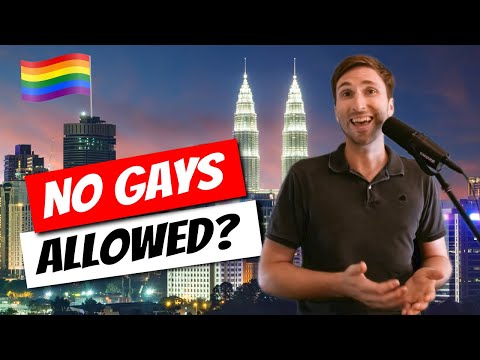
We visited Malaysia, where it's illegal to be gay