

Gay Penang
LGBTQ+ Travel Guide & City Directory · Penang
LGBTQ+ Legal Status in Malaysia
Based on national laws as of 2025
Compare all 208 countries →
Legal rights details
Same-sex activity between men is illegal under both civil law (Section 377A?C of the Penal Code, up to 20 years imprisonment and/or caning) and Sharia law (applicable to Muslims; penalties include fines, imprisonment and caning). Prosecutions occur under both systems. The Federal Court ruled in 2019 that Sharia-based laws criminalising same-sex conduct were constitutional. No legal recognition of same-sex relationships. No anti-discrimination protections. Legal gender change is not available.…
Upcoming Events in Penang

Know an event that's not listed here?
+ Add it nowBe the first to list a venue in Penang
Know a gay bar, sauna, or hotel here? Add it free — reviewed within 48 hours.
+ Add a VenueMore Guides for Penang
Gay Gay Bars & Clubs in Penang: A Vibrant Guide to the Island's LGBTQ+ Nightlife Penang, often hailed as the Pearl of the Orient, is a captivating Malaysia
Penang's Gay Scene: Your Guide to Welcoming Stays in 2026 Penang, Malaysia, continues to be a vibrant and welcoming destination for LGBTQ+ travelers, and i
Gay Saunas in Penang Penang, a jewel of Malaysia, is renowned for its vibrant culture, delicious food, and stunning heritage sites. While it’s a popular de
Travel Guide
Gay Penang — Your Complete Guide
Everything worth knowing before you go.
In this guide · 6 sections
LEGAL STATUS
Malaysia criminalises same-sex sexual conduct under Section 377A of the federal Penal Code. The maximum penalty on paper is 20 years imprisonment, a fine, or both. Several states, including Penang and Selangor, have their own Islamic and secular laws that may carry additional penalties. In practice, prosecutions of foreign tourists are extremely rare, and enforcement is inconsistent. However, the law creates a chilling effect: LGBTQ+ people and visitors cannot openly express their identities or relationships in public without legal risk.
Recent years have seen increased online monitoring and arrests related to LGBTQ+ activism and public expression in Malaysia, though these have typically involved residents rather than tourists. The political and social climate has become somewhat more conservative, and authorities occasionally use the law to target individuals or groups. Nevertheless, tourists are generally not primary enforcement targets—the legal risk is real but the practical risk to a discreet visitor is lower than for residents.
PRACTICAL SAFETY AND DISCRETION
Discretion is non-negotiable in public. Do not hold hands, embrace, or show physical affection with same-sex partners in streets, parks, public transport, or restaurants. This applies even in Georgetown's tourist areas. Avoid discussing sexual orientation or relationship status with strangers or in mixed company. Do not use LGBTQ+-specific dating or hookup apps while in Malaysia—these are known to be monitored by authorities, and profile data has been used in arrests. Consider deleting these apps before arrival and reinstalling after departure.
When booking accommodation, international hotel chains (Shangri-La, Hilton, Marriott, etc.) operate under international corporate policies and will typically accept same-sex couples booking a single room without issue. Budget guesthouses, hostels, and local small hotels may refuse to accommodate unmarried couples sharing a room, especially if both guests are the same sex. Always book through the hotel directly or reputable international platforms like Booking.com rather than local-only sites. Consider booking under one person's name to avoid complications.
Public spaces: beaches are safe for casual socialising but not for any physical contact between same-sex partners. Nightclubs and bars in the mainstream tourism and expat sectors are generally neutral spaces where mixed groups are present, but do not assume they are LGBTQ+-friendly or safe for displays of affection. Some upmarket hotels have bars frequented by expats and international visitors where the atmosphere is more cosmopolitan; these are spaces where you can be yourself verbally in conversation, but public physical contact is still unwise.
Avoid areas known for conservative Islam practice or lower-income residential neighbourhoods where foreigners stand out more. Kampung (village) areas and small towns outside Georgetown carry higher risk of unwanted attention.
DISCREET SOCIALISING
LGBTQ+ travellers who wish to connect socially in Penang typically do so through private channels: word-of-mouth introductions via friends or contacts, private gatherings in hotel rooms or rented apartments, and trust-based networks within the expat and international visitor community. Some travellers meet other visitors in mainstream bars and clubs and socialise privately thereafter.
Expat networks—particularly among international professionals, digital nomads, and long-term residents—tend to be more LGBTQ+-inclusive and private. Asking trusted local contacts or guesthouse owners for recommendations (discreetly) may lead to introductions, though this depends entirely on the individual and should be approached carefully.
Private accommodation rentals (Airbnb, etc.) offer more discretion than hotels for private gatherings, though always review host policies and host reviews carefully.
Online, some travellers use international social networks or forums where LGBTQ+ Malaysians and visitors share information discreetly, though all online activity carries inherent surveillance risk.
MAINSTREAM TRAVEL HIGHLIGHTS
Georgetown's heritage zone features colonial buildings, street markets, temples, and mosques reflecting centuries of multicultural trade. Khoo Kongsi clan temple, Fort Cornwallis, and the Penang Museum are major attractions. Street food is world-renowned—Penang laksa, char kway teow, and other hawker fare draw food tourists from around the world.
Beaches: Batu Ferringhi is the main tourist beach with resorts, water sports, and restaurants. Less crowded beaches exist at the north and south of the island.
Penang Hill offers cooler air, gardens, and views; the funicular railway is a popular attraction.
Nightlife in the mainstream sense includes clubs and bars in Georgetown and beach areas, nightclubs with DJs, and karaoke establishments (KTV). These are ordinary commercial venues, not LGBTQ+ spaces. Some clubs are international or upmarket and attract mixed, cosmopolitan crowds; others are more local and conservative.
Museums, temples, markets, and nature reserves provide plenty of daytime activity.
WHERE TO STAY
International chains: Shangri-La Rasa Sayang, Hilton, Marriott, Amanpuri—these are reliable for same-sex couples booking one room. Staff are professionally trained and discreet. Rates range from moderate to luxury.
Budget international chains: Tune Hotels, Ibis Budget are mid-range international options with standardised policies.
Upmarket independent hotels: Some boutique hotels in Georgetown cater to cosmopolitan travellers and are generally welcoming.
Local guesthouses and hostels: mixed experiences. Some are very welcoming to all travellers; others may be uncomfortable with same-sex couples. Read recent reviews carefully and contact the guesthouse directly if you have concerns. Budget travellers should be more cautious.
Georgetown city centre is good for culture and food; Batu Ferringhi for beaches and resort settings; Penang Hill area for nature and cooler climate. Proximity to amenities matters for security—quieter, isolated guesthouses are less ideal.
WHO SHOULD VISIT
LGBTQ+ travellers who are comfortable with:
- Complete public discretion and no visible expression of identity or same-sex relationship
- Mainstream tourism activities
- Accepting that this is a restrictive legal environment, even if personal risk is low
- Travelling with confidence but not openness
May find Penang a rewarding destination for its culture, food, history, and natural beauty.
LGBTQ+ travellers who:
- Are uncomfortable hiding their identity or relationship
- Seek visible LGBTQ+ venues, events, or community
- Are seeking activism or rights-related travel
- Are inexperienced with navigating restrictive environments
Should consider alternative destinations where they can be openly themselves.
Families and couples: international hotel chains are safe and comfortable. Independent travellers and those on tight budgets face more variability. Solo LGBTQ+ travellers generally face no greater risk than solo travellers of any background, provided they remain discreet.
Cities like Penang
Gay Penang on YouTube
Videos representative of Malaysia
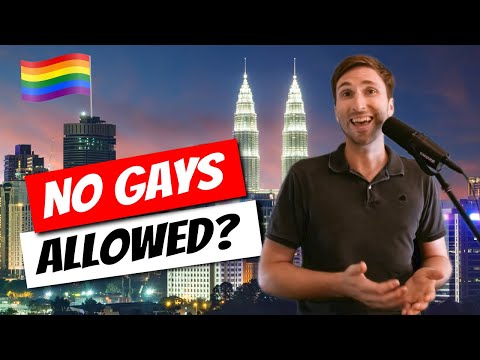
We visited Malaysia, where it's illegal to be gay