

Gay Islamabad
LGBTQ+ Travel Guide & City Directory · ICT
Be the first to list a venue in Islamabad
Know a gay bar, sauna, or hotel here? Add it free — reviewed within 48 hours.
+ Add a VenueTravel Guide
Gay Islamabad — Your Complete Guide
Everything worth knowing before you go.
In this guide · 9 sections
LEGAL STATUS
Pakistan criminalises same-sex sexual conduct under Section 377 of the Penal Code (imported from colonial British law), which prescribes imprisonment up to life. While enforcement against consenting adults in private spaces is rare compared to some neighbouring countries, the law creates a chilling effect on any public expression of LGBTQ+ identity. Prosecutions typically occur when reports are filed by family members, religious figures, or when activity is flagrant enough to provoke complaints. There have been high-profile cases, though recent convictions of ordinary adults are less common than the law's severity suggests. The real danger is not always criminal prosecution but social ostracism, family rejection, religious extremism, and violence from vigilante groups motivated by conservative ideology.
The National Commission for Human Rights and some NGOs have advocated decriminalisation, but political will is absent. Religion and state identity remain tightly interwoven in Pakistan's governance, and any LGBTQ+ rights advocacy is met with fierce opposition from conservative politicians and religious groups. Travellers should assume the law will not protect them; it may instead be weaponised against them.
PRACTICAL SAFETY
Online safety is a critical concern. Dating and hookup apps (Grindr, Scruff, Tinder, etc.) are reportedly monitored by intelligence agencies and police. Profiles can be tracked; messages may be screenshotted and shared. Many security analysts recommend avoiding these apps entirely in Pakistan. If a traveller does use them, a VPN is essential but offers only partial protection. The safer approach: avoid the apps.
Where to Stay
Hotels and accommodation present a different challenge. International hotel chains (Marriott, Serena, Pearl Continental, Distt Guesthouse) in Islamabad generally accommodate same-sex couples in double-bed rooms without comment, especially if bookings are made through international platforms. Staff professionalism and international corporate policies typically override local social pressure. Budget guesthouses and local hotels, however, often refuse same-sex couples or demand separate beds. When booking, use reputable international sites and book a standard double; calling ahead to confirm is safer than risking a confrontation at check-in.
Public displays of affection between same-sex couples will attract attention, judgment, and possible hostility. Hand-holding, hugging, or kissing in public is not safe. Even opposite-sex couples keep PDA minimal in Islamabad's conservative environment; same-sex couples must be even more careful. Use the same discretion you would in the most conservative Western suburb—and then double it.
Certain apps and communications should be treated with caution. VPNs are legal but sometimes throttled or blocked. WhatsApp is safe for messaging. Avoid leaving digital trails of LGBTQ+ content (browsing history, saved images, social media posts) on shared devices or public WiFi.
Visa applications do not ask about sexual orientation, and being LGBTQ+ is not grounds for entry denial. However, travellers should not carry pride flags, pins, or other visible symbols in luggage. Customs officials are generally not seeking this, but the risk is real if your bag is searched.
DISCREET SOCIALISING
Openly gay venues—bars, clubs, saunas, bathhouses—do not exist in Islamabad. There are no pride events, drag performances, or LGBTQ+ community centres. Socialising happens almost entirely in private.
The expat and diplomatic community in Islamabad includes LGBTQ+ individuals who gather in private homes, through invitation-only networks, and in international spaces. Some international hotels (particularly bars in luxury chains) have mixed crowds where international visitors and cosmopolitan locals congregate; these spaces are more tolerant than mainstream society, but they are not LGBTQ+ spaces and behaviour must remain discreet. A same-sex couple may share a drink in a hotel bar without drawing explicit condemnation, but overt flirtation or intimacy will still prompt negative attention.
Making connections as a visitor is difficult without pre-existing networks. LGBTQ+ travel groups and expat organisations sometimes operate, but they are typically closed and invitation-only for safety reasons. Online forums and international LGBTQ+ traveller groups may have Islamabad-specific advice or private contact networks, but these require careful vetting. Cold approaches to potential partners—whether through apps or in person—carry significant risk.
Some travellers find community through educational or professional circles (universities, international NGOs, cultural institutes) if they have legitimate reasons to be in those spaces. Friendships may develop into social networks where LGBTQ+ identity is quietly acknowledged among trusted peers.
MAINSTREAM TRAVEL HIGHLIGHTS
Islamabad offers genuine appeal for any traveller. The Pakistan Monument is an iconic modernist structure with excellent views; the Lok Virsa Museum preserves traditional crafts and culture; the Quaid-e-Azam's Mausoleum (in nearby Rawalpindi) is architecturally significant. Rawal Lake is a popular spot for picnics and walks. The Margalla Hills National Park offers hiking with panoramic city views. The Faisal Mosque, one of South Asia's largest, is architecturally stunning and welcomes respectful visitors (dress modestly; women may need to cover hair).
Food & Drink
Food is excellent. Islamabad has a growing restaurant scene with Pakistani cuisine, Chinese, Thai, Turkish, and Italian options. Chai Diaries, Café Amo, Saidpur Village (a historic hamlet within the city), and restaurants in Bahria Town offer pleasant dining. Street food (samosas, biryani, nihari) is cheap and good; eat at busy stalls during daylight.
Nightlife in the mainstream sense exists: some restaurants and hotels have bars (alcohol is available but not ubiquitous due to Muslim-majority culture), and there are clubs and lounges in upmarket areas. These are mixed-gender social spaces, not LGBTQ+ spaces, and behaviour expectations are conservative. A traveller can enjoy a beer and conversation in an international hotel bar; actual nightlife culture is subdued compared to Western cities.
Shopping is available in markets (Jinnah Super Market, Aabpara Market) and modern malls (Centaurus, Packages Mall). Cricket and field hockey are national obsessions; if major matches are on, watching in a public space gives insight into local culture.
WHERE TO STAY
International hotel chains are the safest accommodation option for LGBTQ+ couples. Marriott Islamabad, Serena Hotel, Pearl Continental, and Distt Guesthouse (high-end) all have professional staff trained to accommodate diverse guests without comment. These are expensive (PKR 15,000–40,000+ per night, or USD 50–150+) but offer security, consistency, and private spaces.
Mid-range options like Jinnah's Tomb Guest House, Rose & Yellow B&B, and some Airbnb properties can work if booked carefully and are run by cosmopolitan owners. Always call ahead and confirm a double-bed room is available; read reviews that mention same-sex couples positively.
Budget guesthouses in cheaper areas (Aabpara, F-7) often refuse same-sex couples or assign separate beds. These are not recommended.
Staying in private homes through trusted connections is safest in terms of legal risk but requires access to networks, which visiting travellers typically lack.
WHO SHOULD VISIT, WHO SHOULDN'T
Islamabad can be manageable for LGBTQ+ travellers who are:
- Experienced in navigating conservative environments and maintaining discretion
- Comfortable with isolation (no open community, limited social options)
- Not seeking LGBTQ+ nightlife, dating, or public affirmation of identity
- Interested in the city's history, nature, food, and culture independent of queer socialising
- Able to afford international hotels for safety and privacy
- Travelling with a partner (safer than solo, avoids suspicion of other arrangements)
Travellers who should reconsider:
- Those seeking LGBTQ+ nightlife, bars, or community spaces (these do not exist openly)
- Young, newly out, or early in transition (emotional support networks are minimal)
- Those unable to suppress visible markers of LGBTQ+ identity (clothing, presentation)
- Solo male travellers seeking casual partnerships (higher risk of entrapment or exploitation)
- Anyone uncomfortable with constant vigilance and self-censorship
- Travellers with precarious immigration or visa status elsewhere (legal entanglement in Pakistan could complicate future travel)
HONEST ASSESSMENT
Islamabad is not a hostile destination in the way some countries are—there is no state-organised persecution or hunting of LGBTQ+ people, and tourists are generally not targeted. But it is a place where LGBTQ+ identity cannot be openly expressed. A traveller can visit, have a good time, and stay safe—but only by accepting that your identity will be completely private, your socialising will be non-existent or invisible, and your sense of self cannot be publicly affirmed.
If you are seeking restoration, community, or celebration of LGBTQ+ identity, Islamabad will not provide that. If you are interested in the city's history, food, mountains, and culture, and you are capable of being quietly discreet, the visit is feasible. Manage expectations accordingly.
Cities like Islamabad
Gay Islamabad on YouTube
Videos representative of Pakistan
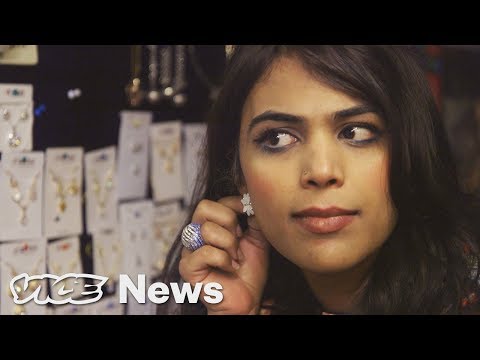
Being LGBT in the Islamic Republic of Pakistan