

?? Safety Warning ? Sri Lanka (Criminalized)
Same-sex acts are illegal in Sri Lanka under colonial-era Sections 365 and 365A of the Penal Code. Maximum penalty is 10 years imprisonment. Arrests have occurred. The Supreme Court upheld these laws in 2024. Exercise significant discretion throughout the country. This guide is provided for harm reduction.
Sri Lanka: Old Laws, Warm People, Hard Truths
For LGBTQ+ travelers, Sri Lanka's reality is almost entirely shaped by a colonial-era law. Sections 365 and 365A of the Sri Lankan Penal Code—taken straight from British India's 1883 Penal Code—criminalize "carnal intercourse against the order of nature" and "acts of gross indecency between males." These laws have stayed on the books through independence in 1948, the republic in 1972, and multiple democratic governments. Every serious attempt to get rid of them has failed. Most recently, a court petition in 2023 was rejected by the Supreme Court in 2024, which said the laws were constitutional.
The law and what's happening on the ground are starkly different, much like in many countries with old colonial criminalization laws. Sri Lankan society—mostly Buddhist, very hospitable to foreign visitors, and culturally sophisticated—isn't uniformly hostile to LGBTQ+ people, despite what the law implies. Social attitudes differ wildly by generation, class, education, whether you're in a city or the countryside, and religious community. Colombo's educated city dwellers lean toward more progressive views; rural and deeply religious communities are more conservative. The transgender community, called hijra or kothi in Sri Lanka, is visible socially but has no legal protection.
Even with the law, Colombo has a small underground scene. Some southern beach areas—especially Unawatuna, near Galle, and Mirissa—have become somewhat tolerant because so many international visitors go there. This guide aims to tell you honestly what's there and what the risks are.
The Law
Sections 365 and 365A of the Sri Lankan Penal Code came directly from the Indian Penal Code written under British colonial rule. Section 365 covers "carnal intercourse against the order of nature" (which generally includes male homosexual acts). It carries a maximum penalty of 10 years hard labor, a fine, and possibly whipping. Section 365A covers "gross indecency between males," with a maximum of 2 years imprisonment and a fine. Lesbian acts are technically covered by 365A's broader language, though historically, prosecutions have focused on male acts.
Enforcement isn't consistent. There are documented arrests, usually during raids on bars or private places, or after complaints from neighbors or family. The law isn't routinely used against tourists, but it's not totally ignored either. The 2024 Supreme Court ruling confirming the laws' constitutionality closed the main legal challenge route. It signals that court action won't likely change things anytime soon.
Colombo's Underground
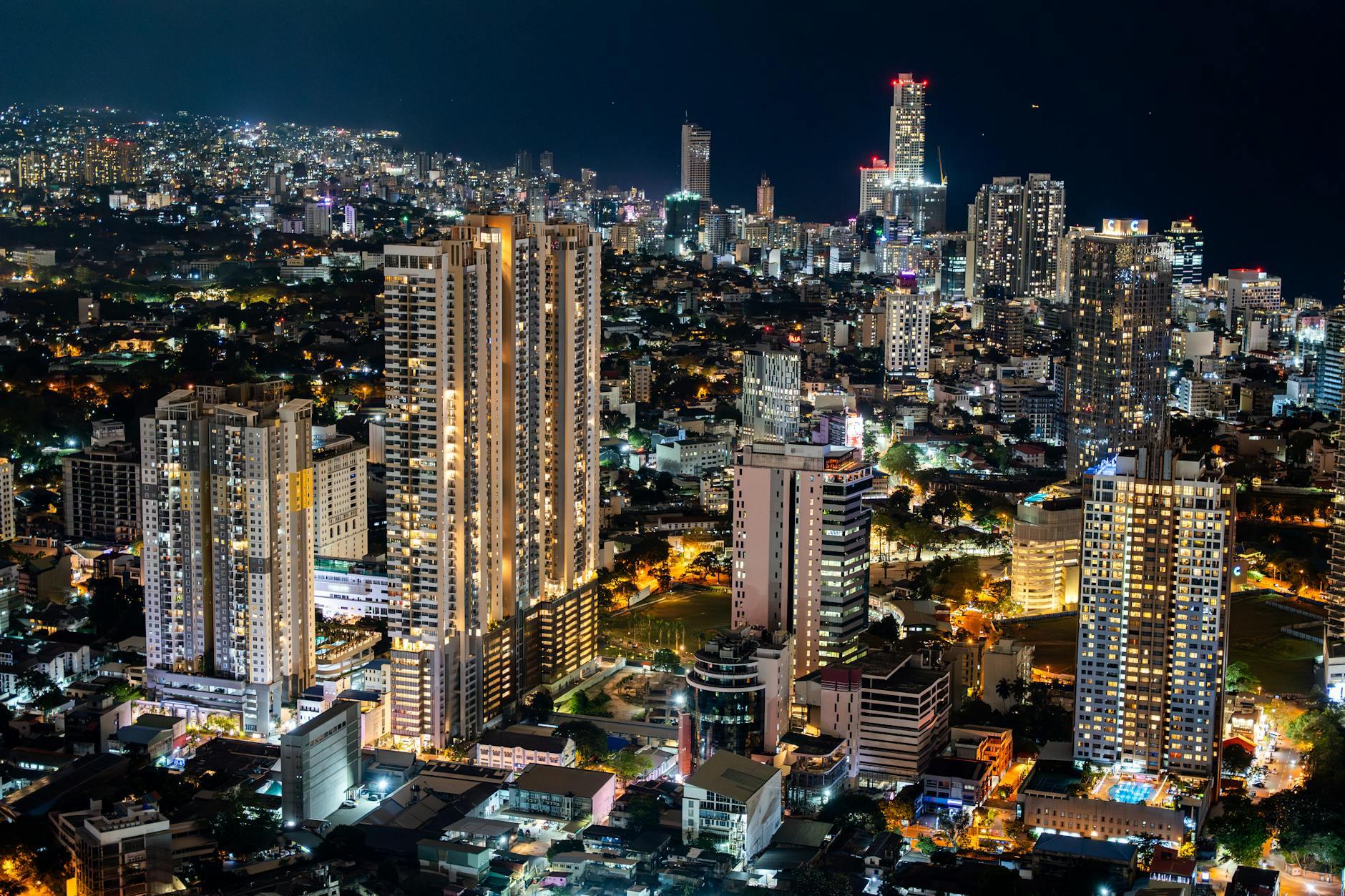
Colombo, the biggest city and commercial capital, has a small LGBTQ+ underground. It's mostly private gatherings, a few gay-friendly guesthouses, and some bars in the Colombo 3 / Kollupitiya area that draw LGBTQ+-tolerant crowds without being openly identified. The scene stays out of public view; you won't see rainbow flags, LGBTQ+ ads, or anything that would attract official attention.
International chain hotels in Colombo—Marriott, Hilton, Shangri-La, Cinnamon—are the safest places to stay. Their non-discrimination policies and professional international standards make for a secure environment for LGBTQ+ guests. The Shangri-La Colombo and the Cinnamon Grand are both in the Colombo 3 area near the waterfront, and they're good choices.
The Southern Coast
The southern coast resort towns—Unawatuna (7km from Galle), Mirissa, and Tangalle—have become somewhat tolerant. That's because so many European and Australian backpackers and resort tourists are there. The international visitor culture in these areas creates a social environment a bit different from Colombo or inland Sri Lanka. There are no gay venues, but the beach guesthouses and bars where international visitors hang out are generally easygoing places for LGBTQ+ travelers who are discreet. Some guesthouses in Unawatuna have a reputation for being LGBTQ+-friendly, spread mostly by word of mouth and travel forums.
Safety Advice for Sri Lanka
- Stay at international chain hotels in Colombo: The Shangri-La, Cinnamon Grand, Hilton Colombo, and Marriott Colombo all have non-discrimination policies. They're the recommended options.
- No public affection anywhere: Even in Colombo's most international areas, public same-sex affection isn't smart and carries legal risk.
- Dating apps: Grindr works in Sri Lanka. Use it with the caution needed in a place where same-sex acts are criminalized. There's no documented systematic entrapment in Sri Lanka like in Jordan, but an individual bad actor using an app to target visitors is a real risk.
- Southern coast: Beach resort areas feel more relaxed. Be discreet in guesthouses; don't assume the general tolerance of the international beach scene extends to all Sri Lankan staff and neighbors.
- Know your embassy: The UK High Commission, US Embassy, Australian High Commission, and other Western missions are all in Colombo. Have their emergency contact info.
- LGBTQ+ organizations: Equal Ground (equal-ground.org) is Sri Lanka's main LGBTQ+ rights organization, based in Colombo. They offer community support and legal documentation. Contact them if you need help during your visit.
Sri Lanka is a beautiful and genuinely welcoming country for tourists. Its people, scenery, temples, and wildlife make it one of Asia's most rewarding places. For LGBTQ+ travelers, the country's beauty doesn't change the legal reality: same-sex acts are criminal, the Supreme Court recently confirmed those laws are constitutional, and enforcement happens. Travel with full awareness, stay at international hotels, avoid public affection, and support Equal Ground's work. Most LGBTQ+ visitors have an uneventful trip to Sri Lanka; uneventful doesn't mean risk-free.