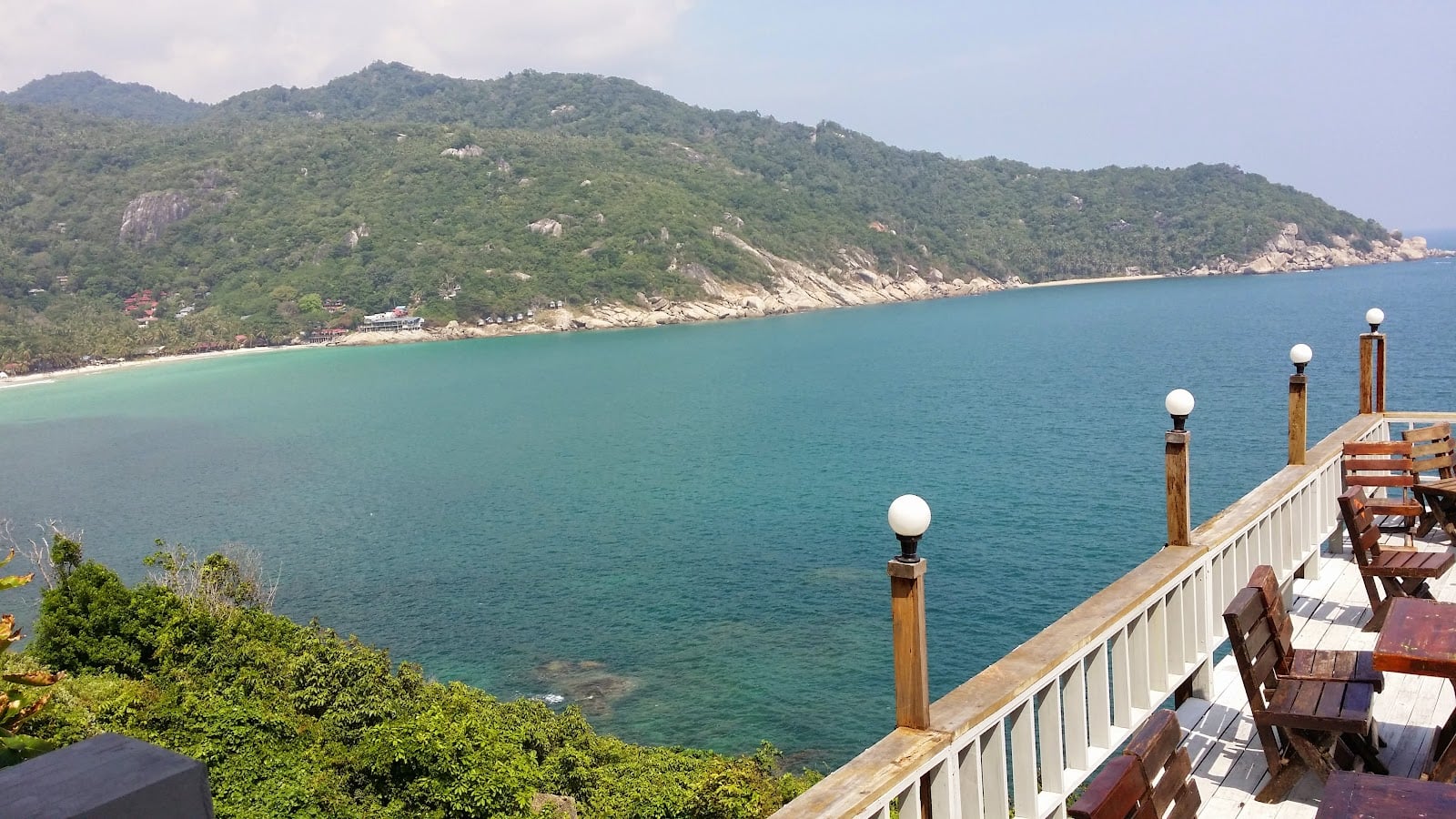
Ban Tai lies on Koh Samui's quieter eastern coast and represents a different aspect of Thailand's LGBTQ+ tourism landscape compared to larger urban centers or dedicated resort areas. While it lacks the concentrated gay venues found in Bangkok, Phuket, or even nearby Chaweng Beach, Ban Tai offers value for LGBTQ+ travelers prioritizing natural beauty, local culture, and peaceful accommodation.
Koh Samui's broader LGBTQ+ history reflects Thailand's generally tolerant attitudes toward sexual orientation, though legal protections remain limited. Thai culture emphasizes acceptance of gender diversity and non-conformity, evidenced by the visibility and integration of transgender individuals and kathoeys in Thai society. This cultural backdrop shapes visitor experiences across the island, including Ban Tai. However, same-sex marriage is not legally recognized, and Thai law technically retains provisions against same-sex conduct, though these are rarely enforced against tourists.
Geography and Neighborhoods
Ban Tai occupies a small area on Koh Samui's southeastern shore, east of the more developed Lamai Beach area. The village itself is compact, centered around the beachfront and a few main roads. Nearby Lamai Beach, about 15 kilometers south, offers more tourist facilities while maintaining a quieter character than Chaweng. Chaweng Beach, the island's primary tourist district to the north, contains most of Koh Samui's bars, clubs, and nightlife, including several gay-friendly establishments. Central Koh Samui features Nathon, the main port town where ferries from Chumphon and Surat Thani arrive.
Accommodation and Where to Stay
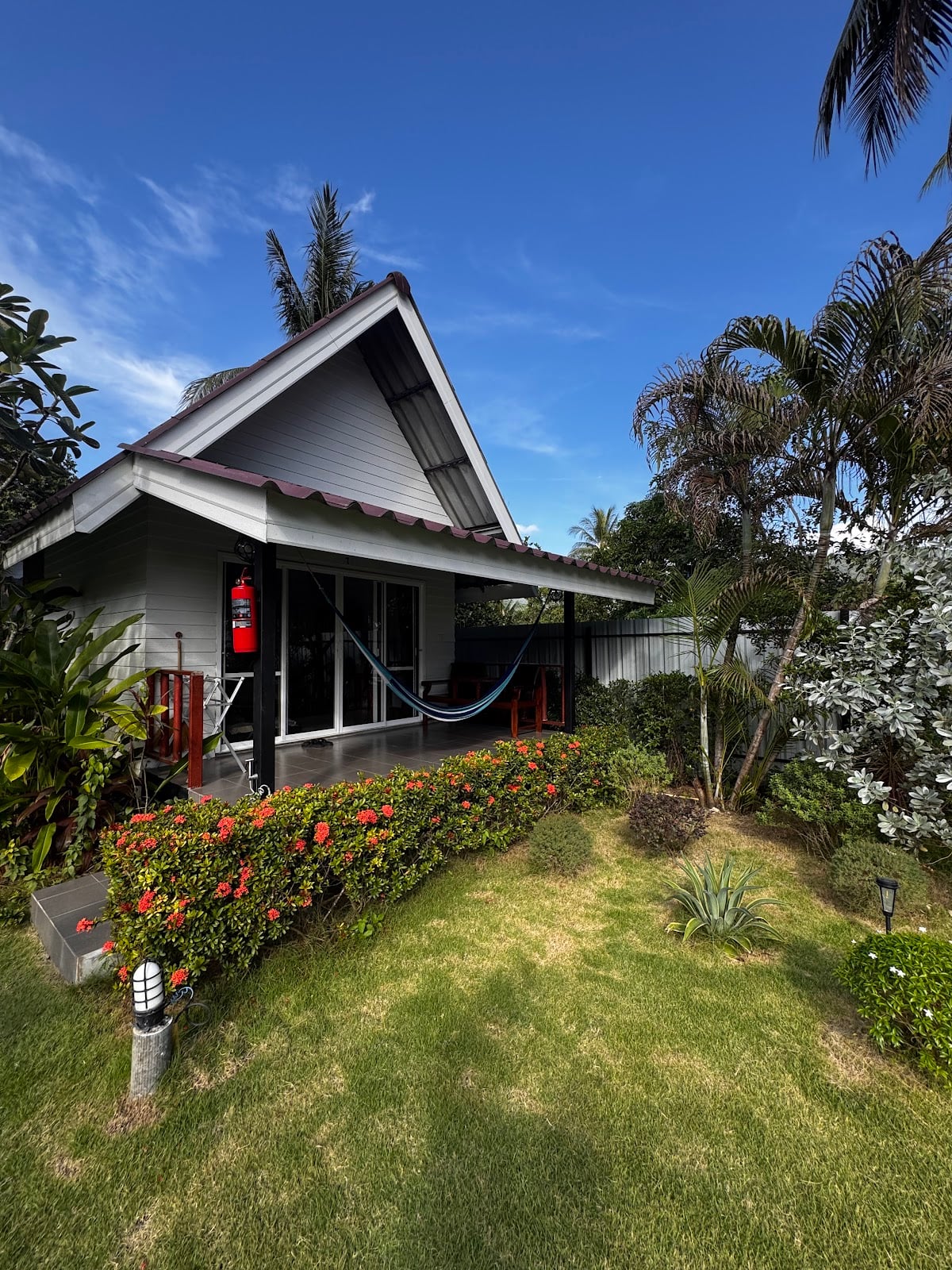
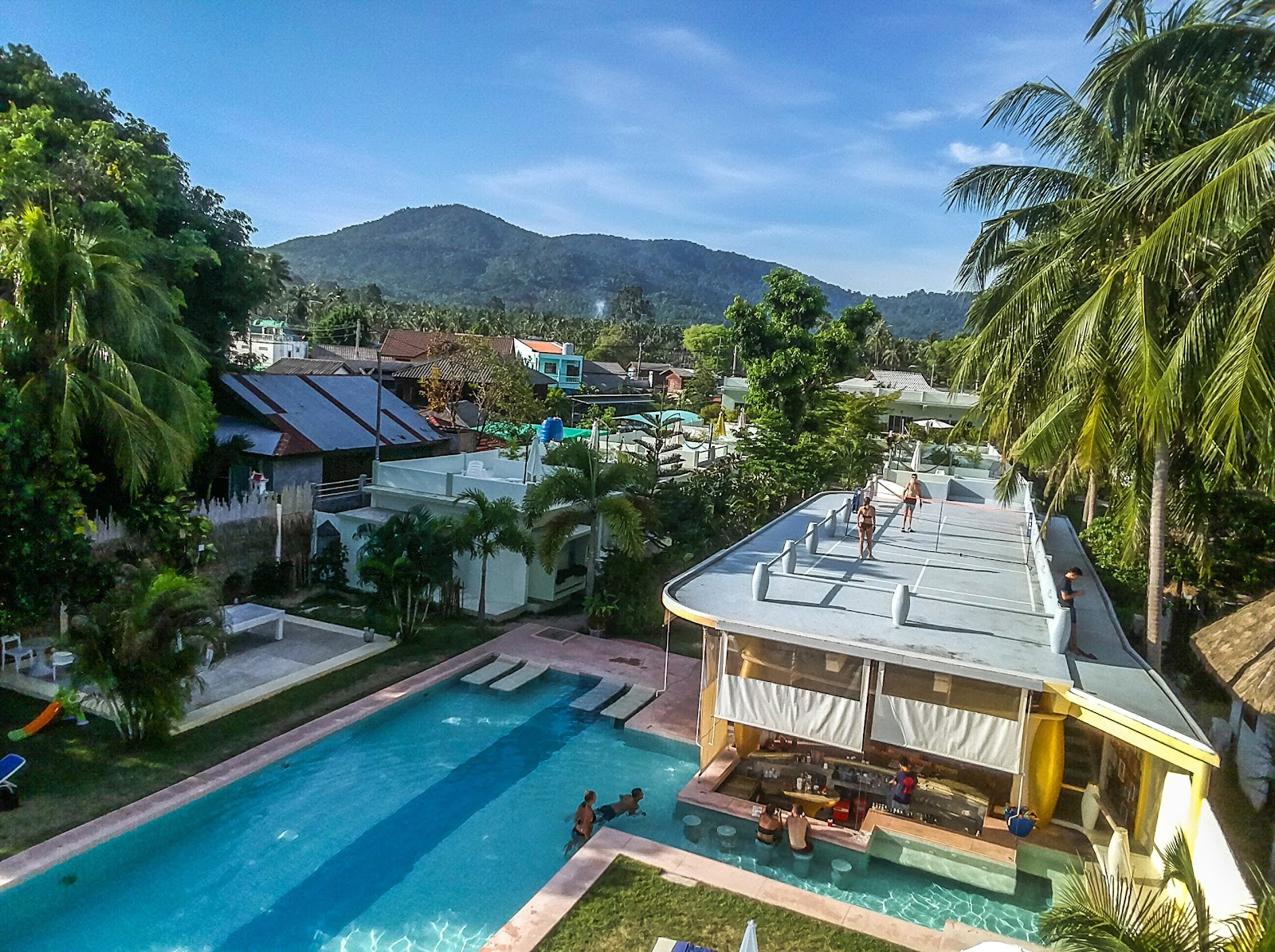
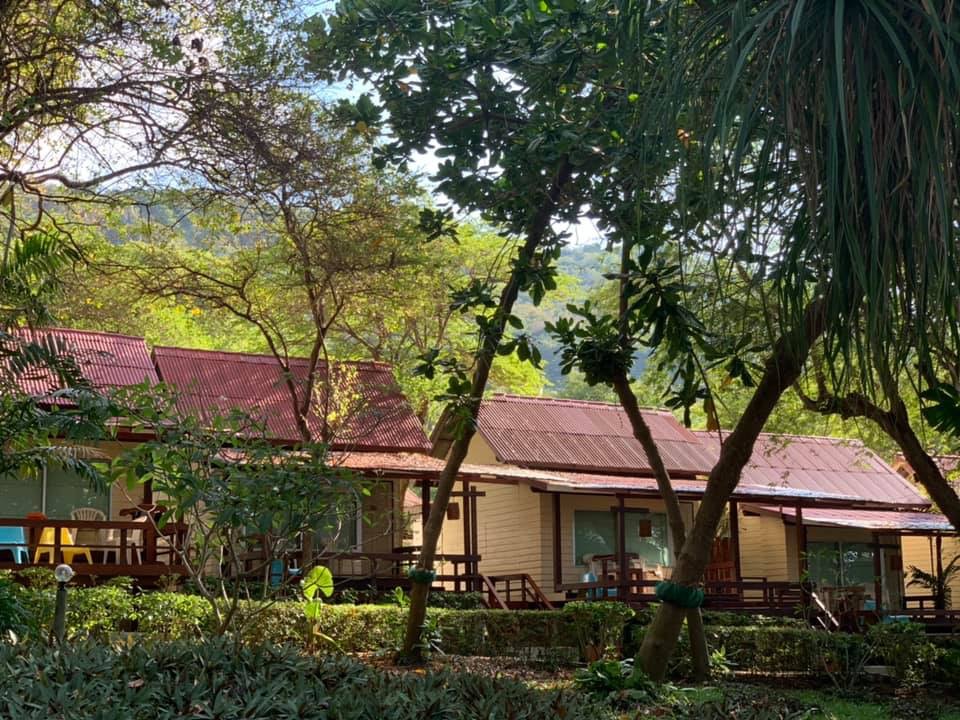
Ban Tai itself has modest guesthouses and small resorts catering to budget and mid-range travelers. These establishments are generally welcoming to LGBTQ+ guests. Many visitors stay in Ban Tai specifically to escape the busier Chaweng crowds while maintaining easy access to the island's attractions. Several beachfront and hillside properties offer quiet settings suitable for couples or individuals seeking retreat. Nearby Lamai Beach offers more mid-range hotel options, while Chaweng accommodates luxury and resort stays. Most island accommodations display Thai hospitality standards and rarely question or discriminate against LGBTQ+ guests, though advance research and direct communication remain prudent.
Ban Tai itself contains no dedicated gay bars or clubs. The village's dining and drinking scene consists of small local restaurants, seafood establishments, and casual beach bars frequented by residents and tourists alike. These venues are generally neutral and welcoming. For organized LGBTQ+ nightlife, Chaweng Beach is the primary destination, located about 30-40 minutes away by local songthaew or rental car. Chaweng hosts several gay-friendly bars and clubs, particularly around the central beach area, though these change seasonally and it's advisable to check current listings before visiting. Phuket, accessible by ferry or short flight, contains Thailand's most developed gay scene with multiple bars, clubs, and saunas.
Events and Pride Celebrations
Koh Samui does not host its own dedicated Pride festival. Bangkok Pride, typically held in March, remains Thailand's largest LGBTQ+ celebration. Some smaller pride events occur in Phuket in March as well. Koh Samui sometimes hosts the Samui Regatta in December, a sailing festival that attracts an international crowd and includes LGBTQ+ participants and spectators, though it is not a Pride event. New Year celebrations in December and January draw diverse international visitors to the island.
Transportation
Ban Tai is accessible by ferry from mainland Thailand (Surat Thani or Chumphon provinces), though most visitors fly into Samui International Airport (USM), located on the island's northeastern coast. From the airport, reaching Ban Tai takes approximately 45 minutes to an hour by taxi or hotel transport. Local transportation consists of songthaews (shared vans) running along main roads, motorcycle rentals, and private car hire. Walking within Ban Tai is feasible for nearby amenities, though exploring the wider island requires some form of transport. Seatbelts and helmets are advisable; road conditions are generally good but can be hazardous at night.
Food and Dining
Ban Tai's dining scene emphasizes fresh seafood and traditional Thai cuisine. Small beachfront restaurants serve fish, prawns, and squid, typically prepared simply with fresh herbs and local spices. Prices are moderate by tourist standards. Several restaurants accommodate dietary preferences including vegetarian and vegan options common in Thai cuisine. Dining culture in Thailand is social and welcoming; solo diners and groups are equally accommodated. No specific gay-focused dining establishments exist in Ban Tai, but restaurant staff generally treat all guests with professional courtesy. Many restaurants display English menus and staff members with English capability.
Activities and Day Trips
Ban Tai's primary attractions center on beach activities and island exploration. Snorkeling, diving, and boat trips depart from surrounding beaches. The Big Buddha temple (Wat Phra Yai) on the northern coast ranks among Koh Samui's most visited sites and is accessible as a day trip. Ang Thong Marine National Park, an archipelago of limestone islands, offers popular day trip excursions from various island ports. Hiking, jungle treks, and waterfalls are accessible from inland areas. Lamai Beach, a short journey south, features a beach atmosphere similar to but quieter than Chaweng. The island's interior roads access viewpoints, temples, and local villages.
Safety and Practical Considerations
Thailand maintains generally safe conditions for tourists, including LGBTQ+ visitors, though standard urban and travel precautions apply. Petty theft, drink spiking in club settings, and scams targeting tourists occur in busy areas like Chaweng and Phuket more than in quieter Ban Tai. Displaying expensive items, accepting drinks from strangers, and using unmarked taxis should be avoided. Health services in Koh Samui are adequate for routine and emergency care, with International Hospital Samui and other private facilities available.
Legally, Thailand does not recognize same-sex partnerships, and Thai law technically criminalizes same-sex conduct, though this is not enforced against tourists or even residents in practice. Public displays of affection between same-sex couples occasionally attract attention but are not typically problematic in tourist areas or among younger Thai populations. Conservative areas and temples warrant respectful behavior consistent with general Thai customs. Transgender individuals and those perceived as non-conforming may encounter social commentary but are generally not subjected to systematic harassment in tourist settings.
Visa requirements vary by nationality; most Western citizens receive visa-free entry or thirty-day tourist visas upon arrival. Health insurance covering international medical care is advisable.
Who Ban Tai Suits
Ban Tai appeals to LGBTQ+ travelers prioritizing natural scenery, quiet accommodation, and local culture over structured gay nightlife. Couples seeking peaceful settings, individuals on wellness retreats, and small friend groups find the village's understated atmosphere appealing. The lack of gay-focused venues makes it less suitable for those primarily seeking LGBTQ+ social engagement or nightlife; such travelers are better served basing in Chaweng or visiting Phuket. Families and multi-generational groups appreciate Koh Samui's overall family-friendly character alongside LGBTQ+-neutral attitudes. Travelers with limited time on the island should consider hotel locations offering access to multiple experiences, as Ban Tai itself offers limited evening entertainment.
Essentially, Ban Tai represents authentic Thai island life rather than curated gay tourism infrastructure. Its appeal lies in its ordinaries—good beaches, welcoming locals, and escape from tourist commercialization—rather than dedicated LGBTQ+ amenities.
Frequently asked questions
Ban Tai is generally welcoming to LGBTQ+ guests. Thai society, and Koh Samui in particular, reflects an openness to gender variance and same-sex relationships, with interactions typically respectful and warm.
Unlike larger Thai destinations, Ban Tai does not have a dedicated gay quarter or specific LGBTQ+ nightlife venues. The village's appeal lies in its quiet, welcoming atmosphere rather than concentrated gay scenes.
Accommodation in Ban Tai consists of modest, family-oriented options such as small bungalow operations, guesthouses, and a few small resorts. These welcome LGBTQ+ guests without issue.
Ban Tai is relatively undeveloped compared to busier beach areas like Chaweng and Lamai. It offers a quieter alternative to the more developed tourist hubs on the island.
Thai society generally practices a 'don't ask, don't tell' approach, and Koh Samui reflects this openness. In Ban Tai, interactions with locals are typically respectful and warm towards LGBTQ+ individuals.
The provided guide does not mention any specific LGBTQ+ events or Pride celebrations taking place in Ban Tai.
Your privacy choices.
We use cookies to run GayOut and, with your consent, measure usage. Learn more
Your privacy choices
We use cookies to keep GayOut running, remember your preferences, and (with your permission) measure how the site is used. You can accept all, reject all, or pick what you allow. Learn more
Essential
Required for sign-in, fraud prevention, CSRF protection and remembering your language. Cannot be disabled.
Always on
Remembers your favourites, dark mode and other interface preferences across visits.
Helps us understand which pages people visit (Google Analytics, server-side stats) so we can improve.
Used by campaign tracking pixels. None are active right now, reserved for future use.
Install GayOut
Add GayOut to your home screen for faster access, offline favourites, and Pride alerts.


 Gay Beaches
(17)
Gay Beaches
(17)