Everything worth knowing before you go.
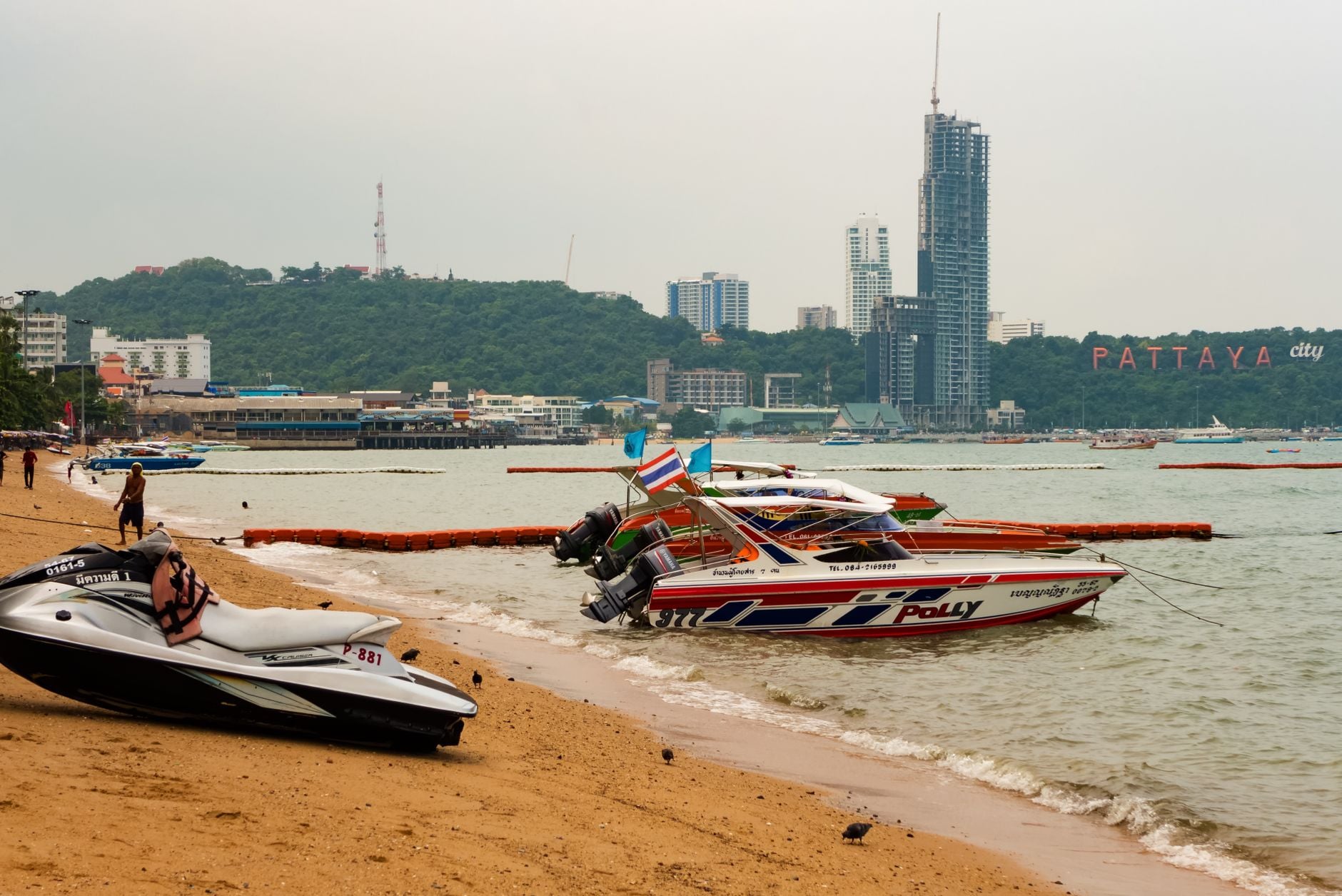
Pattaya went from a quiet fishing bay to Thailand's best-known beach resort in the 1960s, an R&R spot for American servicemen during the Vietnam War. Its gay scene emerged soon after, then really took off in the 1980s and 90s, when Boyztown became one of Asia's first purpose-built gay entertainment zones. Thailand never criminalised homosexuality, and in January 2025, it became the first Southeast Asian country to legalise same-sex marriage. That only cemented Pattaya's long-standing reputation as one of the region's most relaxed gay destinations. Today, you'll find go-go and cabaret bars, wellness and cruise saunas, a dedicated gay beach, and a growing calendar of Pride and circuit events.
Pattaya's gay life sits in a few specific areas. It helps to know them, because the city's most famous street is not the gay one.
Boyztown is the historic core of gay Pattaya — a short pedestrian lane off Pattaya Second Road, near Soi Pattayaland (Soi 13/3). It's a couple of blocks back from the beach in South Pattaya. Go-go and host bars, cabaret shows, and late-night crowds have gathered here for decades. It thinned out during the pandemic but has been steadily refilling. For a first-timer, it's still the easiest spot to get your bearings.
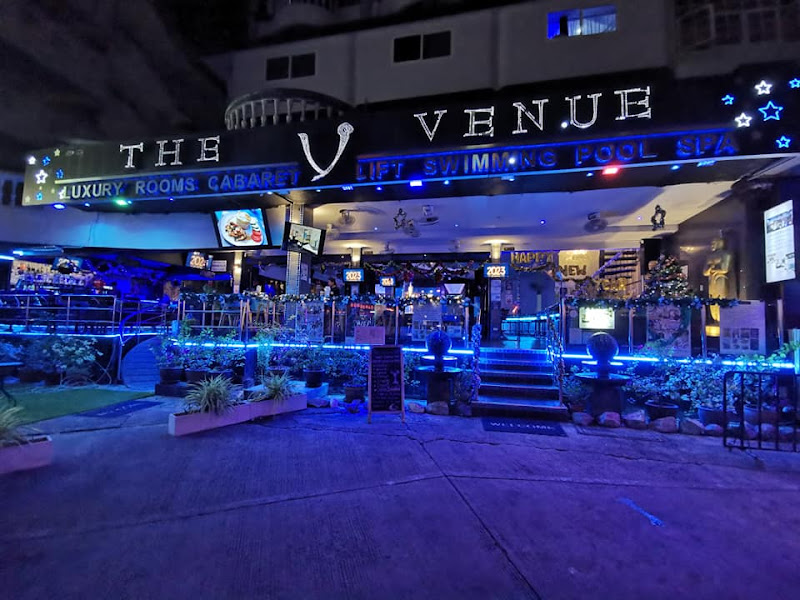
Jomtien Complex (also signed as Jomtien Walking Street, nicknamed "Supertown") is a few kilometres south, just inland from Jomtien and Dongtan Beach. It's grown into the city's largest gay entertainment strip over the past few years — arguably the densest concentration of gay bars anywhere in Thailand. Dozens of bars, cabaret venues, restaurants, saunas, massage shops, and gay-friendly guesthouses pack into a compact grid. Boyztown is classic; Jomtien Complex is where the current energy is.
Sunee Plaza, off South Pattaya Road near Soi 6, used to be the third gay cluster — a cheaper, more local strip of host and go-go bars. It's declined sharply. Only a handful of venues remain, but a few (like Winner Bar) still operate.
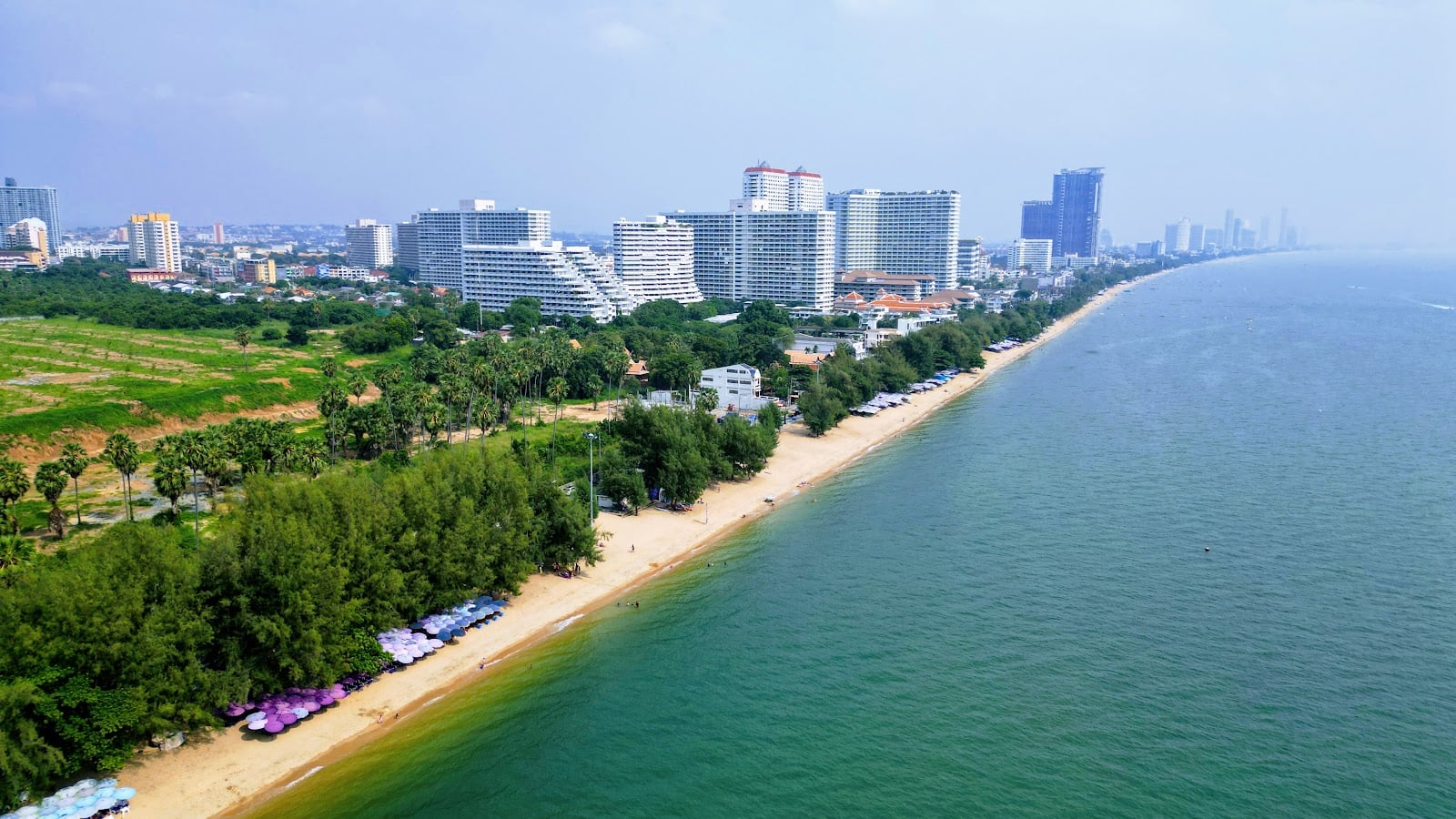
Dongtan Beach, the southern end of Jomtien Beach off Thappraya Road, is Pattaya's gay beach. The rainbow-flag chair sections run roughly between beach lots 11 and 25, an easy walk from Jomtien Complex.
Pratumnak Hill (Phratamnak), the leafy headland between South Pattaya and Jomtien, is the sauna belt. Pattaya's main gay saunas cluster around Pratumnak Soi 6.
A quick correction for anyone using older guides: Walking Street, the neon pedestrian strip in South Pattaya, is the city's mainstream heterosexual go-go and nightclub zone. It's a spectacle worth seeing, and plenty of gay visitors wander through, but it's not the gay district. Gay venues are in Boyztown, Jomtien Complex, and Sunee Plaza.
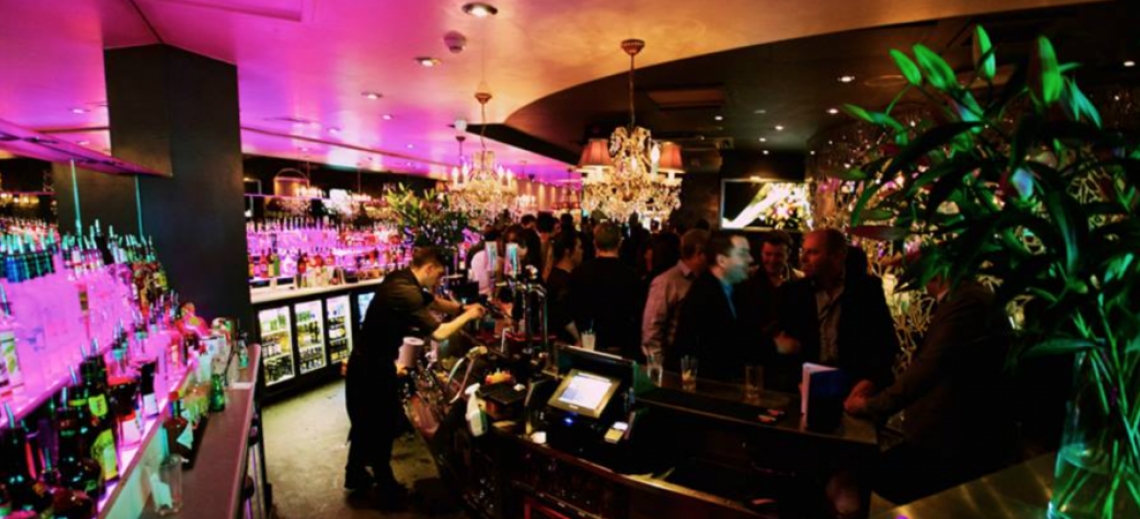
Boyztown's lineup includes Boyz Boyz Boyz, one of the strip's longest-running go-go and cabaret bars (nightly male dancers plus a midnight drag show); X Boys and Toy Boys, both go-go/host bars; Castro Show Bar, known for its cabaret and pool show; and the terrace lounge Panorama Pub. In Jomtien Complex, the anchors are the cabaret venues M2M and The Venue, alongside a sprawl of smaller bars and lounges. Away from the main clusters, Bamboo's Gay Bar on Thappraya Road is a friendly standalone gay bar-restaurant with karaoke and pool, and Hi Sis Club is a gay host club. Most go-go bars charge a modest cover (typically 100-300 baht) and run their main shows from around 10 p.m. Drinks are inexpensive by international standards. As anywhere in Pattaya, be clear about your intentions in host and go-go bars, where transactional company is part of the culture.
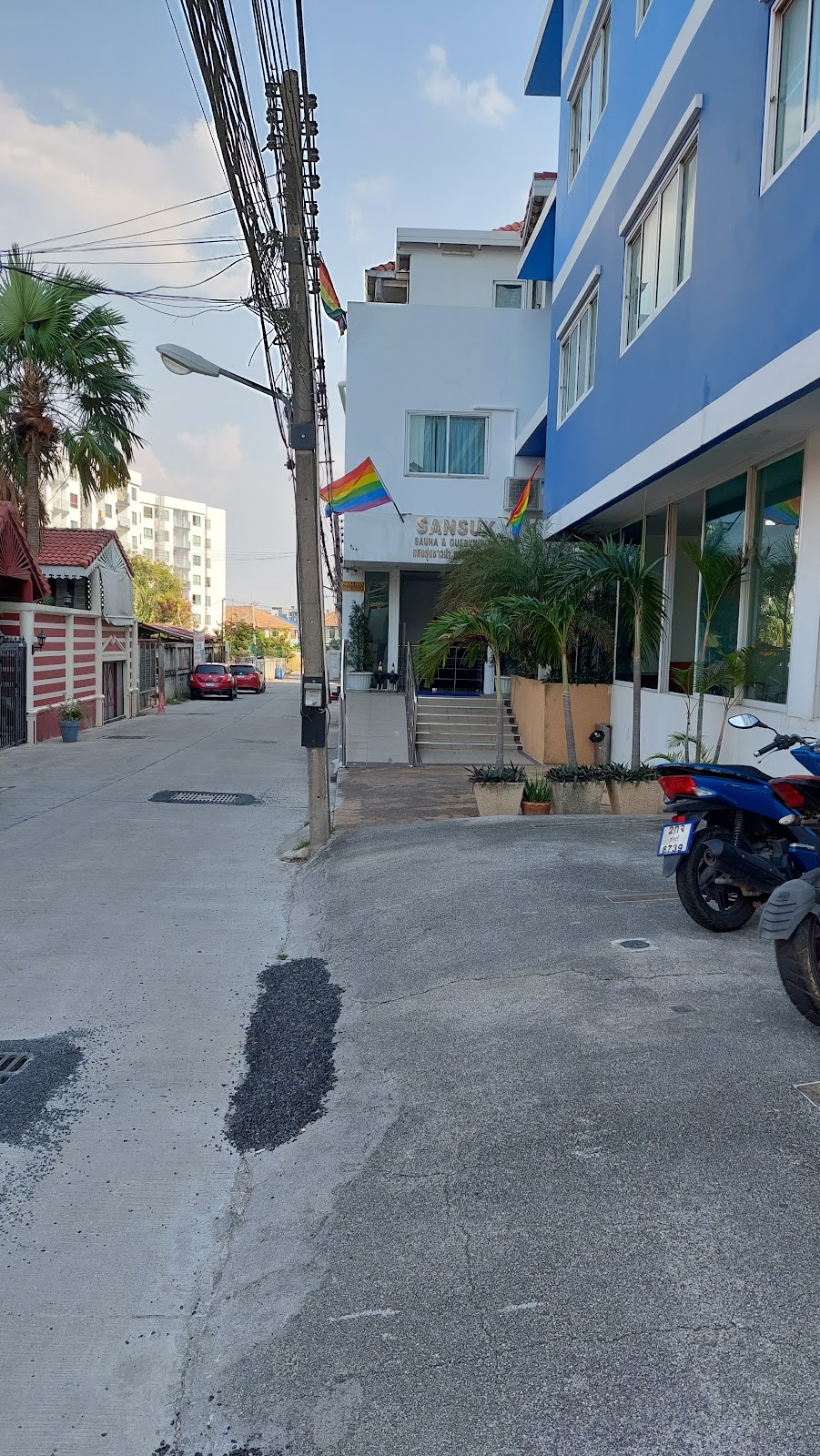
Pattaya has one of Thailand's strongest gay sauna scenes, centered on Pratumnak Soi 6. Sansuk Sauna (Soi 11, Thappraya Road, on the edge of Jomtien) is the city's dedicated gay bathhouse — a multi-floor complex with steam, dry sauna, pool, gym, and a full cruise area (darkroom, maze, and private cabins). The Sauna (Pratumnak Soi 6) is a large, popular wellness-and-social sauna with multiple pools, ice bath, and regular BBQ evenings. Sands Sauna Beach Club nearby offers a more modern Scandinavian-style wellness experience. Entry generally runs 250-500 baht.
Dongtan Beach's gay section is the daytime social hub, busiest at weekends, with rainbow-flag chair sections and a cluster of gay-friendly hotels just behind it. After dark, the quiet southern end is a known cruising spot. Thailand is tolerant and same-sex activity is legal, but it's an unlit public beach, so stick to open areas, mind your belongings, and remember that public sexual activity itself remains against the law.
Pattaya has its own Pride — the Pattaya International Pride Festival — held in late June. It includes a colorful afternoon parade along the beachfront (recent editions have run from Central Marina down Beach Road), plus pool parties, drag shows, and club nights across the gay districts. The city and Central Pattaya back it, and it's distinct from Bangkok Pride. In the same mid-June window, Circuit Festival Asia — the Asian edition of Barcelona's Circuit Festival, produced by Cloud 9 (of White Party Bangkok) with the Matinée Group — brings several days of large gay beach and pool parties to Pattaya. Beyond these, the bars and saunas run near-nightly cabaret and go-go shows. Songkran (Thai New Year, mid-April) and New Year's Eve both draw more gay tourism.
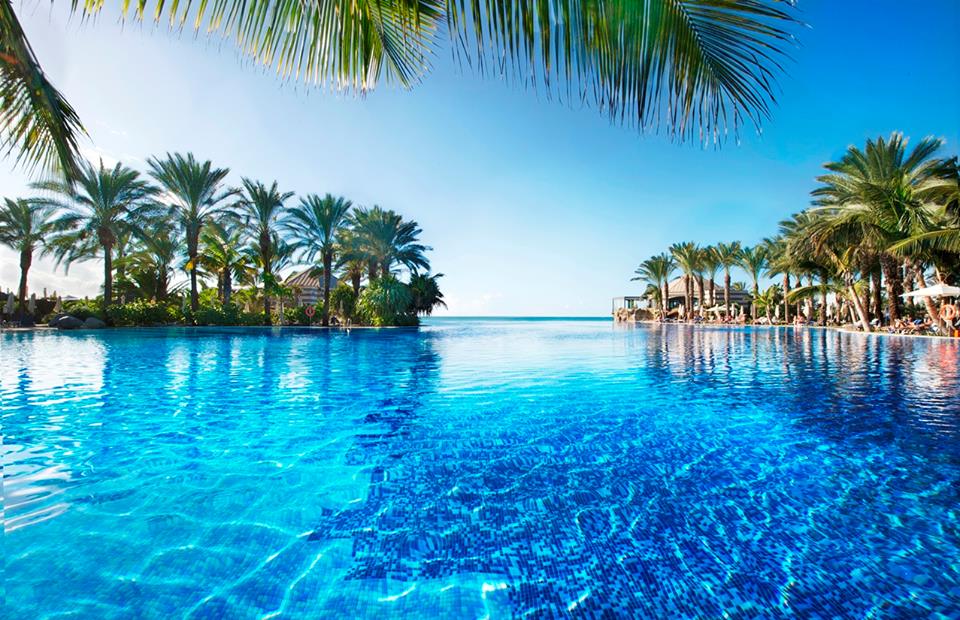
Pattaya has an unusually deep bench of gay and gay-friendly hotels and guesthouses at every price point. The most convenient clusters for the gay scene are South Pattaya around Boyztown and Soi Buakhao, the Pratumnak/Thappraya corridor, and Jomtien near Dongtan Beach and the Jomtien Complex. Gay-owned properties often sit a short walk from the bars and know the scene well. Budget guesthouses start around 400-800 baht a night, comfortable mid-range rooms run 1,500-3,000 baht, and full resorts are available if you want a pool and sea views.
Pattaya is home to Sisters Foundation, Thailand's first transgender-led organization (founded here in 2004). It runs HIV/STI testing, trans health services, and outreach from its center in Nong Prue. SWING (Service Workers In Group) operates a community sexual-health clinic near Walking Street, offering free, discreet HIV and STI testing and counseling. Both are good, judgment-free first points of contact for sexual-health services. Condoms and PrEP are widely available at pharmacies and clinics across the city.
Thailand is broadly safe and welcoming for LGBTQ+ travelers, and Pattaya especially so. A few practical notes: Much of the go-go and host-bar scene is commercial, so be clear about your intentions and expect that company may come with an expectation of payment. Watch drinks in busy bars, use Grab or metered taxis rather than unmetered street cabs, and keep an eye on valuables in crowded nightlife areas. Thailand enforces its drug laws extremely strictly. Lese-majeste laws forbid any insult to the monarchy. Neither should affect a normal holiday, but both are worth knowing.
Pattaya lies about 150 km southeast of Bangkok. Most visitors arrive via Bangkok's Suvarnabhumi Airport and continue by private transfer (roughly 90 minutes, 1,000-2,000 baht) or by bus from Ekkamai Eastern Bus Terminal (2-3 hours, around 130 baht). U-Tapao Airport, closer to the south, handles some regional flights. Within the city, the cheap shared "baht bus" songthaews loop the main roads for 10-20 baht. Grab and metered taxis cover longer hops. Boyztown, Jomtien Complex, and Pratumnak clusters are all short rides apart.
Beyond the scene, Koh Larn island is a 30-45 minute ferry ride for beaches and snorkeling. The Sanctuary of Truth, the hilltop Big Buddha (Wat Phra Yai), and the Nong Nooch tropical gardens are the standout sights. Bangkok's temples, malls, and much larger gay scene are an easy day trip north.



 Gay Bars & Clubs
Featured
(153)
Gay Bars & Clubs
Featured
(153)