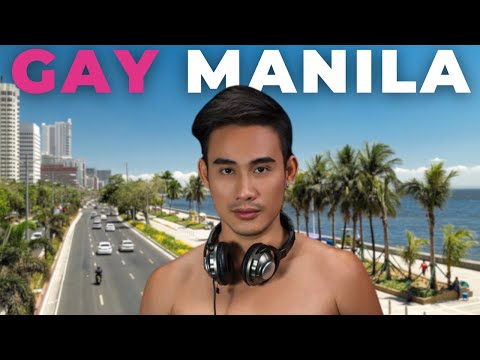
Generally tolerant society but no legal recognition of same-sex relationships. A Sexual Orientation and Gender Identity Expression (SOGIE) bill has been pending in Congress for decades. Catholic Church influence is significant.
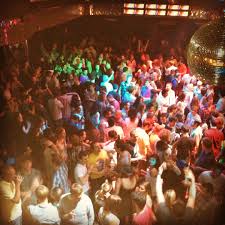
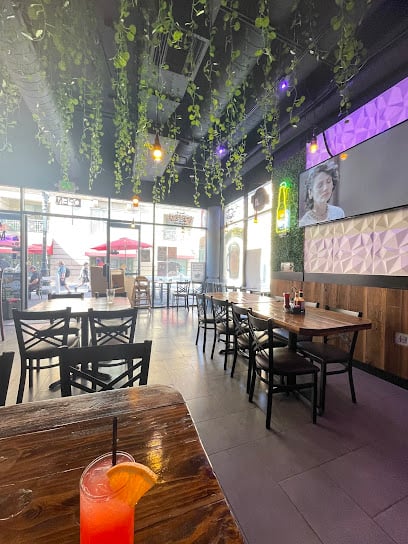
great music and the beer is cheap great crowd too. everyone seems to know each other. the best thing about this place was the beer. very cheap compared to the other establishments. The music is good.
The Philippines has long held a unique position in Asia regarding LGBTQ+ visibility. While same-sex relationships remain illegal and marriage equality is not recognized, Filipino society—particularly in urban centers like Manila—demonstrates remarkable cultural acceptance of LGBTQ+ individuals. The Catholic Church's strong influence has created legal restrictions, yet this paradox has fostered a resilient and creative queer community.
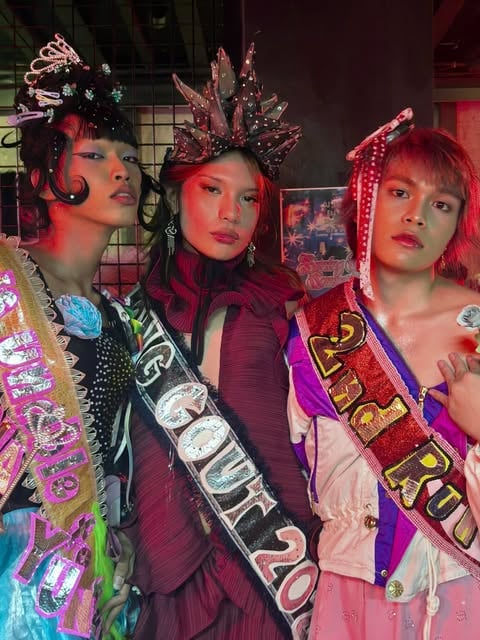
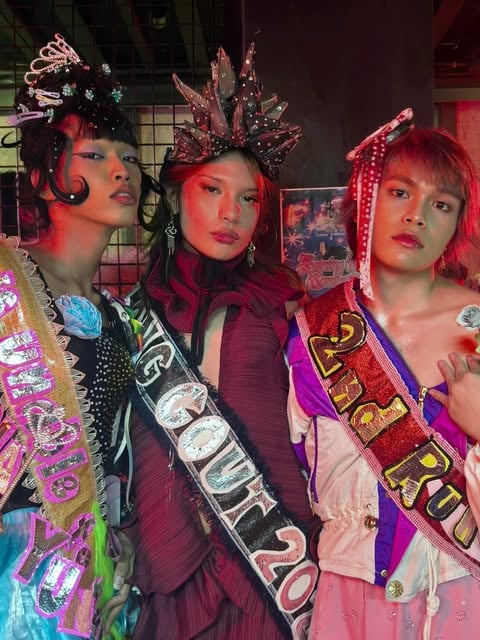
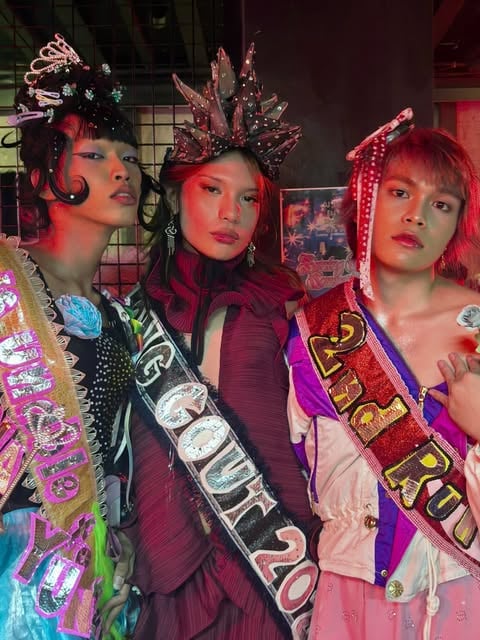
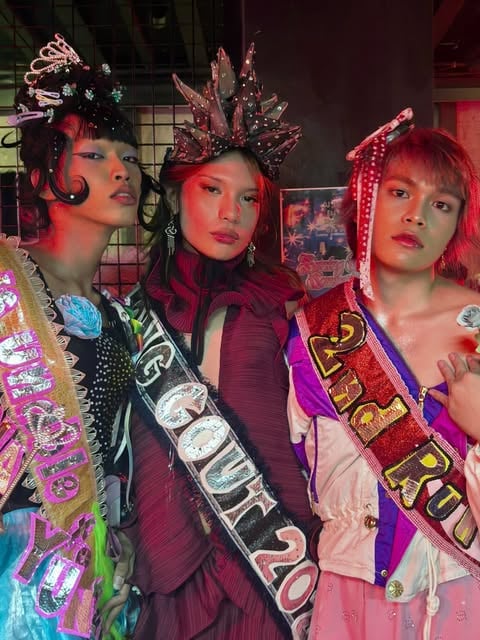
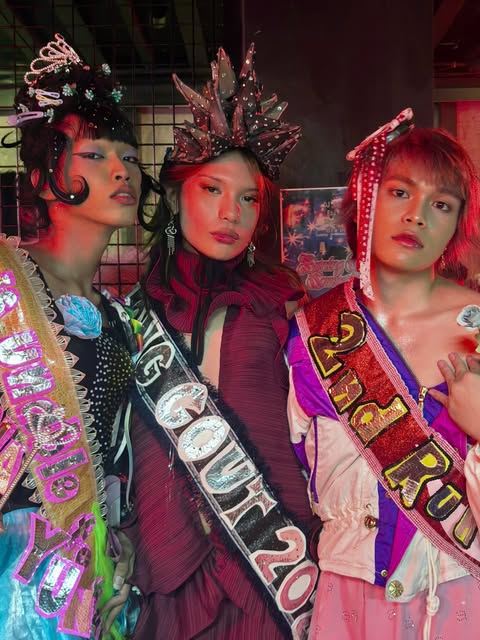
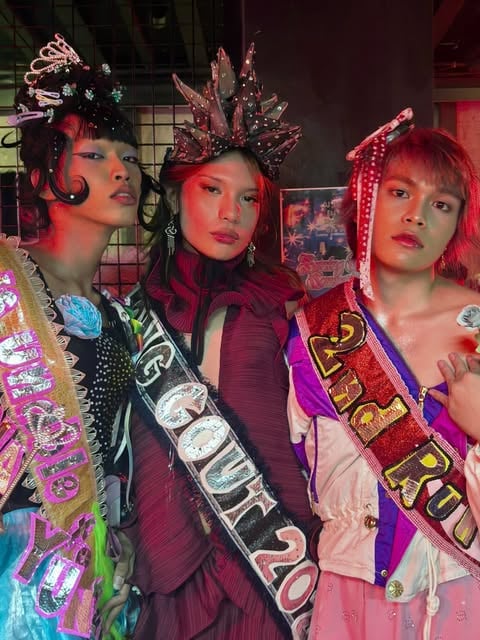
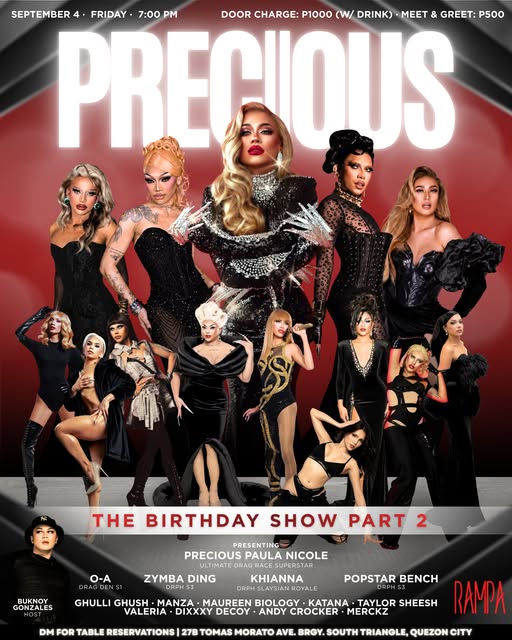
Manila's gay scene flourished from the 1970s onward, with Malate becoming the historic epicenter of gay nightlife and culture. Drag performance has deep roots in Filipino entertainment, with queens becoming cultural icons. The community weathered the AIDS crisis, periods of police harassment, and ongoing legal discrimination, yet continues to thrive. Today, Manila's LGBTQ+ scene is one of Southeast Asia's most visible and organized, with established networks of bars, clubs, organizations, and activist groups.
NEIGHBORHOODS
MALATE: Historically Manila's gay district, Malate remains central to the scene, though its character has evolved. Located between Makati and Manila Bay, Malate hosts numerous bars and establishments frequented by gay clientele. P. Burgos Street and surrounding areas concentrate much of the nightlife. While the neighborhood has seen some decline and gentrification pressures, it remains culturally significant and retains bars, lounges, and hotels popular with gay visitors.
MAKATI: The business and entertainment hub, Makati attracts affluent gays and upscale venues. Greenbelt, a shopping and dining complex, draws gay crowds to its restaurants and bars. The Makati nightlife scene is more polished and international than Malate, with higher prices but contemporary atmosphere. This area appeals to older travelers and those seeking upscale experiences.
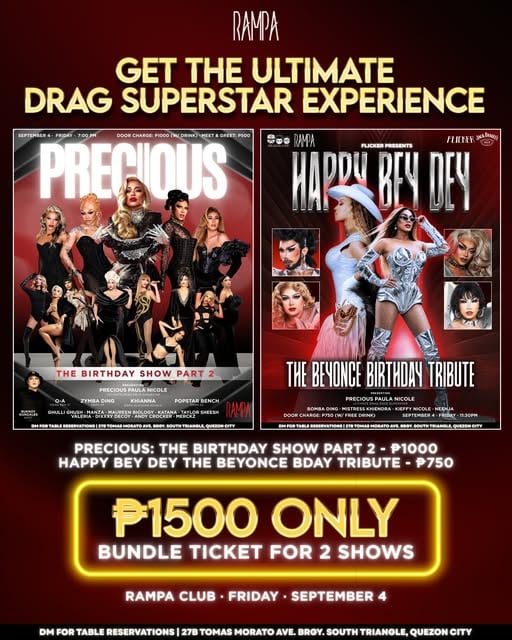
QUEZON CITY: The largest city within Metro Manila, Quezon City has become increasingly important for queer culture. With major universities, cultural centers, and a younger demographic, QC hosts alternative spaces, art galleries with queer programming, bookstores, and underground venues. Scout and Tomas Morato areas in QC have emerged as trendy zones with LGBTQ+-friendly establishments. This neighborhood attracts those seeking less commercial, more countercultural scenes.
BAGUIO CITY: While outside Manila proper, this upland city is accessible as a day trip or weekend escape, known for a significant gay community and cooler climate.
VENUES
Manila's venue landscape changes regularly, so travelers should verify current operations. Traditionally, Malate has hosted numerous bars and lounges such as Oz and other longtime establishments. Makati's Greenbelt area includes restaurants and lounges with gay-friendly atmospheres. Quezon City hosts bars, cafes, and club spaces that cater to younger LGBTQ+ crowds.
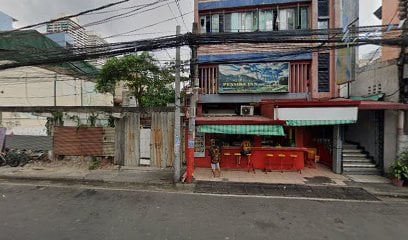
Many bars are concentrated in Malate's P. Burgos Street area, including small lounges, beer bars, and karaoke establishments. Karaoke is enormously popular in the Filipino gay scene, with many venues dedicated to this entertainment. Upscale clubs occasionally host international DJs and circuit parties, though specific venues and events vary seasonally.
Saunas
SAUNAS AND BATHHOUSES: While such establishments exist in Manila, travelers should research current locations and safety conditions, as these can change. Inquire locally or through LGBTQ+ apps for current information.
PRIDE AND CIRCUIT EVENTS
MANILA PRIDE: Celebrated in November, Manila Pride has grown substantially with parade, parties, cultural events, and activism. The celebration involves the broader community with both mainstream and underground components. Dating and logistics vary yearly, but the event is well-established.
Other events include circuit parties and themed nights at clubs throughout the year. LGBTQ+ cultural festivals and film screenings occur regularly. New Year's celebrations attract international party crowds. Local LGBTQ+ organizations host events year-round.
WHERE TO STAY
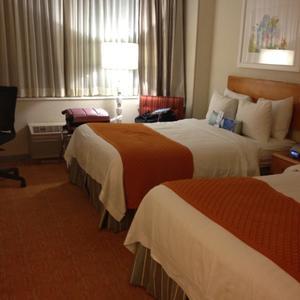
MAKATI: Abundant hotels and accommodations, from luxury to budget. Central, safe, and convenient. Higher prices but excellent facilities and proximity to dining and nightlife.
MALATE: Closer to historical gay district. Mid-range and budget accommodations available. More atmospheric but less polished than Makati.
QUEZON CITY: Increasingly popular with younger travelers. More affordable than Makati, with diverse accommodation options. University areas offer backpackers and budget lodging.
Intramuros and Rizal Park areas offer budget hotels and convenient locations for general sightseeing.
While LGBTQ+ individuals are generally safe in Manila's established gay areas, travelers should observe common urban safety practices: avoid displaying excessive wealth, be cautious late at night in unfamiliar areas, use registered taxis or ride-sharing apps, and stay aware of surroundings. Same-sex relationships are not legally recognized and same-sex intercourse is technically illegal, though this law is rarely enforced in practice against consenting adults. Public displays of affection, while increasingly common, may attract unwanted attention in conservative areas—exercise discretion outside LGBTQ+-friendly zones.
Petty theft and scams targeting tourists occur; use hotel safes, avoid poorly lit areas at night, and be cautious with strangers offering drinks or invitations. The LGBTQ+ community is generally welcoming but like any city, travelers should verify establishment legitimacy and be prudent about meeting people online.
TRANSIT
Metro Manila Railway (MRT/LRT): Affordable, efficient train systems connecting major areas. Makati, QC, and downtown areas are well-served. Off-peak travel is more comfortable.
Taxis and Ride-sharing: Grab and similar apps provide safer alternatives to street hailing. Fixed prices and driver accountability.
Buses: Extensive network, very affordable but crowded.
Cabs can be negotiated for tourist routes; agree on fares beforehand.
FOOD SCENE
Manila's food culture is exceptional. Makati and BGC (Bonifacio Global City) offer international cuisine, fine dining, and fusion concepts. Malate has casual restaurants and cafes. QC hosts student-oriented eateries and trendy cafes.
Filipino cuisine includes adobo, sinigang, lechon, and abundant seafood. Street food is abundant and inexpensive. Night markets and hawker centers offer late-night eating. Jollibee (local fried chicken chain) is ubiquitous and beloved. Many LGBTQ+-friendly restaurants exist throughout the city.
DAY TRIPS AND ATTRACTIONS
INTRAMUROS: Historic walled city with Spanish colonial architecture, museums, and cultural sites.
RIZAL PARK: Major urban park with monuments, museums, and relaxation spaces.
TAGAYTAY: Upland city 50km south with cooler climate, Taal volcano views, and weekend retreat atmosphere.
CORREGIDOR ISLAND: Historic WWII site and island destination accessible by ferry.
BAGUIO CITY: Highland retreat (4-5 hour drive) with cooler weather and significant gay community.
EL NIDO/PALAWAN: Popular beach destination (flight away) for island hopping and relaxation.
PRACTICAL INFORMATION
Language: English widely spoken in Manila, especially among younger people and in tourist/business areas. Filipino (Tagalog) is the national language.
Currency: Philippine Peso (PHP). ATMs abundant. Credit cards accepted at established venues.
VISAS: Many nationalities receive 30-day visa-free entry; check current requirements.
When to Visit
Best Time to Visit: November-February (cooler, dry season). Avoid June-September (typhoon season).
Vaccinations: Check current health recommendations.
Internet: Good connectivity with numerous SIM cards and WiFi availability.
CONCLUSION
Manila offers a unique LGBTQ+ experience in Asia—vibrant, affordable, and welcoming despite legal restrictions. The community's resilience and visibility create authentic queer culture and genuine hospitality. The city combines Southeast Asian energy with cosmopolitan amenities, excellent food, and multiple neighborhoods serving different preferences. Whether seeking nightlife, cultural immersion, or community connection, Manila welcomes LGBTQ+ travelers to experience one of Asia's most dynamic queer scenes.
Frequently asked questions
Filipino society has long demonstrated relative acceptance of gay individuals. While same-sex marriage is not recognized by law, Manila's queer culture flourishes openly. Travelers should exercise standard urban precautions, particularly late at night.
Malate remains the traditional gay district and heart of nightlife, centered around M.H. del Pilar Street. Makati, the central business district, also has an increasingly important gay scene with more sophisticated venues.
Malate, particularly M.H. del Pilar Street, has numerous gay bars and clubs catering to various crowds. Makati also offers gay-friendly venues, tending toward a more sophisticated atmosphere.
The provided guide does not mention specific dates for LGBTQ+ events or Pride celebrations in Manila.
The guide mentions that Malate has cheap accommodations and Makati offers higher-end accommodation options. While not explicitly stated as LGBTQ+-friendly, these neighborhoods are noted for their queer scenes.
The Philippines has a unique relationship with LGBTQ+ identity, shaped by historical influences. Filipino society has long demonstrated relative acceptance of gay individuals, and Manila's queer culture flourishes openly.
Your privacy choices.
We use cookies to run GayOut and, with your consent, measure usage. Learn more
Your privacy choices
We use cookies to keep GayOut running, remember your preferences, and (with your permission) measure how the site is used. You can accept all, reject all, or pick what you allow. Learn more
Essential
Required for sign-in, fraud prevention, CSRF protection and remembering your language. Cannot be disabled.
Always on
Remembers your favourites, dark mode and other interface preferences across visits.
Helps us understand which pages people visit (Google Analytics, server-side stats) so we can improve.
Used by campaign tracking pixels. None are active right now, reserved for future use.
Install GayOut
Add GayOut to your home screen for faster access, offline favourites, and Pride alerts.


 Gay-Friendly Bars & Clubs
(356)
Gay-Friendly Bars & Clubs
(356)