

 Gay-Friendly Hotel
(32)
Gay-Friendly Hotel
(32)

Gay Schaerbeek
LGBTQ+ Travel Guide & City Directory
11:55 GMT+02:00
View on Maps
29°C · Clear
EUR €
BRU · 9 km
Build a 3-Day Schaerbeek Trip
6 Gay-Friendly Hotels
LGBTQ+ Legal Status in Belgium
Based on national laws as of 2025
94/100
LGBTQ+ Friendly
✓
Same-sex relations legal
✓
Equal age of consent
✓
Partnership / union
✓
Same-sex marriage
✓
Adoption rights
✓
Anti-discrimination law
✓
Legal gender change
Second country in the world to legalise same-sex marriage (2003). Comprehensive anti-discrimination law. Legal gender change via self-declaration since 2018.
Upcoming Events in Schaerbeek
Know an event that's not listed here?
+ Add it now
Never miss a gay event in Schaerbeek
One email a week — the weekend lineup, parties and deals. No spam, unsubscribe anytime.
Gay-Friendly Hotels in Schaerbeek
View all 6 →
Gay-Friendly Hotel
(32)
 Gay-Friendly Hotel
(22)
Gay-Friendly Hotel
(22)
Albert Hotel
Gay-Friendly Hotel
Set along a bustling cobblestone street, this tower hotel with an imposing, functionalist-style exterior, is a 6-minute walk from the…
LGBTQ+ Friendly
 Gay-Friendly Hotel
(2)
Gay-Friendly Hotel
(2)
Hotel 322 Lambermont
Gay-Friendly Hotel
Opposite a tram stop and Josaphat Park, this quaint hotel set in a residential neighborhood is also 8 km from Brussels Airport and 3.7 km…
LGBTQ+ Friendly
 Gay-Friendly Hotel
Hotel Albert
Gay-Friendly Hotel
Colorful, simply furnished rooms in an unpretentious hotel featuring complimentary Wi-Fi.
LGBTQ+ Friendly
Jun 2026
Where to stay in Schaerbeek
via Stay22Where to stay in Schaerbeek
Loading map…
🎟️ Tours & Experiences in Schaerbeek
via GetYourGuideSkip-the-line tickets, walking tours, day trips and unique LGBTQ+ friendly experiences — booked instantly with free cancellation.


- Free cancellation
- Reserve now, pay later
- Mobile tickets
Travel Guide
Gay Schaerbeek — Your Complete Guide
Everything worth knowing before you go.
Gay venues
6
LGBTQ+ status
Welcoming
In this guide · 13 sections
- LGBTQ+ Travel Guide to Schaerbeek, Belgium
- Understanding Schaerbeek's Role in Brussels' Gay Scene
- Brussels' Gay Neighborhoods and Central Scene
- Getting Around: Transit from Schaerbeek to Central Brussels
- Where to Stay in Schaerbeek
- Exploring Schaerbeek Itself
- Brussels Pride and Major LGBTQ+ Events
- Dining and Cafe Culture
- Safety and General Information
- Day Trips and Extended Exploration
- Practical Tips for LGBTQ+ Visitors
- Community Spaces and Social Venues
- Conclusion
LGBTQ+ Travel Guide to Schaerbeek, Belgium
Understanding Schaerbeek's Role in Brussels' Gay Scene
Schaerbeek is a residential district that forms part of Brussels' broader LGBTQ+ landscape rather than functioning as a gay destination in its own right. Located in the northeast section of Brussels, it serves primarily as accommodation and a residential base for travelers exploring the Belgian capital's gay venues, bars, and nightlife concentrated in central neighborhoods. Understanding this dynamic is key to planning an LGBTQ+ visit: travelers typically stay in Schaerbeek and venture into central Brussels for most gay entertainment and social venues.
Brussels' Gay Neighborhoods and Central Scene
The heart of Brussels' LGBTQ+ scene is distributed across several central neighborhoods. The Saint-Géry area (also called Saint-Gery or Sint-Gillis in Dutch) in the heart of Brussels contains some gay bars and is near the Sainte-Catherine district, which has historically hosted LGBTQ+ venues. The Marais-adjacent areas around Rue de Flandre and nearby streets have hosted gay-friendly cafes and bars. Major venues tend to cluster within walking distance of Brussels Central Station.
Key venues in central Brussels have included clubs and bars focused on the gay community, though the specific venue landscape changes periodically. Travelers should research current listings on sites like Purple Roofs and GayBrussels before arriving, as venue names and locations shift. Brussels has a robust gay scene with multiple dance clubs, cafes, and social spaces, but these are concentrated in the city center rather than in peripheral districts like Schaerbeek.
Getting Around: Transit from Schaerbeek to Central Brussels
Schaerbeek is excellently served by Brussels' public transportation system, operated by STIB/MIVB. The district has its own metro station (Schaerbeek) on the metro line, and multiple tram and bus routes connect it to central Brussels. The journey to central Brussels takes approximately 10-15 minutes by metro. Day passes and multi-day public transport passes are widely available and affordable. Taxis and ride-sharing apps like Uber and Bolt operate throughout the area. Most LGBTQ+ travelers find getting from Schaerbeek to gay venues in central Brussels straightforward and fast.

Where to Stay in Schaerbeek
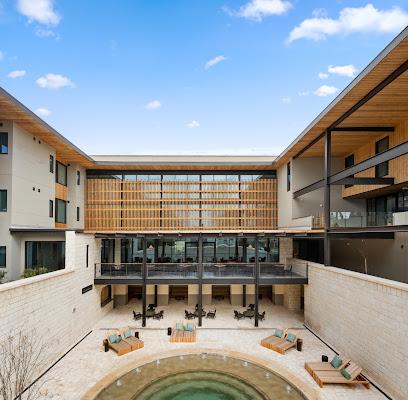
Schaerbeek offers more affordable accommodation options than central Brussels while maintaining good transport connections. The neighborhood has several mid-range hotels, boutique hotels, and numerous Airbnb apartments. Booking platforms show a range of options, from budget hostels to comfortable three-star hotels. The area around Schaerbeek train station is particularly convenient for transport access. When choosing lodging, proximity to metro stations or tram lines heading toward central Brussels is most important for accessing gay venues.
Find gay-friendly hotels in Schaerbeek, belgium
Real prices · Free cancellation · Verified bookings
Exploring Schaerbeek Itself
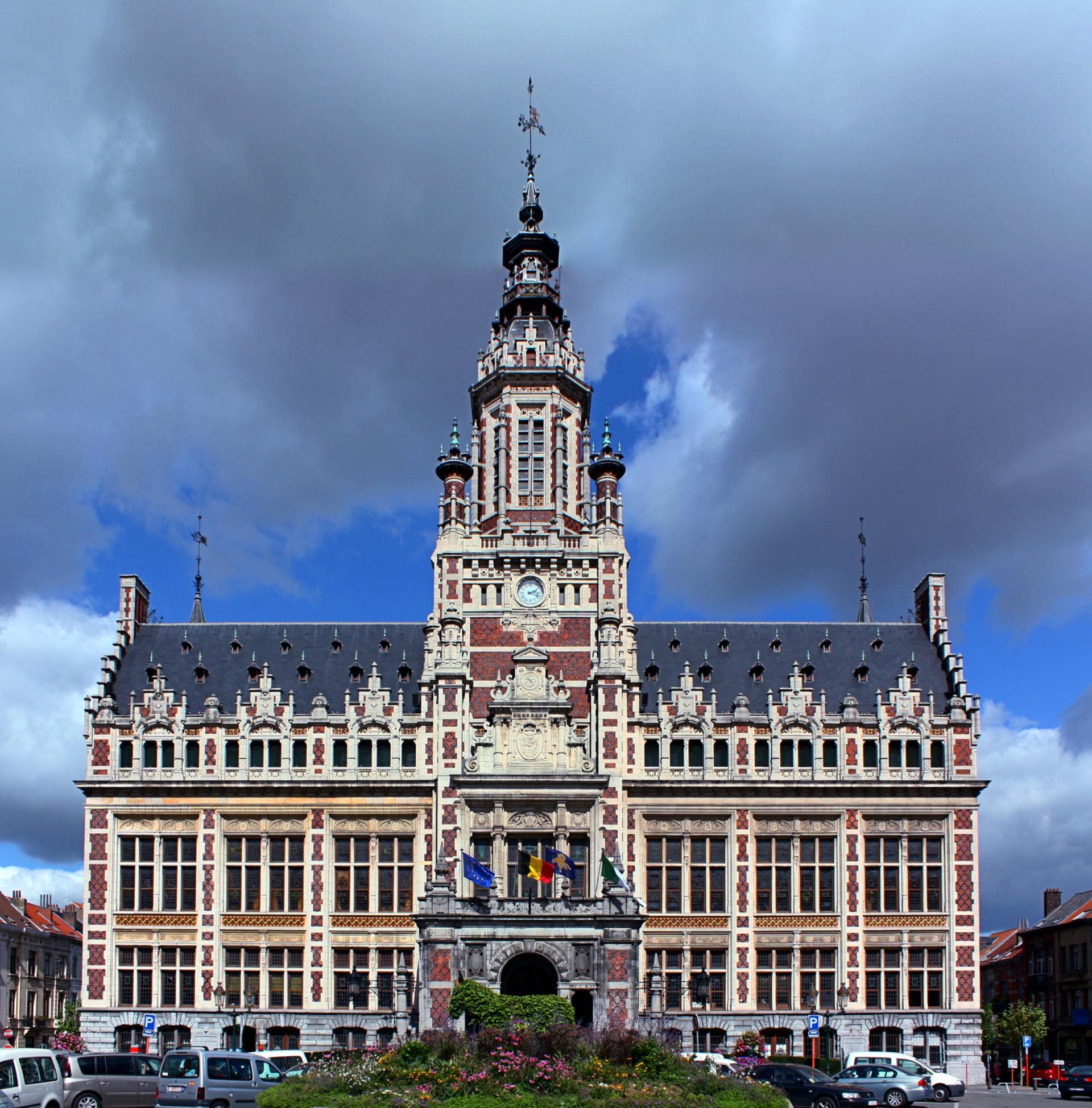
While not primarily a gay destination, Schaerbeek offers genuine neighborhood experiences. Josaphat Park (Parc Josaphat) is a large, green space popular with locals for walking, picnicking, and relaxation. Schaerbeek train station is an architectural highlight featuring Art Nouveau and Belle Époque design. The district has independent cafes, bakeries, and restaurants reflecting its multicultural population. Rue de Brabant and surrounding streets feature shops and casual dining. The neighborhood provides authentic Brussels life away from tourist crowds.
Brussels Pride and Major LGBTQ+ Events
Brussels Pride, one of Europe's major Pride celebrations, takes place annually in May. The event includes a pride parade, multiple stages with performances, and parties across the city. Attendance typically numbers in the tens of thousands. The parade route runs through central Brussels, with viewing and participation accessible from all neighborhoods including Schaerbeek via public transport. Smaller LGBTQ+ events occur throughout the year, including Pride-related parties and circuit events in clubs and venues. Pride week extends several days, with official events and parties throughout central Brussels.
Dining and Cafe Culture
Schaerbeek has numerous cafes and restaurants serving Belgian, international, and multicultural cuisine. The neighborhood is not specifically known for LGBTQ+-focused dining, but features many welcoming establishments. Belgian beer, chocolate, waffles, and fries are staples. Central Brussels, easily accessible by metro, offers more specialized gay-friendly restaurants and bars. The neighborhoods around central venues often have dining options catering to the LGBTQ+ crowd.
Safety and General Information
Belgium and Brussels are generally safe for LGBTQ+ travelers. Same-sex relationships and marriage are legal, and anti-discrimination laws protect LGBTQ+ individuals. Public displays of affection are generally accepted without significant concern. Standard urban travel precautions apply in Brussels as in any major European city.
Language: Brussels is officially bilingual (French and Dutch), though many residents speak English. Signs and menus feature multiple languages. LGBTQ+ venues typically have English-speaking staff or patrons.
Currency: Belgium uses the Euro. Card payments are widely accepted, though some establishments prefer cash. ATMs are abundant throughout the city.
Visas and Documentation: Belgium is part of the Schengen Area. Requirements depend on travelers' origin countries. Same-sex marriage is recognized, and same-sex couples face no legal barriers to travel or accommodation.
Day Trips and Extended Exploration
Brussels offers easy access to other Belgian destinations via train. Bruges (Brugge), about 30 minutes by train, is a picturesque medieval city and popular day trip. Antwerp (Antwerpen), also accessible by train, has its own smaller LGBTQ+ scene. The Ardennes region offers nature and outdoor activities. Ghent (Gent) provides another cultural alternative. Public transport connections between cities are efficient and affordable.
Practical Tips for LGBTQ+ Visitors
Plan accommodation in Schaerbeek for affordability and then allocate travel time to central Brussels for nightlife. Download transit apps to navigate STIB/MIVB public transport. Research current venue listings before arrival, as the gay scene changes. Speak basic French or English—many Bruxellois speak English, particularly younger residents and those in service industries. March, April, and May (including Pride) are popular times; book accommodation in advance. September and October offer pleasant weather with fewer crowds.
Community Spaces and Social Venues
Beyond nightclubs, Brussels has cafes, bookshops, and community spaces with LGBTQ+ presence and visibility. The city center provides more options than Schaerbeek itself, but welcoming establishments exist throughout the metropolitan area. Pride flags and rainbow symbolism appear in several neighborhoods, indicating LGBTQ+-friendly zones.
Conclusion
Schaerbeek functions best as a residential base for exploring Brussels' LGBTQ+ scene rather than as a gay destination itself. Its excellent transport links, affordable accommodation, and authentic neighborhood character make it an attractive option for travelers seeking a balance between gay venue access and local experience. Visitors should plan to spend daytime hours exploring Schaerbeek and evenings in central Brussels accessing gay bars, clubs, and social venues. This approach yields both an efficient travel experience and genuine connection to Brussels' multicultural character.
Frequently asked questions
Schaerbeek is an excellent place to stay for LGBTQ+ travelers as it offers more affordable accommodation options than central Brussels while maintaining good transport connections. It serves primarily as a residential base for exploring the city's gay venues.
The heart of Brussels' LGBTQ+ scene is distributed across several central neighborhoods. Key venues tend to cluster within walking distance of Brussels Central Station, in areas like Saint-Géry and near Sainte-Catherine.
Schaerbeek is well-connected by public transportation. The metro station in Schaerbeek on the metro line, along with multiple tram and bus routes, can take you to central Brussels in approximately 10-15 minutes.
Schaerbeek is a residential district and does not function as a gay destination in its own right. Most gay entertainment and social venues are concentrated in central Brussels neighborhoods.
The specific venue landscape in Brussels changes periodically. Travelers should research current listings on sites like Purple Roofs and GayBrussels before arriving.
Brussels has a robust gay scene with multiple dance clubs, cafes, and social spaces. However, these are concentrated in the city center rather than in peripheral districts like Schaerbeek.
Cities like Schaerbeek
Gay Schaerbeek on YouTube
Videos representative of Belgium
Gay Brussels Travel Guide - Gay Belgium - Bruxelles
Know a great venue in Schaerbeek?
Help the community by adding it to our directory — it's free and reviewed within 48 hours.