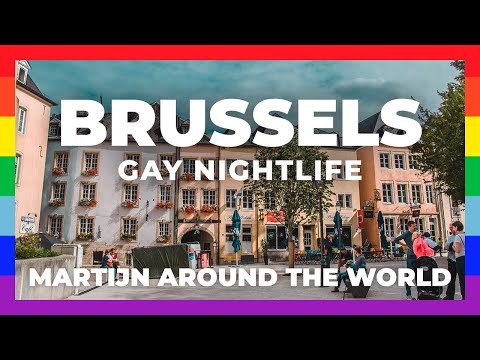
Second country in the world to legalise same-sex marriage (2003). Comprehensive anti-discrimination law. Legal gender change via self-declaration since 2018.
Sint-Joost-ten-Node: A Guide to Brussels' Diverse LGBTQ+ Neighborhood
Sint-Joost-ten-Node, commonly known as Sint-Joost, is one of Brussels' most diverse and progressively-minded neighborhoods. Located in the eastern part of central Brussels, it has developed into a welcoming area for LGBTQ+ residents and visitors. Unlike some European cities with clearly demarcated gay quarters, Sint-Joost represents a more integrated approach to queer urban life—one where LGBTQ+ people are woven into the broader community fabric rather than concentrated in a single zone.
History and Development
Brussels has a long history of LGBTQ+ activism and visibility dating back decades. Sint-Joost, as part of the broader Brussels metropolitan area, has benefited from Belgium's relatively progressive legal framework. Belgium was an early adopter of same-sex marriage (2003) and maintains strong anti-discrimination protections. The neighborhood's multicultural character and artistic community have naturally attracted LGBTQ+ residents seeking affordable housing and cultural diversity in the Belgian capital.
Geography and Neighborhoods
Sint-Joost-ten-Node occupies a distinct administrative area in Brussels' eastern central zone. The neighborhood is bounded by major streets and connects to other important areas like Sablon (known for antique shops and cafes) and the Marais-adjacent districts. The main commercial thoroughfares include Chaussée de Wavre and surrounding streets where visitors will find most bars, cafes, and restaurants. The neighborhood is highly walkable, with tree-lined streets and a mix of residential and commercial spaces.
Accommodations
While Sint-Joost itself has limited dedicated hotel options, the neighborhood contains numerous guesthouses, small hotels, and Airbnb listings. Being well-connected by public transit, staying in Sint-Joost offers good access to other parts of Brussels. The nearby Sablon area and central Brussels districts (within 1-2 km) offer additional hotel choices ranging from budget to luxury options. Many LGBTQ+ travelers appreciate staying in Sint-Joost proper for the authentic neighborhood experience rather than in touristier areas.
Sint-Joost hosts various bars and cafes popular with local LGBTQ+ crowds. While specific venue information changes regularly, the neighborhood contains mixed bars and cafes where queer people socialize. The broader Brussels gay scene includes dedicated gay venues in areas like Sablon and the city center, typically within 15-20 minutes by tram or walking from Sint-Joost. Visitors should check current listings and local LGBTQ+ resources upon arrival, as the venue landscape evolves.
Dining and Entertainment
The neighborhood offers diverse dining options reflecting its multicultural population. Belgian cuisine, Middle Eastern restaurants, Asian eateries, and international cafes serve locals and visitors. Sint-Joost's character is defined by independent, locally-owned establishments rather than chains. The neighborhood also hosts cultural events, art galleries, and vintage shops that appeal to creative travelers.
Brussels Pride and Major Events
Brussels Pride (Brussels Gay Pride) takes place annually in May and is one of Europe's major Pride celebrations. The main events occur throughout central Brussels, with street celebrations, cultural events, and a significant parade. Crowds and festivities extend into neighborhoods like Sint-Joost during the Pride period. The celebration typically runs for several days around mid-May. Beyond Pride, Brussels hosts various LGBTQ+ cultural events throughout the year, including film festivals and community celebrations.
Transportation
Sint-Joost is well-served by Brussels' public transportation system, including trams and buses. The STIB (Brussels public transport authority) operates an integrated network making it easy to reach Sint-Joost from Brussels-Central Station, Brussels-North, and Brussels-South. A day pass or multi-day ticket is economical for visitors. The neighborhood is also accessible by bicycle, and Brussels has developed cycling infrastructure in recent years. Walking is feasible to nearby areas, and taxis or ride-sharing services are available.
Safety and Practical Considerations
Belgium is generally very safe for LGBTQ+ travelers. Brussels is a cosmopolitan capital with strong legal protections for LGBTQ+ people. Sint-Joost, while diverse and working-class in character, is a safe neighborhood for visitors. Standard urban travel precautions apply—avoid displaying excessive valuables, be aware of surroundings at night, and use registered taxis or official transport.
Day Trips and Wider Brussels
While staying in Sint-Joost, visitors can easily access other Brussels attractions. The Grand Place, museums, the Atomium, and other major sights are accessible by short tram rides. The Sablon district, known for its antique markets and cafes, is adjacent. Brussels is also a gateway to Belgian attractions like Bruges, Ghent, and Antwerp, all reachable by train within 30-60 minutes.
Language and Communication
Brussels is officially bilingual (French and Dutch), though English is widely spoken in tourist areas and among younger residents. Sint-Joost's diverse population means many languages are heard. Most signs, menus, and information are available in multiple languages.
Planning a Visit
Visitors to Sint-Joost should plan for typical Brussels weather—mild summers and cool, damp winters. The neighborhood is best explored on foot or by brief transit rides. Allow time to wander streets, visit cafes, and experience the local character. Checking current venue listings and LGBTQ+ event calendars before arrival ensures visitors find active social spaces and celebrations.
Frequently asked questions
Sint-Joost-ten-Node is described as a welcoming area for LGBTQ+ residents and visitors. Belgium has strong anti-discrimination protections.
The main commercial thoroughfares, including Chaussée de Wavre and surrounding streets, host most bars and cafes popular with local LGBTQ+ crowds. The broader Brussels gay scene also includes dedicated venues in areas like Sablon.
Sint-Joost-ten-Node has numerous guesthouses, small hotels, and Airbnb listings. Many LGBTQ+ travelers appreciate staying in Sint-Joost for an authentic neighborhood experience.
No, Sint-Joost-ten-Node represents a more integrated approach where LGBTQ+ people are woven into the broader community fabric rather than concentrated in a single zone.
The neighborhood is highly walkable. It is also well-connected by public transit, offering good access to other parts of Brussels.
The guide mentions that Sint-Joost hosts various bars and cafes popular with local LGBTQ+ crowds, but does not provide specific information on events or Pride timing.
Your privacy choices.
We use cookies to run GayOut and, with your consent, measure usage. Learn more
Your privacy choices
We use cookies to keep GayOut running, remember your preferences, and (with your permission) measure how the site is used. You can accept all, reject all, or pick what you allow. Learn more
Essential
Required for sign-in, fraud prevention, CSRF protection and remembering your language. Cannot be disabled.
Always on
Remembers your favourites, dark mode and other interface preferences across visits.
Helps us understand which pages people visit (Google Analytics, server-side stats) so we can improve.
Used by campaign tracking pixels. None are active right now, reserved for future use.
Install GayOut
Add GayOut to your home screen for faster access, offline favourites, and Pride alerts.



 Gay-Friendly Hotel
(32)
Gay-Friendly Hotel
(32)