Plovdiv, Bulgaria's second-largest city, is a significant destination for its archaeological and cultural importance. Situated on the Maritsa River, approximately 240 kilometers south of Sofia, it has a population of around 340,000 and serves as a regional center for Southern Bulgaria.
The LGBTQ+ Scene in Plovdiv
Same-sex relationships were decriminalized in Bulgaria in 2002, though social acceptance varies, particularly outside major cities. Plovdiv's LGBTQ+ community is smaller than Sofia's, and public visibility is generally low. However, the city's artistic and youthful demographic fosters an environment of openness. The LGBTQ+ community tends to be integrated within the broader alternative and creative scene rather than concentrated in a specific district.
Plovdiv Pride takes place annually in June. It has evolved from a small gathering into a city event that includes a march, cultural performances, exhibitions, and advocacy. While smaller than Sofia Pride, it signifies progress in a city with historically conservative leanings. The event typically spans a weekend and draws participants from Bulgaria and abroad.
Neighborhoods and Geography
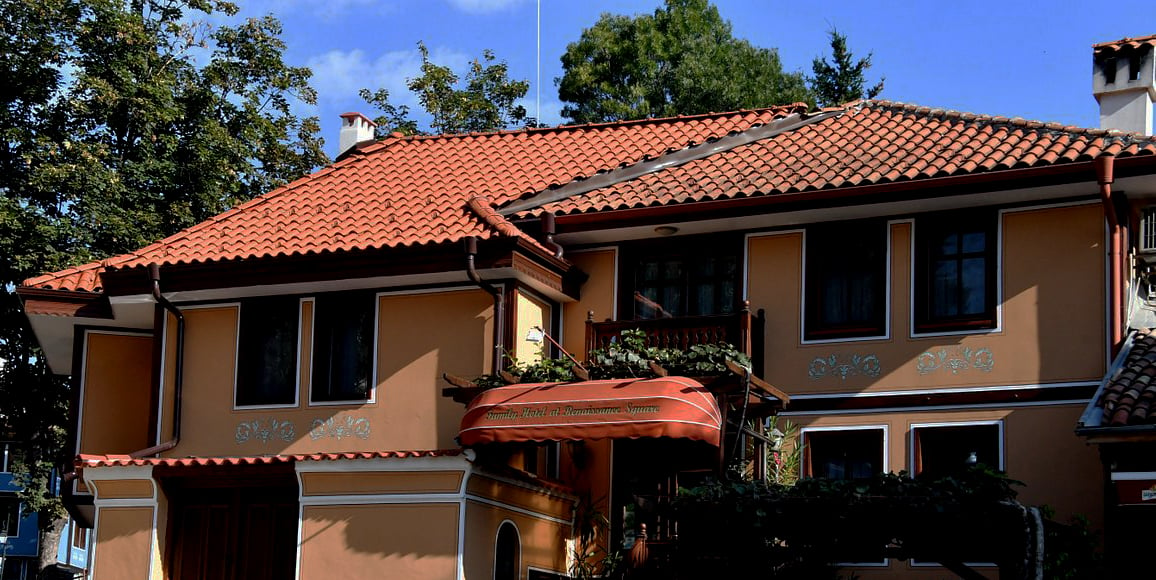
The Old Town (Varosha) is the city's most historically and culturally rich area. Located on a hill, it features narrow streets, Renaissance and Ottoman architecture, art galleries, cafes, and museums. This district is a hub for local artists, students, and creative individuals.
The Downtown/City Center, encompassing Tsar Alexander II Square and Georgi Dimitrov Boulevard, houses administrative buildings, shops, hotels, and restaurants. This area provides practical amenities and transit connections.
Adjacent to the Old Town, the Kapana district has been revitalized and now features street art, independent shops, bars, and galleries, attracting a younger demographic.
Venues and Nightlife
Plovdiv does not have dedicated gay bars or clubs. However, several venues are known for their mixed crowds and welcoming atmosphere for LGBTQ+ patrons.
Cafes and Bars in the Old Town: Establishments such as Art Cafe Sardinata and Thracian House, along with smaller bars in Varosha, attract a diverse clientele of tourists, students, and creative individuals. These operate as regular cafes and bars.
Kapana District: This revitalized area offers a growing number of bars and cafes that are generally welcoming to LGBTQ+ visitors and cater to a young, alternative crowd.
Nightlife in Plovdiv is more subdued than in Sofia, with limited clubbing options that appeal to a broad audience.
Accommodation
The Old Town offers a range of guesthouses, boutique hotels, and Airbnb apartments. Staying in Varosha provides proximity to restaurants, galleries, and cultural sites. Hotels like Old Plovdiv Hotel and Hisar Oda Guest House are among the options. Downtown also has mid-range and chain hotels.
Walking is the most effective way to explore the Old Town due to its narrow streets and pedestrian zones. Public buses connect different districts. Taxis and ride-sharing apps are also available.
Food and Culture
Plovdiv's cuisine blends Bulgarian, Ottoman, and Mediterranean influences. Restaurants in the Old Town and Kapana serve traditional dishes like banitsa and shopska salad, alongside local wines. The city is recognized for its wine production, with several wine bars and tasting rooms in and around the Old Town.
The city's cultural offerings include theater, art exhibitions, film festivals, and music performances. The Roman Theater, a restored 2nd-century AD venue, hosts concerts and performances during the summer.
Day Trips and Attractions
Backhovo Monastery, located about 30 kilometers south, is an 11th-century Orthodox monastery with notable frescoes and architecture.
The Rhodope Mountains offer opportunities for hiking and scenic exploration, with towns like Shiroka Luka and Trigrad being points of interest.
Assen Fortress, a medieval fortress situated about 35 kilometers away, provides historical context and panoramic views.
Kazemluk, a village near Plovdiv, is known for its pottery and wine production.
Getting Around
Plovdiv Airport is located about 12 kilometers east. Most international visitors arrive via Sofia Airport and then take a bus or train to Plovdiv, a journey of 2-3 hours. Buses are frequent and affordable.
Within Plovdiv, walking is ideal for the Old Town. Public buses serve other neighborhoods, though signage can be challenging for first-time visitors.
Language and Communication
Bulgarian is the official language. English is spoken by younger individuals, tourism professionals, and those in creative fields, but less widely than in Sofia. Translation apps or phrasebooks can be helpful.
Practical Tips
The currency is the Bulgarian Lev (BGN). ATMs are widely available. Plovdiv is generally affordable for Western travelers.
Plovdiv offers a historical and artistic experience distinct from Sofia. LGBTQ+ travelers can expect integration into a mixed social scene rather than a dedicated gay infrastructure, with opportunities for cultural engagement and local exploration.
Frequently asked questions
While same-sex relationships are legal, social acceptance in Bulgaria remains limited outside major urban centers. Plovdiv has a small LGBTQ+ community and public visibility is generally low, but pockets of tolerance exist due to its bohemian arts culture and youth population.
Plovdiv Pride is held annually in June. It typically takes place over a weekend and features a march, cultural performances, exhibitions, and advocacy activities.
Plovdiv does not have a distinct LGBTQ+ neighborhood. The community is largely integrated into the broader alternative and creative scene, particularly in the Old Town and Kapana district.
The Old Town (Varosha) is recommended for LGBTQ+ visitors, offering the best dining, cultural activities, and welcoming social spaces within its creative and youthful atmosphere. The adjacent Kapana district, with its street art and independent shops, is also worth exploring.
Plovdiv does not have dedicated gay bars or clubs in the traditional sense. However, certain venues are known to welcome LGBTQ+ patrons.
Plovdiv has a smaller LGBTQ+ community compared to Sofia. While Plovdiv Pride is a growing city-wide event, it is smaller than Sofia Pride, which typically draws thousands.
Your privacy choices.
We use cookies to run GayOut and, with your consent, measure usage. Learn more
Your privacy choices
We use cookies to keep GayOut running, remember your preferences, and (with your permission) measure how the site is used. You can accept all, reject all, or pick what you allow. Learn more
Essential
Required for sign-in, fraud prevention, CSRF protection and remembering your language. Cannot be disabled.
Always on
Remembers your favourites, dark mode and other interface preferences across visits.
Helps us understand which pages people visit (Google Analytics, server-side stats) so we can improve.
Used by campaign tracking pixels. None are active right now, reserved for future use.
Install GayOut
Add GayOut to your home screen for faster access, offline favourites, and Pride alerts.


 Gay-Friendly Hotel
(163)
Gay-Friendly Hotel
(163)