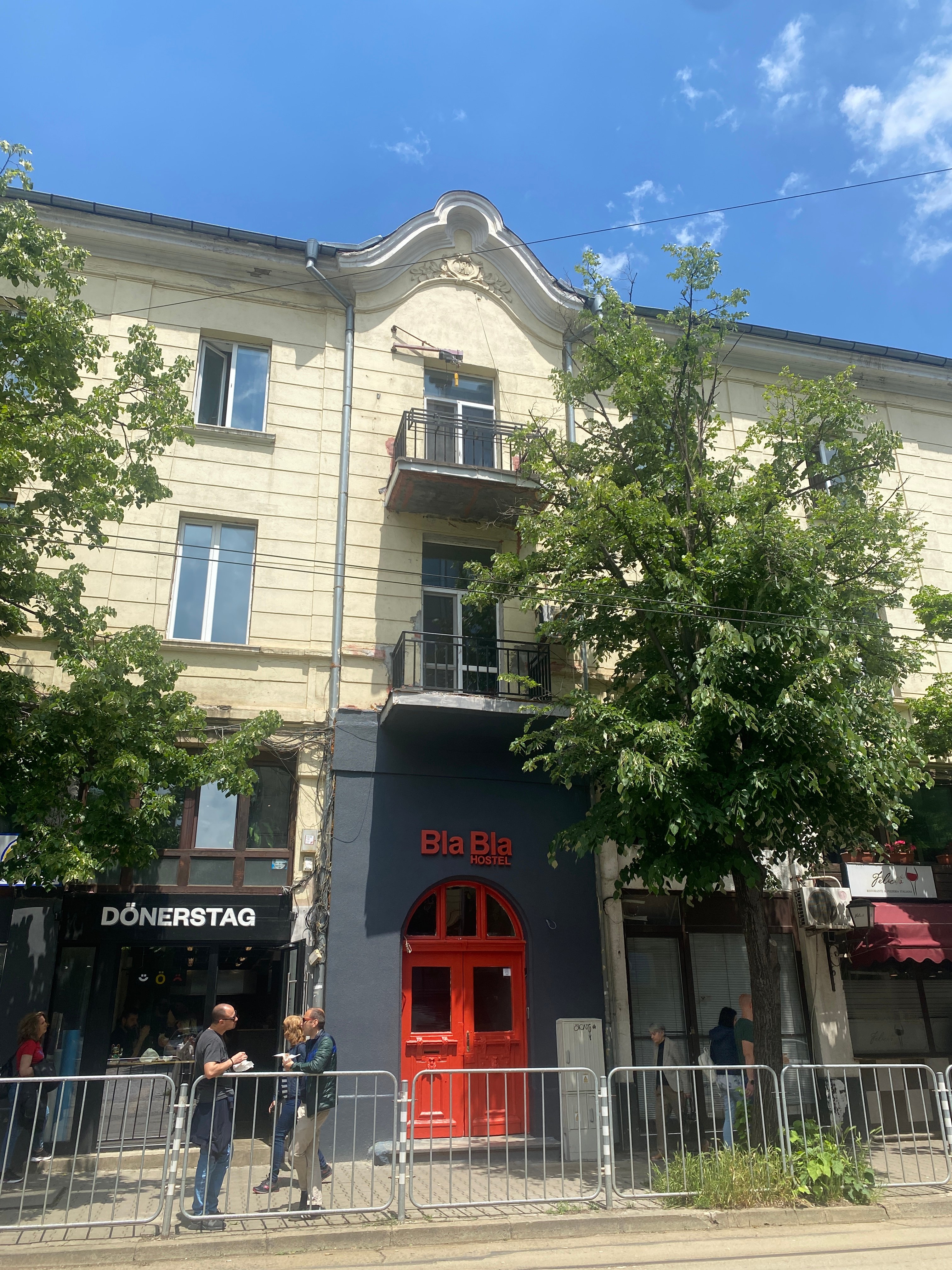
Sofia, Bulgaria's capital, presents a unique Eastern European LGBTQ+ destination—smaller and less developed than Western gay capitals, but increasingly open and culturally significant to the local community. Understanding the landscape, finding welcoming spaces, and navigating local attitudes requires context specific to post-communist Bulgaria.
Historical Context and Current Scene
Bulgaria decriminalized homosexuality relatively early by communist-bloc standards (1968), yet progress stalled during the transition to democracy. The 1990s and 2000s saw limited public acceptance despite legal neutrality. Sofia Pride began in 2008 as a modest gathering; it has since evolved into a major annual event, attracting international visitors and reflecting generational shifts in attitudes. Today, younger urbanites in Sofia display noticeably more acceptance than older generations or rural populations. The LGBTQ+ community remains concentrated in the capital, with the scene considerably smaller than in comparable regional cities like Prague or Budapest.
Neighborhoods and Geography
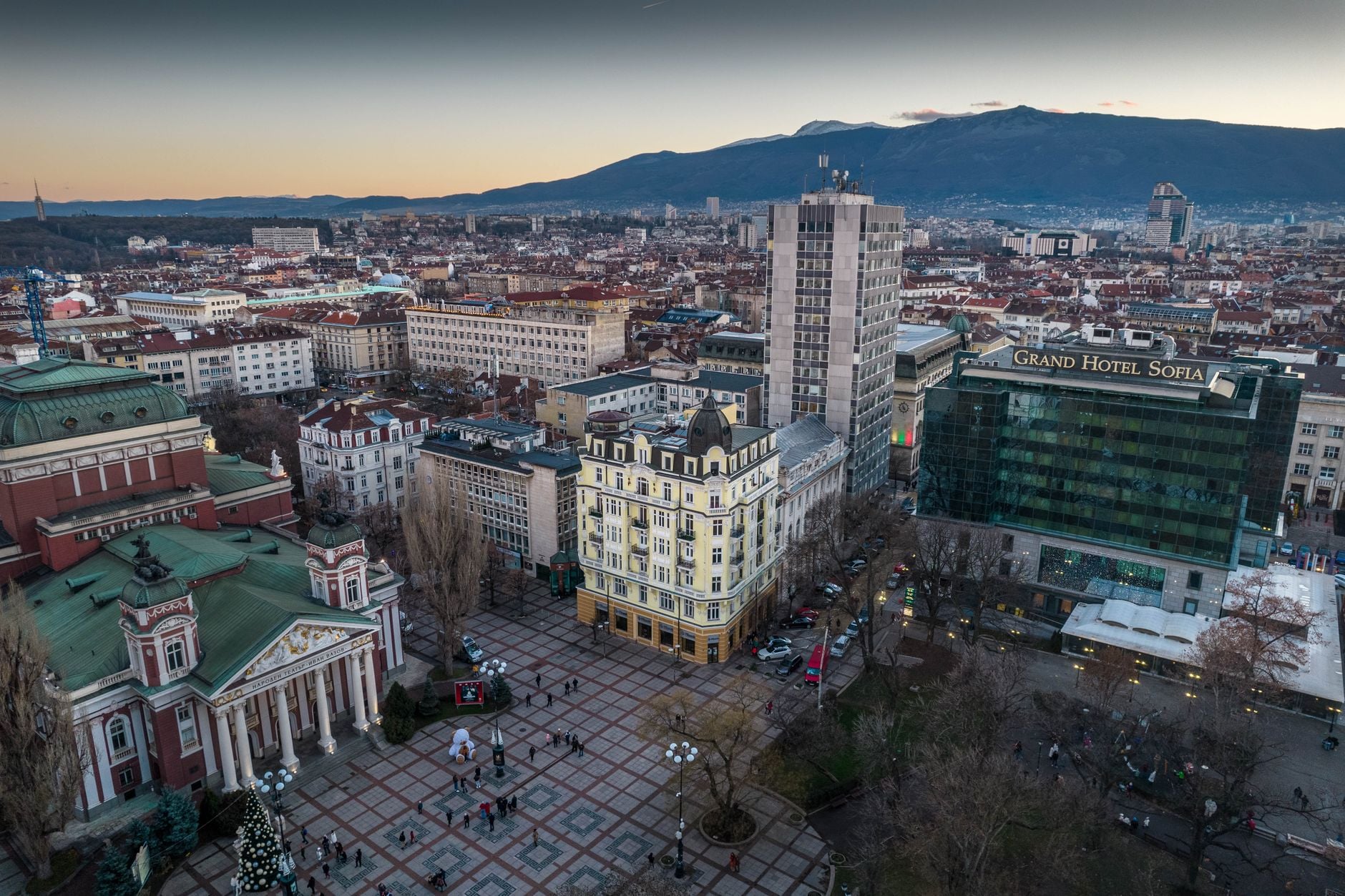
Sofia's city center is relatively compact and walkable. The primary LGBTQ+ scene clusters in downtown Sofia, particularly around Vasil Levski Boulevard and the Aleksandar Nevsky Cathedral area. The Vasil Levski neighborhood contains many of the city's gay-friendly bars and restaurants. The Lozenets district, a residential area south of downtown, houses younger professionals and has seen increasing LGBTQ+ visibility. Vitosha Boulevard, the main shopping and entertainment street, runs through the center and offers numerous cafes, bars, and restaurants, many of which are welcoming to LGBTQ+ visitors regardless of specific "gay" designation.
The Old Town (Stara Gradina) near the Alexander Nevsky Cathedral is touristy but pleasant for walking, dining, and people-watching. Boyana, in the southwest hills, offers a quieter, more residential feel with historical churches and nature nearby.
Venues and Nightlife
Sofia's nightlife is vibrant but venues are not exclusively gay-oriented. The city has several bars and clubs where LGBTQ+ communities gather, though specific venues change—many operate for a few years before closing or relocating. Current information from local travel forums or the Sofia Pride website is essential for up-to-date recommendations.
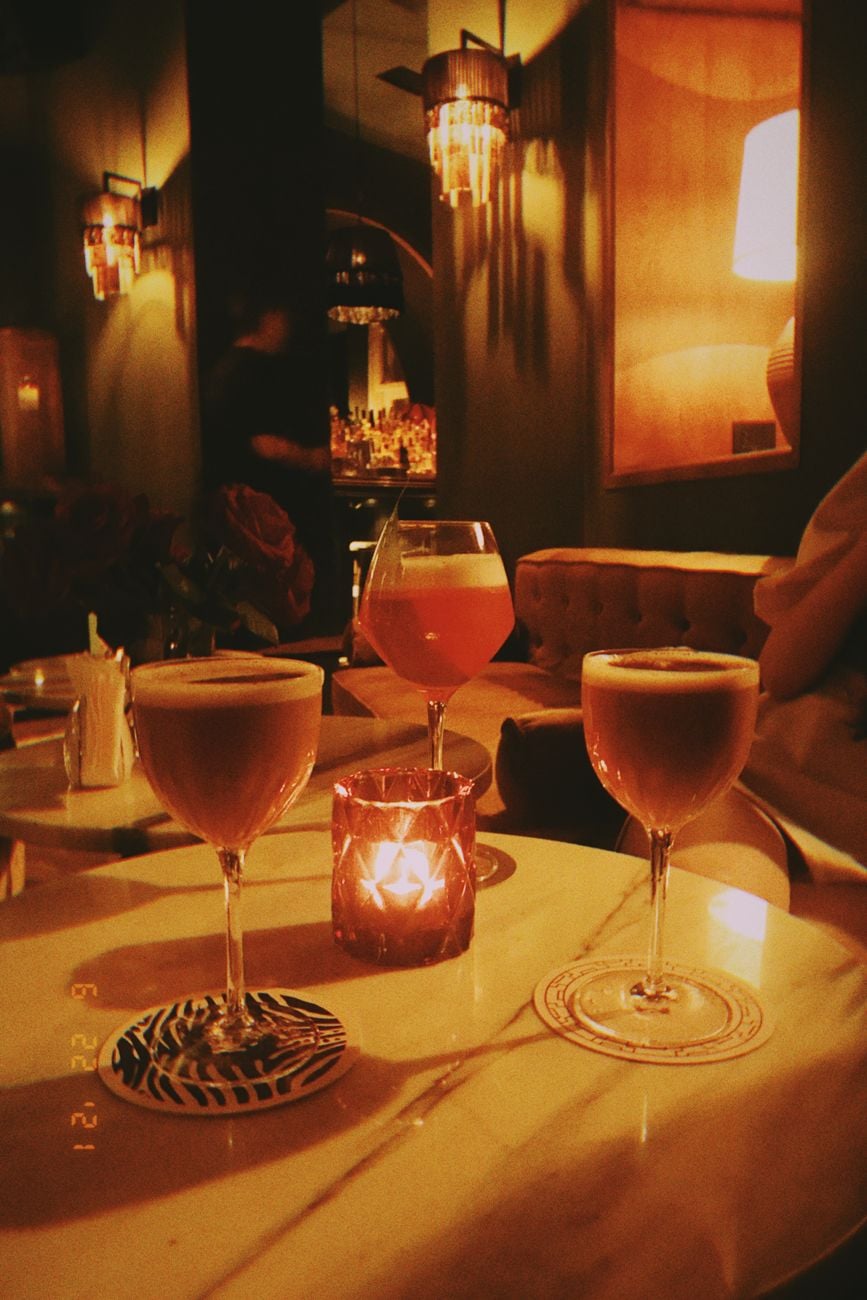
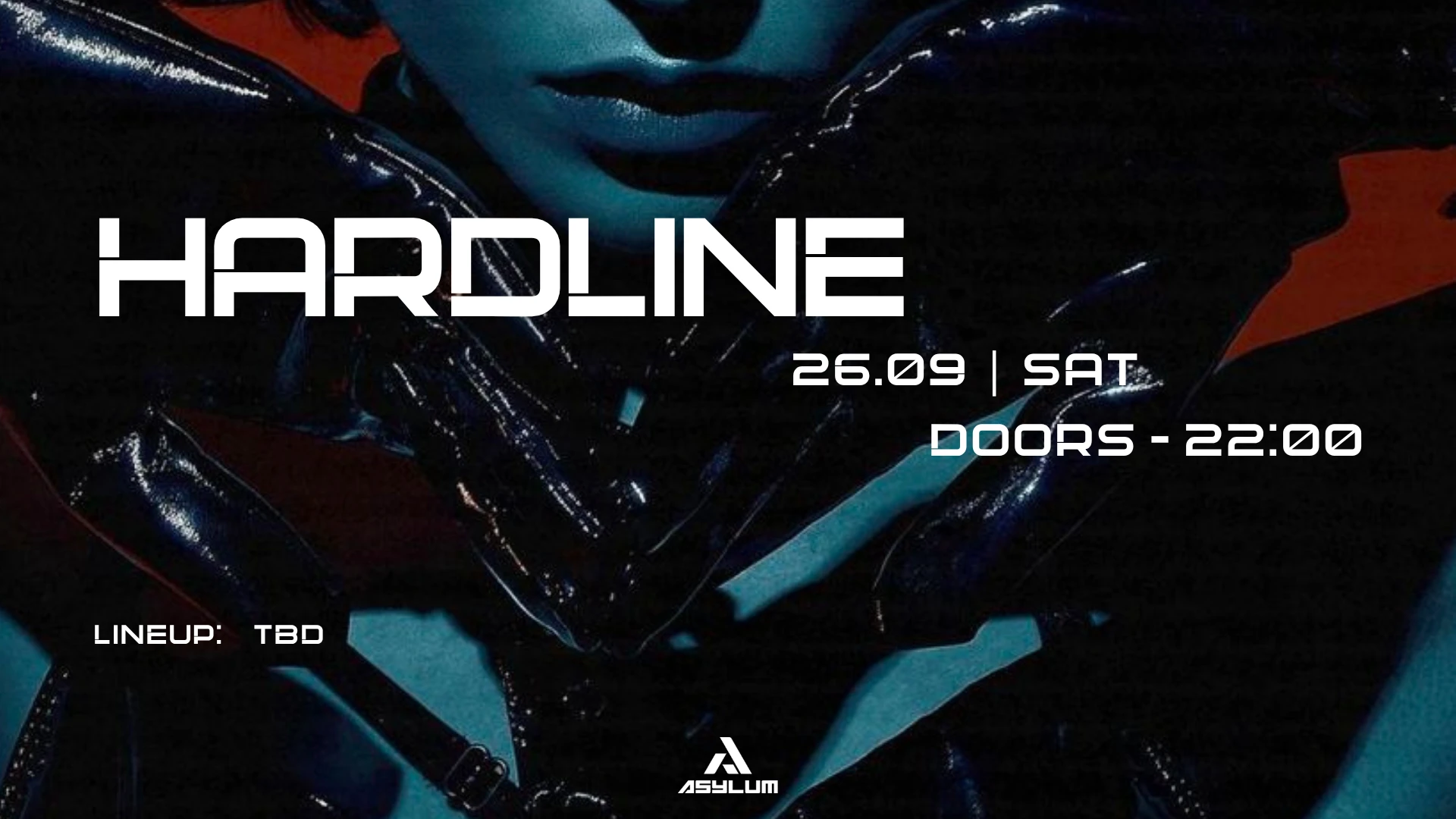
The bar scene tends toward small, intimate establishments rather than large dedicated clubs. Many downtown bars attract a mixed but queer-friendly clientele. Weekend evenings in central Sofia, particularly around Vasil Levski Boulevard, feature bustling bar districts where LGBTQ+ visitors will find welcoming atmospheres. Clubbing is popular; several clubs host occasional queer nights, though these may not recur on fixed schedules—checking local event listings is necessary.
Sofia's few saunas cater to men seeking hookups; discretion is typical. These venues are frequented by locals and are generally discreet establishments rather than social venues.
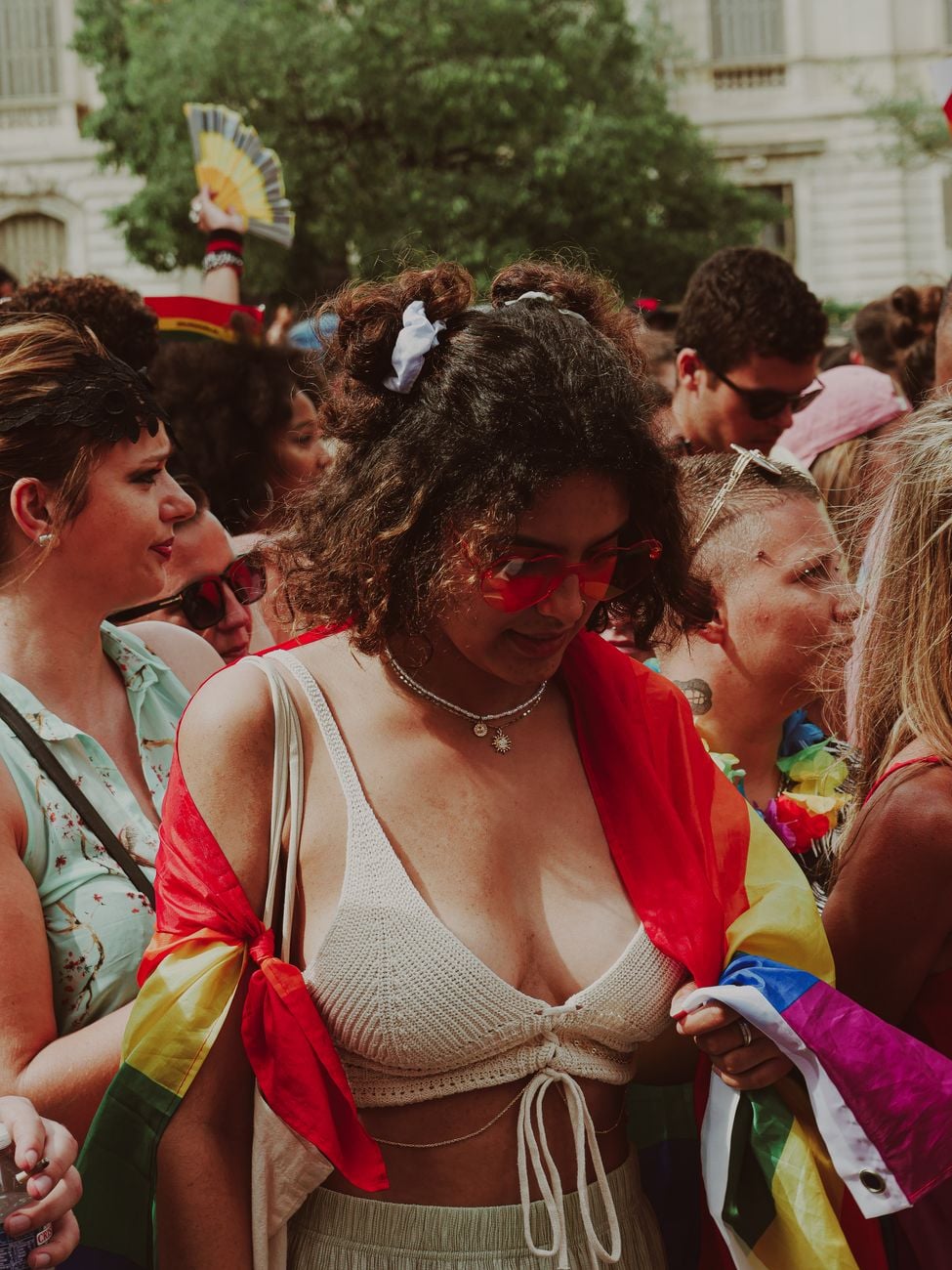
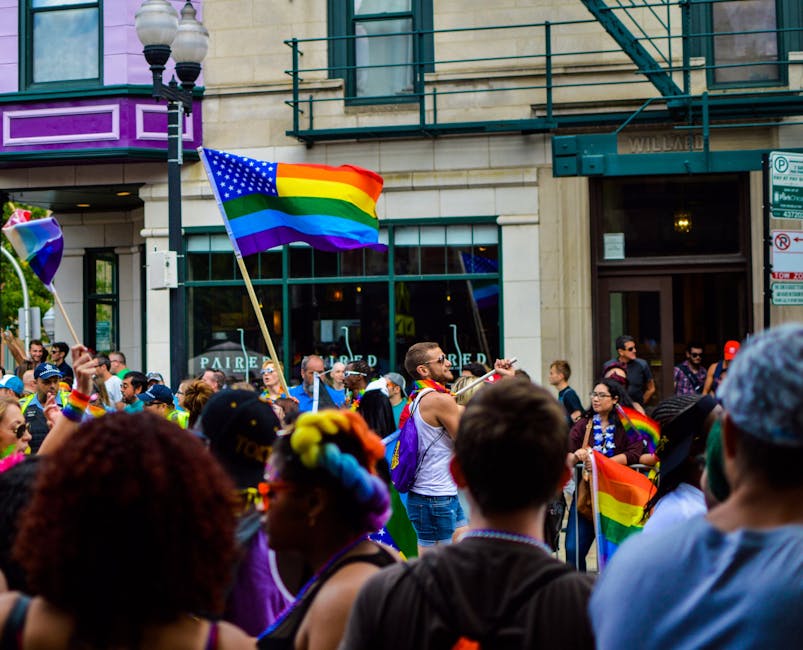
Sofia Pride, typically held in June, is the year's primary LGBTQ+ event. The celebration has grown substantially, now attracting thousands of participants and significant international media attention. The Pride parade winds through central Sofia, with performances, cultural booths, and activism visible throughout. Counter-protests occasionally occur but are typically managed by police; serious incidents are rare in recent years. Sofia Pride serves as a showcase for Bulgarian LGBTQ+ activism and is a crucial gathering for the community.
Other events occur sporadically. Queer film festivals, drag shows, and smaller community gatherings happen throughout the year, though scheduling varies. The Sofia LGBT Film Festival, held annually in October, shows international and local queer cinema and attracts international participants.
Where to Stay
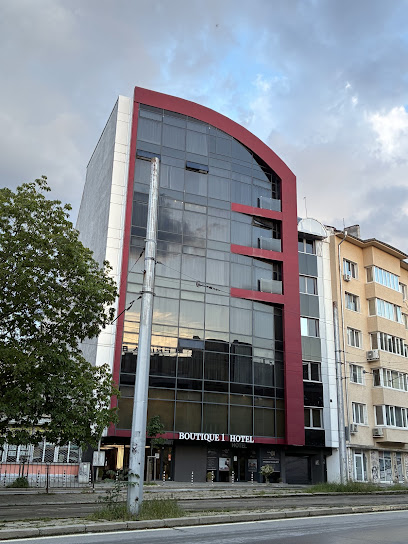
Most LGBTQ+ travelers stay in central Sofia for convenience. Mid-range hotels and boutique guesthouses cluster around the city center, with options ranging from budget hostels to luxury four-star properties. Gay-specific accommodations are limited; most travelers book through general platforms. The Vasil Levski and Old Town areas offer good access to nightlife and restaurants. Some travelers prefer the quieter, residential Lozenets district if seeking a less touristy base.
Sofia is generally safe for LGBTQ+ travelers, particularly in downtown areas and among younger, educated populations. Public displays of affection between same-sex couples attract attention but rarely provoke hostility in central Sofia's cosmopolitan areas. Outside the city, acceptance decreases markedly, and discretion is advisable in rural regions.
Bulgaria's legal framework remains restrictive: same-sex marriage is not recognized, joint adoption is prohibited, and gender recognition is limited. These restrictions don't directly affect tourists but contextualize local attitudes. Conversion therapy is not explicitly banned, reflecting broader conservative positioning on LGBTQ+ issues at the national level.
Petty theft and standard urban crime occur; typical urban safety precautions apply. Avoid displaying expensive jewelry or electronics. Sofia's police are generally professional; in emergencies, call 112.
Transportation
Sofia's public transit system includes metro, trams, and buses operating throughout the city. The metro connects major neighborhoods and is clean, affordable, and efficient. Tickets cost roughly 1.60 BGN ($0.90 USD) per ride. Taxis are abundant and inexpensive; use official registered taxis or apps like Uber or Bolt to avoid scams. Walking is highly feasible in central Sofia, as most attractions and venues concentrate in a compact area.
Airport transfers: Sofia Airport (Sofia "Vasil Levski" Airport) is 10 km east of the city center. Metro line 1 connects directly downtown (approximately 25 minutes). Taxis to downtown cost roughly 20-30 BGN ($11-17 USD).
Food and Dining
Sofia's restaurant scene is diverse and affordable. Traditional Bulgarian cuisine features hearty meat and dairy dishes; vegetarian options exist but require requesting them explicitly. Banitza (phyllo pastry with cheese), shopska salad (tomato, cucumber, onion, feta), and banitsa are staples. Many restaurants are gay-friendly; major tourist areas in downtown Sofia have English menus and cosmopolitan atmospheres.
Café culture is central to Bulgarian social life. Numerous cafés throughout the city serve coffee, pastries, and lunch. These are common meeting places and comfortable spaces to spend time.
Mountain Hiking: Vitosha Mountain, directly south of Sofia, offers trails ranging from casual walks to challenging hikes. The mountain's lower slopes are accessible by cable car or hiking trails within 30-45 minutes from downtown. Summer and early autumn provide ideal conditions.
Boyana: This southwestern neighborhood houses historic Boyana Church, featuring Byzantine frescoes. It's approximately 10 km from downtown, accessible by bus or taxi.
Alexander Nevsky Cathedral: While in central Sofia, this 19th-century gold-domed cathedral is architecturally spectacular and a major landmark. Entry is free; modest dress is respectful.
Rila Monastery: Located approximately 120 km south, this UNESCO World Heritage site is Bulgaria's most significant Orthodox monastery. A day trip requires organized transport or a rental car; numerous tour operators in Sofia offer guided excursions. The monastery's architecture and religious significance appeal to culturally interested travelers.
Razvigach Ski Resort: During winter, the Bansko ski resort (approximately 160 km south) is accessible via organized tours. Summer visits allow hiking and Alpine scenery.
Cultural Attractions
National Museum of Bulgaria, Alexander Nevsky Cathedral, National Palace of Culture (a massive communist-era venue hosting concerts and events), and various art galleries populate Sofia. Museums typically charge modest entry fees (5-10 BGN/$3-6 USD).
Language and Communication
Bulgarian is the official language; English proficiency is limited outside tourism sectors and among younger people. Learning basic phrases is appreciated by locals. Major tourist venues and hotels employ English speakers. Google Translate assists with restaurant menus and street signs.
Currency and Costs
Bulgaria's currency is the Bulgarian Lev (BGN); approximately 1.80 BGN equals $1 USD (rates vary). Sofia is notably affordable by European standards. A meal at a mid-range restaurant costs 15-25 BGN ($8-14 USD). Beer in a bar is typically 3-5 BGN ($1.70-2.80 USD). Budget travel is feasible at $30-50 USD per day; mid-range travel at $70-100 USD daily.
Best Time to Visit
Summer (June-August) offers warm weather and Pride celebrations but brings tourist crowds. Spring (April-May) and fall (September-October) provide pleasant weather and fewer crowds. Winter (December-February) is cold and snowy, ideal for skiing but less comfortable for general sightseeing.
Conclusion
Sofia offers LGBTQ+ travelers an authentic, affordable Balkan experience distinct from established Western gay capitals. The scene is smaller and less commercialized, which may appeal to some and disappoint others. The community is real, welcoming, and increasingly visible. Visitors seeking history, culture, hiking, and connection with local LGBTQ+ people will find Sofia rewarding. Those expecting a full-scale gay resort scene should set expectations appropriately. With basic precautions, Sofia is a safe and enriching destination for LGBTQ+ travelers.
Frequently asked questions
While Bulgaria decriminalized homosexuality in 1968, social acceptance has been a gradual process. Younger generations are increasingly accepting, and the city has a growing international profile, fostering a more cosmopolitan atmosphere in certain neighborhoods.
Sofia Pride was first organized in 2008 and has grown incrementally. While the exact dates can vary, it typically occurs annually.
The city center, particularly around Alexander Nevsky Cathedral and the National Palace of Culture, contains most gay-friendly venues. The Vazrazhdane district and the trendy Lozenets district also host several gay-friendly establishments and attract a young, international crowd.
Sofia presents a modest but genuine gay scene. The city center and neighborhoods like Vazrazhdane and Lozenets host gay-friendly venues and progressive establishments.
Most gay-friendly accommodation options appealing to LGBTQ+ travelers are located in Sofia's city center. The Vazrazhdane district also has boutique hotels that may appeal.
The LGBTQ+ community in Sofia was largely underground for a long time. While progress has been made, Sofia Pride continues to face occasional counter-protests from conservative groups, though younger generations are increasingly accepting.
Your privacy choices.
We use cookies to run GayOut and, with your consent, measure usage. Learn more
Your privacy choices
We use cookies to keep GayOut running, remember your preferences, and (with your permission) measure how the site is used. You can accept all, reject all, or pick what you allow. Learn more
Essential
Required for sign-in, fraud prevention, CSRF protection and remembering your language. Cannot be disabled.
Always on
Remembers your favourites, dark mode and other interface preferences across visits.
Helps us understand which pages people visit (Google Analytics, server-side stats) so we can improve.
Used by campaign tracking pixels. None are active right now, reserved for future use.
Install GayOut
Add GayOut to your home screen for faster access, offline favourites, and Pride alerts.


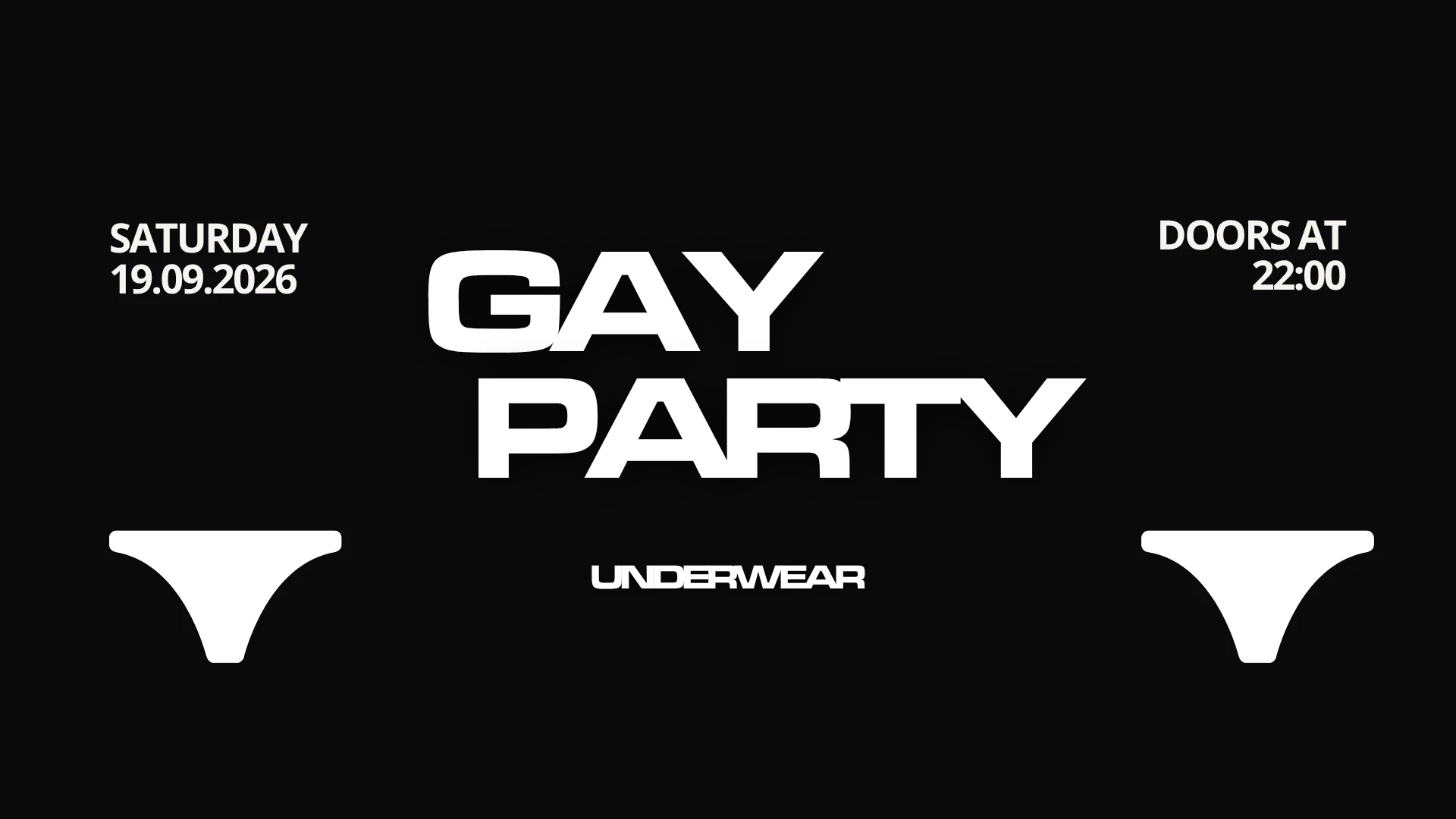
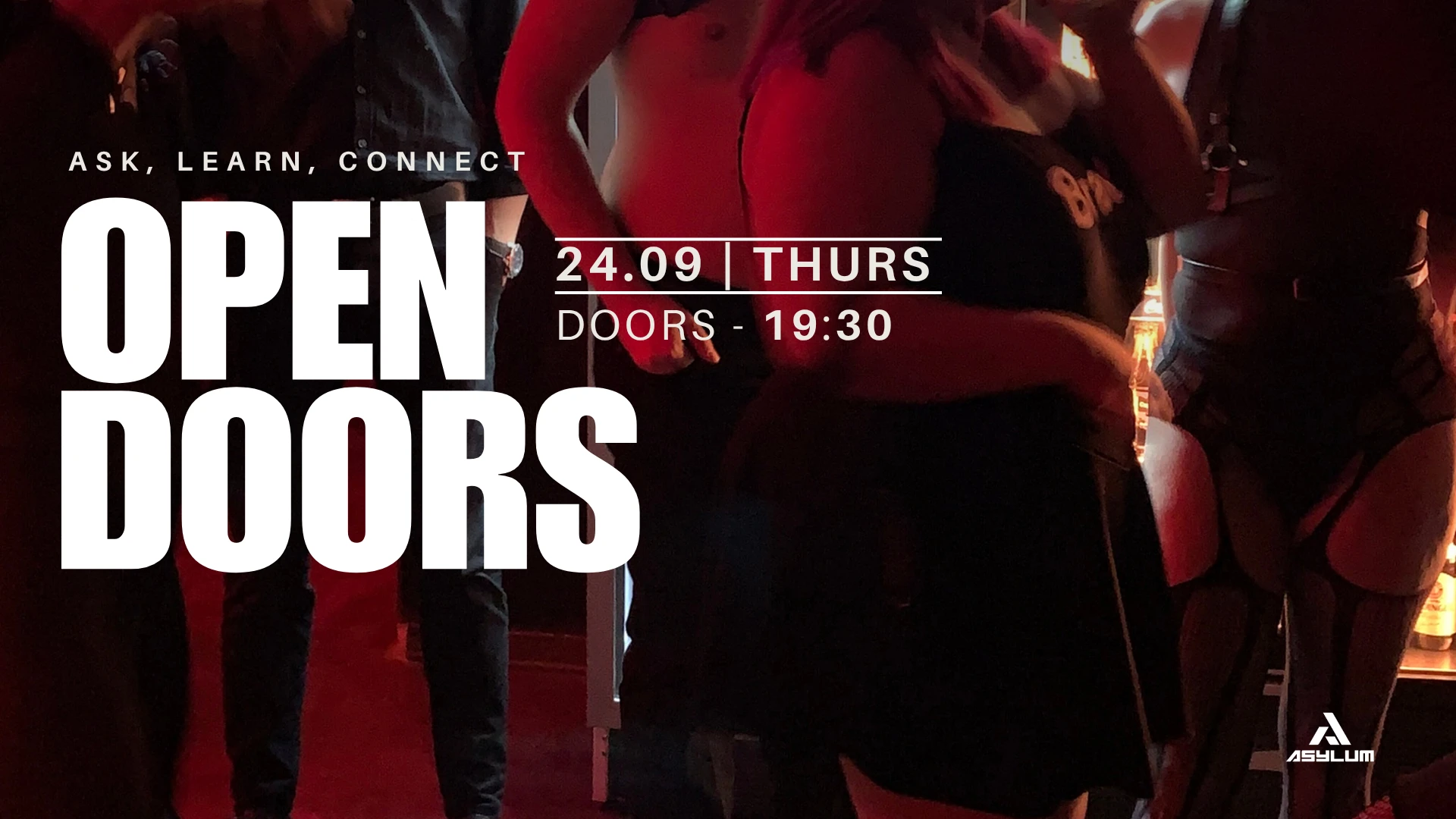
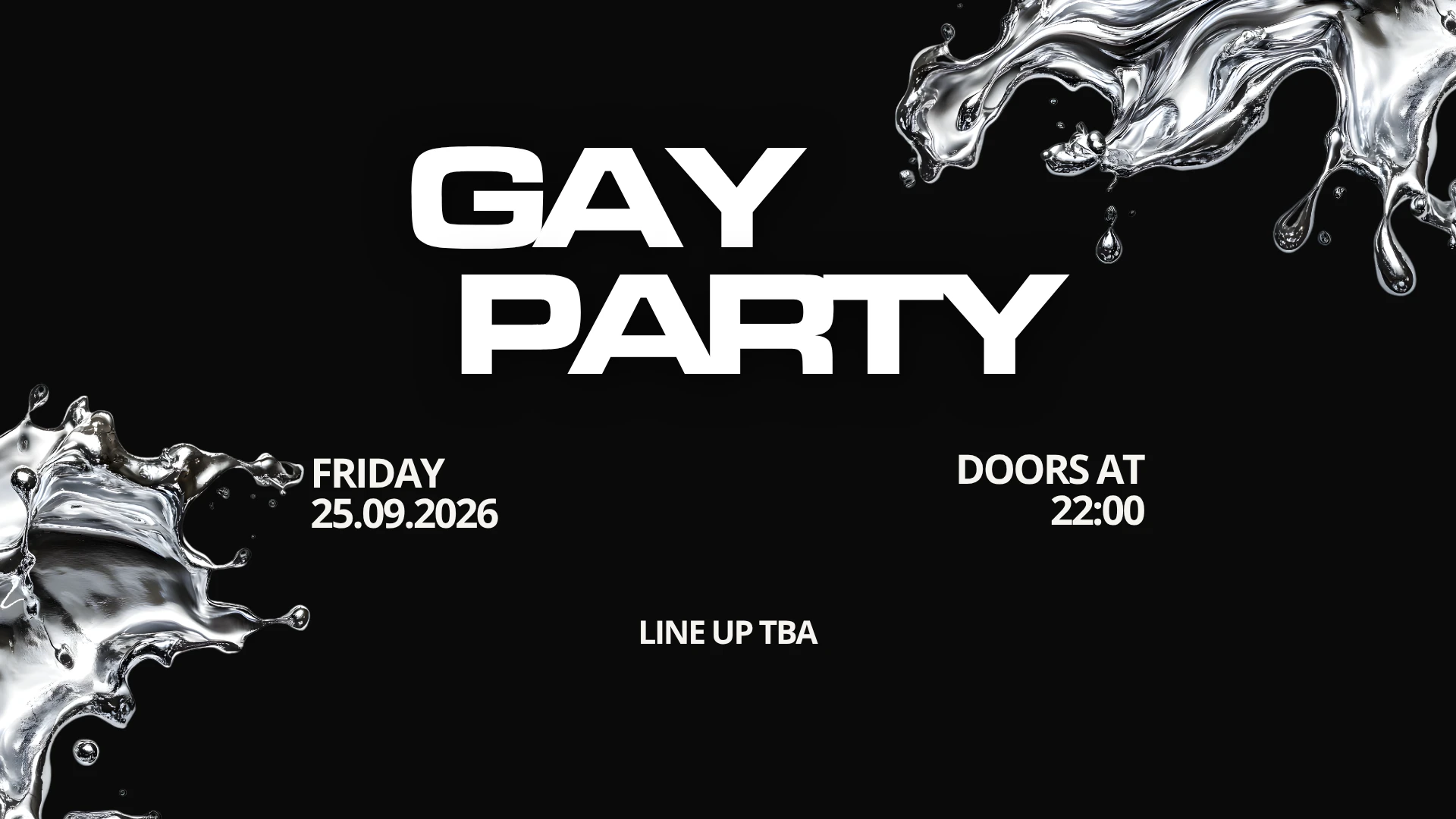
 Gay Bars & Clubs
(47)
Gay Bars & Clubs
(47)