Cyprus (Republic): homosexuality decriminalized 1998, age of consent equalized 2002, civil unions since Dec 2015, conversion therapy banned 2023. Same-sex marriage and joint adoption not legal. EU member; generally safe for travelers, socially conservative outside cities.
Never miss a gay event in Limassol
One email a week — the weekend lineup, parties and deals. No spam, unsubscribe anytime.
Weekly event updates. Notifications appear on your lock screen.
On iPhone: first add GayOut to your Home Screen (Share → Add to Home Screen), then open it from there to enable notifications.
Limassol has emerged as Cyprus's most gay-friendly destination, offering a distinctive Mediterranean experience centered on beach culture, waterfront dining, and a gradually expanding LGBTQ+ community. While smaller than Athens or Istanbul, the city provides genuine hospitality, affordable prices, and an increasingly visible Pride presence that makes it an appealing choice for LGBTQ+ travelers.
History and Current Scene
Cyprus decriminalized homosexuality in 1998 — later than most of Europe — and equalized the age of consent in 2002. Civil unions were introduced in December 2015, though same-sex marriage is still not recognized, reflecting a relatively conservative national backdrop. However, Limassol—as the island's main tourist hub and most cosmopolitan city—has developed a more liberal atmosphere than rural areas. The LGBTQ+ scene here is primarily concentrated among younger Cypriots, expatriate residents, and tourists, rather than an established multigenerational community.
The city's gay tourism infrastructure remains modest but welcoming. Rather than dedicated gay neighborhoods (unlike Nicosia's small Old Town gay presence), LGBTQ+ social life disperses across the waterfront and central areas. What exists is authentically Cypriot rather than commercialized—cafes and bars frequented by LGBTQ+ clientele tend to be mainstream establishments with diverse crowds rather than exclusively gay venues.
Neighborhoods and Areas
The Old Town (Pano Skala) remains the historic heart, with narrow streets, traditional tavernas, and the impressive Limassol Castle, built during the Crusades. This area attracts tourists and locals alike, with several welcoming cafes and bars. The medieval architecture and slower pace create an atmospheric backdrop for exploring the city.
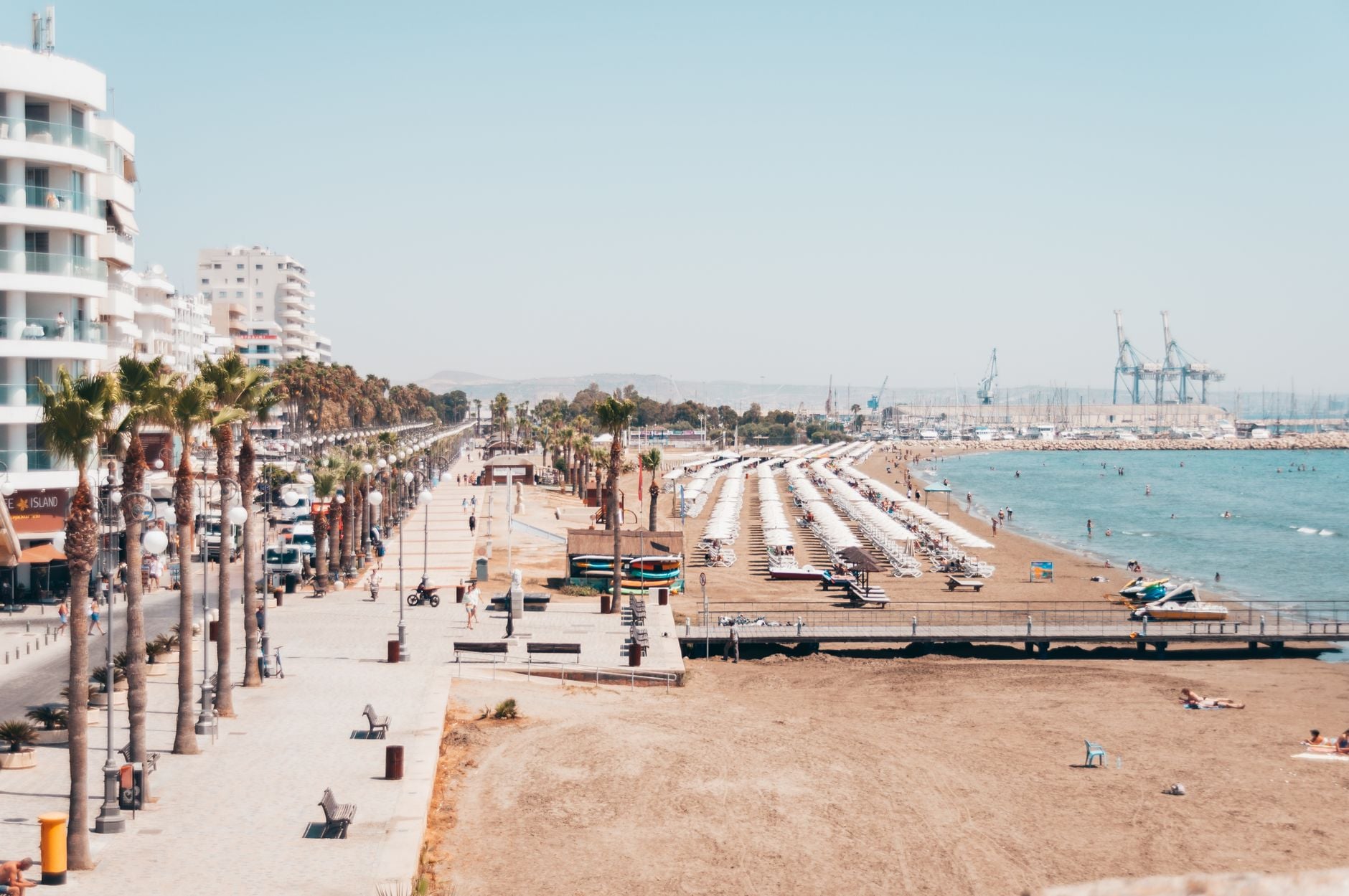
The Seafront Promenade (Molos) is Limassol's primary modern attraction and social hub. This redeveloped waterfront stretches for several kilometers with a tree-lined walking path, restaurants, bars, and beach clubs. The Molos has become increasingly LGBTQ+-friendly, with venues catering to mixed crowds of tourists and locals. The promenade is particularly lively in evenings and weekends, when families, couples, and groups gather for dining and socializing. The nearby beach areas are used by LGBTQ+ visitors, particularly during summer months.
The city center, around Makarios III Avenue and Anexartisias Street, contains shops, restaurants, and some bars frequented by LGBTQ+ clientele. This is the main commercial district, less tourist-focused than the waterfront but accessible and welcoming.
Venues
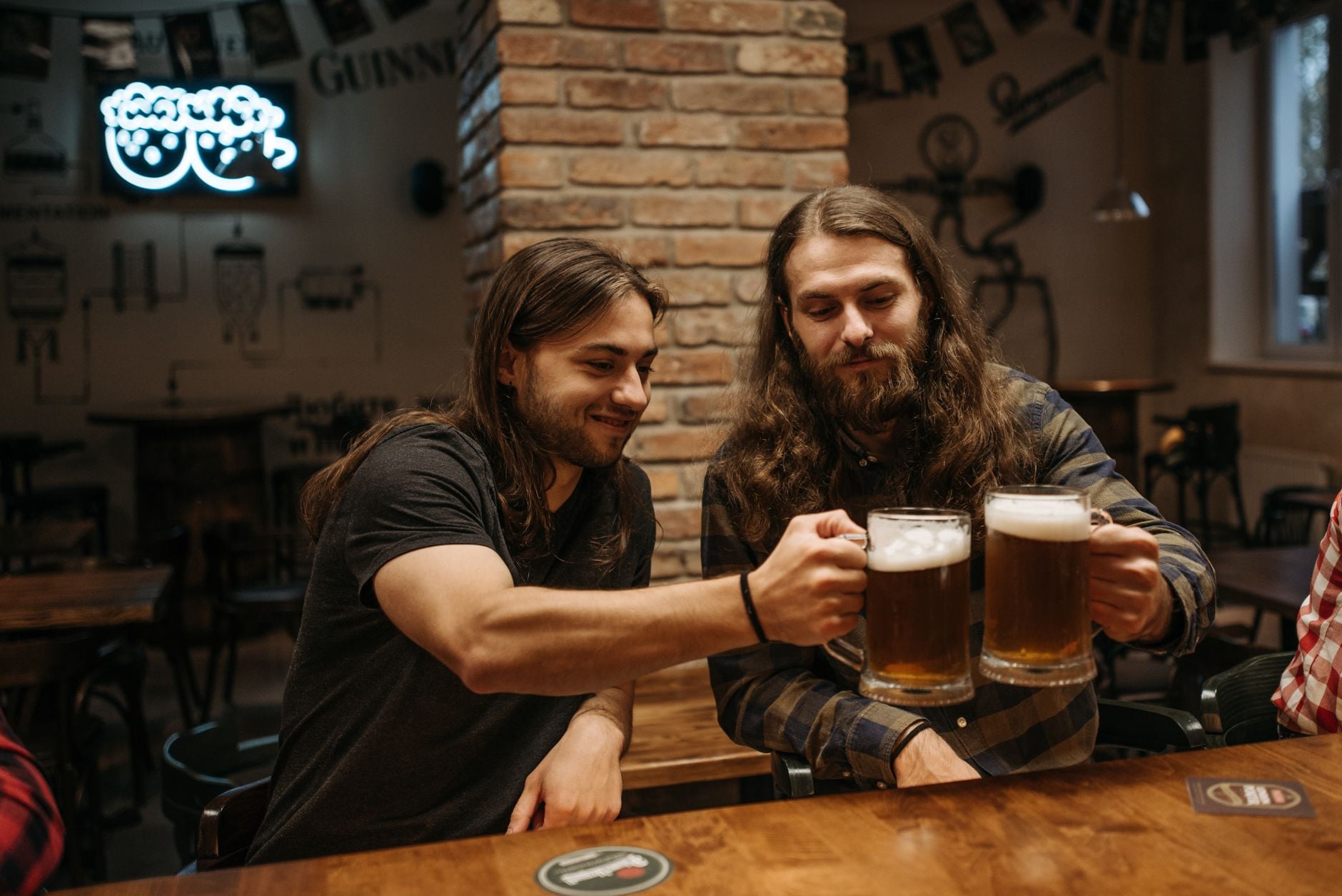
Limassol lacks dedicated gay clubs or saunas in the traditional sense. Instead, LGBTQ+ visitors frequent mainstream bars, clubs, and beach establishments. Several waterfront venues are known as popular gathering spots for LGBTQ+ crowds, particularly on weekend evenings. These establishments change and evolve, but include casual cafes, cocktail bars, and club-style venues along the Molos. It's advisable to check current recommendations through social media or local LGBTQ+ networks upon arrival, as specific venues may change seasonally or shift in popularity.
Beach culture is central to Limassol's gay social life. The best-known gay and naturist spot is Governor's Beach (also called White Rocks / Aspra Vrahia), a run of small coves about 30 minutes east toward Larnaca. Pissouri Beach, west of the city toward Paphos, is a quieter naturist-friendly alternative. The central Molos promenade beaches are mixed and welcoming but not specifically gay.
Pride and Events
Limassol does not host its own Pride parade. Cyprus's main Pride — Cyprus Pride — takes place in the capital, Nicosia (about an hour's drive north), organized by Accept LGBTI Cyprus and held on a Saturday in late May or early June (first held in 2014). Many Limassol residents travel to Nicosia for it, and Larnaca and northern Cyprus stage their own smaller Pride events. Outside Pride season, organized LGBTQ+ events in Limassol itself are limited, so it's worth checking Accept LGBTI Cyprus and local social media for one-off parties and gatherings.
Where to Stay
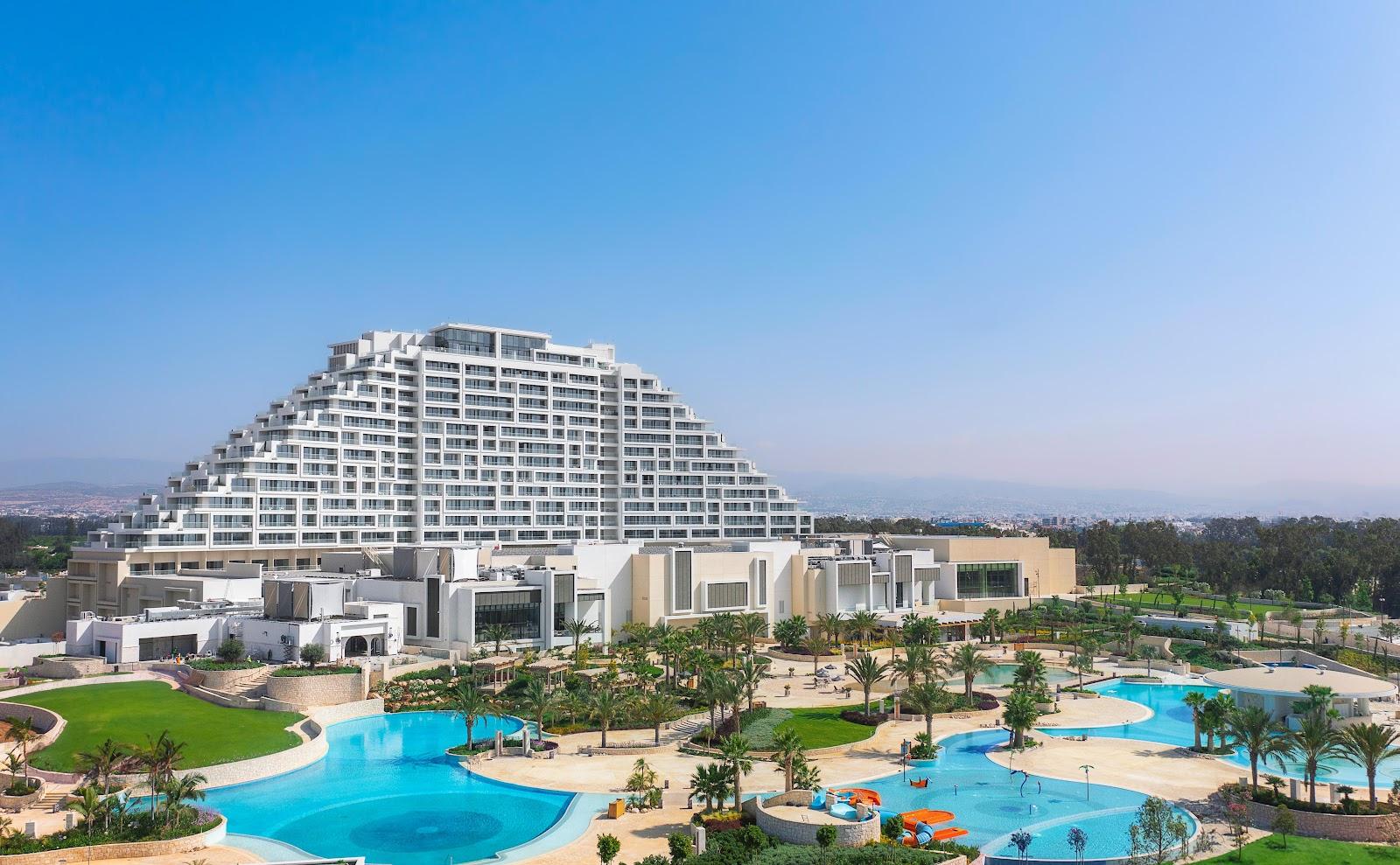
Accommodation options range from budget hostels to luxury hotels, with prices considerably lower than Western European equivalents. The waterfront area near the Molos offers modern hotels with beach access and proximity to dining and nightlife. Old Town guesthouses provide character and authenticity. Mid-range hotels and Airbnb apartments throughout the city center offer good value and convenient locations. For LGBTQ+ travelers, mainstream hotels and guesthouses are generally welcoming; there are no exclusively gay hotels, reflecting the smaller dedicated scene.
Limassol is generally safe for LGBTQ+ travelers. Public displays of affection between same-sex couples may occasionally attract attention in some areas but are unlikely to result in harassment, particularly in tourist zones and the city center. Local attitudes in Limassol tend toward acceptance compared to rural Cyprus, though the island remains more conservative than Western European standards. The tourism industry in Limassol is accustomed to international visitors of all backgrounds.
Transportation
Limassol is easily accessible via Larnaca International Airport, approximately 40km east, with direct flights from major European cities. Bus services (EMEL operates local transport) connect the airport to the city center in about 90 minutes. Within Limassol, local buses are affordable and cover main areas, though a rental car provides flexibility for exploring surrounding regions. The waterfront is highly walkable, making much of the city accessible on foot.
Food and Culture
Cypriot cuisine centers on Mediterranean ingredients: halloumi cheese, fresh fish, mezze platters, and locally produced wine. The waterfront restaurants typically offer upscale dining with sea views, while the Old Town and city center provide traditional tavernas at lower prices. Food is generally excellent value compared to other Mediterranean destinations. Limassol's wine region (Troodos Mountains) lies approximately 40km north, with several wineries offering tours and tastings.
Day Trips and Nearby Attractions
The Troodos Mountains, with traditional villages and cool forest scenery, offer escape from coastal heat. The wine-producing village of Omodos features traditional architecture and cellar tours. Kourion, an ancient Greek-Roman archaeological site, sits on dramatic coastal cliffs 20km west. Paphos, Cyprus's westernmost city, combines beach culture with Hellenistic and Byzantine archaeology, and is approximately 90km from Limassol by car or bus. These destinations are accessible as day trips or overnight excursions.
Practical Considerations
The official language is Greek, though English is widely spoken in tourist areas and among younger residents. The local currency is the Euro. Cyprus operates on Eastern European Time (EET/EEST). Summer temperatures regularly exceed 35°C (95°F), making May, September, and October ideal for visiting. Winter months (December-February) are mild but with occasional rain.
Visas for EU/EEA citizens require no documentation; other nationalities should verify visa requirements. Healthcare in Limassol is good, with private hospitals serving international patients. Travel insurance is recommended.
Conclusion
Limassol offers LGBTQ+ travelers an authentic Mediterranean experience with growing Pride infrastructure, welcoming attitudes, and relaxed beach culture. The scene is smaller and less intense than major gay destinations, making it ideal for those seeking community without commercialization, combined with genuine Cypriot hospitality and culture. Summer months provide optimal weather and social activity, while May offers the Pride season. The city's affordability, culinary excellence, and coastal beauty make it an increasingly attractive alternative to overcrowded Mediterranean competitors.
Frequently asked questions
Limassol is considered the most gay-friendly city in Cyprus. While the LGBTQ+ scene is smaller than in major European destinations, there is genuine local acceptance, particularly among younger generations and in urban centers.
The streets around Saripolou and Agiou Andreou in the Old Town contain several LGBTQ+-friendly establishments. The Molos waterfront promenade is also a social hub with restaurants and bars that attract gay crowds, especially on weekends.
Limassol does not have its own Pride march. Cyprus Pride is held in the capital, Nicosia — about an hour north — usually on a Saturday in late May or early June, organized by Accept LGBTI Cyprus (first held in 2014). Many Limassol locals travel there, while Larnaca and northern Cyprus hold separate, smaller Pride events.
Limassol's gay venues are often integrated into the broader bar and club scene. The Molos waterfront is consistently a good area to find gay-friendly nightlife, particularly on weekend nights. Traditional bars in the Old Town can also be gay-friendly.
Club culture in Limassol is more relaxed than in major cities. DJs and dance events happen seasonally, with summer months offering more frequent events. Weekend nights, particularly Fridays and Saturdays, are the liveliest.
Limassol's gay venues tend to be integrated into the broader bar and club scene rather than being exclusively LGBTQ+-focused. While specific venue names can change, the Molos waterfront and areas around Saripolou and Agiou Andreou are known for welcoming establishments.
Your privacy choices.
We use cookies to run GayOut and, with your consent, measure usage. Learn more
Your privacy choices
We use cookies to keep GayOut running, remember your preferences, and (with your permission) measure how the site is used. You can accept all, reject all, or pick what you allow. Learn more
Essential
Required for sign-in, fraud prevention, CSRF protection and remembering your language. Cannot be disabled.
Always on
Remembers your favourites, dark mode and other interface preferences across visits.
Helps us understand which pages people visit (Google Analytics, server-side stats) so we can improve.
Used by campaign tracking pixels. None are active right now, reserved for future use.
Install GayOut
Add GayOut to your home screen for faster access, offline favourites, and Pride alerts.


 Gay-Friendly Bars & Clubs
(99)
Gay-Friendly Bars & Clubs
(99)