Discover Casa Apollo Guesthouse Garden Pool Faro, an LGBTQ+ friendly retreat in Algarve, Portugal, offering a welcoming stay with a beautiful garden and pool.
A full week of Pride at the end of the European summer, run by the crew behind European Snow Pride — and set in Faro, the…
Travel Guide
Gay Algarve — Your Complete Guide
Everything worth knowing before you go.
Gay venue
1
LGBTQ+ status
Welcoming
The Algarve, Portugal's southernmost region, has become a popular LGBTQ+ beach destination. Its queer scene is spread across coastal towns, with a relaxed, holiday-focused atmosphere. Travelers will find genuine Portuguese hospitality, though the scene is smaller and more seasonal than in larger European cities.
Portugal decriminalized homosexuality in 1983 and has since introduced legal protections, including marriage equality in 2010. The Algarve's LGBTQ+ tourism infrastructure grew in the 2000s as Portugal gained recognition as an affordable and welcoming destination. The region's scene is less commercialized than some Mediterranean alternatives, appealing to those who prefer authenticity over high-energy parties.
Albufeira serves as a central point for LGBTQ+ tourism. The Old Town (centro histórico) hosts most gay-friendly establishments within walking distance. The beachfront and marina areas are also popular with international visitors. For a quieter experience, Lagos, a historic town to the west, offers natural beauty, beaches like Meia Praia, and a more intimate LGBTQ+ scene. Vilamoura, a resort complex east of Albufeira, caters to families and couples with marina-side dining. Tavira, further east, is smaller and less tourist-focused. Sagres, at the southwestern tip, is known for its dramatic cliffs and outdoor activities rather than nightlife.
Albufeira's Old Town is the primary location for LGBTQ+ venues. While specific establishments may change, gay bars and clubs are typically found in the pedestrianized streets near Rua Cândido dos Reis and surrounding alleys. The Old Town offers a lively atmosphere with outdoor seating and a mix of tourists and locals. Many mainstream beach clubs and bars, particularly in central Albufeira and along the marina, are LGBTQ+-friendly. Dedicated gay venues and saunas are present but limited compared to major Portuguese cities. It is advisable to consult current online resources for up-to-date venue listings, as operations can vary, especially during winter months.
Algarve Pride typically takes place in August, with events centered in Albufeira. The festival includes parades and performances over several days. Specific dates and the scale of the event can vary annually; checking official tourism websites or local LGBTQ+ organizations is recommended. The summer season also features various parties and themed nights at resorts and clubs, particularly in July and August. While June sees increased visibility for Pride Month, events are generally smaller in scale than in Lisbon.
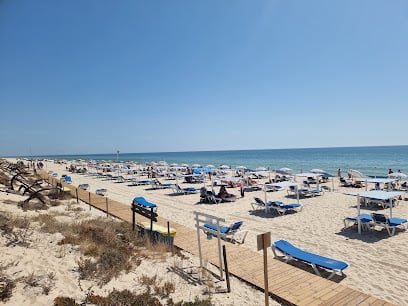
Algarve's beaches are a major attraction. Lagos is surrounded by coves like Praia da Ponta da Piedade and Meia Praia, known for their rock formations and clear waters. Praia do Vau and Praia da Rocha near Portimão are popular and welcoming. Many beaches are family-friendly during the day and attract a mixed LGBTQ+ crowd in peak summer. While there are no officially designated nude or explicitly gay beaches, some quieter coves may attract a more alternative crowd. Discretion is advisable in smaller, more conservative towns.
Where to Stay
Accommodation options range from luxury hotels to guesthouses and rentals. Albufeira provides the most tourist infrastructure and LGBTQ+-friendly lodging. Many hotels explicitly welcome LGBTQ+ guests. Lagos offers charming inns and beachfront hotels for a quieter stay. Vilamoura features resort-style accommodations. Booking directly with LGBTQ+-owned or certified LGBTQ+-friendly properties can enhance the experience. Most accommodations are reasonably priced by Western European standards.
The Algarve's cuisine focuses on fresh seafood, grilled fish, and traditional Portuguese dishes. Albufeira's Old Town and waterfront offer a range of dining options, many of which are popular gathering spots and LGBTQ+-friendly. Lagos has excellent restaurants in its historic center. Signature regional dishes include piri piri chicken, grilled sardines, and percebes. Local wines are also a highlight.
The region's natural landscape provides numerous outdoor activities. Hiking trails along coastal cliffs offer scenic views, with the Seven Hanging Valleys Trail near Lagos being a popular choice. Water sports such as kayaking and paddleboarding are widely available. The Monchique Mountains provide opportunities for hiking and exploring the countryside. Day trips to Lagos for beaches, Silves for its historic castle, or Loulé for its market are popular. Faro, the regional capital, has museums and historic sites.
Most visitors arrive via Faro Airport. Rental cars offer the most flexibility for exploring the region. Buses connect coastal towns, and within Albufeira, the Old Town is easily walkable. Taxis and ride-share apps are available in major towns.
Portugal is generally safe for LGBTQ+ travelers, with strong legal protections and a progressive society. While smaller towns may be more conservative, overt hostility is unusual. Public displays of affection are generally safe in resort areas, though discretion is advised in very small villages as a gesture of respect. Healthcare is excellent. English is widely spoken in tourist areas, but learning basic Portuguese phrases is beneficial.
Summer (June-September) offers warm weather and peak events but also crowds and higher prices. May and October provide warm weather with fewer crowds and lower prices, though some venues may have reduced hours. Winter (November-February) is quiet, affordable, and mild, suitable for sightseeing, but with reduced nightlife and seasonal closures. March-April and September-October offer a balance of weather, crowds, and prices. The Algarve appeals to LGBTQ+ travelers seeking natural beauty, affordability, and genuine hospitality, rather than a concentrated gay scene.
Portugal is one of Europe's most progressive countries regarding LGBTQ+ rights, with same-sex relations decriminalized in 1983 and same-sex marriage legal since 2010. The Algarve's scene is increasingly visible and welcoming.
Albufeira is the primary gay hub, with bars and restaurants in its Old Town. Lagos also has welcoming venues, though fewer dedicated gay establishments compared to Albufeira.
Praia da Falésia, east of Albufeira, has become an unofficial gay beach, particularly popular during summer weekends. The beaches surrounding Lagos also attract gay travelers.
The scene is more oriented toward relaxed bar culture and beach socializing than clubbing. Albufeira has several dedicated bars like Kiss Bar, and larger clubs occasionally host gay nights during summer months.
While the guide mentions larger clubs occasionally host gay nights particularly around Pride season, specific dates for Pride events in the Algarve are not provided.
Lagos has fewer dedicated gay venues than Albufeira. However, its compact old town features galleries, restaurants, and boutiques alongside welcoming venues.
Your privacy choices.
We use cookies to run GayOut and, with your consent, measure usage. Learn more
Your privacy choices
We use cookies to keep GayOut running, remember your preferences, and (with your permission) measure how the site is used. You can accept all, reject all, or pick what you allow. Learn more
Essential
Required for sign-in, fraud prevention, CSRF protection and remembering your language. Cannot be disabled.
Always on
Remembers your favourites, dark mode and other interface preferences across visits.
Helps us understand which pages people visit (Google Analytics, server-side stats) so we can improve.
Used by campaign tracking pixels. None are active right now, reserved for future use.
Install GayOut
Add GayOut to your home screen for faster access, offline favourites, and Pride alerts.



 Gay Beaches
(10361)
Gay Beaches
(10361)





