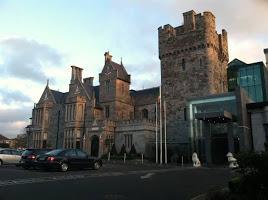
Legal but socially conservative. Bucharest is welcoming with a visible scene and a large June Pride; discretion advised outside the capital. No partnership/marriage recognition despite a 2023 ECHR ruling. Trans legal gender change possible but court-based with no clear framework.
Never miss a gay event in Bucharest
One email a week — the weekend lineup, parties and deals. No spam, unsubscribe anytime.
Weekly event updates. Notifications appear on your lock screen.
On iPhone: first add GayOut to your Home Screen (Share → Add to Home Screen), then open it from there to enable notifications.
The biggest gay club / gay bar in Bucharest and Romania with plenty of dance music. Mixed reviews, rather expensive but with some wild themed nights.Well-known as a place where money can buy love.
A welcome new edition to the limited gay bar scene in Bucharest. Small, classy and intimate with lesbian, bear and karaoke nights just to name a few. Let’s hope there is more like this to come!
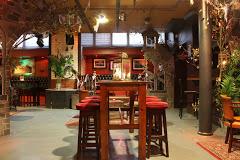
A hip pub with terrace and live music. Has gay nights / queer parties which are some of the best in Bucharest. Relaxed with some of Bucharest’s best DJ’s.
Just 300 m from the historic centre of Bucharest and the Lipscani District with vibrant night life, X Hostel is 450 m from Unirii Square Subway, and offers easy access to the airport shuttle.
The Zava Boutique Hotel is housed in a historical building from 1911 right in the heart of Bucharest and offers you rooms with attached bathroom with cable TVs and free internet access.
Funky and colorful design with a great pool area and spa. Located 10 minutes from the city center you can always get around with a ride-share app, and the savings make it worthwhile for the price.
Bucharest, Romania's capital and largest city, represents an evolving destination for LGBTQ+ travelers exploring Central and Eastern Europe. While not yet established as a major gay tourism hub like Budapest or Prague, the city has seen gradual development of its queer scene over the past 15-20 years, reflecting broader social changes among its younger, urban population.
HISTORY OF THE LGBTQ+ SCENE
Romania decriminalized homosexuality in 2001, making it a relatively recent milestone compared to Western Europe. However, social acceptance has lagged behind legal changes. Bucharest, as Romania's largest city and cultural center, has naturally developed the most visible LGBTQ+ presence. The first Bucharest Pride march took place in 2005 but remained small and faced significant opposition. Pride celebrations grew progressively through the 2010s, with attendance and visibility expanding notably after 2015. The annual event now draws thousands of participants and supporters, though it still requires substantial police presence due to counter-protests from conservative and religious groups.
The community remains somewhat fragmented and cautious compared to Western European cities, with many LGBTQ+ Romanians keeping private lives separate from public presentation. However, Bucharest's cultural institutions, younger demographic, and international influences have created pockets of visible gay life, particularly in the city center.
NEIGHBORHOODS AND AREAS
The Old Town (Lipscani) remains the geographical and social heart of Bucharest's LGBTQ+ scene. This historic district, with its 18th and 19th-century buildings, winding streets, and restored façades, contains the majority of gay-friendly bars and venues. The area thrives with restaurants, cafes, and nightlife, and walking through reveals a youthful, progressive atmosphere quite different from other city neighborhoods.
Downtown Bucharest (the area around Piata Romana and towards the University) contains additional gay-friendly establishments and accommodations. This neighborhood features a mix of pre-Communist architecture, Soviet-era buildings, and modern developments. The University area attracts a younger crowd and has an intellectual, alternative bent.
The Dorobanți neighborhood, north of downtown, contains some higher-end accommodations and restaurants with a more upscale feel, though fewer explicitly gay venues.
VENUES AND NIGHTLIFE
Bucharest's gay scene remains concentrated in relatively few venues compared to larger Western European cities. The main dedicated venues are Q Club, which bills itself as the biggest gay club in Romania, plus Thor's Hammer Gay Bar and IUB Bar, both on Strada Blanari in the Old Town; mainstream spots such as Control Club are gay-friendly and host queer nights, especially around Pride. Historically, bars and clubs in the Old Town have been the mainstay of the scene. Some establishments are explicitly marketed as gay venues, while others are gay-friendly without being exclusively gay.
The city has occasional drag shows and themed parties, typically announced through social media and local LGBTQ+ channels. Weekend nights see the most activity, particularly Thursday through Sunday.
Bucharest has one dedicated gay sauna, Soho, near Piata Unirii - by most accounts the only gay sauna in Romania, with wet and dry saunas, a jacuzzi and a bar. Information about these is typically available through gay travel guides or local LGBTQ+ community connections rather than mainstream marketing.
Bucharest Pride, held annually in June and organised by the ACCEPT Association, represents the city's biggest LGBTQ+ celebration. The event includes a parade through central Bucharest, drawing around 30,000 participants in 2025 and 2026. Pride has become increasingly visible and accepted, though it remains controversial among Romania's larger conservative population. The parade requires substantial police presence and encounters regular counter-protests.
Beyond Pride, Bucharest hosts occasional international DJ events and circuit parties, though these are less frequent than in neighboring Hungary or Czech Republic. Some travelers from Bucharest travel to nearby Pride events in Budapest or other regional cities.
WHERE TO STAY
The Old Town offers the most convenient base for LGBTQ+ travelers, with numerous hotels and hostels within walking distance of gay-friendly venues. Hotels in this area range from budget to luxury options. The area buzzes with nightlife until late, so visitors should expect noise levels accordingly.
Downtown and near Piata Romana offer alternative accommodation with somewhat quieter surroundings while remaining central. Public transport connects all neighborhoods efficiently.
Accommodations are significantly cheaper than Western European cities at all price points. Airbnb, Booking.com, and local hotel websites offer reliable options. Gay-specific accommodation platforms have limited listings but are worth checking.
Bucharest has an extensive and inexpensive public transportation system including metro, trams, and buses. The metro connects major neighborhoods and runs until around 11 PM. Night buses operate for late-night transit. Taxis and ride-sharing apps (Uber and local alternatives) are widely available and affordable.
The city center, particularly Old Town and Downtown, is highly walkable. Most LGBTQ+ venues and accommodations cluster in central areas requiring minimal transit.
International flights arrive at Henri Coandă International Airport (OTP), about 16 km from central Bucharest. Buses, shuttle services, and taxis connect the airport to the city center efficiently and inexpensively.
SAFETY CONSIDERATIONS
Bucharest is generally safe for tourists, including LGBTQ+ travelers, in central areas and during daylight hours. The city experiences typical urban crime like pickpocketing in crowded areas, requiring standard urban awareness. Violent crime against tourists is uncommon.
For LGBTQ+ travelers specifically: Bucharest's central areas and tourist zones are noticeably progressive and welcoming. Holding hands or public displays of affection between same-sex couples occur without incident in these areas, particularly among younger crowds. However, outside central Bucharest and in residential neighborhoods, conservative attitudes persist. Public displays of affection are best reserved for clearly gay-friendly venues and central tourist areas.
It's advisable to avoid discussing LGBTQ+ topics extensively with unfamiliar locals outside touristy areas, as opinions vary widely. Instances of harassment are uncommon for tourists but more likely for Romanian LGBTQ+ residents. Political and social discussions about LGBTQ+ rights may encounter resistance given Romania's conservative broader population.
Using standard travel safety practices—avoiding excessive display of valuables, not walking alone very late in unfamiliar areas, using registered taxis or apps—applies as in any major city.
FOOD AND DINING
Bucharest's restaurant scene is diverse and inexpensive by Western standards. The Old Town contains numerous restaurants ranging from traditional Romanian cuisine to international options. Gay-friendly restaurants scatter throughout central areas, though most establishments welcome LGBTQ+ customers regardless of explicit branding.
Traditional Romanian dishes include mici (grilled meat rolls), ciorbă (sour soup), and mămăligă (polenta-like dish). International cuisine is readily available, particularly in central neighborhoods.
Café culture thrives in Bucharest, with numerous coffee shops and casual dining spots ideal for socializing and people-watching.
DAY TRIPS AND NEARBY ATTRACTIONS
Bucharest's location provides access to several day-trip destinations. Sinaia, about 140 km north, features Peleș Castle, a stunning royal residence set in mountain scenery, accessible by train or car in roughly 2 hours. Brașov, further north, offers a charming medieval Old Town surrounded by Carpathian mountain scenery.
Within Bucharest itself, attractions include the Palace of Parliament (world's second-largest government building), the Old Town's historic streets, and various museums. Cișmigiu Gardens provides green space in central areas.
PRACTICAL INFORMATION
Romania uses the Romanian Leu (RON) as currency. ATMs are widely available. Credit cards work in most establishments, though cash remains useful for smaller venues. Accommodation and dining are significantly cheaper than Western Europe—meals at casual restaurants cost $3-8 USD, accommodation $25-60+ USD nightly.
Language: Romanian is the official language. English is increasingly spoken by younger people and in tourist areas, but less common among older residents or outside central zones. Basic phrases in Romanian are appreciated by locals.
Visas: EU, US, Canadian, and most developed-country citizens receive 90-day visa-free entry to Romania as EU member state.
COMMUNITY RESOURCES
LGBT-oriented websites and social media pages provide current information about Bucharest's scene, including venue listings and event announcements. Grindr and other dating/hookup apps function in Bucharest and reveal a modest but present local community. Local LGBTQ+ organisations - chiefly the ACCEPT Association (founded 1996, organiser of Bucharest Pride) and MozaiQ - work on advocacy and community building, though resources aimed specifically at tourists are limited compared to Western European cities.
CONCLUSION
Bucharest offers LGBTQ+ travelers an opportunity to experience a developing European queer scene in a culturally rich, affordable capital city. The scene remains smaller and more cautious than established gay tourism destinations, but is growing steadily. Central Bucharest is welcoming and progressive, with good infrastructure for travelers. It suits those interested in exploring beyond Western Europe's established gay destinations and experiencing contemporary LGBTQ+ life in an evolving Eastern European context.
Frequently asked questions
Bucharest's LGBTQ+ scene is developing, but Romanian society remains predominantly conservative, especially outside the capital. While the Old Town and Centru areas are considered safer and more developed, it's advisable to be aware of your surroundings.
The Old Town (Lipscani) is the heart of Bucharest's gay social scene and the primary destination for LGBTQ+ visitors. This historic district contains most gay venues and is vibrant and walkable.
Bucharest Pride is held annually in June, organised by the ACCEPT Association. It includes a festival week of cultural events followed by a large Pride march through central Bucharest, which drew around 30,000 participants in 2025.
Bucharest has a small but dependable core of dedicated venues: Q Club (the largest gay club in Romania), Thor's Hammer Gay Bar and IUB Bar (both on Strada Blanari in the Old Town), plus the men-only Soho gay sauna. Mainstream venues such as Control Club are also gay-friendly and host queer nights.
Yes, many mainstream clubs and bars in the Old Town and Centru areas are LGBTQ+-friendly and host themed nights. The broader nightlife scene is lively and caters to diverse tastes and sexual orientations.
Bucharest's gay scene emerged cautiously in the early 2000s and has developed steadily, though it remains small compared to Western European cities.
Your privacy choices.
We use cookies to run GayOut and, with your consent, measure usage. Learn more
Your privacy choices
We use cookies to keep GayOut running, remember your preferences, and (with your permission) measure how the site is used. You can accept all, reject all, or pick what you allow. Learn more
Essential
Required for sign-in, fraud prevention, CSRF protection and remembering your language. Cannot be disabled.
Always on
Remembers your favourites, dark mode and other interface preferences across visits.
Helps us understand which pages people visit (Google Analytics, server-side stats) so we can improve.
Used by campaign tracking pixels. None are active right now, reserved for future use.
Install GayOut
Add GayOut to your home screen for faster access, offline favourites, and Pride alerts.


 Gay Bars & Clubs
Featured
(795)
Gay Bars & Clubs
Featured
(795)