Timisoara
🇷🇴

Europe / Romania

Gay Timisoara 2026

LGBTQ+ Travel Guide & City Directory

Never miss a gay event in Timisoara
One email a week — the weekend lineup, parties and deals. No spam, unsubscribe anytime.

Gay Bars & Clubs in Timisoara

Gay-Friendly Hotels in Timisoara

View all 11 →

Where to stay in Timisoara

via Stay22
Where to stay in Timisoara
Loading map…
Flights to Timisoara New York → OTP from $650

🎟️ Tours & Experiences in Timisoara

via GetYourGuide

Skip-the-line tickets, walking tours, day trips and unique LGBTQ+ friendly experiences — booked instantly with free cancellation.

Travel Guide

Gay Timisoara — Your Complete Guide

Everything worth knowing before you go.

Gay venues
12
LGBTQ+ status
Welcoming
In this guide · 13 sections

Timisoara: A Progressive Oasis in Western Romania

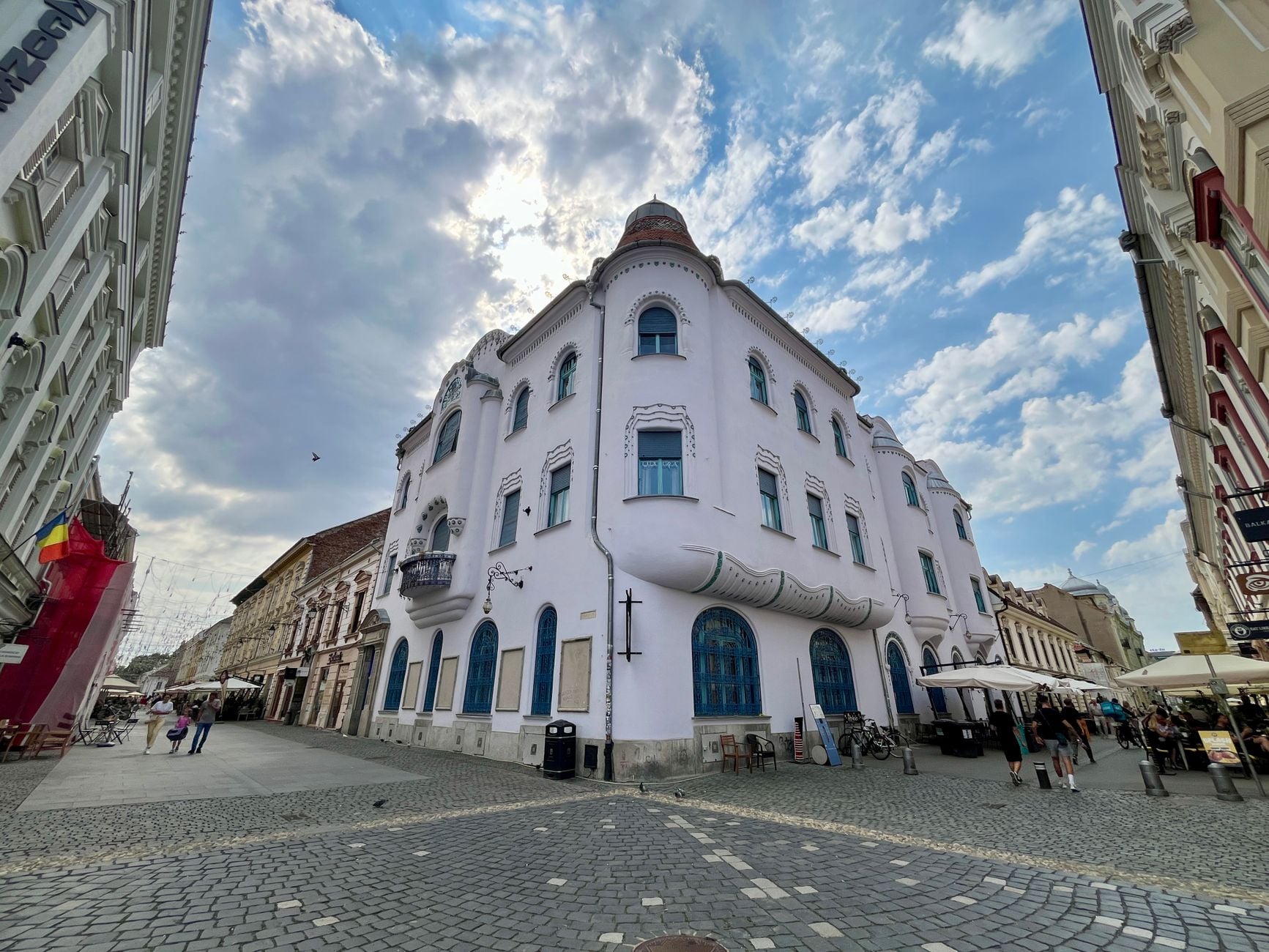
Timisoara holds a unique position in Romania's LGBTQ+ landscape. As the capital of Timis County and the largest city in the Banat region, it has historically been more cosmopolitan than much of Romania due to its Austro-Hungarian heritage and proximity to Western Europe. The city's LGBTQ+ community, while smaller than those in Bucharest or Cluj-Napoca, is notably active and increasingly visible.

Historical Context and Modern Scene

Romania's relationship with LGBTQ+ rights has evolved considerably since the fall of communism. Homosexuality was decriminalized in 2001, and age of consent was equalized in 2002, making Romania technically compliant with EU standards on paper. However, social attitudes, particularly outside major urban centers, remain conservative due to strong Orthodox Christian influences. Timisoara distinguishes itself through its relatively progressive populace and visible LGBTQ+ presence, particularly among younger residents and the artistic community.

The modern gay scene in Timisoara emerged gradually during the 2000s and 2010s, with growing visibility through Pride events and community organizations. Unlike Bucharest's more developed infrastructure, Timisoara's scene centers on a tight-knit community where word-of-mouth and social connections matter significantly.

Neighborhoods and Orientation

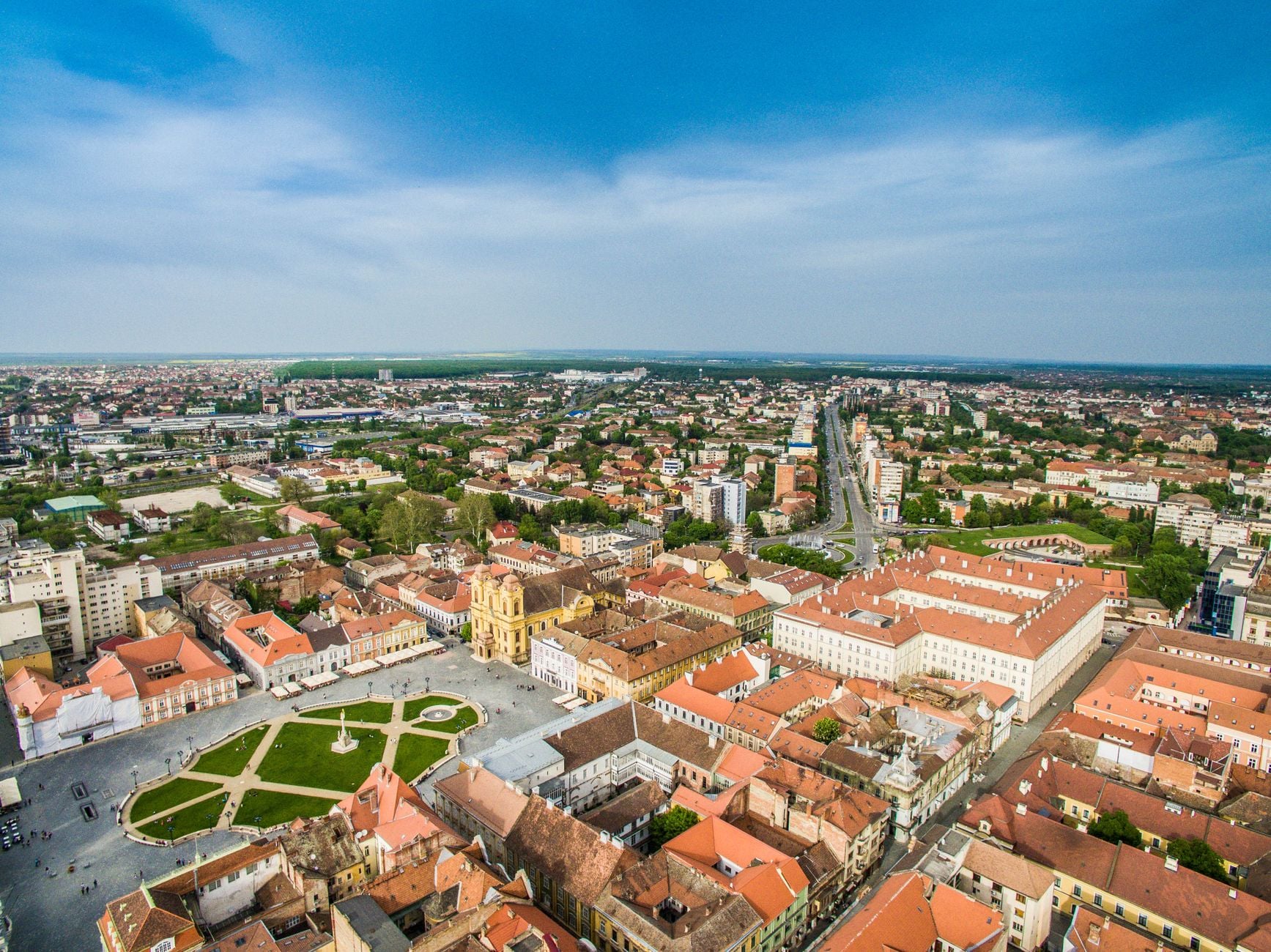
Timisoara's city center, particularly the area around Piata Libertatii (Liberty Square) and extending toward the Danube-Black Sea Canal, forms the heart of social activity. This historic district features the cathedral, museums, and most restaurants and cafes frequented by locals. The neighborhoods immediately surrounding the center—particularly areas west and northwest toward the parks—contain residential areas and some venues.

Piata Unirii (Union Square) and Piata Domului (Cathedral Square) nearby are iconic meeting points with good visibility. The Bega River, which flows through the city, provides scenic walking routes popular with residents. Proximity to these central areas is advantageous for gay travelers, as navigating beyond the immediate center offers fewer dedicated LGBTQ+ venues.

Venues and Nightlife

Timisoara's gay venues are limited compared to major European cities, but several establishments cater to or welcome the LGBTQ+ community. The bar scene is concentrated downtown, with several gay-friendly cafes and bars scattered throughout the center. Many gay Timisoara residents socialize at bars and cafes that are not exclusively gay but known to be welcoming.

Weekend social gatherings often revolve around informal meetups at central cafes and bars, particularly those with outdoor seating on main squares. Some venues host occasional themed nights or parties, though these are advertised primarily through local social networks and LGBTQ+ community pages rather than mainstream promotion.

Clubs catering to LGBTQ+ crowds occasionally feature gay nights, typically on weekends. However, schedules vary and change frequently, so checking with local LGBTQ+ organizations or online community forums before arrival is essential. During Pride season (typically June), temporary venues and special events expand the scene considerably.

Pride and Events

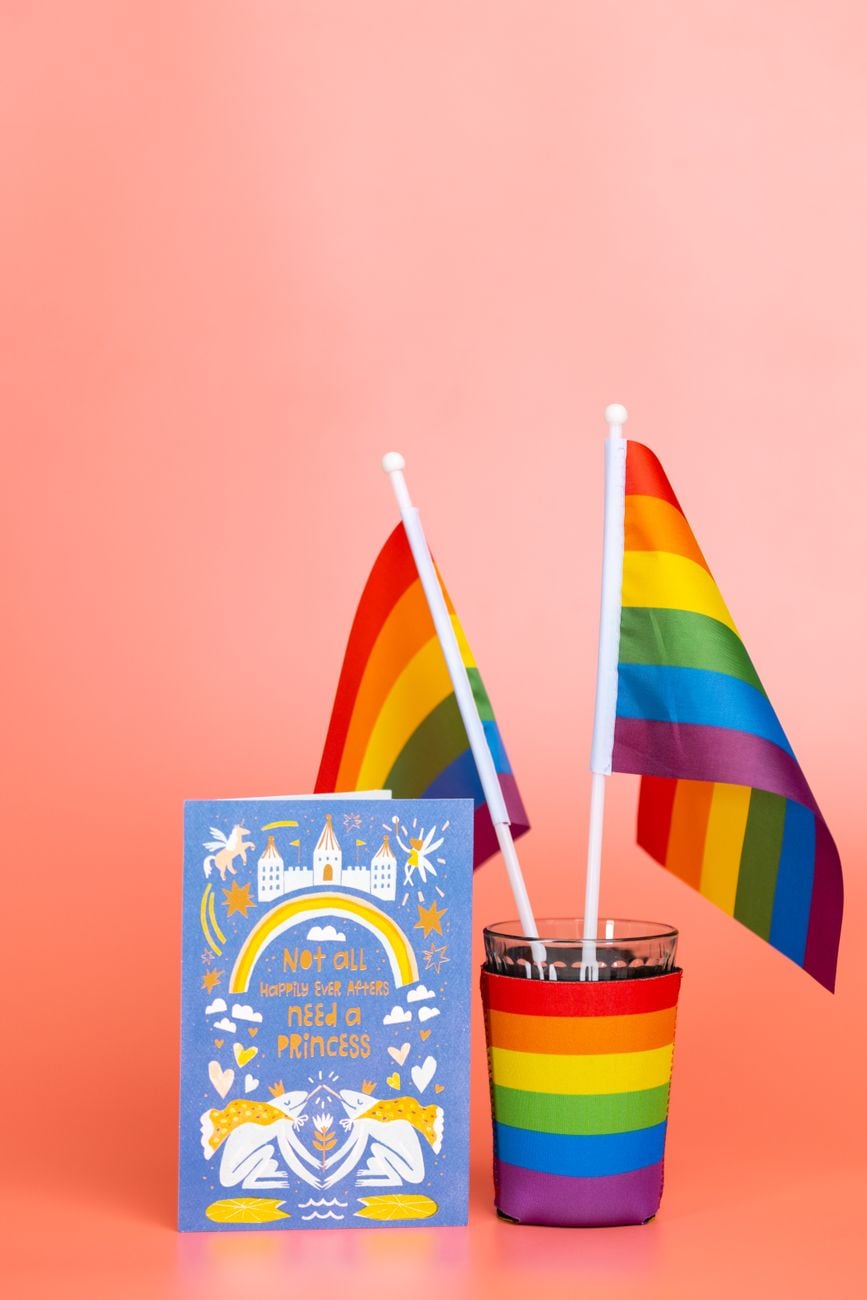
Timisoara Pride typically occurs in June, though exact dates vary by year. The event has grown substantially over the past decade, transforming from a small gathering into a more visible celebration with marches, cultural events, and performances. Local LGBTQ+ organizations coordinate activities, and community members actively promote visibility during this period. Pride in Timisoara attracts both local participants and visitors from surrounding regions and neighboring countries.

Beyond Pride, the community organizes film screenings, cultural events, and awareness campaigns throughout the year. These are often advertised through local LGBTQ+ Facebook groups and community organizations, so travelers should connect with these networks upon arrival for current information.

Where to Stay

Accommodation options in Timisoara range from budget hostels to mid-range hotels and upscale establishments. Many gay travelers choose centrally located hotels near Piata Libertatii for easy access to social venues and attractions. Several hostels welcome LGBTQ+ guests explicitly and serve as informal hubs for meeting other travelers and locals.

Airbnb and other short-term rental platforms offer numerous options throughout the center, often providing better value than hotels. Staying within the historic center ensures walkability and proximity to gay-friendly establishments, restaurants, and cultural sites.

Find gay-friendly hotels in Timisoara, romania
Real prices · Free cancellation · Verified bookings
Compare →

Safety Considerations

While Timisoara is significantly safer and more welcoming than many Romanian cities for LGBTQ+ travelers, Romania's overall social landscape requires realistic expectations. Public displays of affection between same-sex couples, while increasingly tolerated in the city center, may attract unwanted attention in some contexts. Most violence against LGBTQ+ people occurs outside major cities and typically involves specific risk situations rather than random street violence.

The city center is generally safe at night, with good lighting and reasonable foot traffic. Standard urban safety practices apply—avoiding isolated areas late at night and being aware of surroundings. Discrimination in service (restaurants, hotels, bars) is relatively uncommon in Timisoara's progressive establishments, though it can occur elsewhere.

Travelers should avoid public displays of affection in less central or more conservative neighborhoods. However, holding hands or showing moderate affection in the city center and gay-friendly venues is typically safe and increasingly normalized among younger residents.

Transport and Navigation

Timisoara is highly walkable, with most attractions and social venues accessible on foot from the city center. Public transportation includes buses and trams, which are affordable and reliable for reaching areas outside the immediate center. Taxis are readily available and inexpensive; using official apps like Uber or Bolt is advisable for safety and fare transparency.

The city's layout is relatively intuitive, with main squares and landmarks easily identifiable. Maps and GPS navigation work well throughout Timisoara. For day trips to nearby attractions, buses connect to surrounding towns and natural areas.

Food and Dining

Timisoara's culinary scene reflects its multicultural heritage, with excellent Romanian, Hungarian, and Serbian cuisine available throughout the center. Gay-friendly restaurants and cafes are concentrated downtown, many occupying historic buildings with pleasant outdoor seating. The city is known for its coffee culture, with numerous cafes serving as social hubs.

Local specialties include banatian cuisine, featuring hearty meat dishes, fresh vegetables, and traditional preparations. International options are readily available in the center. Dining out is affordable compared to Western Europe, making restaurant exploration accessible.

Day Trips and Nearby Attractions

Timisoara's location offers excellent opportunities for regional exploration. The Danube River lies approximately 50 kilometers south, with scenic routes and small towns accessible by bus. The Carpathian Mountains are roughly 100 kilometers east, offering hiking and nature-based day trips.

Bogdandorf (Vracial) and other nearby villages showcase rural Banat culture and architecture. The Danube Delta, though further afield, represents one of Europe's most significant wetland ecosystems and is accessible via extended day trips or multi-day excursions.

Proximity to Hungary and Serbia facilitates border crossings for travelers wishing to explore neighboring countries. Budapest lies approximately 350 kilometers northwest, and Belgrade approximately 200 kilometers south, both accessible via bus or train. Many LGBTQ+ travelers use Timisoara as a base for regional exploration, combining time in the city with visits to these larger gay hubs.

Practical Information

Visas: EU/EEA citizens require only valid passports. Most other nationalities receive 90-day visa-free entry; travelers should verify current requirements with Romanian diplomatic services.

Currency: Romania uses the Romanian Leu (RON). ATMs are abundant throughout the city center; credit cards are accepted in most establishments. Cash remains useful for smaller venues and tipping.

Language: Romanian is the official language, with Hungarian and Serbian spoken by portions of the population due to historical demographics. English is increasingly spoken among younger people and in tourism-focused establishments. Learning basic Romanian phrases is helpful and appreciated by locals.

Health and Pharmacy: Healthcare is accessible and affordable. Pharmacies are abundant throughout the center, and many staff speak English. Prescription medications should be verified for legality before travel, as some substances prohibited in Romania are permitted elsewhere.

Community Connection

Connecting with Timisoara's LGBTQ+ community before or upon arrival enhances the travel experience significantly. Local Facebook groups, such as those organized by Pride committees or community centers, provide current information about events, venues, and social gatherings. These groups also facilitate connections with locals willing to provide recommendations and companionship.

Many travelers find that staying in gay-friendly hostels or using dating apps provides natural entry points to the community and local knowledge. Respectful engagement with locals and willingness to learn about community concerns and history create meaningful connections.

Conclusion

Timisoara offers LGBTQ+ travelers an authentic experience of Eastern European gay culture in a progressive, welcoming city. While the scene is smaller and differently structured than major Western European hubs, this creates opportunities for genuine community connection and exploration of a lesser-known destination. The city's architectural beauty, cultural offerings, and improving social attitudes make it an increasingly compelling choice for gay travelers seeking depth over scale.

Frequently asked questions

While Romania has decriminalized homosexuality, social attitudes can remain conservative outside major urban centers. Timisoara is known for its relatively progressive populace and visible LGBTQ+ presence, particularly among younger residents and the artistic community.

The city center, especially around Piata Libertatii and extending toward the Danube-Black Sea Canal, is the heart of social activity. Neighborhoods immediately surrounding the center, particularly west and northwest toward the parks, also contain some venues. Proximity to these central areas is advantageous.

The source guide mentions growing visibility through Pride events, but does not specify dates or frequency.

Timisoara's gay venues are limited compared to major European cities. The bar scene is concentrated downtown, with several gay-friendly cafes and bars scattered throughout the center. The scene centers on a tight-knit community.

The source guide does not mention specific LGBTQ+ friendly hotels. It suggests that proximity to the city center is advantageous for gay travelers, as navigating beyond the immediate center offers fewer dedicated LGBTQ+ venues.

Timisoara's LGBTQ+ community is smaller than in Bucharest or Cluj-Napoca, but it is notably active and increasingly visible. The modern scene emerged during the 2000s and 2010s, with a focus on a tight-knit community where social connections matter significantly.

Cities like Timisoara

Gay Timisoara on YouTube

Videos representative of Romania

How Gay is Bucharest? 🌈(Gay Travel) | Patrick Marano

How Gay is Bucharest? 🌈(Gay Travel) | Patrick Marano

Know a great venue in Timisoara?

Help the community by adding it to our directory — it's free and reviewed within 48 hours.

Gay Timisoara — Interactive Map

Stay in the Loop

Get the latest LGBTQ+ events and venue openings in your inbox.

Enter your email to receive Pride event updates and new-venue alerts.

Already a subscriber? Unsubscribe

Your privacy choices. We use cookies to run GayOut and, with your consent, measure usage. Learn more