Serbia scores in the safe-to-visit range for LGBTQ travellers. Same-sex activity is legal with an equal age of consent and anti-discrimination protections exist, but there is no partnership or marriage recognition. Belgrade has a visible scene and an annual Pride (it hosted EuroPride 2022); public attitudes are conservative, so discretion with public affection is sensible.
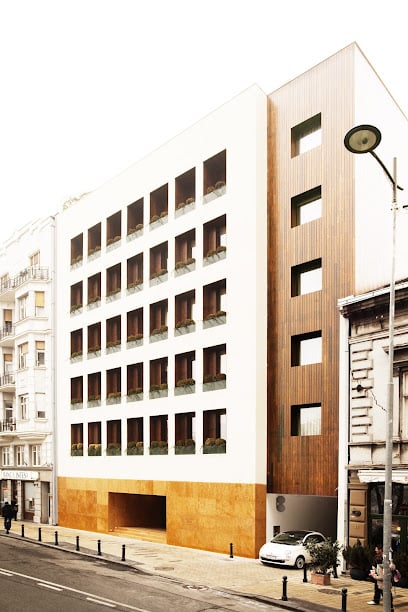
This imposing, upscale hotel dating back over 50 years is 6 minutes' walk from the Nikola Tesla Museum, 3 km from Kalemegdan Park and 4 km from the storied Belgrade Fortress.
Hotel Sumadija is a modern, four-star business hotel awarded for quality. It's ideally located both for business and leisure travelers and is perfect for corporate events.
Serbia's approach to LGBTQ+ rights has shifted significantly. Homosexuality was decriminalized in 1994, and anti-discrimination laws were enacted in the 2000s. Belgrade Pride, which began as a small event in 2001, is now an annual fixture, though its early years saw considerable opposition. While the scene was largely underground in the 1990s and early 2000s due to post-war conservatism, it has become more visible, particularly among younger, urban residents.
Today, Belgrade supports an LGBTQ+ community that is most active among individuals aged 18–40, artists, students, and international visitors. Same-sex relationships are legal, but public displays of affection between same-sex couples are less common outside central Belgrade and university districts, reflecting broader societal attitudes.
Key Neighborhoods and Areas
The primary areas for LGBTQ+ social life are Stari Grad (Old Town) and Vračar, with venues and nightlife spread across central Belgrade. Stari Grad, the historic core, offers bars, restaurants, and cafes that welcome diverse patrons. Vračar, an affluent residential area, also hosts several LGBTQ+-friendly establishments. The Danube waterfront and the Žarkovo district have gained popularity for weekend gatherings.
Central Belgrade is largely walkable, with public transport connecting neighborhoods. The city center, including Republic Square, Knez Mihailova Street, and the fortress area, generally feels welcoming.
Venues and Social Spaces
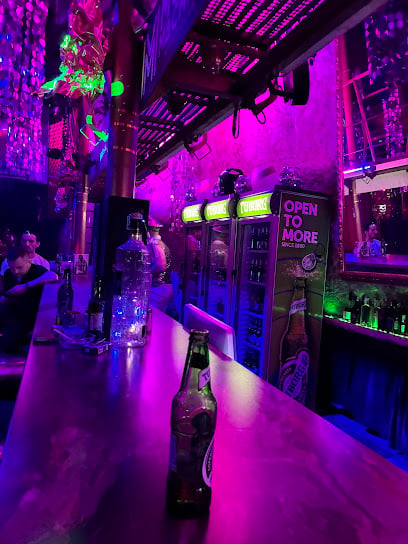
Belgrade's dedicated LGBTQ+ venue scene is smaller than in larger European cities, and establishments can change. Historically, cafes and bars have served as informal gathering spots. The city has seen gay clubs operate sporadically, often through themed nights rather than permanent fixtures. Some venues attract mixed crowds but have a notable LGBTQ+ presence.
For current venue and event information, local LGBTQ+ social media groups and apps are the most effective resources. Several bars and cafes in the Old Town and central areas are known to be LGBTQ+-friendly. Summer outdoor venues along the Danube often host mixed social events.
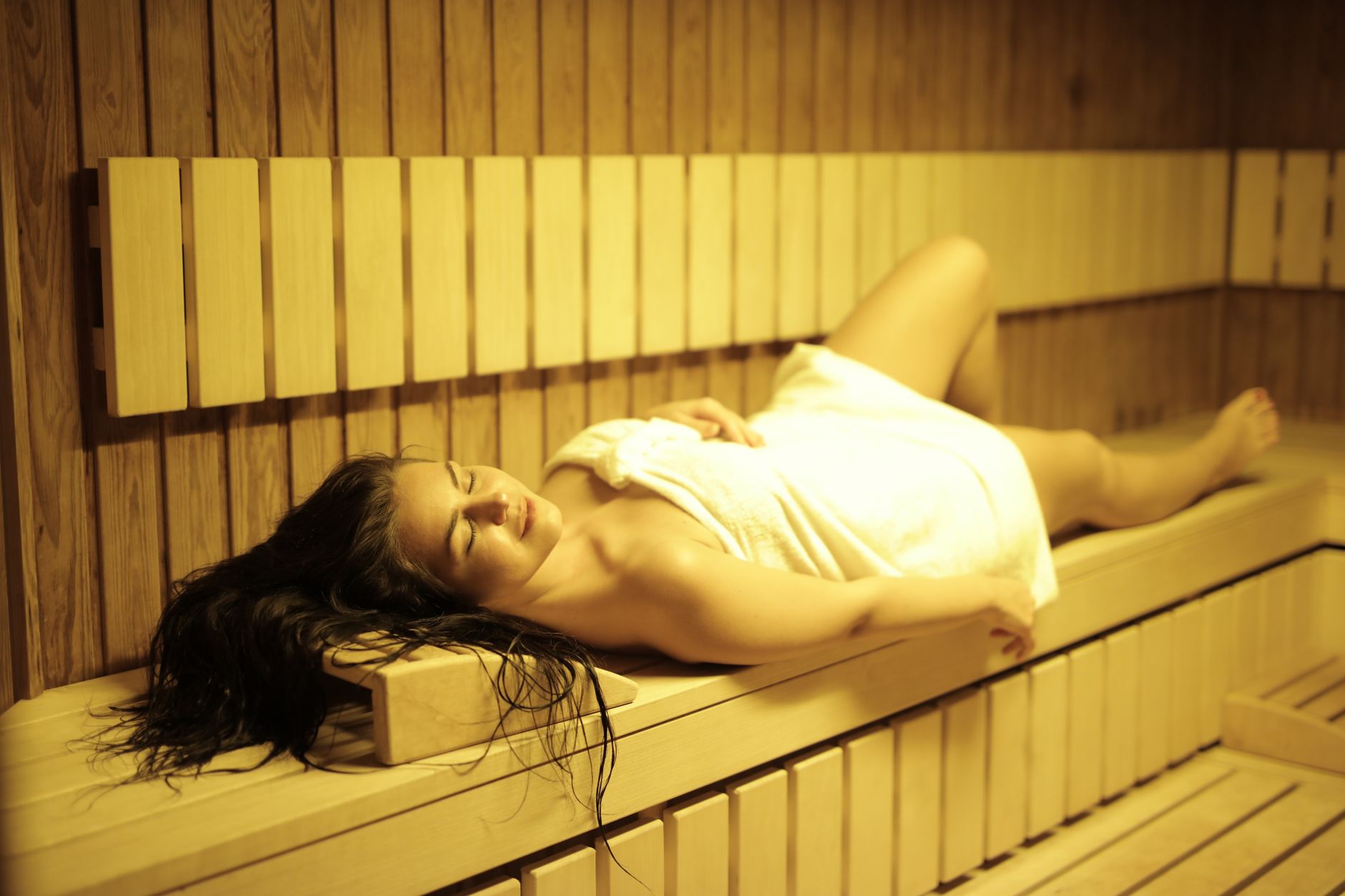
Information on saunas should be sought through current local apps and community recommendations, as details and operations can change frequently.
Belgrade Pride and Events
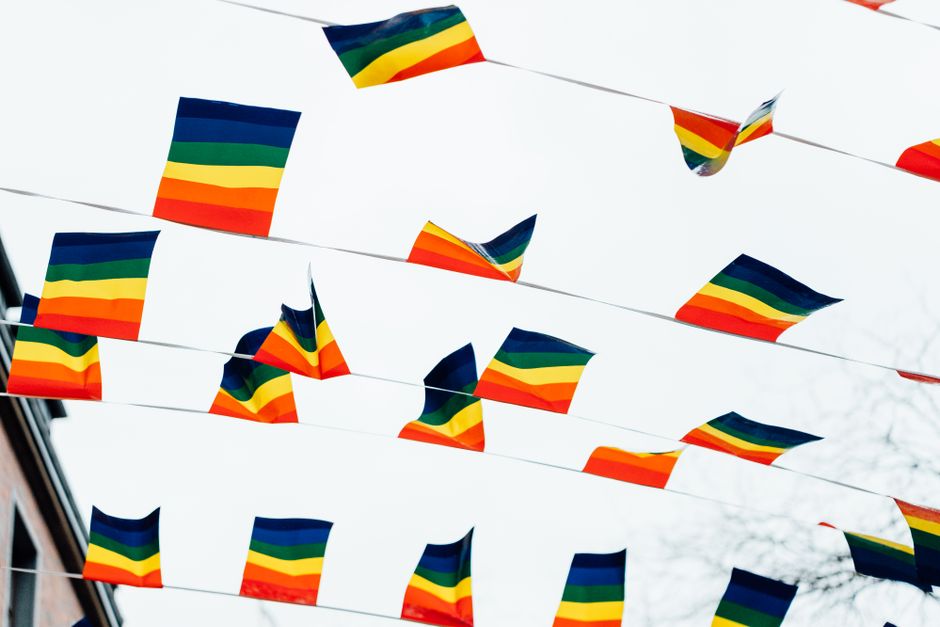
Belgrade Pride takes place annually in September, marking the city's most prominent LGBTQ+ event. It typically includes a parade, cultural programs, and social gatherings. Attendance has grown substantially, with thousands participating in recent years. While counter-protests from conservative groups still occur, the event is police-protected and has become a recognized part of the city's calendar.
Throughout the year, the LGBTQ+ community organizes film festivals, art exhibitions, theater, and smaller club nights, often promoted via social media. Winter Pride events sometimes occur around New Year, and Pride film festivals have become established annual occurrences.
Accommodation Options
Staying in central Belgrade neighborhoods is recommended for convenience. Stari Grad and its surroundings provide hotels, hostels, and apartment rentals close to social and cultural venues. Vračar offers more upscale hotel choices. The Danube waterfront and Čukarica are also developing areas with accommodation.
Hostels in Stari Grad often attract an international, younger crowd. Mid-range hotels in the city center are generally welcoming to same-sex couples. Major hotel chains typically have non-discrimination policies. Airbnb and other apartment rental platforms are widely available.
Belgrade is generally safe for LGBTQ+ travelers who take standard urban precautions. Central Belgrade, particularly tourist areas and among younger, educated populations, tends to be more open. However, outside the city center, more traditional attitudes may prevail, and discretion with public displays of affection is advised. Travelers should be aware of their surroundings, as with any city.
While Serbia has no legal restrictions on same-sex relationships and has anti-discrimination laws, conversion therapy is not explicitly banned, and some family law protections are not fully equal. For tourists, social attitudes are a more significant consideration than legal risks.
The Serbian government has worked to improve LGBTQ+ protections, and younger society is increasingly accepting. Violent incidents targeting LGBTQ+ individuals in central Belgrade are rare for tourists, though general urban crime can occur.
Getting Around
Belgrade has a public transport system of trams, buses, and trolleybuses, which are affordable and generally reliable. The city center is walkable, with most LGBTQ+-friendly venues accessible on foot from central squares. Taxis are available and can be booked via apps for fare transparency. A single public transport ticket costs approximately 150 Serbian dinars. Day passes and travel cards are also available.
Food and Culture
Belgrade offers a diverse culinary scene. Traditional Serbian dishes like grilled meats and pastries are widely available. The city also has international restaurants, vegetarian options, and a growing cafe culture. Floating restaurants and bars along the Danube are popular weekend destinations.
The city is culturally rich, with museums, galleries, theaters, and street art. Music venues cater to various tastes, from classical to electronic. Notable cultural sites include the National Museum and the Nikola Tesla Museum.
Day Trips
Nearby destinations include Zemun, a historic town across the Danube, accessible by bus or boat. Fruška Gora National Park, about 50 kilometers north, offers hiking. The Danube gorge and towns like Golubac are options for longer excursions. These areas are more conservative than Belgrade, and discretion with public displays of affection is recommended.
Practical Tips
Learning a few basic Serbian phrases is appreciated, though English is increasingly spoken by younger people. The Serbian dinar is the currency; ATMs are common in central Belgrade. Most businesses accept cards, but some smaller ones prefer cash. Local SIM cards are inexpensive and useful for accessing event information via social media.
Connecting with the local LGBTQ+ community can be done through social media groups and apps.
Frequently asked questions
While Serbia maintains socially conservative attitudes in some communities, Belgrade as the capital is considerably more liberal and progressive. The visible LGBTQ+ community has grown noticeably, and Pride is an increasingly accepted event.
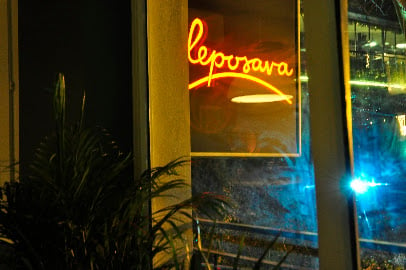
Belgrade has no single gay district. Most LGBTQ+ venues are in the central Stari Grad and Dorćol areas or a short taxi ride away. The main spots are Bar 54 (Smiley) and Mornar for drinks, Musk Machine as a men's cruise club, and Red Line, the city's gay sauna. Leposava is a good queer-friendly bar for early evenings.
Belgrade Pride is held annually in September and has grown significantly over the past decade. The celebration includes cultural programming, concerts, and educational events across several days.
Belgrade's gay scene centers on a small number of bars and clubs, often with a mix of local and international LGBTQ+ clientele. Dance clubs occasionally host gay-themed nights, particularly on weekends.
Connect with local LGBTQ+ groups online or upon arrival for current venue recommendations, as the scene is relatively fluid. Web platforms and social media groups focused on Belgrade LGBTQ+ events are reliable sources for current information.
Yes. Red Line on Zdravka Čelara is Belgrade's gay sauna and men's cruise club, and Ada Ciganlija has a naturist section with informal gay activity in summer. These operate discreetly, so check current opening hours and use the usual discretion.
Your privacy choices.
We use cookies to run GayOut and, with your consent, measure usage. Learn more
Your privacy choices
We use cookies to keep GayOut running, remember your preferences, and (with your permission) measure how the site is used. You can accept all, reject all, or pick what you allow. Learn more
Essential
Required for sign-in, fraud prevention, CSRF protection and remembering your language. Cannot be disabled.
Always on
Remembers your favourites, dark mode and other interface preferences across visits.
Helps us understand which pages people visit (Google Analytics, server-side stats) so we can improve.
Used by campaign tracking pixels. None are active right now, reserved for future use.
Install GayOut
Add GayOut to your home screen for faster access, offline favourites, and Pride alerts.




 Gay Bars & Clubs
(33)
Gay Bars & Clubs
(33)