Everything worth knowing before you go.
Ljubljana feels genuinely warm and accepting for LGBTQ+ travelers, even if it's smaller than other European capitals. Here’s what matters for your visit.
Slovenia decriminalized homosexuality in 1976, ahead of many neighbors. Civil partnerships arrived in 2006. In 2022, it became the first country in the former Yugoslavia to get full marriage equality, with the law taking effect in early 2023. Same-sex couples can adopt. Ljubljana's queer community is modest but has deep roots: the ŠKUC association started its Magnus (gay) section in 1984 and the Roza klub (lesbian section) in 1987 — among the first queer groups in Eastern Europe. Ljubljana Pride has run every year since 2002, and the city hosted EuroPride in 2021. This means a small but confident scene, reflecting Slovenian tolerance, especially among younger people.
The real core of Ljubljana's queer nightlife is Metelkova (Metelkova mesto). This autonomous cultural center, just north of the railway station, started in former Yugoslav army barracks. Now it's covered in street art, packed with alternative clubs and galleries. Klub Tiffany and Klub Monokel, the city's two dedicated LGBTQ+ clubs, are here.
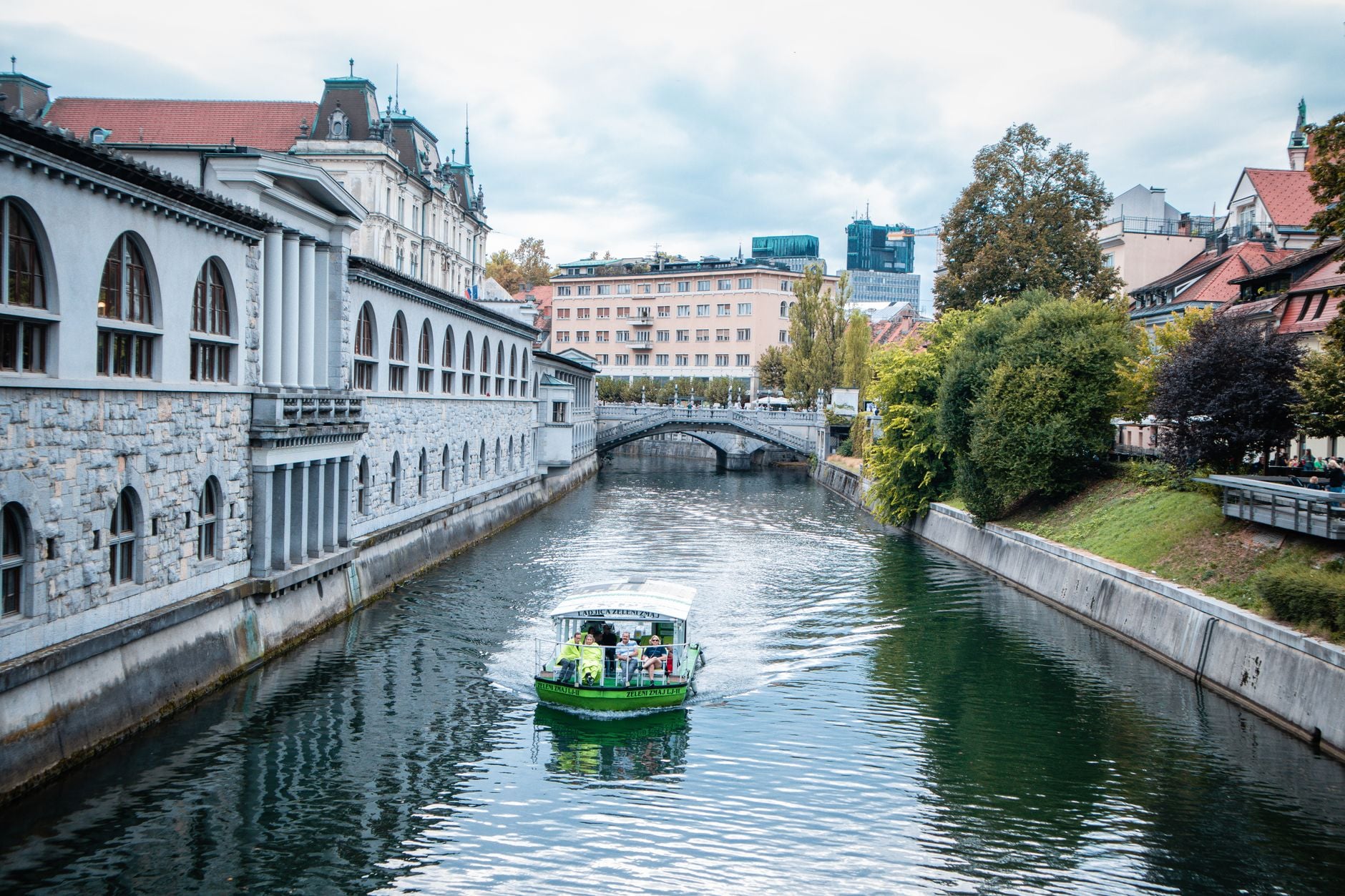
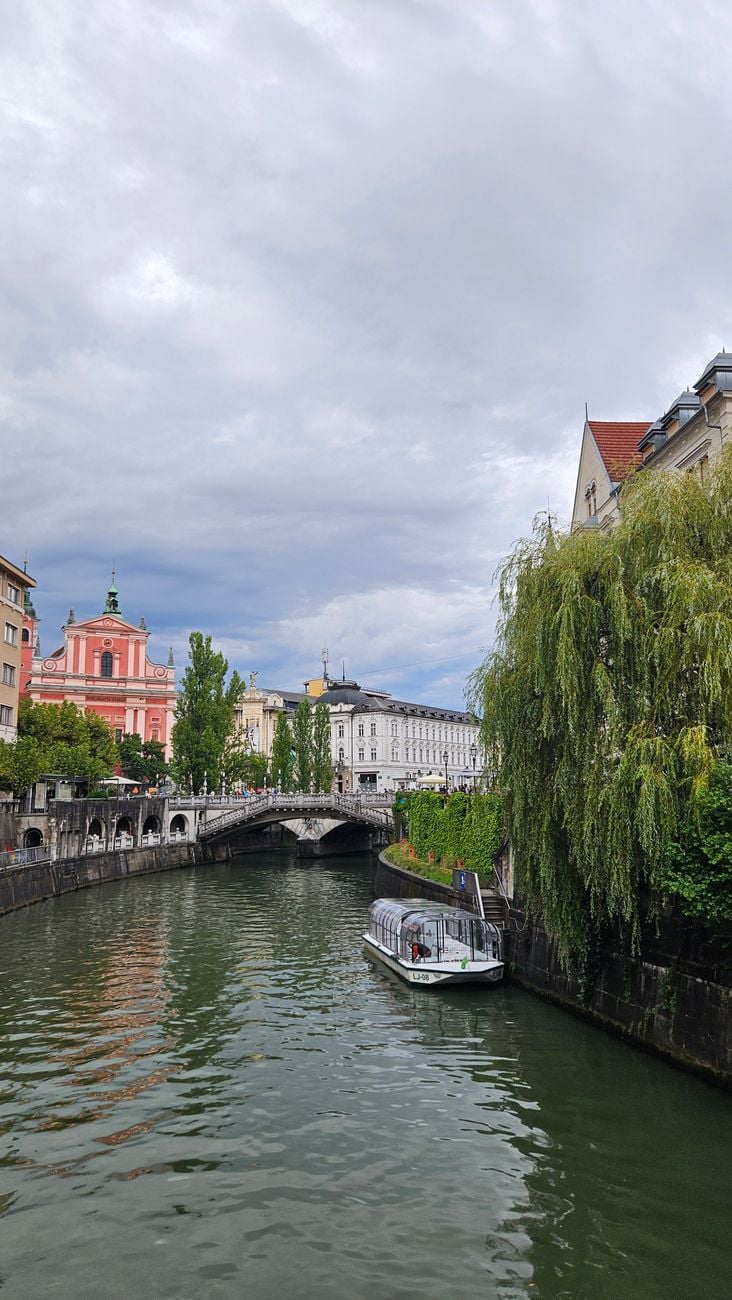
The Old Town (Staro mesto), around the Ljubljana River and Prešeren Square, is where people gather during the day and early evening. It's a pedestrian maze of cafes and bars where LGBTQ+ locals and visitors mix openly. The Šiška and Bežigrad areas, north of the center, are mostly residential but home to many LGBTQ+ residents and a younger, creative crowd.
Ljubljana's gay scene is compact but real. Klub Tiffany, in Metelkova, is the city's main gay club. Run by Kulturni center Q (part of ŠKUC), it puts on parties, DJ nights, and cultural events, mostly on weekends. In the same Metelkova building, Klub Monokel is one of the oldest lesbian and queer women's clubs in the Balkans, leaning electronic and techno. They form the scene's heart.
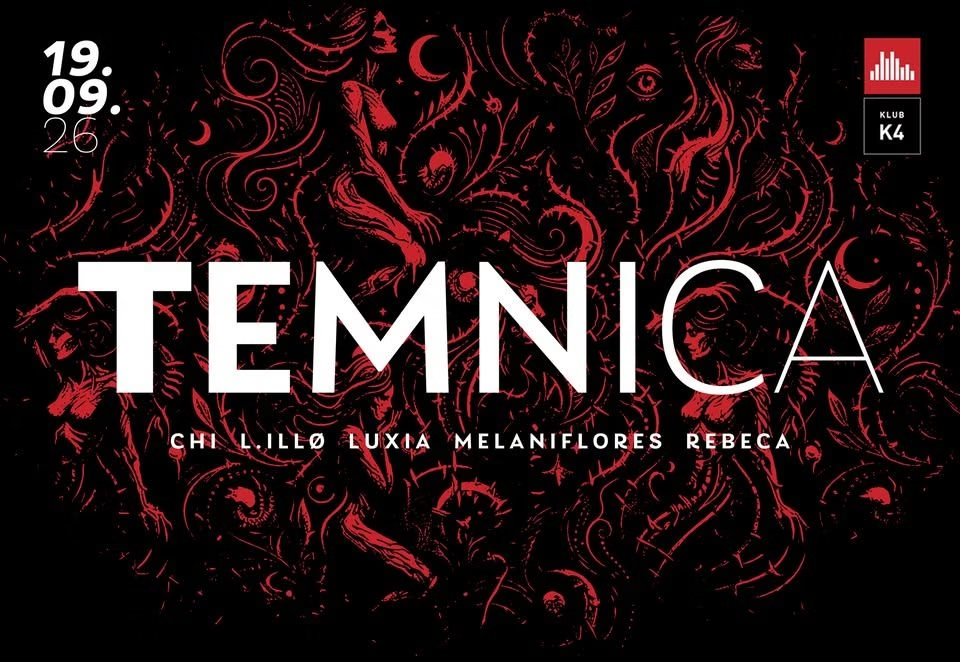
In the Old Town, Pritličje ("Ground Floor") on Mestni trg is the most reliable everyday LGBTQ-friendly spot. It's a cafe, bar, and cultural space, a successor to the pioneering Café Open, with concerts, talks, and regular queer nights. Klub K4 on Kersnikova, a long-running mixed student club, is known to LGBTQ+ visitors more for its monthly K4 Roza gay night than as a dedicated gay venue.
Ljubljana has a proper gay sauna scene for its size. District35, in the Stegne area in the northwest, is the modern, three-floor flagship with Finnish and infrared saunas, a steam room, dark room, cabins, bar, and rooftop terrace. The older, more intimate Klub Gymnasivm (Klub Libero), open since 2001, is the city's original bathhouse.
Ljubljana Pride (Parada ponosa) happens every June, organized by Društvo Parada ponosa. The march winds through the city center — recent editions start around Metelkova and Zvezda Park and end at Congress Square (Kongresni trg) — drawing about 10,000 people. It has a relaxed, celebratory feel, with no significant counter-protest threat. Pride week adds concerts, talks, film screenings, and parties. Beyond Pride, the Ljubljana LGBT Film Festival (Festival LGBT filma), the region's oldest queer film festival, takes place in late autumn/winter. ŠKUC and Legebitra also run regular community events.
The Old Town and the compact center make the most convenient base. They're close to restaurants, cafes, and social spots, with hotels priced moderately for Western Europe. Many centrally located boutique hotels, guesthouses, and hostels — including design-focused options in and around the center — are very LGBTQ-friendly. Airbnb is widely available and generally safe in Ljubljana.
Ljubljana is genuinely safe for LGBTQ+ travelers. Public displays of affection between same-sex couples are normal and unremarkable, especially in the Old Town and younger areas. Violent crime is rare, and there are no no-go zones. English is widely spoken by people under 40 and in all tourist businesses. Public transit — clean, frequent city buses — connects all major areas, and the center is very walkable. For current LGBTQ+ info, contact local organizations like ŠKUC or Legebitra, or the tourist information center in the Old Town.
Ljubljana's food scene is getting more sophisticated, mixing traditional Slovenian cooking with modern European and international restaurants. The city has a strong coffee culture and riverside dining. No need to hunt for specifically gay restaurants; the entire Old Town is comfortable and inclusive. The Central Market (Osrednja tržnica), designed by Jože Plečnik along the river, is worth a visit for fresh produce, local cheeses, and a sense of daily life, with plenty of casual eateries nearby.
Ljubljana's location makes it a great base for exploring Slovenia. Lake Bled, about an hour north by bus, has a glacial lake, an island church, and a clifftop castle. The Ljubljana Marshes (Ljubljansko barje), just south of the city, are a vast wetland with walking and cycling trails. Postojna Cave, about 50 km away, is a spectacular underground cave system. The Vipava Valley wine region is an easy day trip.
What makes Ljubljana special for LGBTQ+ travelers isn't just the number of gay-specific venues, but the overall feeling of real acceptance and integration. Queer people are visible in everyday life. The city’s small size — about 300,000 people — means LGBTQ+ life is woven into the community, not just in one district. Visit during Pride in June for the most visible celebration; outside of Pride, the scene is quieter but still welcoming. Ljubljana rewards slower exploration: wander the riverside, linger in cafes, catch a night at Metelkova. Enjoy one of Europe's most livable small capitals.





 Gay Bars & Clubs
Featured
(56)
Gay Bars & Clubs
Featured
(56)