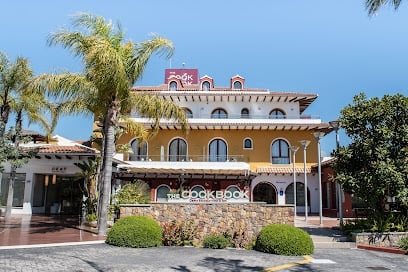
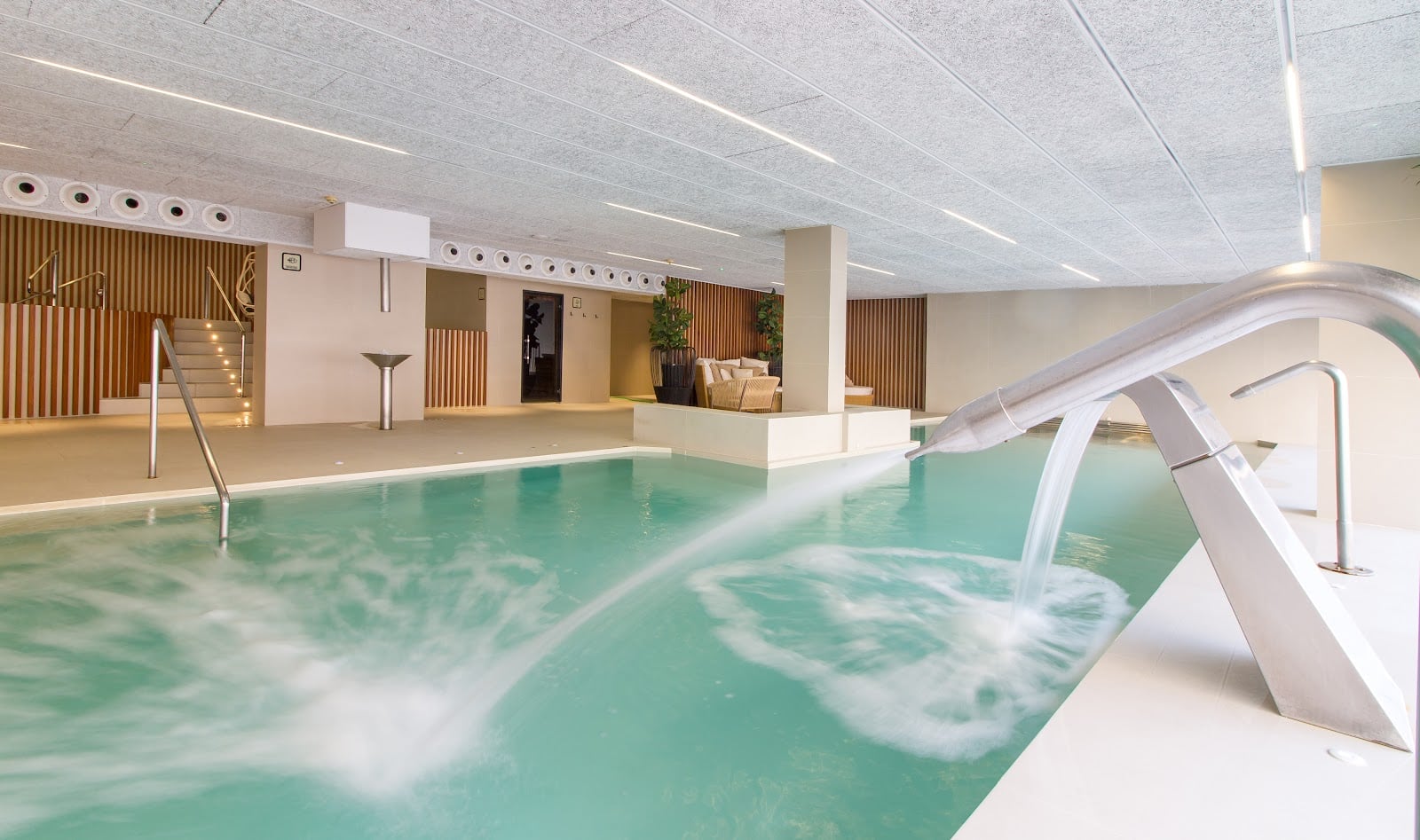
Located 2.5 km from Calpe Beach, this hotel offers free Wi-Fi and a heated outdoor pool with Mediterranean Sea views. Massage is available and there is a gym, hot tub and steam room.
Calp is a Mediterranean coastal town located in the province of Alicante in the Valencian Community, approximately 130 kilometers south of Valencia city. With a population of around 30,000, it retains a more authentic Spanish character than some of its more heavily developed neighbors. The town's defining landmark, the Peñón de Ifach, a dramatic 332-meter limestone monolith jutting from the sea, creates a spectacular backdrop and serves as both a nature reserve and hiking destination.
History and Current Scene
While Calp doesn't have a documented long history of an organized LGBTQ+ scene like some larger Spanish cities, it has benefited from Spain's progressive legal framework and general social acceptance of LGBTQ+ people. Spain legalized same-sex marriage in 2005 and maintains strong anti-discrimination protections. The Valencian Community is particularly liberal, and Calp's tourism industry has naturally welcomed LGBTQ+ visitors. The town's LGBTQ+ presence has grown organically as part of its broader appeal to diverse tourists seeking beach holidays.
Beaches and Outdoor Spaces
Calp boasts several excellent beaches. Playa Levante is the main urban beach, stretching for nearly 1.5 kilometers with golden sand and full services. Playa Poniente, on the opposite side of town, offers a quieter alternative. Cala del Manzanillo and surrounding smaller coves in the rocky outskirts are known as naturist-friendly areas, attracting nude sunbathers and LGBTQ+ visitors seeking privacy and freedom. These natural areas are accessible but require some hiking through coastal paths.
The Peñón de Ifach Nature Reserve offers trails ranging from easy to moderate difficulty with breathtaking Mediterranean views. The main path to the summit takes about 45 minutes and is accessible to most fitness levels. This natural area is welcoming to all visitors and offers opportunities for outdoor recreation without an explicitly gay focus.
Accommodation
Calp has numerous hotels, aparthotels, and vacation rental options accommodating various budgets. The seafront promenade is lined with mid-range hotels offering sea views and beach access. Several LGBTQ+-friendly guesthouses and apartments operate in the town, though these aren't exclusively gay establishments. Airbnb and similar platforms offer diverse rental options throughout Calp. The central area near Playa Levante offers the most convenient location for beach access and dining, though accommodations throughout the town are within walking or short bus distance of beaches.
Calp's gastronomic scene centers on Mediterranean and Spanish cuisine, with fresh seafood as a specialty. The waterfront promenade contains numerous restaurants and chiringuitos (beach bars) where LGBTQ+ visitors mingle comfortably with general tourists. Paella, gambas (shrimp), and fresh fish are standard fare, often at reasonable prices. The town center contains additional restaurants, cafes, and tapas bars in the narrow streets away from the beach.
Nightlife in Calp is relatively low-key compared to larger destinations. Bars and cafes operate throughout the town, with a relaxed atmosphere rather than high-energy clubbing. Many establishments welcome LGBTQ+ clientele as part of their general tourist and local base. The lack of dedicated gay venues reflects the town's size and character rather than any hostility.
Nearby Benidorm
Despite Calp's accepting atmosphere, visitors seeking a more concentrated LGBTQ+ scene can easily access Benidorm, just 10 kilometers south via direct bus service (30-minute journey). Benidorm hosts established gay bars, clubs, and a significant Pride celebration, typically held in November. Benidorm Pride (Benidorm Pride Festival) attracts thousands of visitors and features performances, parades, and events throughout the city center and dedicated venues. This proximity allows Calp-based visitors to experience larger-scale LGBTQ+ events and venues without relocating their accommodation.
Getting Around
Calp is compact and easily navigable on foot for central areas. The waterfront promenade and beach zones are pedestrian-friendly. For longer distances, the local bus system (operated by AUVSA) provides affordable connections throughout town and to surrounding areas. Buses to Benidorm run regularly from the central station. Car rental is available and useful for exploring more remote beaches and coastal trails, though parking in central Calp can be challenging during peak season. The nearest major airport is Alicante-Elche (about 80 kilometers away), with frequent flights to major European cities and train/bus connections to Calp.
Events and Activities
Beyond beach activities and hiking, Calp hosts various cultural events throughout the year. The town's festival season includes local celebrations, though none are specifically LGBTQ+-focused. For dedicated Pride celebrations, Benidorm's November event is the regional highlight. Calp itself maintains a year-round welcoming atmosphere without specific pride programming.
Water sports are popular, including paddleboarding, sailing, and snorkeling. Several shops and schools offer instruction and equipment rental. The clear Mediterranean waters and rocky outcrops make for excellent snorkeling opportunities.
Day Trips
The Costa Blanca location offers diverse day trip options. Altea, a picturesque white-washed village just 10 kilometers north, offers charming streets, galleries, and restaurants. Guadalest, an inland mountain village, provides dramatic scenery and cultural experiences. The Natura Parc wildlife park near Busot offers animal encounters. Alicante city, about 80 kilometers south, provides museums, historical sites, and a larger urban experience when desired.
Safety and Practical Considerations
Spain maintains strong legal protections for LGBTQ+ people, and Calp is a safe destination. The town's police are professional and responsive. Standard travel precautions apply regarding valuables and petty theft, but homophobic violence is not a significant concern. LGBTQ+ travelers can expect respectful treatment in most establishments and public spaces.
Language: Most tourism workers speak English, though learning basic Spanish phrases enhances interaction. Many menus and signs are available in multiple languages in touristy areas.
Weather and Seasons
Calp's Mediterranean climate features warm summers (25-30°C) and mild winters (10-15°C). Summer months (June-September) bring crowds and higher prices. Spring and autumn offer ideal weather with fewer visitors. Winter attracts some tourists but can be rainy and occasionally cool. Beach season typically runs May through October.
Why Choose Calp
Calp appeals to LGBTQ+ travelers seeking relaxation, natural beauty, and authentic Spanish coastal living over dedicated gay infrastructure. The combination of excellent beaches, dramatic natural landmarks, welcoming atmosphere, and proximity to larger LGBTQ+ destinations in Benidorm makes it an attractive base. Couples and small groups, outdoor enthusiasts, and those prioritizing cultural immersion over nightlife find particular appeal. The town's modest size and Mediterranean character provide genuine escape without sacrificing safety or acceptance.
The Costa Blanca as a broader region has developed LGBTQ+-friendly tourism infrastructure, and Calp benefits from this welcoming regional environment while maintaining its own distinct character as a quieter, more nature-focused destination.
Frequently asked questions
Spain has progressive legal frameworks for LGBTQ+ rights, and Calp is part of the welcoming Costa Blanca region. Local attitudes are generally accepting, and same-sex couples will find no particular restrictions or unwelcoming behavior in public spaces, restaurants, or shops.
Unlike larger cities, Calp does not have a specific gayborhood. The town's LGBTQ+ scene is integrated throughout the community, with a welcoming atmosphere in the town center and waterfront areas.
Calp's nightlife is more subdued than larger Spanish resort towns. While specific permanently-operating gay venues are limited within Calp itself, many establishments are accepting of LGBTQ+ clientele, and the bar scene tends to be integrated.
Specific permanently-operating gay venues are limited within Calp itself. The bar scene tends to be integrated rather than segregated, with various bars and restaurants scattered throughout the town that are accepting of LGBTQ+ clientele.
The source guide does not mention specific dates for Pride celebrations in Calp or nearby areas.
The town center and waterfront areas along the Paseo Marítimo are generally welcoming to LGBTQ+ visitors. These areas offer easy navigation, dining, and people-watching opportunities.
Your privacy choices.
We use cookies to run GayOut and, with your consent, measure usage. Learn more
Your privacy choices
We use cookies to keep GayOut running, remember your preferences, and (with your permission) measure how the site is used. You can accept all, reject all, or pick what you allow. Learn more
Essential
Required for sign-in, fraud prevention, CSRF protection and remembering your language. Cannot be disabled.
Always on
Remembers your favourites, dark mode and other interface preferences across visits.
Helps us understand which pages people visit (Google Analytics, server-side stats) so we can improve.
Used by campaign tracking pixels. None are active right now, reserved for future use.
Install GayOut
Add GayOut to your home screen for faster access, offline favourites, and Pride alerts.



 Gay-Friendly Hotel
(7321)
Gay-Friendly Hotel
(7321)