Shibuya-ku offers LGBTQ+ travelers a distinct experience in Tokyo, complementing the historic gay village of Shinjuku's 2-chome.
While Shinjuku's 2-chome has been Tokyo's primary gay district since the 1970s, Shibuya's LGBTQ+ scene has grown alongside its reputation as a hub for youth culture, fashion, and entertainment. As LGBTQ+ visibility has increased in Japan, Shibuya has become a natural gathering place for queer nightlife and socializing. Its progressive atmosphere makes it a welcoming space for LGBTQ+-friendly venues and communities. Unlike Shinjuku's concentrated bar district, Shibuya's LGBTQ+ establishments are more integrated into the broader nightlife landscape.
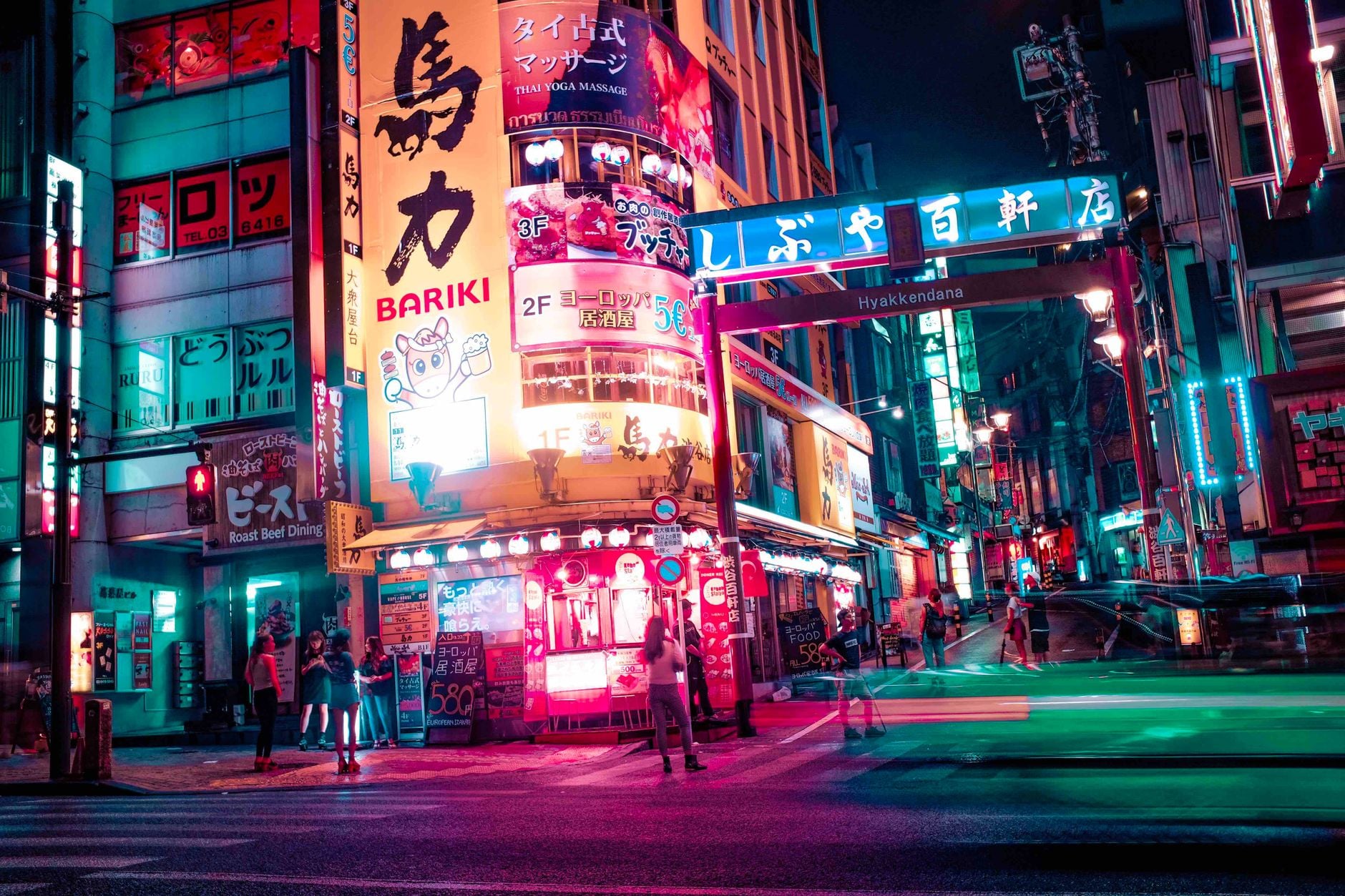
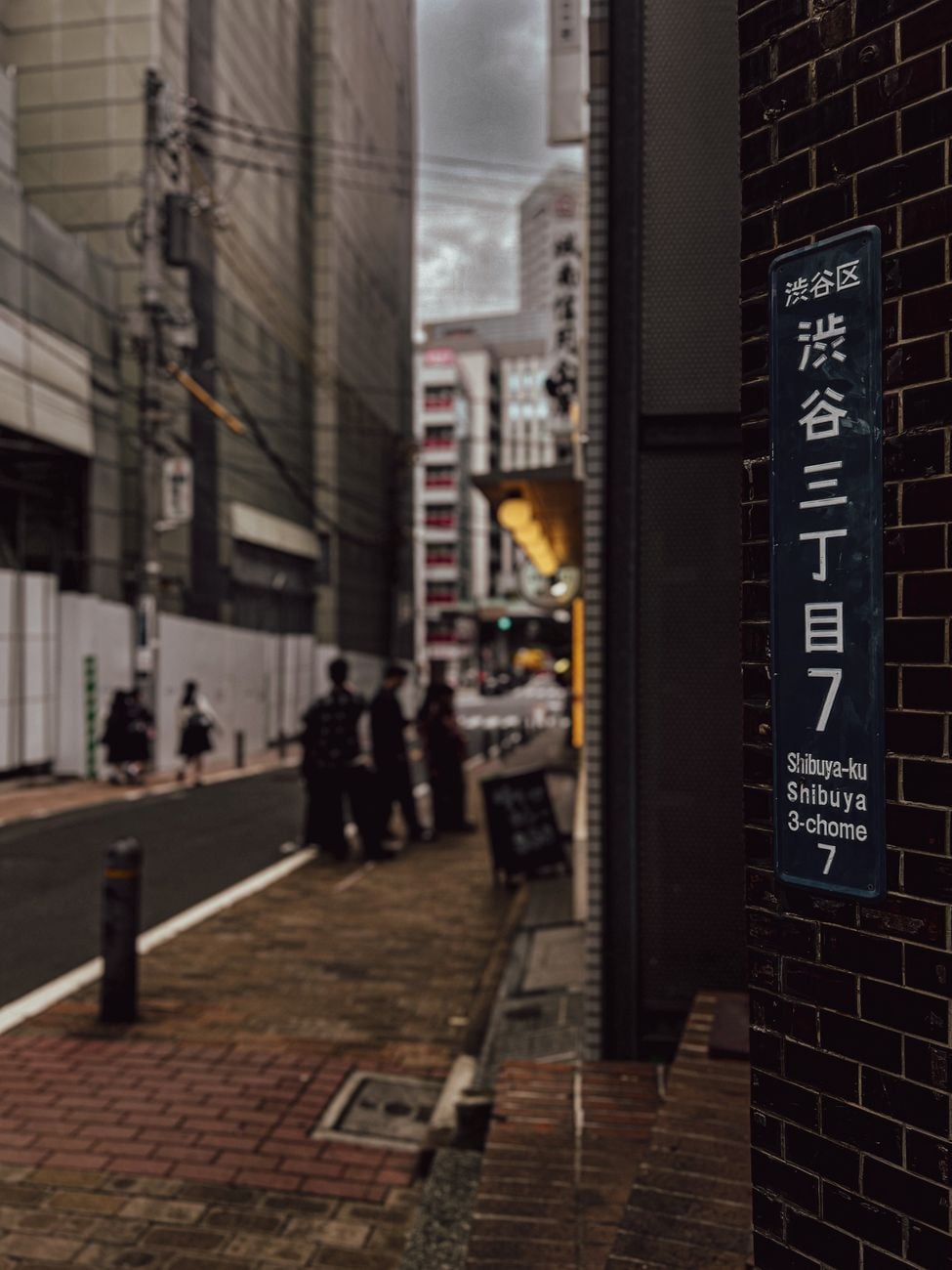
Shibuya-ku is centered around Shibuya Station, a bustling commercial hub. Center Gai, a pedestrian shopping street, leads from the station and is lined with restaurants, shops, and bars. The side streets and alleys off Center Gai host numerous establishments, many of which are LGBTQ+-friendly or cater to a gay clientele. Eastward, the Dogenzaka area features more adult-oriented entertainment. West of the station, areas near Meiji Shrine offer quieter residential neighborhoods and parks.
Shibuya has a range of gay-friendly bars and clubs, though specific venues can change. Visitors should consult current listings via apps and websites. The neighborhood includes various types of gay bars, from relaxed spots for conversation to more energetic venues. Lesbian and women-centric spaces are present but are fewer in number compared to gay male venues. Drag shows and themed parties are held at different clubs. Shibuya's venues are spread out and mixed with mainstream entertainment, creating a scene integrated into the wider nightlife rather than a separate enclave. Establishments range from cocktail bars to izakayas with LGBTQ+-friendly staff and patrons.
Tokyo Pride, held annually in May, is a major LGBTQ+ event in Shibuya and across Tokyo. The Pride Parade attracts a large number of participants and spectators, making it one of Asia's largest Pride celebrations. The parade often passes through Shibuya, with related parties and events occurring throughout the city. During Pride season, various venues host special events and celebrations. Throughout the year, Shibuya hosts numerous parties and themed nights, with circuit parties and club events common during summer and around holidays. Visitors should check event calendars for current listings.
Shibuya provides a wide range of accommodation, from budget hostels to luxury hotels. For LGBTQ+ travelers, the neighborhood's integration of gay-friendly venues means easy access to LGBTQ+ spaces regardless of where you stay. Hotels in Shibuya are generally welcoming to same-sex couples. Shibuya Station's excellent public transport connections allow for easy travel from other parts of Tokyo. Staying in or near central Shibuya offers proximity to many bars and clubs. Nearby Harajuku, Daikanyama, or Omotesando offer quieter bases with convenient access to Shibuya's scene.
Japan, including Tokyo and Shibuya, is generally considered safe for LGBTQ+ travelers. While marriage equality is not yet law, some municipalities offer domestic partnerships, and the legal and social environment is increasingly accepting. Public displays of affection between same-sex couples are not common in mainstream culture but are generally tolerated. Shibuya's youthful and progressive character contributes to its acceptance. Standard urban safety precautions are advised.
Shibuya Station is a major transport hub, served by multiple train lines, making it highly accessible. The station is large and can be disorienting; knowing your exit is helpful. Walking is pleasant in the shopping and entertainment areas, though Shibuya is very crowded, especially on weekends and evenings. The famous scramble crossing is an experience in itself. Tokyo's efficient public transport makes it easy to reach other neighborhoods, including Shinjuku's 2-chome (approximately 15 minutes by train), other LGBTQ+-friendly areas, and major attractions.
Shibuya is known for its diverse dining options, from high-end restaurants to casual eateries. The neighborhood offers both international and traditional Japanese cuisine. Many LGBTQ+-friendly venues serve food and drinks, and the general dining scene is welcoming. Shibuya's younger demographic and international visitors mean most establishments are comfortable serving same-sex groups.
From Shibuya, several day trips are easily accessible. Meiji Shrine is nearby, reachable by train or a walk through Meiji Forest. Omotesando, Tokyo's upscale shopping avenue, is minutes away. Harajuku, known for youth fashion, is adjacent. Daikanyama, a neighboring area with independent shops, is walkable. The beaches of Shonan, including Enoshima and Kamakura, are about an hour away by train. For travel beyond Tokyo, the bullet train departs from Tokyo Station, connecting to cities like Kyoto and Osaka.
When exploring Shibuya's LGBTQ+ scene, note that many bars are small and may be cash-only. While Japanese language skills are helpful, English is more commonly spoken in Shibuya venues than in some other areas. Apps and websites are the most up-to-date resources for LGBTQ+ venues and events.
Shibuya embodies Tokyo's modern approach to LGBTQ+ inclusion: visible, integrated, and increasingly normalized. It provides a different experience from Shinjuku's traditional gay village, remaining a welcoming destination for LGBTQ+ travelers.




 ゲイバー&クラブ
(187)