LGBTQ+ symbols and advocacy criminalised as "extremism" — discretion essential
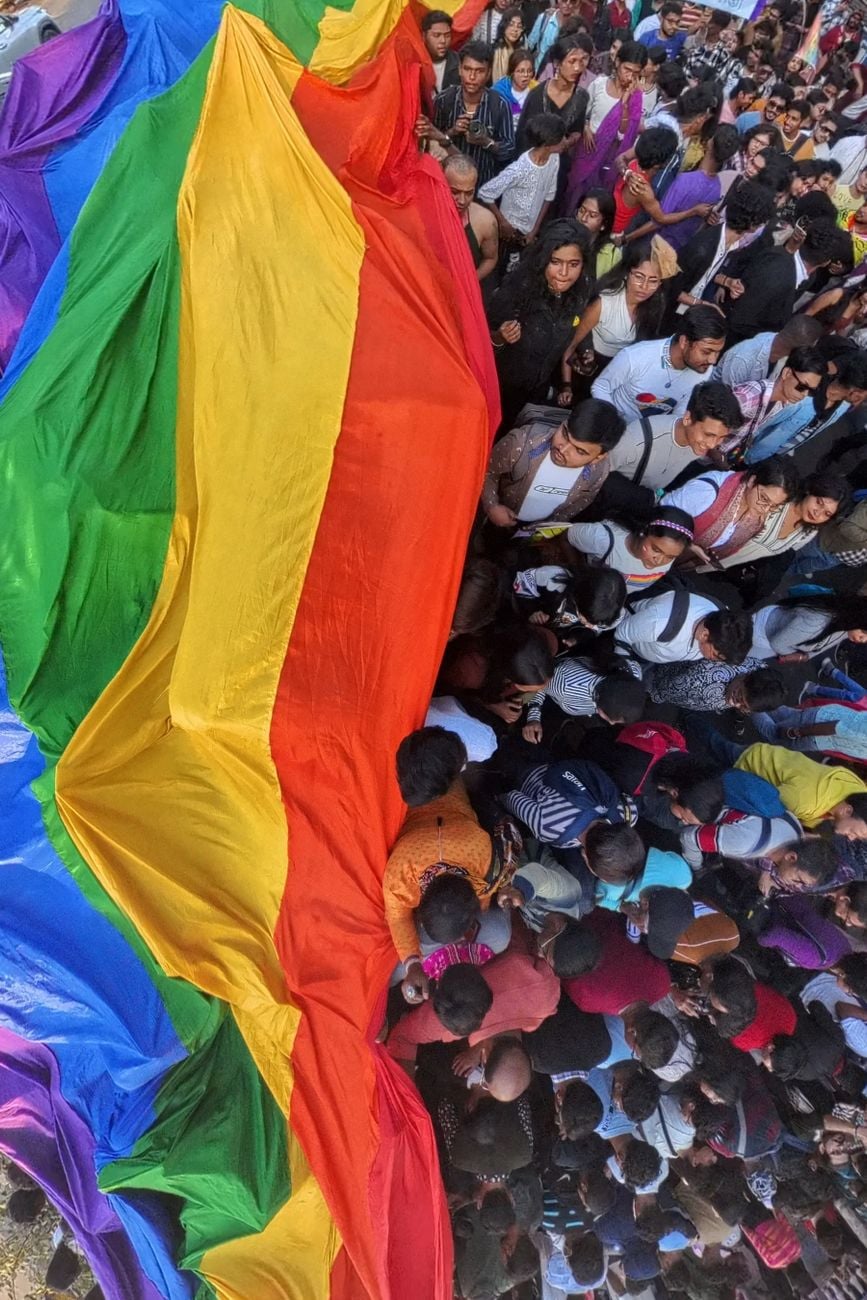
Lei local: "International LGBT movement" designated extremist (Nov 2023); displaying LGBTQ+ symbols carries up to 6 years in prison. In April 2026 Russian courts extended the designation to named organisations — including the Russian LGBT Network and Coming Out — banning their activity nationwide.
Orientações de segurança para visitantes →
Não revele sua orientação sexual a funcionários do hotel, motoristas ou guias.
Evite demonstrações públicas de afeto de qualquer tipo.
Não use aplicativos de namoro LGBTQ+ — A armadilha policial via aplicativos é documentada. Se for necessário, instale uma VPN antes de chegar.
Evite levar identificadores LGBTQ+ (bandeiras, livros, capturas de tela) na bagagem.
Buscas por telefone em aeroportos podem incluir verificações de conteúdo LGBTQ+ — apague conversas/fotos sensíveis antes de cruzar fronteiras.
Se estiver viajando com um parceiro do mesmo sexo, apresentem-se como "amigos" ou "colegas"; reservem quartos de hotel separados por segurança.
Use Signal ou Wire para mensagens sensíveis — não WhatsApp.
Mantenha dinheiro de emergência (USD/EUR) e dois cartões de pagamento separados.
Hospede-se em hotéis de redes internacionais (Hilton, Marriott, Hyatt) — eles raramente interrogam os arranjos dos hóspedes.
Registre-se com sua embaixada ao chegar — a ajuda consular pode ser limitada.
Compartilhe um check-in diário com alguém de confiança no exterior.
As listagens nesta página são fornecidas para redução de danos e para auxiliar em decisões de viagem informadas — não são uma recomendação para visitar.
🆘 Quem contatar em caso de problemas →
Recursos de emergência globais (sempre disponíveis):
Rainbow Railroad — relocação de emergência para pessoas LGBTQ+ em situação de perseguição. Formulário de admissão confidencial.
OutRight International — advocacia global pelos direitos humanos LGBTQ+ e encaminhamentos de emergência.
ILGA World — mapa global de status legal e contatos regionais.
UNHCR — status de refugiado se você for perseguido; LGBTQ+ é um motivo reconhecido para proteção.
Contatos locais / regionais:
Inside Russia, even contacting these organisations can be treated as participation in an extremist movement. Use a VPN before opening any link below, and delete your browsing history afterwards.
Sphere Foundation — legal, psychological and emergency aid across Russia (team works from abroad): spherequeer.org ⚠️ Designated extremist or foreign agent in Russia. Access only via VPN. Contact via Telegram — never by email or phone from inside Russia.
Coming Out — free counselling and legal aid for LGBTQ+ people (works from abroad): comingoutspb.org ⚠️ Designated extremist or foreign agent in Russia. Access only via VPN. Contact via Telegram — never by email or phone from inside Russia.
NC SOS Crisis Group — emergency evacuation from the North Caucasus: sksos.org ⚠️ Designated extremist or foreign agent in Russia. Access only via VPN. Contact via Telegram — never by email or phone from inside Russia.
OVD-Info — legal aid if detained; fastest response via their Telegram bot: ovd.info ⚠️ Designated extremist or foreign agent in Russia. Access only via VPN. Contact via Telegram — never by email or phone from inside Russia.
Russian LGBT Network — help finding lawyers and safe relocation (works from abroad): lgbtnet.org ⚠️ Designated extremist or foreign agent in Russia. Access only via VPN. Contact via Telegram — never by email or phone from inside Russia.
Linhas de emergência da Embaixada:
🇺🇸 US: travel.state.gov — encontre sua embaixada e a linha 24 horas
Se detido: não assine nenhum documento que você não entenda. Procure imediatamente sua embaixada e um advogado. Não consinta com buscas telefônicas sem aconselhamento jurídico.
Lei de "propaganda gay" proíbe representações positivas de relacionamentos LGBTQ+. O Movimento Internacional LGBT foi designado "extremista" (2023). Exercite extrema cautela.
Nunca perca um evento gay em Moscou
Um e-mail por semana — a programação do fim de semana, festas e promoções. Sem spam, cancele a qualquer momento.
Sauna masculina de longa data na Pokrovka com o histórico de avaliações recentes mais rico da cidade. Vapor finlandês, hammam, jacuzzi, pista de dança, labirinto de pegação, bar e terraço.
⚠️ ALTO RISCO — A Rússia designou o "movimento LGBT internacional" como uma organização extremista em novembro de 2023, tornando o ativismo e a exibição LGBT passíveis de punição criminal.
A Rússia não criminaliza relações consensuais entre adultos do mesmo sexo — a lei soviética sobre sodomia foi revogada em 1993 —, mas quase tudo o que rodeia essa legalidade privada foi vedado. O ponto de partida é a lei de 2013 sobre "propaganda gay", que proibia a apresentação de vidas LGBTQ+ como normais ou aceitáveis para menores. Em dezembro de 2022, essa lei foi ampliada para abranger todos os públicos de qualquer idade: qualquer representação positiva ou "normalizadora" de relações entre pessoas do mesmo sexo ou de transição de género — em meios de comunicação, cinema, livros, publicidade, online ou em conversas públicas comuns — é agora uma infração. As multas chegam a 400.000 rublos para indivíduos e 5 milhões para organizações, e cidadãos estrangeiros podem ser multados, detidos por até 15 dias e deportados. Uma lei de julho de 2023 foi ainda mais longe, proibindo cuidados médicos de afirmação de género e qualquer alteração de género legal.
A mudança mais significativa ocorreu em 30 de novembro de 2023, quando o Supremo Tribunal da Rússia declarou um "movimento LGBT internacional" fictício como organização extremista. Em vigor desde janeiro de 2024, a decisão retira a visibilidade LGBTQ+ do âmbito das multas administrativas e a insere no código penal: a "participação" pode ser processada sob as leis de extremismo com penas de até seis anos — até dez por "organização" — e a exibição repetida de símbolos proibidos, como a bandeira arco-íris, é em si um crime. Desde a designação, a polícia tem realizado batidas em clubes gays e festas privadas em Moskva e outras cidades, fotografando frequentadores e apreendendo telefones e documentos; observadores de direitos humanos contaram aproximadamente cem condenações ligadas à decisão até meados de 2025. Turistas estrangeiros não são o alvo principal dessas perseguições, e uma visita curta e discreta dificilmente terminará em tribunal — mas o ambiente agora é genuinamente criminalizado, em vez de meramente desaprovador, e essa distinção deve moldar todas as suas decisões no local. Tanto o Departamento de Estado dos EUA quanto o Foreign Office do Reino Unido atualmente desaconselham todas as viagens à Rússia (o nível mais alto de alerta), citando a guerra, o risco de detenção indevida e a quase ausência de apoio consular, além desses perigos específicos para a comunidade LGBTQ+.
CONSIDERAÇÕES PRÁTICAS DE SEGURANÇA
Para viajantes LGBTQ+ em Moskva, a discrição não é opcional — é essencial. Demonstrações públicas de afeto entre casais do mesmo sexo devem ser evitadas por completo. De mãos dadas, beijos ou outras demonstrações de afeto físico atrairão olhares e, em alguns bairros ou contextos, podem escalar para assédio verbal ou envolvimento policial. O risco não é uniforme pela cidade: áreas centrais e turísticas, bem como bairros de luxo, tendem a ser mais cosmopolitas e menos hostis; distritos periféricos e áreas de classe trabalhadora apresentam maior risco.
A segurança digital exige atenção redobrada. Aplicações populares de encontros e "hookups" (Grindr, Blued, entre outras) são amplamente utilizadas em Moskva, mas não são espaços seguros. Forças de segurança russas e indivíduos privados já foram documentados a usar estas aplicações para identificar e visar pessoas LGBTQ+. Informações de perfil, dados de localização e histórico de conversas podem ser acedidos e usados para chantagem, exposição ou perseguição judicial. O uso destas aplicações na Rússia acarreta riscos legais e pessoais reais. Para viajantes, a abordagem mais segura é evitar totalmente o uso destas plataformas durante a estadia na Rússia, ou usá-las com extrema cautela e anonimato.
As reservas de hotel apresentam um problema menor, mas real. Cadeias hoteleiras internacionais (Marriott, Hilton, Hyatt, Four Seasons) estão habituadas a casais do mesmo sexo e reservarão quartos com cama de casal sem hesitação ou comentário. Pensões, hotéis e hostels russos de gama económica e média podem recusar casais do mesmo sexo ou atribuir-lhes camas separadas. Ao reservar, utilize plataformas e cadeias internacionais sempre que possível. Esteja preparado para algumas perguntas desconfortáveis em estabelecimentos mais pequenos.
O comportamento em público deve ser gerido com cuidado. Não exiba bandeiras arco-íris, símbolos de orgulho ou vestuário com temática LGBTQ+ em público. Evite discutir orientação sexual ou identidade de género com estranhos, motoristas de táxi ou trabalhadores de serviços. Não participe em quaisquer ajuntamentos anunciados como eventos LGBTQ+ — estes são tipicamente monitorizados pela polícia e representam risco legal para os participantes. Tenha cuidado com o álcool em espaços públicos; a intoxicação pode diminuir inibições e aumentar a vulnerabilidade a assédio ou atenção policial.
COMO É A SOCIALIZAÇÃO DISCRETA
Moskva não tem bares, clubes ou locais LGBTQ+ abertos ao público. A socialização LGBTQ+ em público não existe da forma como existe em cidades ocidentais. No entanto, alguma conexão social ocorre dentro de círculos privados e entre comunidades de expatriados.
Alguns bares e lounges de hotéis mais sofisticados no centro de Moskva (particularmente em áreas com alta concentração de viajantes de negócios internacionais) são conhecidos por atrair multidões mistas e amigáveis à comunidade queer, embora nada seja explicitamente comercializado dessa forma. São locais convencionais onde a clientela diversa é tolerada e onde a equipe está acostumada com hóspedes internacionais. O ambiente é totalmente discreto e mainstream — não há decorações, identificadores ou sinais de que estes sejam espaços LGBTQ+. Um viajante pode encontrar outras pessoas LGBTQ+ nesses locais através da intuição e de sutis sinais sociais, mas isso requer observação cuidadosa e não garante segurança.
Ocorrem encontros privados entre círculos de confiança, mas estes não são acessíveis a turistas. Comunidades de expatriados (britânicos, americanos, australianos, escandinavos) em Moskva são mais liberais e contêm indivíduos LGBTQ+, mas o acesso a eventos sociais geralmente se dá através de conexões pessoais prévias.
A forma mais segura de conexão para viajantes de curta duração é através de comunidades internacionais LGBTQ+ estabelecidas e operadores turísticos que organizam passeios em pequenos grupos. Esses operadores entendem os riscos, mantêm operações discretas e conectam viajantes com outras pessoas em situações semelhantes. Alguns operam de países ocidentais e organizam visitas a Moskva como parte de itinerários russos mais amplos.
DESTAQUES DE TURISMO CONVENCIONAL
Moskva é uma das grandes capitais culturais da Europa e oferece atrações de classe mundial, independentemente da orientação sexual.
O Kremlin é um Patrimônio Mundial da UNESCO e o coração histórico e político da Rússia. O complexo da fortaleza inclui catedrais, palácios e museus. A Praça Vermelha, imediatamente adjacente, é um dos espaços mais icônicos do mundo, ladeada pela Catedral de São Basílio com suas distintas cúpulas em forma de cebola, a loja de departamentos estatal (GUM) e o Mausoléu de Lenin.
O Museu Estatal de Belas Artes Pushkin e a Galeria Estatal Tretyakov estão entre os melhores museus de arte da Europa, com extensas coleções russas e internacionais. O sistema do Metrô de Moscou é renomado por suas estações ornamentadas, muitas decoradas com mosaicos, esculturas e lustres — uma atração cultural por si só.
O balé e a ópera são parte integrante da identidade cultural de Moscou. O Teatro Bolshoi é mundialmente famoso, e as apresentações (balé clássico, ópera, obras contemporâneas) são acessíveis aos turistas. Os ingressos podem ser adquiridos online através de canais oficiais.
A gastronomia em Moscou evoluiu significativamente. A cidade agora conta com restaurantes estrelados pelo Guia Michelin, culinária internacional e um crescente movimento "farm-to-table". A culinária russa tradicional (borscht, pelmeni, stroganoff, caviar) está disponível em todas as faixas de preço. Bairros sofisticados como Patriarch's Ponds e Tverskaya oferecem excelentes opções gastronômicas.
A vida noturna existe em Moscou, mas é uma vida noturna mainstream — discotecas, bares e lounges que atendem ao público em geral. Esses estabelecimentos não são específicos para o público LGBTQ+ nem se promovem como tal. Áreas populares para bares e clubes incluem o distrito de Krasnye Vorota, Tverskaya e áreas ao redor do Rio Moscou. São experiências noturnas padrão, sem um caráter LGBTQ+ particular.
ONDE FICAR
As cadeias hoteleiras internacionais são a escolha mais segura para viajantes LGBTQ+. Propriedades nesta categoria incluem Marriott Moscow Grand, Hilton Moscow Leningradskaya, Four Seasons Moscow, Ritz-Carlton, entre outros. Esses hotéis estão acostumados a hóspedes internacionais, mantêm padrões profissionais e não questionarão casais do mesmo sexo compartilhando um quarto. A equipe fala inglês, e o ambiente é cosmopolita e discreto.
As cadeias internacionais de gama média (Novotel, propriedades Accor, Radisson) são geralmente seguras, embora as experiências possam variar de acordo com o estabelecimento. Reservar através de plataformas internacionais (Booking.com, Expedia, Hotels.com) aumenta a probabilidade de um check-in tranquilo.
Alojamentos económicos e hostels podem ser uma experiência mista. Os hostels que acolhem mochileiros internacionais tendem a ser mais recetivos. Pequenas pensões russas podem fazer perguntas intrusivas ou recusar reservas a casais do mesmo sexo. Se o orçamento for uma preocupação, procure propriedades com propriedade ou gestão internacional e verifique avaliações recentes de viajantes LGBTQ+ antes de reservar.
A localização é importante. Ficar no centro de Moskva (Tverskaya, Arbat, Patriarch's Ponds, Krasnye Vorota, áreas perto do Kremlin) é preferível. Estes bairros são turísticos, cosmopolitas e têm maior movimento de pessoas e presença policial, o que paradoxalmente proporciona alguma segurança através da visibilidade. Distritos periféricos e áreas residenciais, embora perfeitamente seguros em termos de criminalidade, podem ser menos tolerantes e oferecer menos recursos.
QUEM DEVE VISITAR, QUEM NÃO DEVE
Moskva é visitável para viajantes LGBTQ+, mas exige uma avaliação honesta da tolerância a restrições e riscos.
Viajantes LGBTQ+ que devem considerar visitar são aqueles que:
- Sentem-se confortáveis com discrição quase total em público e não sentem necessidade de expressar a sua identidade abertamente durante a viagem.
- Estão interessados nas substanciais ofertas culturais, arquitetónicas e culinárias de Moskva, independentemente de atrações específicas LGBTQ+.
- Conseguem gerir o peso psicológico da restrição legal e da hostilidade social sem que isso afete significativamente a sua experiência.
- Estão a visitar por curtos períodos (dias a um par de semanas) e não procuram comunidade ou ligação social.
- Estão dispostos a ficar em hotéis internacionais e a evitar espaços digitais arriscados.
- Têm alguma experiência a viajar em contextos restritivos e não são ingénuos quanto aos riscos legais.
Viajantes LGBTQ+ que provavelmente não devem visitar são aqueles que:
- Acabaram de sair do armário e dependem de espaços e comunidade LGBTQ+ abertos para segurança emocional e bem-estar.
- Têm antecedentes ativistas ou uma necessidade pessoal de falar publicamente sobre questões LGBTQ+.
- Não conseguem tolerar a autocensura constante e o medo de serem descobertos.
- Procuram vida noturna, encontros ou cenas sociais LGBTQ+.
- São trans ou não conformes com o género e não conseguem transitar em espaços públicos sem chamar a atenção.
- Viajam com crianças pequenas e sentem-se desconfortáveis com a mensagem generalizada da lei de propaganda gay contra identidades LGBTQ+.
- Têm vulnerabilidades específicas (estatuto de indocumentado, problemas legais anteriores, alto perfil público) que tornariam a exposição legal particularmente prejudicial.
Para muitos viajantes LGBTQ+, Moscovo apresenta um cálculo: o valor cultural e histórico excecional deve ser ponderado contra restrições significativas à liberdade e segurança. Esta é uma escolha válida para alguns e não para outros. A honestidade sobre as necessidades pessoais e a tolerância ao risco é essencial.
CONSIDERAÇÕES FINAIS
A direção política da Rússia moveu-se para uma maior restrição da expressão e dos direitos LGBTQ+. O cenário legal não é estável — a aplicação intensificou-se e pode continuar a intensificar-se. Os viajantes devem monitorizar os avisos oficiais dos seus países de origem antes de viajar.
Ser LGBTQ+ em Moscovo como turista é fundamentalmente diferente de ser LGBTQ+ em Moscovo como residente. A brevidade de uma visita, o acesso a recursos internacionais e a relativa invisibilidade como estrangeiro proporcionam alguma proteção que os residentes locais não têm. No entanto, isto não deve ser confundido com segurança real. Os riscos legais são reais e a hostilidade social é persistente.
Os viajantes que decidirem visitar devem fazê-lo de olhos abertos, com um seguro de viagem abrangente, com um plano para lidar com qualquer incidente legal ou de segurança e com expectativas realistas sobre o que Moscovo pode oferecer nas suas circunstâncias específicas.
Suas preferências de privacidade.
Usamos cookies para manter o GayOut funcionando e, com seu consentimento, medir o uso. Saiba mais
Suas preferências de privacidade
Usamos cookies para manter o GayOut funcionando, lembrar suas preferências e (com sua autorização) medir como o site é usado. Você pode aceitar tudo, recusar tudo ou escolher o que permite. Saiba mais
Essenciais
Necessários para login, prevenção de fraudes, proteção CSRF e para lembrar seu idioma. Não podem ser desativados.
Sempre ativo
Lembra seus favoritos, modo escuro e outras preferências de interface entre visitas.
Nos ajuda a entender quais páginas as pessoas visitam (Google Analytics, estatísticas do servidor) para melhorarmos.
Usado por pixels de campanhas. Nenhum está ativo no momento — reservado para uso futuro.
Instalar GayOut
Adicione o GayOut à tela inicial para acesso rápido, favoritos offline e alertas de Pride.


 Bares e Clubes Gays acolhedores
(91)
Bares e Clubes Gays acolhedores
(91)