LGBTQ+ symbols and advocacy criminalised as "extremism" — discretion essential
Local law: "International LGBT movement" designated extremist (Nov 2023); displaying LGBTQ+ symbols carries up to 6 years in prison. In April 2026 Russian courts extended the designation to named organisations — including the Russian LGBT Network and Coming Out — banning their activity nationwide.
Safety guidance for visitors →
Do not disclose your orientation to hotel staff, drivers, or guides.
Avoid public displays of affection of any kind.
Do not use LGBTQ+ dating apps — police entrapment via apps is documented. If you must, install a VPN before arrival.
Avoid carrying LGBTQ+ identifiers (flags, books, screenshots) in luggage.
Phone searches at airports can include checks for LGBTQ+ content — delete sensitive chats/photos before crossing borders.
If travelling with a same-sex partner, present yourselves as "friends" or "colleagues"; book separate hotel rooms for safety.
Use Signal or Wire for sensitive messaging — not WhatsApp.
Keep emergency cash (USD/EUR) and two separate payment cards.
Stay at international-chain hotels (Hilton, Marriott, Hyatt) — they rarely interrogate guest arrangements.
Register with your embassy on arrival — consular help may be limited.
Share a daily check-in with someone trusted abroad.
Listings on this page are provided for harm reduction and informed travel decisions — not a recommendation to visit.
🆘 Who to contact if in trouble →
Global emergency resources (always available):
Rainbow Railroad — emergency relocation for LGBTQ+ people facing persecution. Confidential intake form.
ILGA World — global legal-status map and regional contacts.
UNHCR — refugee status if you are persecuted; LGBTQ+ is a recognised ground for protection.
Local / regional contacts:
Inside Russia, even contacting these organisations can be treated as participation in an extremist movement. Use a VPN before opening any link below, and delete your browsing history afterwards.
Sphere Foundation — legal, psychological and emergency aid across Russia (team works from abroad): spherequeer.org ⚠️ Designated extremist or foreign agent in Russia. Access only via VPN. Contact via Telegram — never by email or phone from inside Russia.
Coming Out — free counselling and legal aid for LGBTQ+ people (works from abroad): comingoutspb.org ⚠️ Designated extremist or foreign agent in Russia. Access only via VPN. Contact via Telegram — never by email or phone from inside Russia.
NC SOS Crisis Group — emergency evacuation from the North Caucasus: sksos.org ⚠️ Designated extremist or foreign agent in Russia. Access only via VPN. Contact via Telegram — never by email or phone from inside Russia.
OVD-Info — legal aid if detained; fastest response via their Telegram bot: ovd.info ⚠️ Designated extremist or foreign agent in Russia. Access only via VPN. Contact via Telegram — never by email or phone from inside Russia.
Russian LGBT Network — help finding lawyers and safe relocation (works from abroad): lgbtnet.org ⚠️ Designated extremist or foreign agent in Russia. Access only via VPN. Contact via Telegram — never by email or phone from inside Russia.
If detained: do not sign any document you do not understand. Request your embassy and a lawyer immediately. Do not consent to phone searches without legal advice.
"Gay propaganda" law bans positive depiction of LGBTQ+ relationships. International LGBT Movement designated "extremist" (2023). Exercise extreme caution.
Never miss a gay event in Moskva
One email a week — the weekend lineup, parties and deals. No spam, unsubscribe anytime.
Four-floor gay sauna near Kursky station. Pool, Finnish steam, hammam, jacuzzi, dark room, and a small bar across the top floors. Open 5pm to 6am daily, often by appointment.
Long-running men-only sauna on Pokrovka with the richest recent review history in the city. Finnish steam, hammam, jacuzzi, dance floor, cruising maze, bar and terrace. Roughly 500–600 RUB entry.
Russia's legal framework regarding same-sex relationships is complex and has become increasingly hostile. While same-sex sexual conduct between adults is not criminalised under the criminal code—a legacy of Soviet decriminalisation in 1993—the 2013 Federal Law on Protection of Children from Information Promoting the Denial of Traditional Family Values (colloquially the "gay propaganda" law) has created a de facto system of control over LGBTQ+ expression. This law prohibits the distribution of information that presents non-traditional sexual orientations as normal or desirable to anyone under 18. The law is vaguely worded and has been enforced against Pride marches, Pride-themed social media posts, public gatherings of LGBTQ+ people, and even discussions of LGBTQ+ issues in mainstream media.
Enforcement has intensified in recent years, particularly after 2022. Fines for violating the gay propaganda law range from 50,000 to 200,000 rubles for individuals (approximately $500–$2,000 USD) and significantly higher for organisations. Repeated violations can lead to criminal prosecution. High-profile prosecutions and fines have targeted LGBTQ+ activists, journalists, and public figures. Foreign nationals have not been systematically targeted, but the legal climate makes any public association with LGBTQ+ causes or visibility extremely unwise. Tourists are less visible to enforcement mechanisms than residents, but this should not create a false sense of safety.
PRACTICAL SAFETY CONSIDERATIONS
For LGBTQ+ travellers in Moscow, discretion is not optional—it is essential. Public displays of affection between same-sex couples should be avoided entirely. Holding hands, kissing, or other physical affection will draw stares and, in some neighbourhoods or contexts, could escalate to verbal harassment or police involvement. The risk is not uniform across the city: central, touristy areas and upscale neighbourhoods tend to be more cosmopolitan and less hostile; outer districts and working-class areas carry greater risk.
Digital safety requires careful consideration. Popular dating and hookup apps (Grindr, Blued, and others) are widely used in Moscow, but they are not secure spaces. Russian law enforcement and private individuals have been documented using these apps to identify and target LGBTQ+ people. Profile information, location data, and chat history can be accessed and used for blackmail, exposure, or prosecution. Use of these apps in Russia carries real legal and personal risk. For travellers, the safest approach is to avoid using these platforms entirely during a stay in Russia, or to use them with extreme caution and anonymity.
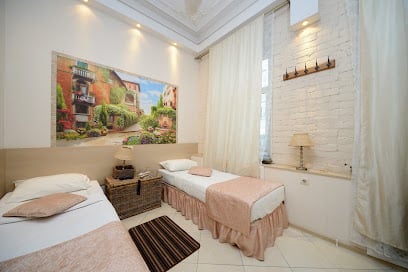
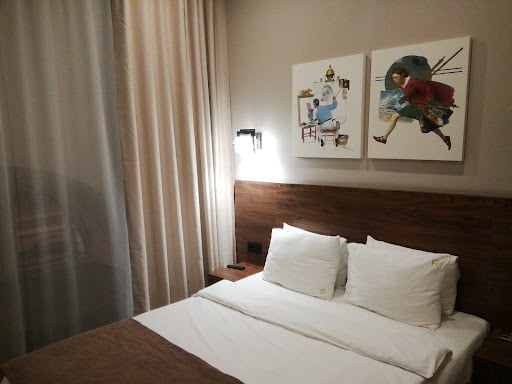
Hotel bookings present a minor but real issue. International hotel chains (Marriott, Hilton, Hyatt, Four Seasons) are accustomed to same-sex couples and will book rooms with a double bed without hesitation or comment. Budget and mid-range Russian guesthouses, hotels, and hostels may refuse same-sex couples or assign them separate beds. When booking, use international platforms and chains whenever possible. Be prepared for some uncomfortable questioning at smaller establishments.
Public behaviour must be carefully managed. Do not display rainbow flags, pride symbols, or LGBTQ+-themed clothing in public. Avoid discussing sexual orientation or gender identity with strangers, taxi drivers, or service workers. Do not attend any gatherings advertised as LGBTQ+ events—these are typically monitored by police and pose legal risk to participants. Be cautious with alcohol in public spaces; intoxication can lower inhibitions and increase vulnerability to harassment or police attention.
WHAT DISCREET SOCIALISING LOOKS LIKE
Moscow has no openly operating gay bars, clubs, or LGBTQ+ venues. Public LGBTQ+ socialising does not exist in the way it does in Western cities. However, some social connection does occur within private circles and among expat communities.
Some upmarket hotel bars and lounges in central Moscow (particularly in areas with high concentrations of international business travellers) are known to attract mixed and queer-friendly crowds, though nothing is explicitly marketed this way. These are mainstream venues where diverse clientele is tolerated and where staff are accustomed to international guests. The environment is entirely discreet and mainstreamed—there are no decorations, identifiers, or signals that these are LGBTQ+ spaces. A traveller might find other LGBTQ+ people in such spaces through intuition and subtle social cues, but this requires careful observation and carries no guarantee of safety.
Private gatherings among trusted circles occur, but these are not accessible to tourists. Expat communities (British, American, Australian, Scandinavian) in Moscow are more liberal and contain LGBTQ+ individuals, but access to social events is typically through prior personal connections.
The safest form of connection for short-term travellers is through established international LGBTQ+ travel communities and tour operators who organise small group tours. These operators understand the risks, maintain discreet operations, and connect travellers with others in similar situations. Some operate out of Western countries and organise Moscow visits as part of broader Russian itineraries.
MAINSTREAM TRAVEL HIGHLIGHTS
Moscow is one of Europe's great cultural capitals and offers world-class attractions regardless of sexual orientation.
The Kremlin is a UNESCO World Heritage site and the historic and political heart of Russia. The fortress complex includes cathedrals, palaces, and museums. Red Square, immediately adjacent, is one of the world's most iconic spaces, bordered by St. Basil's Cathedral with its distinctive onion domes, the State Department Store (GUM), and the Lenin Mausoleum.
The Pushkin State Museum of Fine Arts and the State Tretyakov Gallery are among Europe's finest art museums, with extensive Russian and international collections. The Moscow Metro system is renowned for its ornate stations, many decorated with mosaics, sculptures, and chandeliers—a cultural attraction in itself.
Ballet and opera are integral to Moscow's cultural identity. The Bolshoi Theatre is world-famous, and performances (classical ballet, opera, contemporary works) are accessible to tourists. Tickets can be purchased online through official channels.
Food & Drink
Food in Moscow has evolved significantly. The city now has Michelin-starred restaurants, international cuisine, and a growing farm-to-table movement. Traditional Russian cuisine (borscht, pelmeni, stroganoff, caviar) is available across price ranges. Upmarket neighbourhoods like Patriarch's Ponds and Tverskaya have excellent dining.
Nightlife exists in Moscow, but it is mainstream nightlife—nightclubs, bars, and lounges that cater to general crowds. These venues are not LGBTQ+-specific and do not market themselves as such. Popular areas for bars and clubs include the Krasnye Vorota district, Tverskaya, and areas around the Moscow River. These are standard nightlife experiences with no particular LGBTQ+ character.
WHERE TO STAY
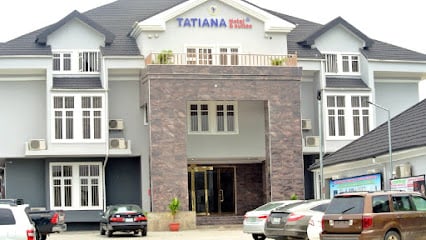
International hotel chains are the safest choice for LGBTQ+ travellers. Properties in this category include Marriott Moscow Grand, Hilton Moscow Leningradskaya, Four Seasons Moscow, Ritz-Carlton, and others. These hotels are accustomed to international guests, maintain professional standards, and will not question same-sex couples sharing a room. Staff speak English, and the environment is cosmopolitan and discreet.
Mid-range international chains (Novotel, Accor properties, Radisson) are generally safe, though experiences can vary by property. Booking through international platforms (Booking.com, Expedia, Hotels.com) increases likelihood of smooth check-in.
Budget guesthouses and hostels are a mixed experience. Hostels that cater to international backpackers tend to be more accepting. Smaller Russian guesthouses may ask intrusive questions or refuse bookings for same-sex couples. If budget is a concern, seek out properties with international ownership or management and check recent reviews from LGBTQ+ travellers before booking.
Location matters. Staying in central Moscow (Tverskaya, Arbat, Patriarch's Ponds, Krasnye Vorota, areas near the Kremlin) is preferable. These neighbourhoods are touristy, cosmopolitan, and have higher foot traffic and police presence, which paradoxically provides some safety through visibility. Outer districts and residential areas, while perfectly safe in crime terms, may be less tolerant and provide fewer resources.
Moscow is visitable for LGBTQ+ travellers, but it requires honest self-assessment about tolerance for constraint and risk.
LGBTQ+ travellers who should consider visiting are those who:
- Are comfortable with near-complete discretion in public and have no need to express identity openly during travel
- Are interested in Moscow's substantial cultural, architectural, and culinary offerings independent of LGBTQ+-specific attractions
- Can manage the psychological weight of legal restriction and social hostility without it significantly affecting their experience
- Are visiting for short periods (days to a couple of weeks) and are not seeking community or social connection
- Are willing to stay in international hotels and avoid risky digital spaces
- Have some experience travelling in restrictive contexts and are not naive about legal risks
LGBTQ+ travellers who should probably not visit are those who:
- Are newly out and rely on open LGBTQ+ spaces and community for emotional safety and wellbeing
- Have activist backgrounds or a personal need to speak about LGBTQ+ issues publicly
- Cannot tolerate constant self-censorship and fear of exposure
- Are seeking LGBTQ+ nightlife, dating, or social scenes
- Are trans or gender non-conforming and cannot safely move through public spaces without drawing attention
- Are travelling with young children and uncomfortable with the gay propaganda law's pervasive messaging against LGBTQ+ identities
- Have specific vulnerabilities (undocumented status, prior legal issues, high public profile) that would make legal exposure particularly damaging
For many LGBTQ+ travellers, Moscow presents a calculus: exceptional cultural and historical value must be weighed against significant constraints on freedom and safety. This is a valid choice for some and not for others. Honesty about personal needs and risk tolerance is essential.
FINAL CONSIDERATIONS
Russia's political direction has moved toward increased restriction of LGBTQ+ expression and rights. The legal landscape is not stable—enforcement has intensified and may continue to intensify. Travellers should monitor official advisories from their home country before travel.
Being LGBTQ+ in Moscow as a tourist is fundamentally different from being LGBTQ+ in Moscow as a resident. The brevity of a visit, access to international resources, and relative invisibility as a foreigner provide some protection that local residents do not have. However, this should not be mistaken for actual safety. Legal risks are real, and social hostility is persistent.
Travellers who decide to visit should do so with eyes open, with comprehensive travel insurance, with a plan for how to handle any legal or safety incident, and with realistic expectations about what Moscow can offer in their specific circumstances.
Your privacy choices.
We use cookies to run GayOut and, with your consent, measure usage. Learn more
Your privacy choices
We use cookies to keep GayOut running, remember your preferences, and (with your permission) measure how the site is used. You can accept all, reject all, or pick what you allow. Learn more
Essential
Required for sign-in, fraud prevention, CSRF protection and remembering your language. Cannot be disabled.
Always on
Remembers your favourites, dark mode and other interface preferences across visits.
Helps us understand which pages people visit (Google Analytics, server-side stats) so we can improve.
Used by campaign tracking pixels. None are active right now, reserved for future use.
Install GayOut
Add GayOut to your home screen for faster access, offline favourites, and Pride alerts.


 Gay-Friendly Bars & Clubs
(91)
Gay-Friendly Bars & Clubs
(91)