LGBTQ+ symbols and advocacy criminalised as "extremism" — discretion essential
Loi locale: "International LGBT movement" designated extremist (Nov 2023); displaying LGBTQ+ symbols carries up to 6 years in prison. In April 2026 Russian courts extended the designation to named organisations — including the Russian LGBT Network and Coming Out — banning their activity nationwide.
Conseils de sécurité pour les visiteurs →
Ne divulguez pas votre orientation sexuelle au personnel de l'hôtel, aux chauffeurs ou aux guides.
Évitez les démonstrations d'affection publiques, quelles qu'elles soient.
N'utilisez pas les applications de rencontres LGBTQ+ — Les piégeages policiers via les applications sont documentés. Si vous devez absolument, installez un VPN avant votre arrivée.
Évitez de transporter des identifiants LGBTQ+ (drapeaux, livres, captures d'écran) dans vos bagages.
Les recherches par téléphone dans les aéroports peuvent inclure des vérifications de contenu LGBTQ+ — supprimez les conversations/photos sensibles avant de franchir les frontières.
Si vous voyagez avec un partenaire du même sexe, présentez-vous comme des « amis » ou des « collègues » ; réservez des chambres d'hôtel séparées par mesure de sécurité.
Utilisez Signal ou Wire pour les messages sensibles — pas WhatsApp.
Gardez de l'argent liquide d'urgence (USD/EUR) et deux cartes de paiement distinctes.
Séjournez dans des hôtels de chaînes internationales (Hilton, Marriott, Hyatt) — ils interrogent rarement les arrangements des clients.
Enregistrez-vous auprès de votre ambassade à votre arrivée — l'aide consulaire pourrait être limitée.
Partagez un point quotidien avec une personne de confiance à l'étranger.
Les annonces sur cette page sont fournies à des fins de réduction des risques et de prise de décisions éclairées lors de vos voyages — et non comme une recommandation de visite.
Rainbow Railroad — relocalisation d'urgence pour les personnes LGBTQ+ confrontées à la persécution. Formulaire de prise en charge confidentiel.
OutRight International — Plaidoyer mondial pour les droits humains LGBTQ+ et références d'urgence.
ILGA World — carte mondiale du statut juridique et contacts régionaux.
UNHCR — le statut de réfugié si vous êtes persécuté ; le statut LGBTQ+ est un motif reconnu de protection.
Contacts locaux / régionaux:
Inside Russia, even contacting these organisations can be treated as participation in an extremist movement. Use a VPN before opening any link below, and delete your browsing history afterwards.
Sphere Foundation — legal, psychological and emergency aid across Russia (team works from abroad): spherequeer.org ⚠️ Designated extremist or foreign agent in Russia. Access only via VPN. Contact via Telegram — never by email or phone from inside Russia.
Coming Out — free counselling and legal aid for LGBTQ+ people (works from abroad): comingoutspb.org ⚠️ Designated extremist or foreign agent in Russia. Access only via VPN. Contact via Telegram — never by email or phone from inside Russia.
NC SOS Crisis Group — emergency evacuation from the North Caucasus: sksos.org ⚠️ Designated extremist or foreign agent in Russia. Access only via VPN. Contact via Telegram — never by email or phone from inside Russia.
OVD-Info — legal aid if detained; fastest response via their Telegram bot: ovd.info ⚠️ Designated extremist or foreign agent in Russia. Access only via VPN. Contact via Telegram — never by email or phone from inside Russia.
Russian LGBT Network — help finding lawyers and safe relocation (works from abroad): lgbtnet.org ⚠️ Designated extremist or foreign agent in Russia. Access only via VPN. Contact via Telegram — never by email or phone from inside Russia.
Lignes d'urgence de l'ambassade:
🇺🇸 US: travel.state.gov — Trouvez votre ambassade et la ligne ouverte 24h/24 et 7j/7
Si détenu: ne signez aucun document que vous ne comprenez pas. Demandez immédiatement l'aide de votre ambassade et d'un avocat. Ne consentez à aucune fouille téléphonique sans avis juridique.
La loi sur la « propagande homosexuelle » interdit toute représentation positive des relations LGBTQ+. Le Mouvement International LGBT est désigné comme « extrémiste » (2023). Faites preuve d'une extrême prudence.
Ne manquez jamais un événement gay à Moskva
Un e-mail par semaine — le programme du week-end, les soirées et les offres. Pas de spam, désabonnez-vous quand vous voulez.
⚠️ HAUT RISQUE — La Russie a désigné le "mouvement LGBT international" comme organisation extrémiste en novembre 2023, rendant le militantisme et l'affichage LGBT punissables pénalement.
Billets coupe-file, visites guidées à pied, excursions à la journée et expériences uniques LGBTQ+ friendly — réservation instantanée avec annulation gratuite.
La Russie ne criminalise pas les relations consensuelles entre adultes du même sexe — la loi soviétique sur la sodomie a été abrogée en 1993 — mais presque tout ce qui entoure cette légalité privée a été mis à l'écart. Le point de départ est la loi de 2013 sur la "propagande gay", qui interdisait de présenter la vie LGBTQ+ comme normale ou acceptable aux mineurs. En décembre 2022, cette loi a été étendue pour couvrir tous les publics, quel que soit leur âge : toute représentation positive ou "normalisante" des relations entre personnes du même sexe ou de la transition de genre — dans les médias, le cinéma, les livres, la publicité, en ligne, ou dans les conversations publiques ordinaires — constitue désormais une infraction. Les amendes atteignent 400 000 roubles pour les particuliers et 5 millions pour les organisations, et les ressortissants étrangers peuvent être condamnés à une amende, détenus jusqu'à 15 jours et expulsés. Une loi de juillet 2023 est allée encore plus loin, interdisant les soins médicaux d'affirmation de genre et tout changement de genre légal.
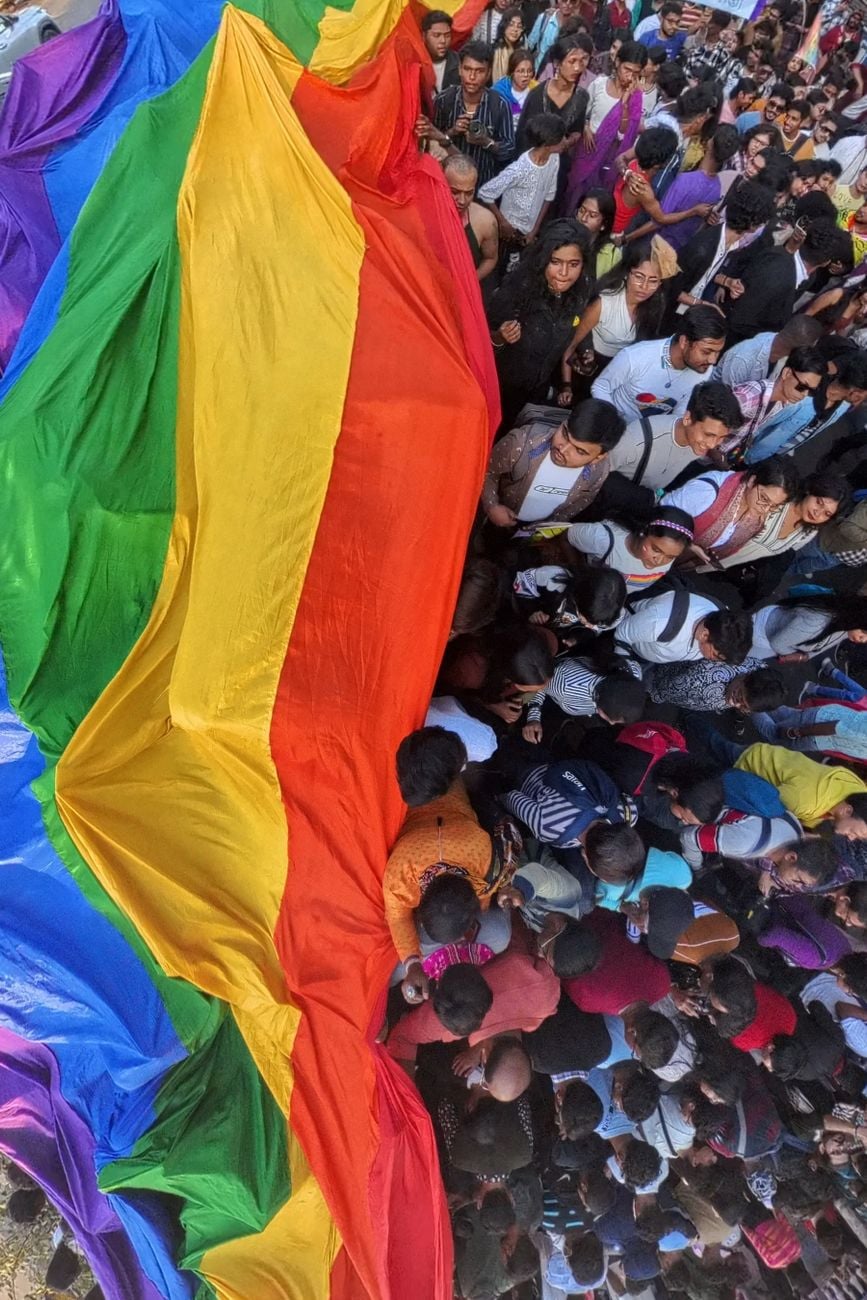
Le changement le plus marquant est survenu le 30 novembre 2023, lorsque la Cour suprême de Russie a déclaré un « mouvement LGBT international » fictif organisation extrémiste. Entrée en vigueur en janvier 2024, cette décision fait passer la visibilité LGBTQ+ du domaine des amendes administratives à celui du code pénal : la « participation » peut être poursuivie en vertu des lois sur l'extrémisme avec des peines pouvant aller jusqu'à six ans – jusqu'à dix pour « l'organisation » – et l'affichage répété de symboles interdits tels que le drapeau arc-en-ciel constitue en soi une infraction pénale. Depuis cette désignation, la police a perquisitionné des clubs gays et des fêtes privées à Moskva et dans d'autres villes, photographiant les participants et saisissant téléphones et documents ; les observateurs des droits de l'homme ont dénombré une centaine de condamnations liées à cette décision d'ici mi-2025. Les touristes étrangers ne sont pas la cible principale de ces poursuites, et une visite courte et discrète ne devrait pas se solder par un passage devant les tribunaux – mais l'environnement est désormais véritablement criminalisé plutôt que simplement désapprobateur, et cette distinction devrait guider chacune de vos décisions sur place. Le Département d'État américain et le Foreign Office britannique déconseillent actuellement tout voyage en Russie (leur niveau le plus élevé), invoquant la guerre, le risque de détention arbitraire et la quasi-absence de soutien consulaire, en plus de ces dangers spécifiques aux LGBTQ+.
CONSIDÉRATIONS PRATIQUES DE SÉCURITÉ
Pour les voyageurs LGBTQ+ à Moskva, la discrétion n'est pas une option, elle est essentielle. Les démonstrations publiques d'affection entre couples de même sexe doivent être entièrement évitées. Se tenir la main, s'embrasser ou toute autre marque d'affection physique attirera les regards et, dans certains quartiers ou contextes, pourrait dégénérer en harcèlement verbal ou en intervention policière. Le risque n'est pas uniforme dans toute la ville : les zones centrales et touristiques ainsi que les quartiers chics ont tendance à être plus cosmopolites et moins hostiles ; les districts périphériques et les zones ouvrières présentent un risque plus élevé.
La sécurité numérique demande une attention particulière. Les applications populaires de rencontres et de rencontres occasionnelles (Grindr, Blued, et autres) sont largement utilisées à Moscou, mais elles ne sont pas des espaces sécurisés. Les forces de l'ordre russes et des particuliers ont été documentés utilisant ces applications pour identifier et cibler les personnes LGBTQ+. Les informations de profil, les données de localisation et l'historique des conversations peuvent être consultés et utilisés pour le chantage, l'exposition ou des poursuites judiciaires. L'utilisation de ces applications en Russie comporte un risque réel, tant juridique que personnel. Pour les voyageurs, l'approche la plus sûre est d'éviter totalement ces plateformes pendant un séjour en Russie, ou de les utiliser avec une extrême prudence et anonymat.
Les réservations d'hôtels présentent un problème mineur mais réel. Les chaînes hôtelières internationales (Marriott, Hilton, Hyatt, Four Seasons) sont habituées aux couples de même sexe et réserveront des chambres avec un grand lit sans hésitation ni commentaire. Les guesthouses, hôtels et auberges de jeunesse russes, de budget et de milieu de gamme, peuvent refuser les couples de même sexe ou leur attribuer des lits séparés. Lors de la réservation, privilégiez les plateformes et les chaînes internationales autant que possible. Soyez préparé à des questions inconfortables dans les petits établissements.
Le comportement public doit être géré avec soin. N'affichez pas de drapeaux arc-en-ciel, de symboles de la fierté ou de vêtements à thème LGBTQ+ en public. Évitez de discuter de votre orientation sexuelle ou de votre identité de genre avec des inconnus, des chauffeurs de taxi ou des employés de services. N'assistez à aucun rassemblement annoncé comme des événements LGBTQ+ – ceux-ci sont généralement surveillés par la police et présentent un risque juridique pour les participants. Soyez prudent avec l'alcool dans les espaces publics ; l'ivresse peut abaisser les inhibitions et augmenter la vulnérabilité au harcèlement ou à l'attention de la police.
À QUOI RESSEMBLE LA SOCIALISATION DISCRÈTE
Moscou ne possède pas de bars, clubs ou lieux LGBTQ+ ouverts. La socialisation LGBTQ+ publique n'existe pas telle qu'elle le fait dans les villes occidentales. Cependant, une certaine connexion sociale se produit au sein de cercles privés et parmi les communautés d'expatriés.
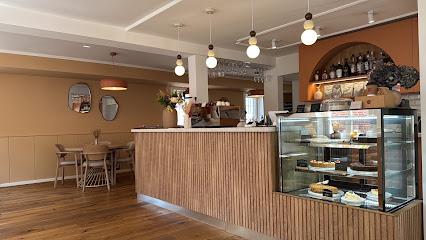
Certains bars et salons d'hôtels haut de gamme dans le centre de Moskva (en particulier dans les zones où se concentrent les voyageurs d'affaires internationaux) sont connus pour attirer des foules mixtes et ouvertes à la communauté LGBTQ+, bien que rien ne soit explicitement commercialisé de cette manière. Il s'agit de lieux grand public où la clientèle diversifiée est tolérée et où le personnel est habitué aux clients internationaux. L'environnement est entièrement discret et intégré au mainstream – il n'y a ni décorations, ni identificateurs, ni signaux indiquant qu'il s'agit d'espaces LGBTQ+. Un voyageur pourrait y trouver d'autres personnes LGBTQ+ par intuition et par des indices sociaux subtils, mais cela demande une observation attentive et ne garantit en aucun cas la sécurité.
Des rencontres privées entre cercles de confiance ont lieu, mais elles ne sont pas accessibles aux touristes. Les communautés d'expatriés (britanniques, américaines, australiennes, scandinaves) à Moskva sont plus libérales et comptent des personnes LGBTQ+, mais l'accès aux événements sociaux se fait généralement par le biais de relations personnelles préalables.
La forme de connexion la plus sûre pour les voyageurs de courte durée est de passer par des communautés de voyage LGBTQ+ internationales établies et des tour-opérateurs qui organisent des visites en petits groupes. Ces opérateurs comprennent les risques, maintiennent des opérations discrètes et mettent en relation les voyageurs avec d'autres personnes dans des situations similaires. Certains opèrent depuis des pays occidentaux et organisent des visites à Moskva dans le cadre d'itinéraires russes plus larges.
POINTS FORTS DU TOURISME GRAND PUBLIC
Moskva est l'une des grandes capitales culturelles de l'Europe et offre des attractions de classe mondiale, quelle que soit l'orientation sexuelle.
Le Kremlin est un site classé au patrimoine mondial de l'UNESCO et le cœur historique et politique de la Russie. Le complexe fortifié comprend des cathédrales, des palais et des musées. La Place Rouge, immédiatement adjacente, est l'un des espaces les plus emblématiques du monde, bordée par la cathédrale Saint-Basile avec ses dômes en oignon distinctifs, le grand magasin d'État (GUM) et le mausolée de Lénine.
Le Musée d'État des Beaux-Arts Pouchkine et la Galerie d'État Tretiakov comptent parmi les plus beaux musées d'art d'Europe, avec de vastes collections russes et internationales. Le métro de Moscou est réputé pour ses stations ornées, dont beaucoup sont décorées de mosaïques, de sculptures et de lustres — une attraction culturelle en soi.
Le ballet et l'opéra font partie intégrante de l'identité culturelle de Moscou. Le Théâtre Bolchoï est mondialement célèbre, et les représentations (ballet classique, opéra, œuvres contemporaines) sont accessibles aux touristes. Les billets peuvent être achetés en ligne via les canaux officiels.
La gastronomie à Moscou a considérablement évolué. La ville compte désormais des restaurants étoilés au Michelin, une cuisine internationale et un mouvement de plus en plus marqué de la ferme à la table. La cuisine russe traditionnelle (borscht, pelmeni, stroganoff, caviar) est disponible dans toutes les gammes de prix. Des quartiers chics comme les Étangs du Patriarche et Tverskaya offrent d'excellents restaurants.
La vie nocturne existe à Moscou, mais il s'agit d'une vie nocturne grand public — discothèques, bars et salons qui s'adressent à un public général. Ces établissements ne sont pas spécifiques à la communauté LGBTQ+ et ne se présentent pas comme tels. Les quartiers populaires pour les bars et les clubs comprennent le district de Krasnye Vorota, Tverskaya et les environs de la Moskova. Il s'agit d'expériences nocturnes standard sans caractère LGBTQ+ particulier.
OÙ SÉJOURNER
Les chaînes hôtelières internationales sont le choix le plus sûr pour les voyageurs LGBTQ+. Les établissements de cette catégorie comprennent le Marriott Moscow Grand, le Hilton Moscow Leningradskaya, le Four Seasons Moscow, le Ritz-Carlton, et d'autres. Ces hôtels sont habitués à une clientèle internationale, maintiennent des normes professionnelles et ne poseront pas de questions aux couples de même sexe partageant une chambre. Le personnel parle anglais, et l'environnement est cosmopolite et discret.
Les chaînes internationales de milieu de gamme (Novotel, établissements Accor, Radisson) sont généralement sûres, bien que les expériences puissent varier selon les établissements. Réserver via des plateformes internationales (Booking.com, Expedia, Hotels.com) augmente les chances d'un enregistrement sans encombre.
Les pensions et auberges de jeunesse économiques sont une expérience mitigée. Les auberges destinées aux routards internationaux ont tendance à être plus ouvertes. Les petites pensions russes peuvent poser des questions intrusives ou refuser des réservations aux couples de même sexe. Si le budget est un souci, privilégiez les établissements à propriétaires ou gestion internationale et consultez les avis récents de voyageurs LGBTQ+ avant de réserver.
L'emplacement est primordial. Il est préférable de séjourner dans le centre de Moskva (Tverskaya, Arbat, Patriarch's Ponds, Krasnye Vorota, les environs du Kremlin). Ces quartiers sont touristiques, cosmopolites, et bénéficient d'un fort passage et d'une présence policière accrue, ce qui, paradoxalement, offre une certaine sécurité par la visibilité. Les districts périphériques et les zones résidentielles, bien que parfaitement sûrs en termes de criminalité, peuvent être moins tolérants et offrir moins de ressources.
QUI DEVRAIT VISITER, QUI NE DEVRAIT PAS
Moskva est une destination envisageable pour les voyageurs LGBTQ+, mais elle exige une honnête auto-évaluation quant à leur tolérance à la contrainte et au risque.
Les voyageurs LGBTQ+ qui devraient envisager de visiter sont ceux qui :
- Sont à l'aise avec une discrétion quasi totale en public et n'ont pas besoin d'exprimer leur identité ouvertement pendant leur voyage.
- S'intéressent aux offres culturelles, architecturales et culinaires substantielles de Moskva, indépendamment des attractions spécifiquement LGBTQ+.
- Peuvent gérer le poids psychologique des restrictions légales et de l'hostilité sociale sans que cela n'affecte significativement leur expérience.
- Effectuent des séjours de courte durée (quelques jours à quelques semaines) et ne recherchent pas de communauté ou de liens sociaux.
- Sont disposés à séjourner dans des hôtels internationaux et à éviter les espaces numériques risqués.
- Ont une certaine expérience des voyages dans des contextes restrictifs et ne sont pas naïfs quant aux risques juridiques.
Les voyageurs LGBTQ+ qui ne devraient probablement pas visiter sont ceux qui :
- Viennent de faire leur coming-out et s'appuient sur des espaces et une communauté LGBTQ+ ouverts pour leur sécurité émotionnelle et leur bien-être.
- Ont un passé militant ou un besoin personnel de parler publiquement des questions LGBTQ+.
- Ne supportent plus l'autocensure constante et la peur d'être découverts.
- Cherchent une vie nocturne, des rencontres ou des scènes sociales LGBTQ+.
- Sont transgenres ou non-conformes en matière de genre et ne peuvent pas se déplacer en toute sécurité dans les espaces publics sans attirer l'attention.
- Voyagent avec de jeunes enfants et sont mal à l'aise face au message omniprésent de la loi sur la "propagande gay" qui s'oppose aux identités LGBTQ+.
- Ont des vulnérabilités spécifiques (statut de sans-papiers, antécédents judiciaires, profil public élevé) qui rendraient une exposition légale particulièrement dommageable.
Pour de nombreux voyageurs LGBTQ+, Moscou représente un calcul : la valeur culturelle et historique exceptionnelle doit être mise en balance avec des contraintes importantes sur la liberté et la sécurité. C'est un choix valable pour certains, pas pour d'autres. L'honnêteté quant à ses besoins personnels et sa tolérance au risque est essentielle.
CONSIDÉRATIONS FINALES
La direction politique de la Russie s'est orientée vers une restriction accrue de l'expression et des droits LGBTQ+. Le paysage juridique n'est pas stable — l'application s'est intensifiée et pourrait continuer à s'intensifier. Les voyageurs devraient consulter les conseils officiels de leur pays d'origine avant de voyager.
Être LGBTQ+ à Moscou en tant que touriste est fondamentalement différent d'être LGBTQ+ à Moscou en tant que résident. La brièveté d'une visite, l'accès aux ressources internationales et une relative invisibilité en tant qu'étranger offrent une certaine protection que les résidents locaux n'ont pas. Cependant, cela ne doit pas être confondu avec une sécurité réelle. Les risques juridiques sont réels et l'hostilité sociale est persistante.
Les voyageurs qui décident de visiter devraient le faire en toute connaissance de cause, avec une assurance voyage complète, un plan pour gérer tout incident juridique ou de sécurité, et des attentes réalistes quant à ce que Moscou peut offrir dans leurs circonstances spécifiques.
Vos choix en matière de confidentialité.
Nous utilisons des cookies pour faire fonctionner GayOut et, avec votre consentement, mesurer son utilisation. En savoir plus ↗
Vos choix en matière de confidentialité
Nous utilisons des cookies pour faire fonctionner GayOut, mémoriser vos préférences et (avec votre accord) mesurer l\'utilisation du site. Vous pouvez tout accepter, tout refuser ou choisir précisément ce que vous autorisez. En savoir plus ↗
Essentiels
Nécessaires à la connexion, à la prévention de la fraude, à la protection CSRF et à la mémorisation de votre langue. Ne peuvent pas être désactivés.
Toujours actif
Mémorisent vos favoris, le mode sombre et autres préférences d\'interface entre vos visites.
Nous aident à comprendre quelles pages sont consultées (Google Analytics, statistiques côté serveur) pour améliorer le site.
Utilisés par les pixels de suivi publicitaire. Aucun n\'est actif actuellement, réservé à un usage futur.
Installer GayOut
Ajoutez GayOut à votre écran d\'accueil pour un accès rapide, des favoris hors ligne et les alertes Pride.


 Bars & clubs gays accueillants
(91)
Bars & clubs gays accueillants
(91)