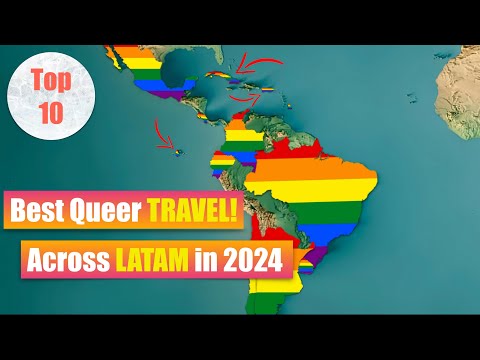
O movimento LGBTQ+ da Bolívia desenvolveu-se ao longo de três décadas, com La Paz como seu centro político e cultural. As relações entre pessoas do mesmo sexo são legais com igualdade na idade de consentimento, mas o casamento entre pessoas do mesmo sexo ainda não foi legalizado, embora uniões civis tenham sido discutidas. A comunidade queer ganhou visibilidade nas décadas de 2000 e 2010, marcada por crescentes celebrações do Orgulho e ativismo em prol da saúde, contra a discriminação no local de trabalho e pelos direitos trans. A população jovem e educada de La Paz e seu status como sede do governo fazem dela um centro para a defesa LGBTQ+ e iniciativas culturais.
Bairros
A Zona Sur (Zona Sul) é onde os viajantes LGBTQ+ encontrarão a maioria dos estabelecimentos acolhedores e espaços comunitários. Calacoto, uma área residencial e comercial sofisticada, possui estabelecimentos geralmente amigáveis aos gays, atraindo locais e visitantes. San Miguel, adjacente a Calacoto, também oferece locais sociais ao lado de opções mais amplas de gastronomia e entretenimento. Esses bairros são seguros e bem equipados. Note a alta altitude de La Paz; recomenda-se chegar um dia antes para aclimatação.
O Centro histórico abriga museus, mercados e sítios culturais. A principal cena social LGBTQ+ está concentrada na Zona Sur. A área do Prado, que atravessa o centro de La Paz, é adequada para explorar galerias e lojas.
Locais e Vida Noturna
A cena de bares e clubes gays de La Paz é menos extensa do que em capitais maiores, mas está presente. Os estabelecimentos encontram-se na Zona Sur, particularmente em torno de Calacoto e San Miguel. Locais específicos podem mudar, e fechamentos ocorrem em mercados menores. Pesquise os locais atuais ao chegar ou peça recomendações à equipe de hotéis LGBTQ+ ou contatos locais.
A cidade não sedia grandes festas de circuito ou mega-clubes. Ocasionalmente, acontecem noites temáticas, shows de drag e eventos com DJs. Grupos locais de mídia social LGBTQ+ e centros comunitários podem oferecer informações atualizadas sobre eventos.
Orgulho e Eventos
O La Paz Pride geralmente acontece em junho. O evento tem crescido com o aumento do apoio municipal e da participação, incluindo marchas, apresentações culturais, festas e encontros comunitários. A atmosfera é geralmente festiva e reflete as discussões contínuas sobre igualdade de direitos.
Outros eventos culturais relevantes para viajantes LGBTQ+, como festivais de cinema e exposições de arte com temas ou artistas LGBTQ+, podem ser encontrados no Centro.
Onde Ficar
A Zona Sur, particularmente Calacoto e San Miguel, oferece proximidade a locais, restaurantes e serviços amigáveis para a comunidade LGBTQ+. Alguns hotéis e pousadas nessas áreas são acolhedores para hóspedes LGBTQ+. Hotéis de gama média e de luxo são mais comuns do que opções econômicas nesses bairros. Recomenda-se reservar acomodação com antecedência, especialmente durante o Pride em junho.
Alternativamente, alguns viajantes ficam na área do Prado pela sua localização central e atrações culturais, embora a cena LGBTQ+ seja menos concentrada lá.
Considerações de Segurança
La Paz é geralmente segura para viajantes LGBTQ+ que tomam as precauções habituais. Demonstrações públicas de afeto entre casais do mesmo sexo estão se tornando mais aceitas, especialmente na Zona Sur, embora a discrição seja aconselhável em áreas menos progressistas ou tarde da noite. Crimes violentos contra pessoas LGBTQ+ não são prevalentes, embora pequenos furtos afetem todos os viajantes.
Viajantes trans devem estar cientes de que o reconhecimento legal de gênero e os cuidados de saúde para pessoas trans permanecem limitados na Bolívia, embora a defesa por esses direitos esteja aumentando. A qualidade dos cuidados de saúde varia, e serviços especializados para pessoas trans são limitados. As interações com a polícia são geralmente respeitosas para com pessoas LGBTQ+ em áreas urbanas.
Transporte
O transporte público inclui micro-ônibus e ônibus, que são baratos, mas podem ser lotados e confusos. Táxis estão prontamente disponíveis e são acessíveis, e aplicativos de transporte operam na cidade. Para transferências do aeroporto, é recomendado pré-reservar através de hotéis ou serviços estabelecidos.
A topografia acentuada da cidade implica mudanças significativas de elevação, e caminhar pode ser desafiador, especialmente devido à altitude. Descanso, hidratação e atividade inicial lenta auxiliam na aclimatação.
Comida e Gastronomia
La Paz oferece uma gastronomia diversificada que reflete sua população multicultural e herança andina. A Zona Sur possui inúmeros restaurantes, muitos dos quais são acolhedores para a comunidade LGBTQ+. A culinária boliviana tradicional inclui pratos como salteñas e anticuchos. A culinária internacional, incluindo opções vegetarianas e veganas, está disponível na Zona Sur.
O Mercado de Hechicería (Mercado das Bruxas), no Centro, é um sítio cultural que vende ervas tradicionais e artesanato.
Passeios de Um Dia e Atrações
O Lago Titicaca, a cerca de 3,5 horas de La Paz, oferece passeios de barco, visitas a ilhas e experiências culturais. A cidade de Copacabana, na margem do lago, é acessível por ônibus.
Tiwanaku, um antigo sítio arqueológico pré-incaico a aproximadamente 70 quilômetros de La Paz, contém ruínas e um museu.
A Estrada da Morte oferece turismo de aventura através de mountain bike, exigindo boa forma física e seleção cuidadosa do operador.
O Vale da Lua, perto da cidade, apresenta formações geológicas impressionantes e trilhas para caminhada.
Informações Práticas
Visitantes da maioria dos países podem entrar na Bolívia sem visto por até 90 dias com passaporte válido. A moeda é o Boliviano (BOB); dólares americanos são amplamente aceitos. O espanhol é a língua principal. A cidade opera no Horário Padrão da Bolívia (BOT, UTC-4).
O mal de altitude é uma preocupação; chegar cedo, manter-se hidratado, evitar álcool inicialmente e mover-se lentamente auxiliam na aclimatação. O chá de coca é tradicionalmente utilizado e está disponível.
As instalações médicas em La Paz são adequadas para cuidados de rotina; emergências graves podem exigir evacuação. Os viajantes devem possuir um seguro de viagem abrangente.
Conclusão
La Paz permite que viajantes LGBTQ+ vivenciem a capital da Bolívia, a cultura indígena e a paisagem andina, ao mesmo tempo em que se conectam com uma comunidade queer em crescimento. Embora a cena seja menor do que nas principais capitais gay da América Latina, as comunidades LGBTQ+ locais e a posição única da cidade como a capital mais alta do mundo a tornam um destino para aqueles que buscam autenticidade.
Perguntas frequentes
La Paz tem uma aceitação crescente de indivíduos LGBTQ+, particularmente entre os residentes mais jovens e em áreas cosmopolitas. Embora os relacionamentos entre pessoas do mesmo sexo sejam descriminalizados e as uniões civis sejam reconhecidas, as atitudes culturais ainda estão em desenvolvimento. É aconselhável estar ciente do seu entorno, especialmente à noite.
A Zona Sul (Zona Sur), incluindo bairros como Calacoto e San Miguel, é onde a maioria dos estabelecimentos voltados para o público gay e acomodações de luxo tendem a se concentrar. Esta área é mais cosmopolita e frequentada tanto por locais quanto por turistas.
A comunidade LGBTQ+ em La Paz é descrita como pequena, mas cada vez mais visível. Sua visibilidade aumentou notavelmente na última década, com o surgimento de organizações e a cena refletindo o caráter da cidade, sendo sofisticada em alguns círculos e underground em outros.
O guia menciona que a maioria dos estabelecimentos gays se concentra na Zona Sul. Embora estabelecimentos específicos não sejam nomeados, isso indica que a cena gay existe e está ligada ao contexto mais amplo da sociedade boliviana.
Informações sobre o momento específico dos eventos de Orgulho (Pride) em La Paz não são fornecidas no guia de origem.
As atitudes culturais se desenvolveram mais gradualmente do que o reconhecimento legal, com fortes influências tanto de tradições indígenas quanto do conservadorismo católico. A aceitação está crescendo, particularmente entre as gerações mais jovens e em áreas mais cosmopolitas.
Suas preferências de privacidade.
Usamos cookies para manter o GayOut funcionando e, com seu consentimento, medir o uso. Saiba mais
Suas preferências de privacidade
Usamos cookies para manter o GayOut funcionando, lembrar suas preferências e (com sua autorização) medir como o site é usado. Você pode aceitar tudo, recusar tudo ou escolher o que permite. Saiba mais
Essenciais
Necessários para login, prevenção de fraudes, proteção CSRF e para lembrar seu idioma. Não podem ser desativados.
Sempre ativo
Lembra seus favoritos, modo escuro e outras preferências de interface entre visitas.
Nos ajuda a entender quais páginas as pessoas visitam (Google Analytics, estatísticas do servidor) para melhorarmos.
Usado por pixels de campanhas. Nenhum está ativo no momento — reservado para uso futuro.
Instalar GayOut
Adicione o GayOut à tela inicial para acesso rápido, favoritos offline e alertas de Pride.


 Bares e Clubes Gays acolhedores
(104)
Bares e Clubes Gays acolhedores
(104)