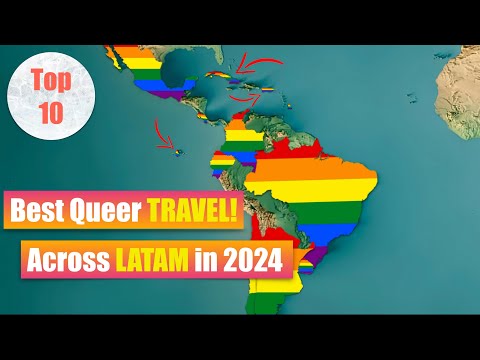
Bolivia's LGBTQ+ movement has developed over three decades, with La Paz as its political and cultural center. Same-sex relationships are legal with equal age of consent, but same-sex marriage is not yet legalized, though civil unions have been discussed. The queer community gained visibility in the 2000s and 2010s, marked by growing Pride celebrations and activism for healthcare, workplace discrimination, and trans rights. La Paz's young, educated population and its status as the seat of government make it a hub for LGBTQ+ advocacy and cultural initiatives.
Neighborhoods
The Zona Sur (South Zone) is where LGBTQ+ travelers will find most welcoming establishments and community spaces. Calacoto, an upscale residential and commercial area, has establishments that are generally gay-friendly, attracting locals and visitors. San Miguel, adjacent to Calacoto, also offers social venues alongside broader dining and entertainment. These neighborhoods are safe and well-resourced. Note La Paz's high altitude; arriving a day early to acclimate is recommended.
The historic Centro contains museums, markets, and cultural sites. The main LGBTQ+ social scene is concentrated in the Zona Sur. The Prado area, running through central La Paz, is suitable for exploring galleries and shops.
Venues and Nightlife
La Paz's gay bar and club scene is less extensive than in larger capitals but is present. Establishments are found in the Zona Sur, particularly around Calacoto and San Miguel. Specific venues can change, and closures occur in smaller markets. Research current venues upon arrival or ask LGBTQ+ hotel staff or local contacts for recommendations.
The city does not host large circuit parties or mega-clubs. Occasional themed nights, drag shows, and DJ events do happen. Local LGBTQ+ social media groups and community centers can offer up-to-date event information.
La Paz Pride typically occurs in June. The event has grown with increased municipal support and participation, including marches, cultural performances, parties, and community gatherings. The atmosphere is generally celebratory and reflects ongoing conversations around equal rights.
Other cultural events relevant to LGBTQ+ travelers, such as film festivals and art exhibitions with LGBTQ+ themes or artists, can be found in the Centro.
Where to Stay
The Zona Sur, particularly Calacoto and San Miguel, offers proximity to LGBTQ+-friendly venues, restaurants, and services. Some hotels and guesthouses in these areas are welcoming to LGBTQ+ guests. Mid-range and upscale hotels are more common than budget options in these neighborhoods. Booking accommodation in advance, especially during Pride in June, is advisable.
Alternatively, some travelers stay in the Prado area for its central location and cultural attractions, though the LGBTQ+ scene is less concentrated there.
La Paz is generally safe for LGBTQ+ travelers who exercise standard precautions. Public displays of affection between same-sex couples are becoming more accepted, especially in the Zona Sur, though discretion is advisable in less progressive areas or late at night. Violent crimes targeting LGBTQ+ people are not prevalent, though petty crime affects all travelers.
Trans travelers should be aware that legal gender recognition and trans healthcare remain limited in Bolivia, though advocacy is increasing. Healthcare quality varies, and specialized trans services are limited. Police interactions are generally respectful toward LGBTQ+ people in urban areas.
Transportation
Public transportation includes minibuses and buses, which are inexpensive but can be crowded and confusing. Taxis are readily available and affordable, and ride-hailing apps operate in the city. For airport transfers, pre-booking through hotels or established services is recommended.
The city's steep topography means significant elevation changes, and walking can be challenging, especially due to the altitude. Rest, hydration, and slow initial activity aid acclimatization.
Food and Dining
La Paz offers diverse dining reflecting its multicultural population and Andean heritage. The Zona Sur has numerous restaurants, many of which are LGBTQ+-friendly. Traditional Bolivian cuisine includes dishes like salteñas and anticuchos. International cuisine, including vegetarian and vegan options, is available in the Zona Sur.
The Mercado de Hechicería (Witches' Market) in the Centro is a cultural site selling traditional herbs and crafts.
Day Trips and Attractions
Lake Titicaca, about 3.5 hours from La Paz, offers boat tours, island visits, and cultural experiences. The town of Copacabana on the lake's shore is accessible by bus.
Tiwanaku, an ancient pre-Incan archaeological site approximately 70 kilometers from La Paz, contains ruins and a museum.
The Death Road offers adventure tourism via mountain biking, requiring fitness and careful operator selection.
The Valley of the Moon near the city provides striking geological formations and hiking.
Practical Information
Visitors from most countries can enter Bolivia visa-free for up to 90 days with a valid passport. The currency is the Boliviano (BOB); US dollars are widely accepted. Spanish is the primary language. The city operates on Bolivian Standard Time (BOT, UTC-4).
Altitude sickness is a concern; arriving early, staying hydrated, avoiding alcohol initially, and moving slowly aid acclimatization. Coca tea is traditionally used and available.
Medical facilities in La Paz are adequate for routine care; serious emergencies may require evacuation. Travelers should carry comprehensive travel insurance.
Conclusion
La Paz allows LGBTQ+ travelers to experience Bolivia's capital, indigenous culture, and Andean landscape while connecting with a growing queer community. While the scene is smaller than in major Latin American gay capitals, the local LGBTQ+ communities and the city's unique position as the world's highest capital make it a destination for those seeking authenticity.
Frequently asked questions
La Paz has a growing acceptance of LGBTQ+ individuals, particularly among younger residents and in cosmopolitan areas. While same-sex relationships are decriminalized and civil unions are recognized, cultural attitudes are still developing. It's advisable to be aware of your surroundings, especially at night.
The Zona Sur (South Zone), including neighborhoods like Calacoto and San Miguel, is where most gay venues and upscale accommodations tend to cluster. This area is more cosmopolitan and frequented by both locals and tourists.
The LGBTQ+ community in La Paz is described as small but increasingly visible. Its visibility has notably increased in the past decade, with organizations emerging and the scene reflecting the city's character, being sophisticated in some circles and underground in others.
The guide mentions that most gay venues cluster in the Zona Sur. While specific venues are not named, it indicates that the gay scene exists and is tied to the broader context of Bolivian society.
Information regarding the specific timing of Pride events in La Paz is not provided in the source guide.
Cultural attitudes have developed more gradually than legal recognition, with strong influences from both indigenous traditions and Catholic conservatism. Acceptance is growing, particularly among younger generations and in more cosmopolitan areas.
Your privacy choices.
We use cookies to run GayOut and, with your consent, measure usage. Learn more
Your privacy choices
We use cookies to keep GayOut running, remember your preferences, and (with your permission) measure how the site is used. You can accept all, reject all, or pick what you allow. Learn more
Essential
Required for sign-in, fraud prevention, CSRF protection and remembering your language. Cannot be disabled.
Always on
Remembers your favourites, dark mode and other interface preferences across visits.
Helps us understand which pages people visit (Google Analytics, server-side stats) so we can improve.
Used by campaign tracking pixels. None are active right now, reserved for future use.
Install GayOut
Add GayOut to your home screen for faster access, offline favourites, and Pride alerts.


 Gay-Friendly Bars & Clubs
(104)
Gay-Friendly Bars & Clubs
(104)