

In this guide · 19 sections
- The law, in a little more detail
- Bars and nightlife
- The sauna is in El Alto
- Sopocachi: where to base yourself
- Where to stay
- Mi Teleférico: the city from above
- El Alto: cholets, the market and wrestling cholitas
- Pride and community
- Day trips
- Eat like a paceño
- A few words of Bolivian Spanish and Aymara
- Practical tips
- At a glance
- Frequently asked questions
- Is La Paz gay-friendly?
- Can same-sex couples marry in Bolivia?
- Where are the gay bars in La Paz?
- When is La Paz Pride?
- How bad is the altitude in La Paz?
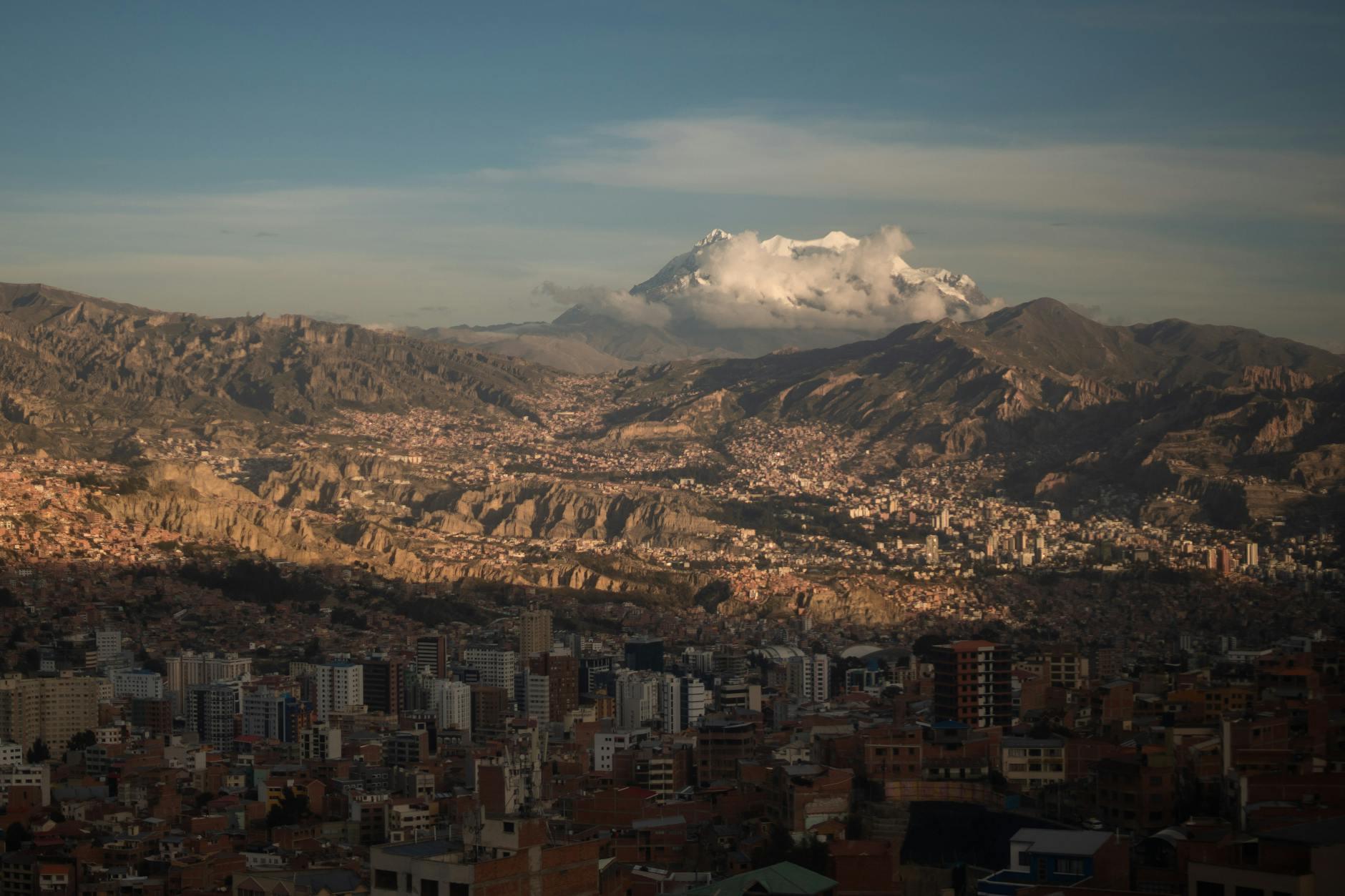
The first thing La Paz takes is your breath. You land in El Alto, on the bare plateau at over 4,000 metres, and the road tips over the rim of a canyon: the whole city pours down below you in red brick and glass, with the snowy triple peak of Illimani standing guard. Cable cars in red, yellow and green glide over the rooftops, cholitas in bowler hats and layered polleras sell salteñas on every corner, and the air smells of diesel, eucalyptus and frying dough. The gay scene is small, local and a little underground: one long-running club, a couple of bars, a sauna up in El Alto and a Pride march with real political weight. Bolivia's laws are more progressive than its streets, so come with curiosity, a warm jacket and a bit of discretion.
Legal in one line: Same-sex relations are legal, the 2009 constitution (Article 14) bans discrimination based on sexual orientation and gender identity, same-sex couples have been able to register a free union (unión libre) since December 2020, marriage remains limited to a man and a woman, and trans people can change their name and gender marker under Law 807 of 2016.
The law, in a little more detail
- Free unions. In 2018 the civil registry, SERECI, refused to register the union of David Aruquipa Pérez and Guido Montaño Durán, together for more than a decade. A constitutional chamber of the La Paz departmental court ruled for them in July 2020, citing the Inter-American Court of Human Rights, and in December 2020 SERECI reversed itself and registered their union, the first in Bolivia. Aruquipa called it "a historic fact".
- The 2022 ruling. After a lesbian couple was turned away in La Paz in 2021, the Plurinational Constitutional Tribunal (ruling 0577/2022-S2) ordered SERECI to register same-sex free unions and urged Parliament to legislate. The electoral authority later said same-sex couples follow the same procedure as everyone else, and reported 101 same-sex unions registered in 2024. Article 63 of the constitution still defines marriage as between a woman and a man.
- Gender identity. Law 807, promulgated in May 2016, lets trans people change their name, sex and photo through an administrative process rather than a court case. In November 2017 the Constitutional Tribunal (ruling 0076/2017) struck out Article 11.II, the clause that let people exercise all rights in their new identity, which in practice blocked marriage and parity rights for trans people. The identity change itself remains valid.
- Politics in 2025–26. Rodrigo Paz, a centre-right president, was sworn in on 8 November 2025. We found no reports of changes to LGBTQ+ laws since then. The bigger story for visitors has been unrest: in May and June 2026, road blockades by farmers' and union groups cut La Paz off from the rest of the country, protests at Plaza Murillo turned violent, and the government declared a state of emergency in June.
- Open Mind Club, Calle Cochabamba 100 (basement): the long-running gay club, with drag shows, Latin pop and reggaeton. Small, quiet until about 1am, then packed. Recent reviews are mixed on crowding and service, so pay in small notes.
- Skandalo, Calle Comercio: a smaller dance bar with very few reviews; ask at Open Mind whether it's busy that night.
- Sátiros: a discreet, men-only cruising bar near Plaza Murillo, usually placed on Calle Indaburo. Check the map pin before you go.
- Sopocachi for a first drink: none of these is a gay bar, but the crowd is young, arty and relaxed. Try Diesel Nacional (Av. 20 de Octubre 2271), an industrial bar full of old engines, or Malegría (Pasaje Medinacelli 2282), known for live Afro-Bolivian saya on Thursdays.
- El Consulado, central
- Hotel Mitru Sur
- Hotel Nova La Paz
- Hotel Gran Aurum, Bajo Llojeta
- Casa Bolivia Mundo and The Grand La Paz Experience
- See all gay-friendly hotels in La Paz. Two men asking for a cama matrimonial (double bed) may get a second look in smaller places; a confirmed booking avoids the conversation.
- Cholets. Bright, mirrored, wildly coloured buildings by the architect Freddy Mamani and his followers, part shop, part party hall, with the owner's home on top. The name mixes cholo and chalet.
- Feria 16 de Julio. A vast open-air market, busiest on Thursdays and Sundays, selling everything from car parts and clothes to crafts and street food. Pickpockets work the crowds, so bring only what you need.
- Cholitas luchadoras. Women wrestlers in full pollera and braids, flying off the ropes in a camp, theatrical show that usually takes place on Sundays. Local agencies and walking-tour guides sell packages with transport and entry from the Purple line's station in the centre; tickets are paid in cash.
- Express kidnappings, where victims are driven between cash machines, are a known risk, especially for people travelling alone and those arriving overland from Peru. If you're coming from Lake Titicaca, take a direct bus from Copacabana, and let someone know where you are after dark.
- Fake police use false IDs, uniforms and even fake police stations. Never get into an unmarked car, and remember that police cannot search you in the street without a written order from a prosecutor.
- Taxis: use app taxis (Uber, InDrive) or a radio taxi with its company name and phone number on the roof, and never share a cab with strangers. Ignore helpful strangers at taxi ranks and bus terminals; thieves work in teams.
- Apps: Grindr is the main app and many profiles are faceless and discreet. Meet in a public place first and don't take a stranger straight to your hotel.
- Protests and blockades can start with little notice. Move away from them and don't try to cross a blockade by car or motorbike.
- No drinking in the street: Bolivia's alcohol law bans it, and police raid unlicensed bars.
- Valle de la Luna: a maze of eroded clay spires in the south of the city, an easy taxi ride from the centre. Go in the morning and bring sun cream; the light is fierce.
- Tiwanaku: the ruins of a pre-Inca capital on the Altiplano west of La Paz, a UNESCO World Heritage Site, with the Gateway of the Sun and two small museums. Most visitors go with a tour; it makes a full day.
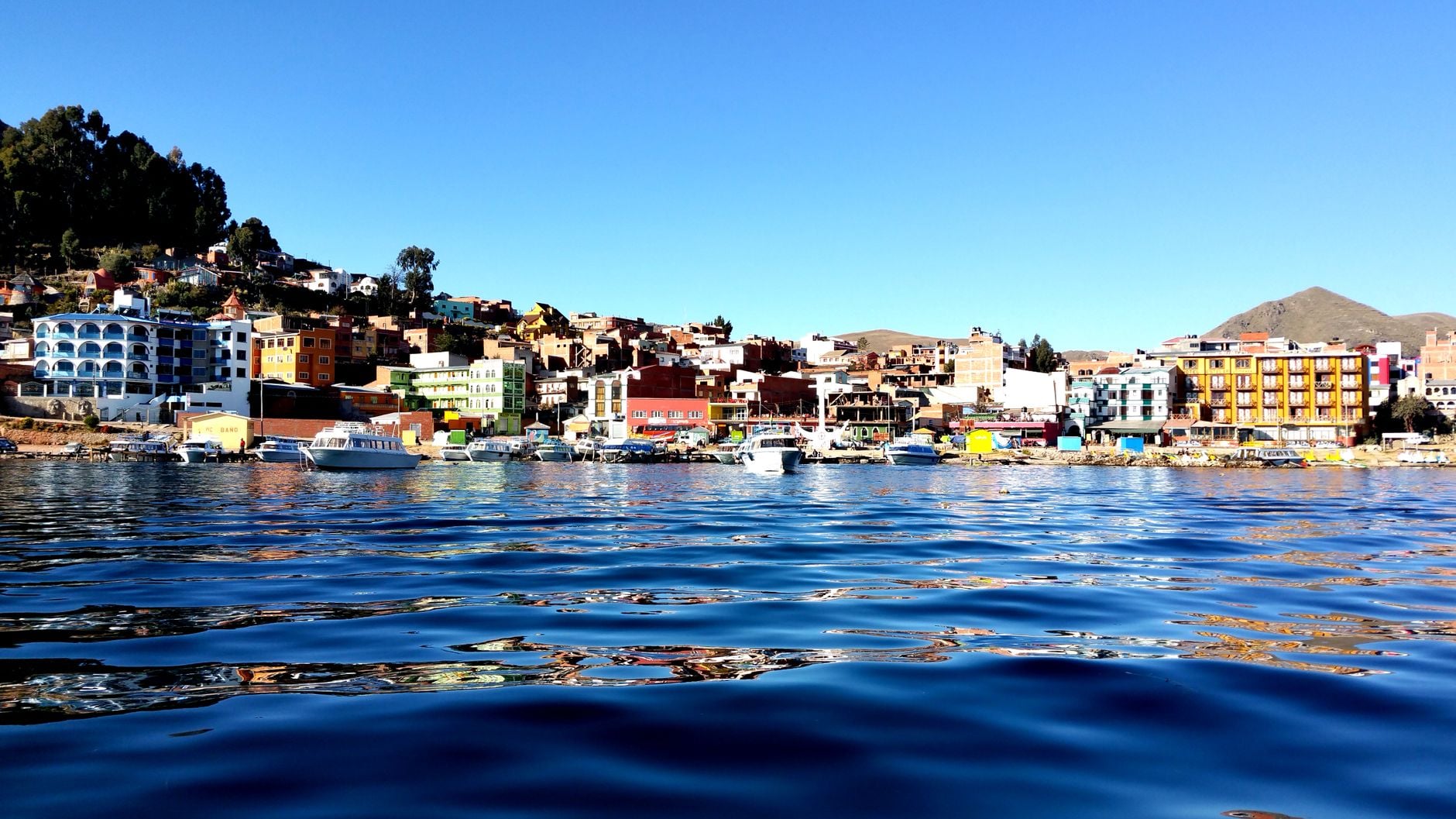
- Lake Titicaca and Copacabana: the lakeside town and its whitewashed basilica, with boats to the Isla del Sol. It's a long bus ride with a short ferry crossing at the Strait of Tiquina, so stay at least one night, and take a direct bus back to La Paz.
- ¡Jallalla! (Aymara) – long live!, the cry at every celebration and toast.
- Kamisaraki (Aymara) – how are you?; Waliki – fine, good.
- Yuspajara (Aymara) – thank you.
- Paceño / paceña – someone from La Paz (and the local beer).
- Cholita – an Aymara woman in traditional dress, a word now worn with pride.
- Soroche – altitude sickness.
- Boliche – a club or nightspot.
- ¿Cuánto es? – how much is it?
- Arriving: El Alto International Airport is on the plateau above the city; take an app or official taxi down, and plan an easy first day.
- Cash: carry bolivianos (Bs) in small notes. Small bars, markets and wrestling tickets are cash only, and card machines are often missing.
- Weather: sunny days, freezing nights. Bring layers, a hat and sun cream all year.
- Before you travel: check the news and your government's travel advice for strikes and blockades, which can close roads to the airport and Lake Titicaca.
Altitude first. Central La Paz sits at about 3,600 metres and El Alto at around 4,150. Altitude sickness, known here as soroche, catches most visitors: headaches, poor sleep, breathlessness on the stairs. Take the first day or two slowly, drink lots of water, go easy on alcohol (it hits much harder up here) and do as locals do with a mate de coca. If you have a severe headache, confusion or breathlessness at rest, see a doctor.
Bars and nightlife
The scene is a handful of places within a few blocks of Plaza Murillo. Friday and Saturday are the nights, and nothing starts before midnight. For addresses, crowds and the full picture, see our gay bars in La Paz guide.
Gone or unconfirmed: Privilegio, once Open Mind's rival, has closed. Club Selva opened as an LGBTQ+ club in January 2023, but we could not confirm it is still running.

The sauna is in El Alto
La Paz proper has no gay sauna. Sauna Punto G is at Calle Demetrio Moscoso 75, El Alto, with steam and dry saunas, a darkroom, a maze and video rooms. It opens in the late afternoon and closes early, around 21:00–22:00; a 2025 reviewer says Sunday is the day to go, and reviews mention patchy maintenance. Go and come back by app or radio taxi, door to door.
Sopocachi: where to base yourself
Sopocachi, the leafy, bohemian district around Plaza Avaroa and Avenida 20 de Octubre, is the easiest place for a gay traveller to feel at home: cafés, bookshops, bars and a mixed, student-heavy crowd, with El Prado and the old town a short taxi or cable-car ride away. Its yellow cable-car stop puts you on the way up to El Alto. It is not crime-free, though: the UK government notes several incidents in the Sopocachi and Cementerio General areas, so keep your phone out of sight at night.

Where to stay
GayOut lists these LGBTQ+-friendly hotels in La Paz; check location and recent reviews when you book:
Mi Teleférico: the city from above
La Paz and El Alto are linked by Mi Teleférico, an urban cable-car network with lines named by colour. It is the best sightseeing ride in town and the quickest way between the two cities. The Purple line (Línea Morada) climbs from the centre, near the Obelisco, to El Alto; the Sky Blue (Celeste) runs from El Prado to Libertador; the Yellow (Amarilla) stops in Sopocachi on its way between Libertador and El Alto; and the Green (Verde) drops to the Zona Sur. It usually runs from about 06:00 to 23:00, so after the bars you'll need a taxi. Some stations were damaged during the May 2026 protests, so check that your line is running.

El Alto: cholets, the market and wrestling cholitas
El Alto is a separate city, young, Aymara and fast-growing, spread across the plateau at around 4,150 metres. Ride up for three things:
Staying safe in La Paz and El Alto
Pride and community
The Marcha de las Diversidades Sexuales y de Género usually fills El Prado around 28 June, with dancers, drag performers and dozens of groups; the city government has backed it for years. In 2026 it was moved to Saturday 26 September, because of the political crisis and blockades that paralysed the country in June. Hundreds marched, demanding rights for trans people, and a trans group danced the morenada, the Andean dance of the Gran Poder festival. Bolivia also marks 17 May as its official day against homophobia and transphobia.
La Paz's drag history runs through La Familia Galán, the collective that began in the late 1990s and mixed drag with Andean folklore. Its best-known member, París Galán, became Bolivia's first openly trans person elected to office (as an alternate member of the La Paz departmental assembly in 2015) and died in May 2026. Other groups to follow: ADESPROC Libertad GLBT, Colectivo TLGB de Bolivia and the municipal platform La Paz Es Diversa.

Day trips
Eat like a paceño
Breakfast in La Paz starts mid-morning with a salteña, a baked pastry filled with meat and a sweet, spicy, soupy stew; eat it upright and bite the corner first, or it ends up on your shirt. On cold afternoons, order api con pastel: a hot, thick, cinnamon-spiced drink of purple maize, with a puffy fried pastry filled with cheese and dusted with sugar. For lunch on the go, the sándwich de chola is a roll stuffed with roast pork, pickled onion and chilli, sold from street stalls. The local drinks are Paceña beer and singani, Bolivia's grape brandy; mixed with ginger ale or Sprite and lime it becomes a chuflay, the club drink.
A few words of Bolivian Spanish and Aymara
Practical tips
At a glance
| Place | Type | Where | When | Note |
|---|---|---|---|---|
| Open Mind Club | Gay club, drag | Calle Cochabamba 100, centre | Fri–Sat, late to ~03:00 | Main gay night; busy after 01:00 |
| Sátiros | Men's cruising bar | Near Plaza Murillo | Evenings | Discreet; check the map pin |
| Sauna Punto G | Gay sauna | Calle Demetrio Moscoso 75, El Alto | Late afternoon to ~21:00–22:00 | Sundays busiest; taxi both ways |
| Diesel Nacional | Gay-friendly bar | Av. 20 de Octubre 2271, Sopocachi | Evenings | Good first drink |
| Feria 16 de Julio | Open-air market | El Alto | Thursdays and Sundays | Cash; watch your pockets |
| Cholitas luchadoras | Wrestling show | El Alto | Usually Sundays | Book through a local agency |
| Mi Teleférico | Cable cars | La Paz – El Alto | About 06:00–23:00 | Taxi after the bars |
Frequently asked questions
Is La Paz gay-friendly?
Reasonably, with discretion. Same-sex relations are legal and the constitution bans discrimination based on sexual orientation and gender identity, and the city government has backed the Pride march for years. Society on the Altiplano is still conservative, so keep affection low-key in the street and save it for the bars, Sopocachi and your hotel.
Can same-sex couples marry in Bolivia?
No. The constitution defines marriage as between a woman and a man. Since December 2020, however, same-sex couples can register a free union (unión libre) with the civil registry, SERECI, and a 2022 Constitutional Tribunal ruling ordered the registry to keep doing so.
Where are the gay bars in La Paz?
In the centre, a few blocks from Plaza Murillo. Open Mind Club on Calle Cochabamba is the main gay club, busiest on Friday and Saturday after 1am; Skandalo is a smaller dance bar and Sátiros a men's cruising bar. For a calmer first drink, the mainstream bars of Sopocachi are relaxed and mixed.
When is La Paz Pride?
Usually in late June, when the Marcha de las Diversidades Sexuales y de Género fills El Prado. In 2026 it was moved to Saturday 26 September because of the political crisis and road blockades in June. Check local organisations' social media for the 2027 date.
How bad is the altitude in La Paz?
Noticeable for almost everyone. The centre is at about 3,600 metres and El Alto, where the airport is, at over 4,000. Take the first day or two slowly, drink plenty of water, go easy on alcohol and try mate de coca; see a doctor if you have a severe headache or are breathless at rest.
Part of the GayOut city guides. See also our gay bars in La Paz guide for the clubs, the cruising bar and the sauna in more detail.